
What Do These Terms Actually Mean?
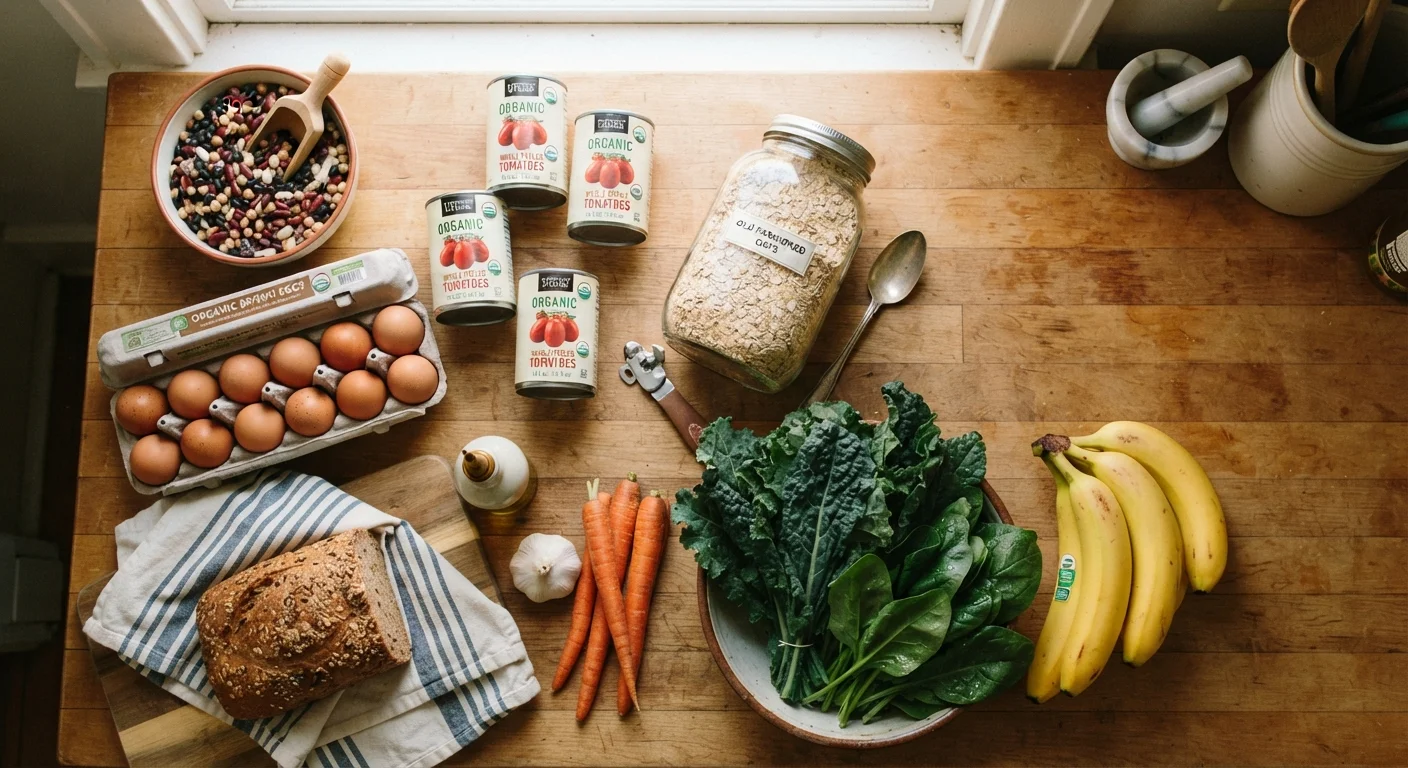
The phrase "whole food" sounds intuitive — an apple is whole, a bag of chips is not — but the actual definitions are more nuanced. A whole food is broadly any food that is consumed in, or very close to, its natural state with minimal alteration. Think fresh fruit, raw nuts, dried legumes, eggs, and plain cuts of meat or fish. Nothing significant has been added or removed.
Processed food, on the other hand, covers an enormous range. Technically, washing, cutting, freezing, or pasteurizing food counts as processing. That means frozen peas, canned tomatoes, and plain Greek yogurt are all "processed" in some sense — but they're a far cry from a shelf-stable snack cake engineered for maximum palatability and a two-year shelf life.
The most useful framework comes from researchers who categorize foods by the degree of processing. The NOVA classification system, developed by Brazilian nutrition scientists, groups foods into four categories ranging from unprocessed to ultra-processed. It's this last group — ultra-processed foods (UPFs) — that most nutrition concern centers on, not processed foods as a blanket category.
The Spectrum of Processing
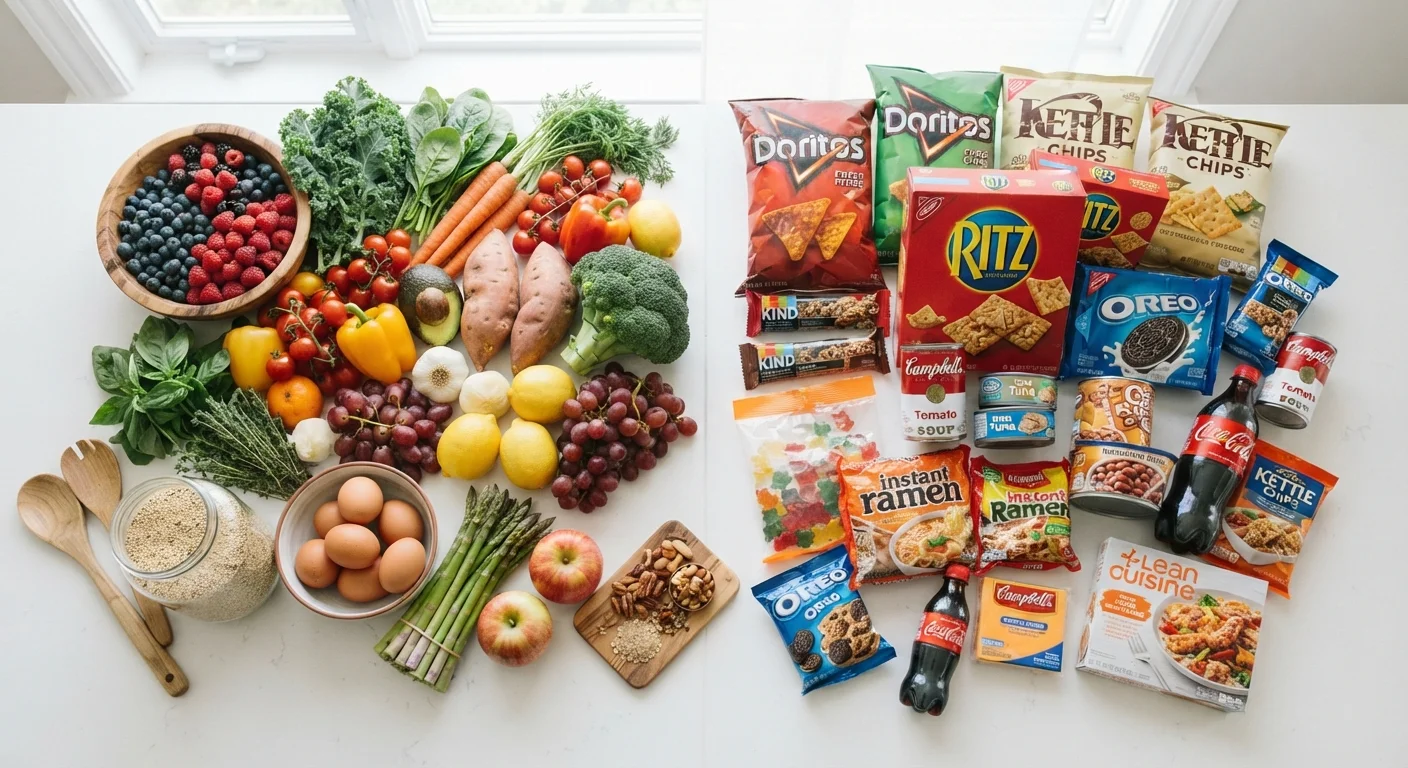
Understanding where a food falls on the processing spectrum is more practical than applying a simple whole/processed binary.
| Criterion | Whole / Minimally Processed | Ultra-Processed |
|---|---|---|
| Examples | Fresh fruit, eggs, plain oats, frozen veg | Packaged snacks, flavored cereals, fast food |
| Ingredient list | Short, recognizable ingredients | Long, with additives and unfamiliar names |
| Fiber retention | Largely intact | Often significantly reduced |
| Added sugars & sodium | None or minimal | Frequently high |
| Shelf life | Shorter | Extended through additives |
| Nutrient density | Generally higher per calorie | Varies; often lower per calorie |
| Cost | Variable; staples are often affordable | Variable; convenience carries a premium |
Ultra-processed foods typically contain ingredients you wouldn't find in a home kitchen: emulsifiers, artificial flavors, color stabilizers, and modified starches designed to extend shelf life or heighten taste. These aren't inherently toxic, but they often signal that a product has been heavily engineered — and that its original nutritional profile may have been significantly altered in the process.
Minimally processed foods, by contrast, have been altered for safety or convenience without fundamentally changing their nutritional composition. Pasteurized milk, plain rolled oats, and frozen edamame are good examples. They're convenient, often affordable, and nutritionally close to their whole counterparts. If you're working with a tight grocery budget, nutritional value per dollar is a helpful lens for navigating these choices wisely.
Why the Distinction Matters for Nutrition
Whole foods tend to deliver nutrients in their most intact, bioavailable form. Fiber — found naturally in vegetables, fruits, legumes, and whole grains — slows digestion, supports gut health, and helps regulate blood sugar. When food is refined (white flour is a classic example), much of this fiber is stripped away, along with B vitamins and minerals. Some of those nutrients are added back in enriched products, but not always in the same form or proportions.
Not All Processing Is Equal
Freezing vegetables at peak ripeness can actually preserve more nutrients than fresh produce that's been sitting in transit for days. Similarly, fermenting foods like yogurt or kimchi changes their composition — but often in ways that support gut health. The word "processed" alone tells you very little about nutritional quality; the type and degree of processing is what matters.
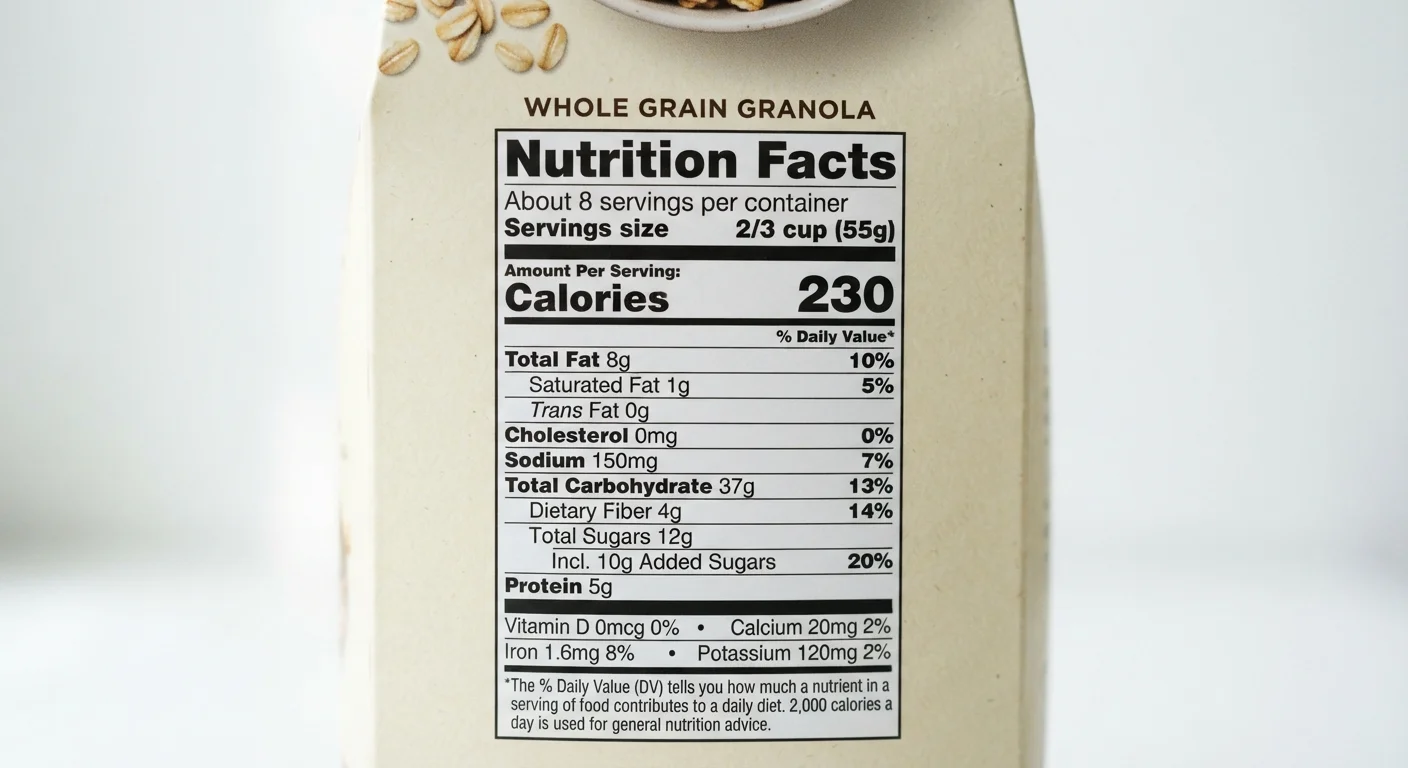
Processing also affects added sugars and sodium. Ultra-processed foods are the leading source of both in the American diet, according to research published in nutrition and public health journals. Since these additions are harder to track without label-reading skills, it helps to get comfortable with the Nutrition Facts panel. Our guide on reading a nutrition label without confusion walks through exactly what to look for.
That said, balance matters. A whole-foods-only approach isn't realistic or necessary for most people. Many dietitians encourage focusing on overall dietary patterns rather than treating individual foods as inherently good or bad. If you're newer to thinking about all of this, the nutrition basics primer is a solid starting point.
Making Practical Choices Every Day
The goal isn't perfection — it's a general shift toward foods closer to their natural state where it makes sense. A few practical approaches:
- Check ingredient lists. The shorter and more recognizable the list, the closer to minimally processed the food likely is.
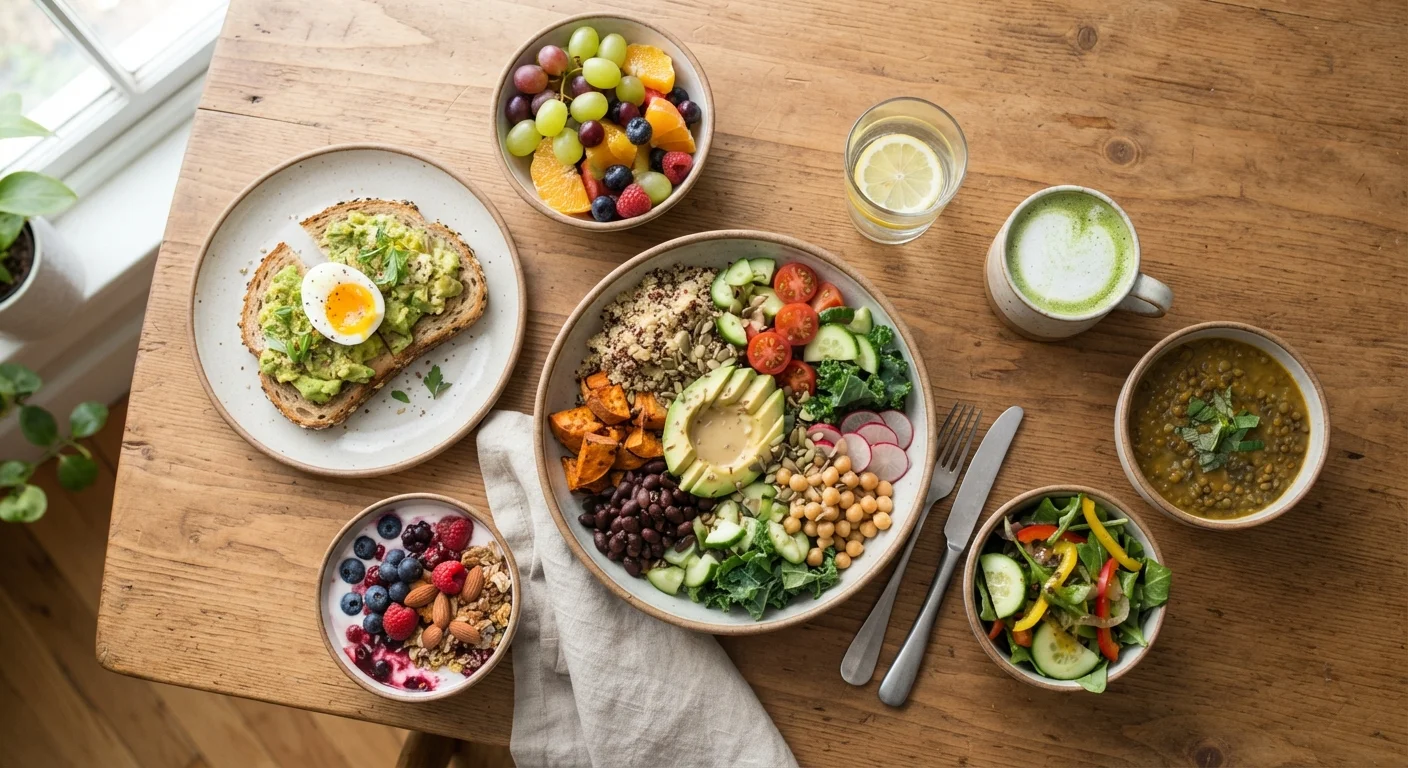
- Prioritize whole foods as the foundation. Build meals around vegetables, legumes, whole grains, and plain proteins, then fill in with convenient processed options as needed.
- Don't vilify all convenience foods. Canned beans, plain frozen vegetables, and jarred tomatoes are nutritious, affordable, and time-saving. For more on building a balanced protein mix from various sources, see protein sources across eating styles.
- Watch added sugars. Ultra-processed foods are often the sneakiest source. Understanding natural versus added sugars can help you spot them on labels.
The whole vs. processed framing is most useful as a starting point for awareness — not a rigid rulebook. Most people eat a mix of both, and that's perfectly workable with a little informed navigation.
This article is for general informational and educational purposes only and is not a substitute for personalized nutrition or medical advice. Consult a registered dietitian or qualified healthcare professional for guidance specific to your health needs.