
The Small Number That Does the Heavy Lifting
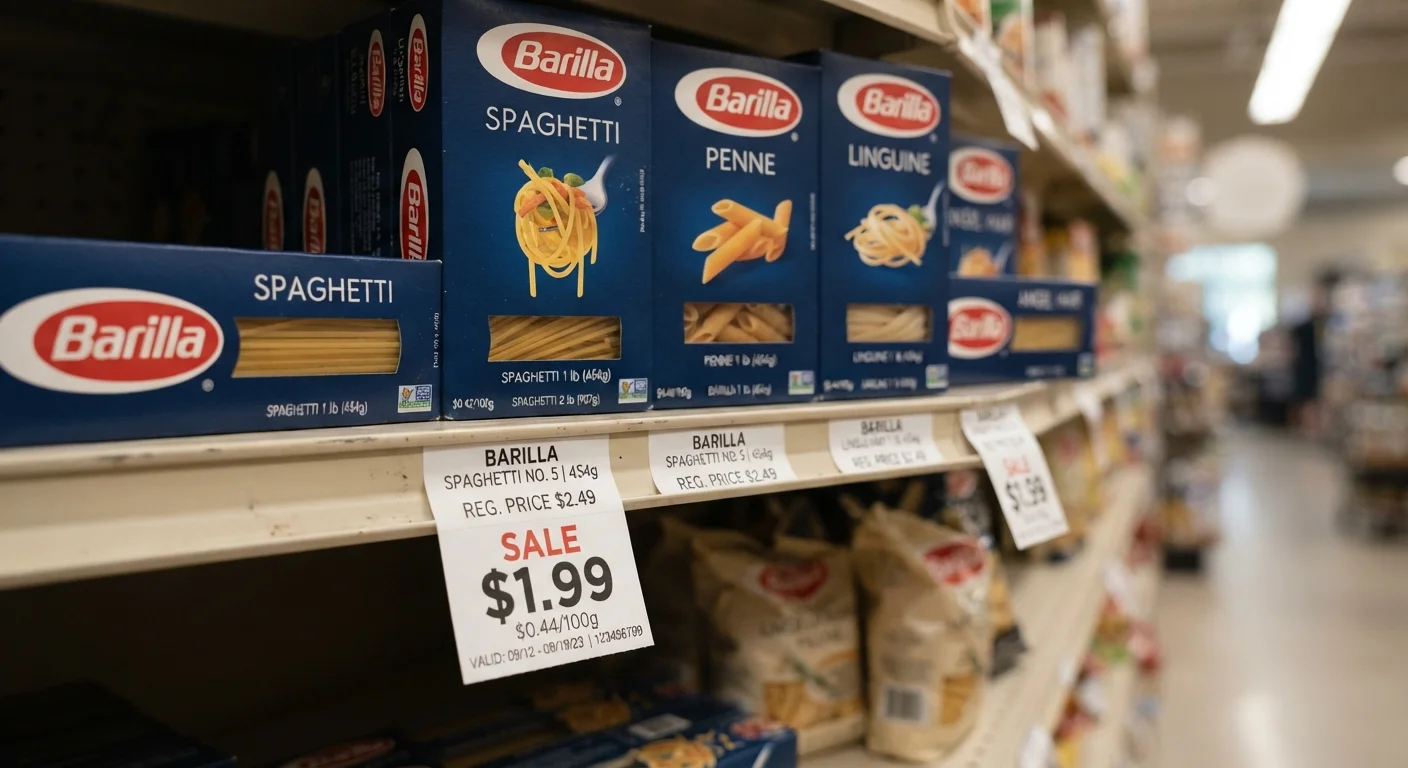
Most shoppers focus on the large, bold price printed on a shelf tag. But there's a quieter number — usually tucked into a corner in smaller type — that does far more useful work: the unit price. It converts whatever is in the package into a standard measure, so a 12-oz jar and a 28-oz jar of the same product can finally be compared side by side on equal terms.
Without it, you're essentially comparing apples to oranges. A $2.99 can and a $4.49 can of the same tomatoes look like very different prices — but the unit price reveals which one costs less per ounce. That single calculation changes the entire picture.
~30%
Potential savings from unit price comparisons
Consumer advocacy research has suggested shoppers can reduce grocery spending meaningfully by consistently comparing unit prices rather than total package price.
1 in 3
Shoppers who regularly check unit prices
Surveys on grocery shopping habits consistently find that most consumers look primarily at the shelf price, not the unit price, when making purchasing decisions.
How to Read a Shelf Tag Unit Price
Shelf tag formats vary by retailer, but unit prices generally appear as a dollar amount followed by a unit of measure: $0.22/oz, $0.08/count, or $2.15/lb. The unit used depends on the product category — food items are usually measured by weight or volume, while paper goods and hygiene products are often priced per count or per sheet.
When the unit price isn't displayed — or when you're shopping online and the details are buried — you can calculate it yourself in seconds: divide the total price by the total quantity. A $5.76 package containing 32 ounces costs $0.18 per ounce. A $3.99 package with 18 ounces costs $0.22 per ounce. The larger package wins — but only the math confirms it.
Keep the Formula Simple
Whenever you're unsure, just divide the total price by the total quantity. Price ÷ Quantity = Unit Price. You can do this on your phone in a few seconds. Saving this formula as a note on your phone makes it easy to reference mid-aisle without having to remember the math from scratch.
When Bigger Isn't Actually Cheaper
The assumption that bulk packaging always delivers the lowest unit cost is persistent — and frequently wrong. Promotions, seasonal pricing, and strategic retail decisions mean mid-size packages occasionally undercut their larger counterparts on a per-unit basis. A warehouse club's giant tub of peanut butter may cost less per ounce than a standard grocery jar, but a store-brand medium jar on sale might beat them both.
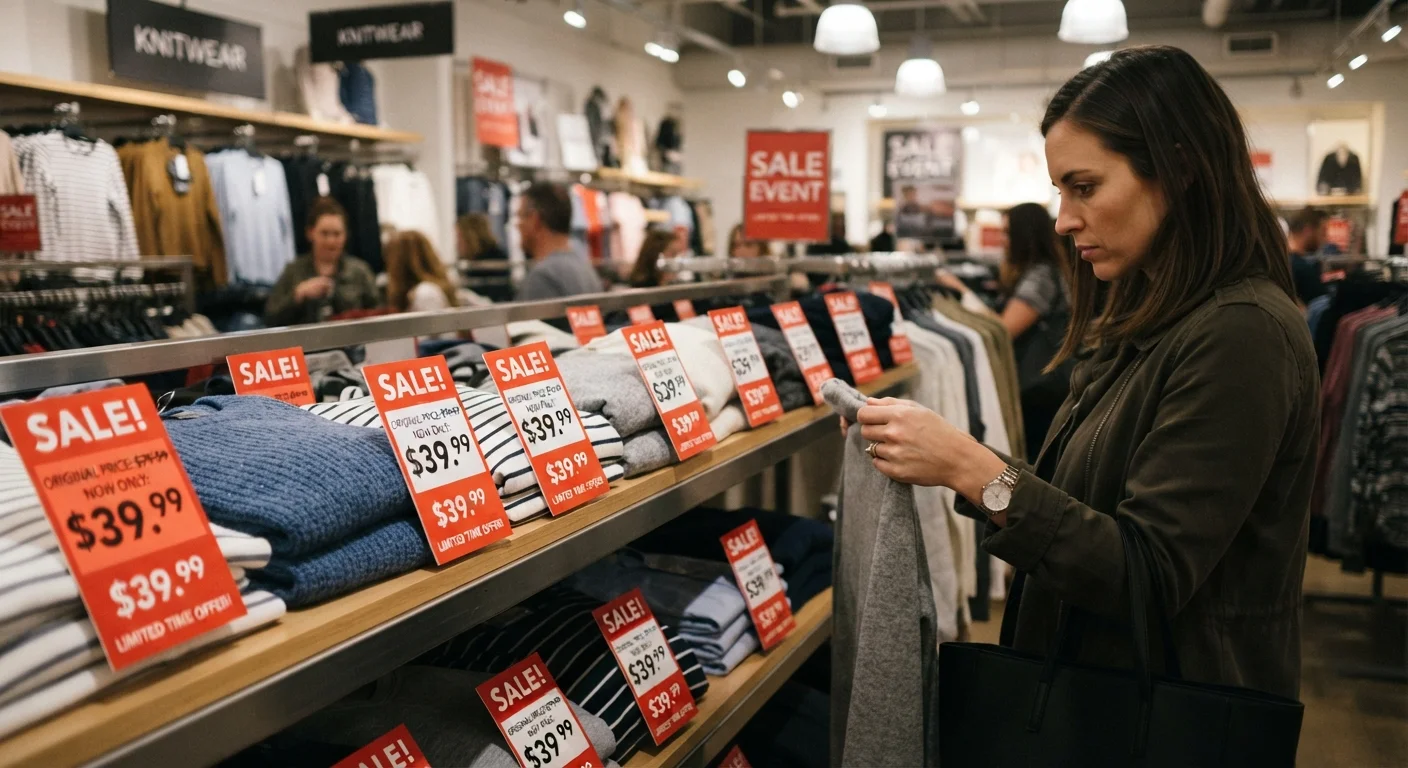
This is also worth considering alongside the broader landscape of retail pricing strategy. As explored in our look at how sale pricing actually works, promotional tags don't always mean a product is at its lowest price — unit pricing gives you an anchor point that promotional framing cannot manipulate.
Perishable goods add another layer of complexity. A lower unit price on a bulk item is only a genuine saving if you'll use the product before it spoils. Waste cancels out the math entirely.
Practical Situations Where Unit Pricing Pays Off
Unit pricing earns its value most in specific, high-frequency shopping situations:
- Brand vs. store brand decisions: Store brands often win on unit price even when the headline price difference looks small.
- Multi-pack promotions: "Buy 2 for $5" offers feel like deals, but a single unit at $2.29 is cheaper. The unit price makes this visible instantly.
- Category switches: Switching from liquid to powder detergent, or from bottled to concentrate, is much easier to evaluate when you're working in consistent units.
- Budget grocery planning: Unit pricing pairs naturally with nutrition-aware shopping. Our piece on eating well on a budget explores how to balance cost-per-serving with nutritional value for everyday meals.
Why It's Easy to Miss — and How to Make It a Habit
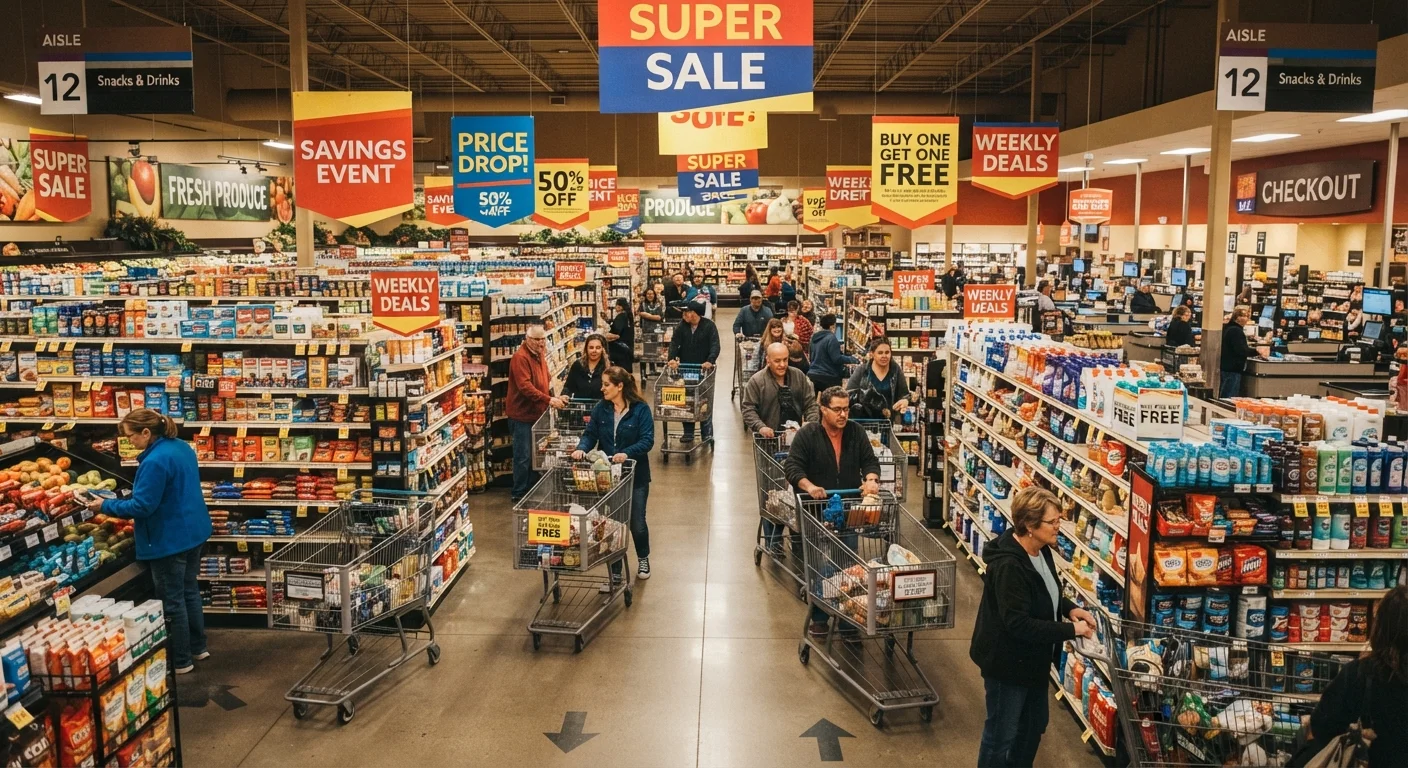
Retailers invest heavily in making the full-price figure the most prominent thing you see. Packaging design, placement, and promotional signage are all calibrated to capture attention before your eyes reach the fine print. Store layouts are similarly designed to influence purchase decisions — a dynamic covered in depth in our article on the psychology behind common retail tactics.
Making unit pricing a reflex takes a little practice but no special tools. A quick glance at the small print — or a five-second phone calculator check — is all it takes. Over a full shopping trip, those comparisons add up to genuine, unforced savings.
Unit Pricing Rules Vary by State
There is no single federal law requiring unit prices on shelf tags in the U.S. Individual states set their own rules, which means coverage and formatting differ depending on where you shop. If your local store doesn't display unit prices, the manual calculation method — price divided by quantity — works just as well.
This article is for general informational and educational purposes only. Individual savings will vary based on personal purchasing patterns, local store pricing, and product availability.