

Water Does More Than Quench Thirst
Most of us think about hydration and nutrition as two separate to-do list items: drink enough water, eat well. But they're far more intertwined than that. Water is the medium through which virtually every nutritional process in your body takes place.
When you eat, your digestive system relies on water to produce saliva, stomach acid, and intestinal secretions that break food down into absorbable pieces. Without enough fluid, that process slows and becomes less thorough — meaning you could be eating well but not fully benefiting from it.
If you're curious about other common gaps in everyday healthy habits, our piece on physical health habits most Americans are missing is worth a look.
Water-Rich Foods Count Too
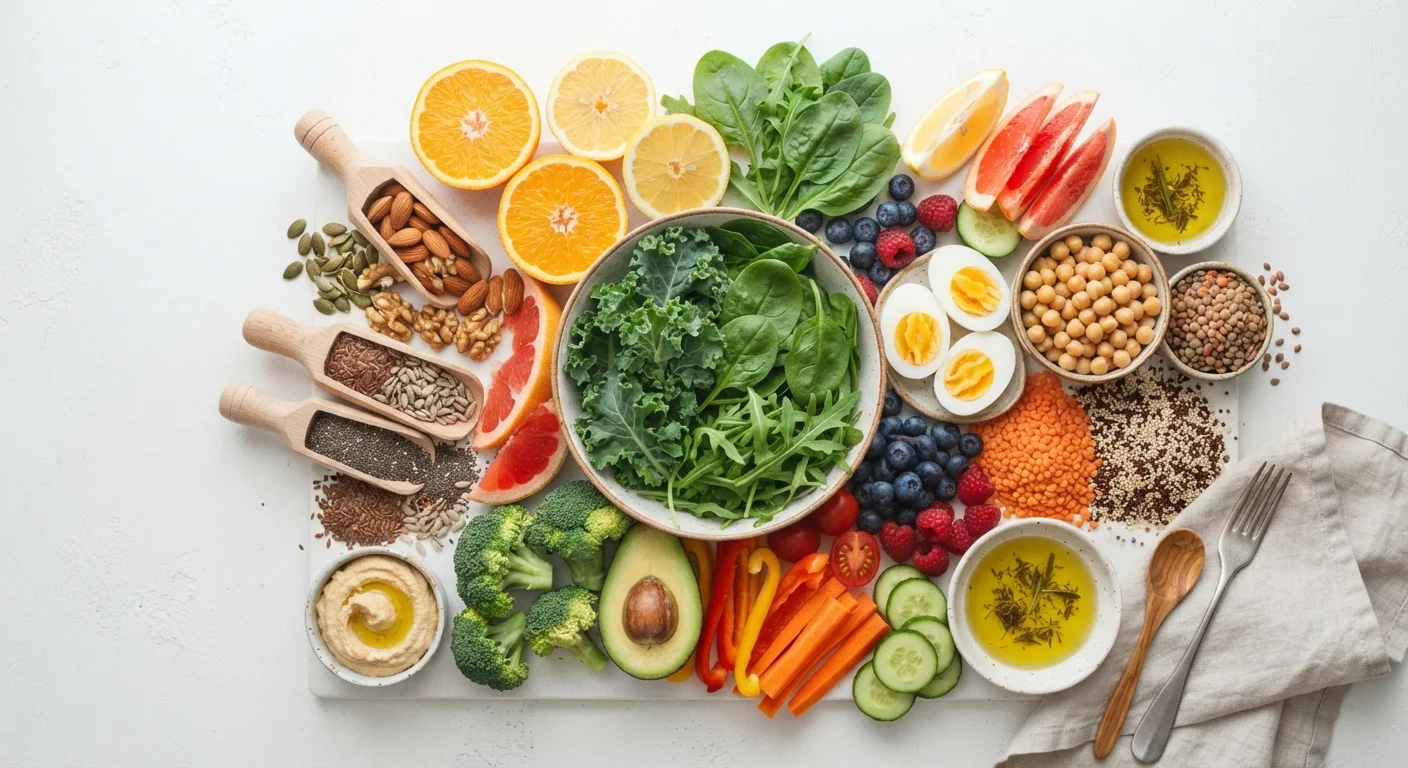
Hydration doesn't come from beverages alone. Foods like cucumbers, watermelon, oranges, and broth-based soups contribute meaningfully to your daily fluid intake. If plain water feels like a chore, eating more water-rich whole foods is a practical and nutritious way to support hydration alongside your meals.
How Nutrients Actually Travel Through Your Body
Once food is broken down, nutrients need a ride to get where they're going. Water is that vehicle. Water-soluble vitamins — the B vitamins and vitamin C — dissolve into the fluid in your bloodstream and are carried to cells throughout your body. Fat-soluble vitamins (A, D, E, and K) need dietary fat to absorb, but they still depend on adequate overall fluid balance for proper circulation.
Minerals like calcium, magnesium, and potassium are also transported dissolved in water. These aren't just bone-and-muscle nutrients — they play roles in nerve signaling, energy metabolism, and hundreds of enzymatic reactions. For a plain-language breakdown of what these micronutrients do and where to find them, check out our guide to vitamins and minerals.
~60%
Of the human body is water by weight
The U.S. Geological Survey notes that water makes up roughly 60% of adult body weight, underscoring its role in nearly every biological function.
4 water molecules
Bound to each glycogen molecule
Research in exercise physiology notes that glycogen (stored carbohydrate) is stored alongside water, linking hydration directly to accessible energy reserves.
The Fiber–Water Partnership
Dietary fiber is one of the most talked-about nutrients for digestive health, but it's also one that quietly depends on hydration to function. Soluble fiber absorbs water and forms a gel-like consistency that slows digestion and helps you feel full. Insoluble fiber adds bulk to stool and keeps things moving — but both types need water to do their jobs effectively.
Eating more fiber without increasing your fluid intake can actually backfire, leading to bloating or constipation. It's one of the most overlooked reasons people don't feel the benefits of a higher-fiber diet. Learn more about why fiber matters in our article on dietary fiber and digestion.
Boost Fiber Benefits by Drinking More Water
If you're increasing fiber in your diet — through more vegetables, legumes, or whole grains — make a point to increase your fluid intake at the same time. A simple habit: drink a glass of water with every fiber-rich meal or snack. This helps fiber do its job and reduces the chance of bloating or constipation.
What Dehydration Actually Does to Your Nutrition
Even mild dehydration — the kind you might not notice until you feel a little sluggish — can interfere with nutrient metabolism. Your kidneys require water to filter waste products generated during nutrient breakdown. When fluid intake is low, the body prioritizes water for the most critical functions, and less essential processes, including some aspects of nutrient processing, get less support.
This also connects to energy. Carbohydrates are stored in muscles and the liver as glycogen, which is bound to water molecules. Staying adequately hydrated helps maintain accessible energy stores, which is why athletes and active people often notice a performance dip when they're even slightly under-hydrated.
For a deeper dive into what the evidence actually says about fluid needs — and why the eight-glasses-a-day rule isn't quite the whole story — see our article on hydration beyond the eight-glasses rule. And if you want to untangle more nutrition facts from fiction, our piece on nutrition myths that won't seem to die is a good companion read.
This article is for general informational and educational purposes only and is not a substitute for professional medical or nutritional advice. Consult a qualified healthcare provider for guidance specific to your health needs.