
What Makes a Space a Third Place?
Not every coffee shop qualifies. The concept of a third place rests on a specific social function: it must be accessible to a wide range of people, free (or nearly free) to occupy, and structured around casual conversation rather than consumption or productivity. Ray Oldenburg, whose work brought the term into the cultural mainstream, stressed that these spaces act as levelers — a retired teacher and a plumber can be regulars at the same diner without hierarchy getting in the way.
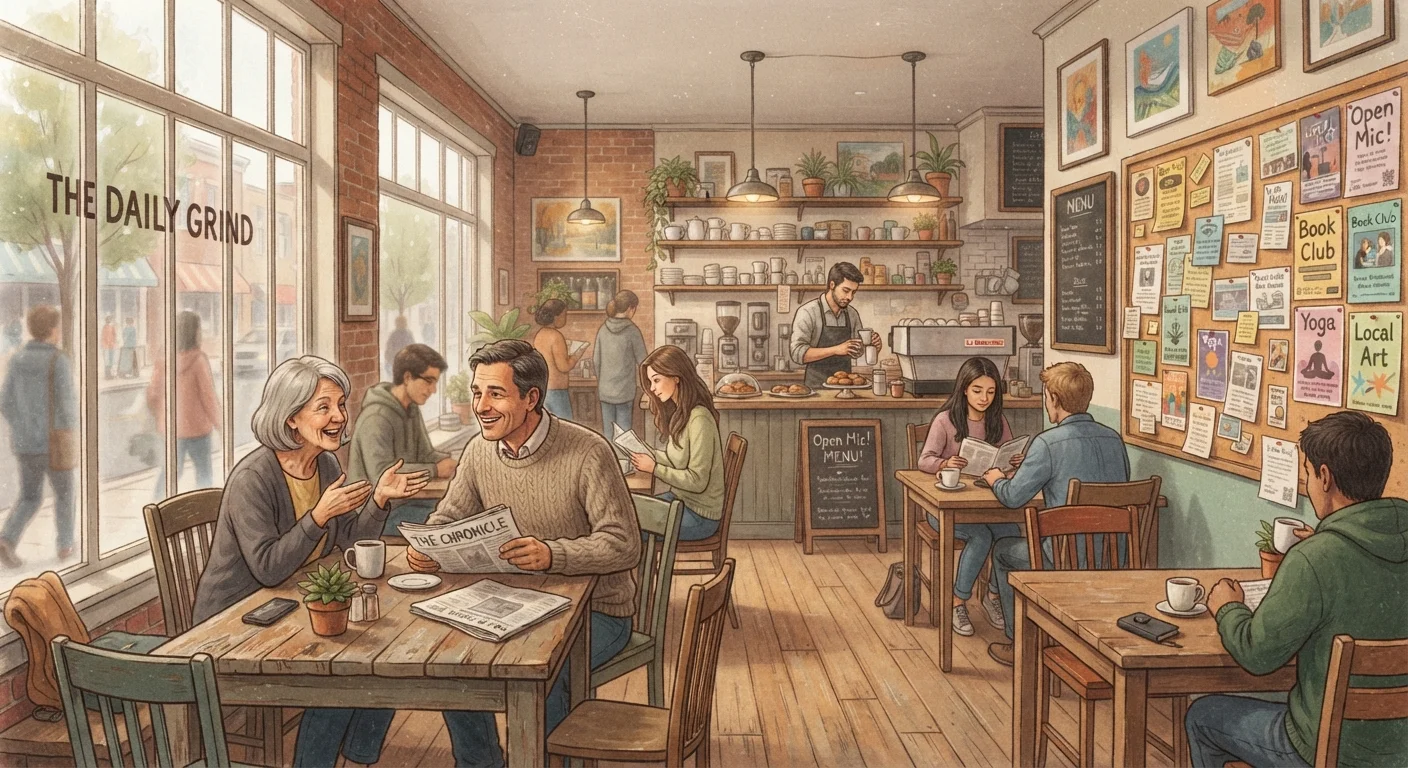
Third places tend to share a few common traits: they have a core of familiar faces ("the regulars"), a welcoming atmosphere for newcomers, and a rhythm that makes dropping in feel natural. The village pub, the neighborhood barbershop, the public library reading room — each, in its own way, invites people to simply be present without a formal reason for being there.
“The third place is a great leveling place, a setter of the social stage upon which the drama of communal life unfolds. Without it, life outside the home and work becomes impoverished.”
— Ray Oldenburg, Urban sociologist and author of 'The Great Good Place'
The Forces Eroding America's Gathering Spots
The decline isn't happening all at once, but the trajectory is consistent. Suburban sprawl built communities around the car, not the corner store — when there's no sidewalk to the coffee shop and nowhere to park once you arrive, the visit simply doesn't happen. Rising commercial real estate costs have shuttered independent diners and bookstores that once anchored blocks, replacing them with chains optimized for throughput rather than lingering.
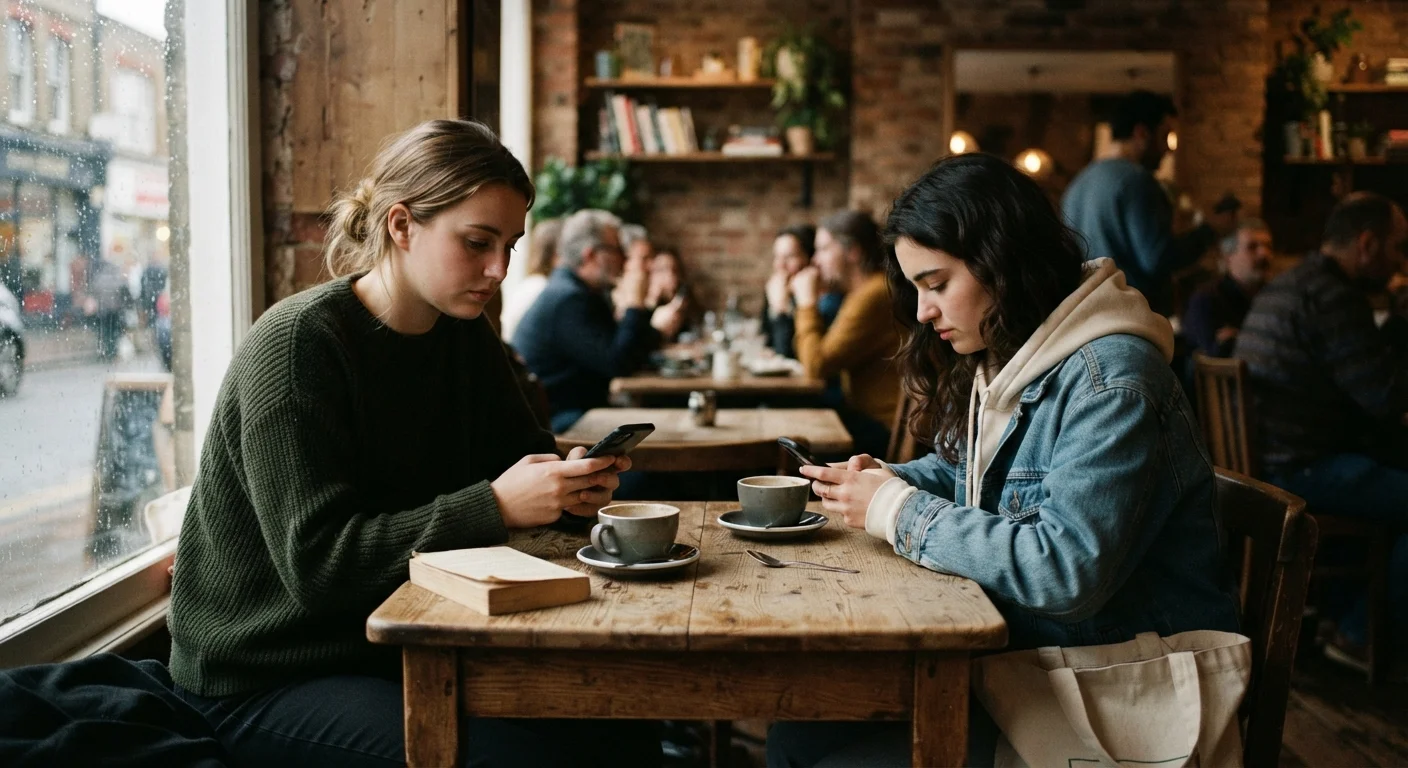
Remote work, while offering real benefits to many workers, has also quietly erased the incidental social contact that came with shared commutes and neighborhood lunch spots. And screens — offering entertainment, connection, and commerce without leaving the couch — have made staying home the path of least resistance for leisure time. None of these forces is inherently villainous, but together they chip away at the conditions third places need to survive.
58%
Americans reporting loneliness regularly
A 2023 report from the U.S. Surgeon General cited research indicating that about three in five Americans report feeling lonely, describing the issue as a public health epidemic.
1 in 4
Americans with no close confidants
Social surveys over recent decades have tracked a steady rise in the share of Americans who say they have few or no close friends outside their immediate household.
~1,300
U.S. independent bookstores closed since 2000
Trade data from the American Booksellers Association reflects broader trends of independent community gathering anchors being displaced by online retail and commercial rent pressure.
The result shows up in the data on loneliness. Research by the U.S. Surgeon General's office has described a loneliness epidemic affecting Americans across all age groups — a trend that predates the COVID-19 pandemic but accelerated sharply during it. The disappearance of third places is not the sole cause, but it is a contributing factor that often goes unnamed. For more on how these patterns affect relationships over time, see how gradual habits quietly erode close friendships.
Why It Matters Beyond Nostalgia
It's tempting to frame the loss of third places as mere sentimentality — grief over the corner diner that became a nail salon. But the stakes are more concrete than that. Third places are where civic life germinates: where neighbors learn each other's names, where local grievances surface and sometimes get resolved, where people practice the low-stakes social trust that makes larger collective action possible.
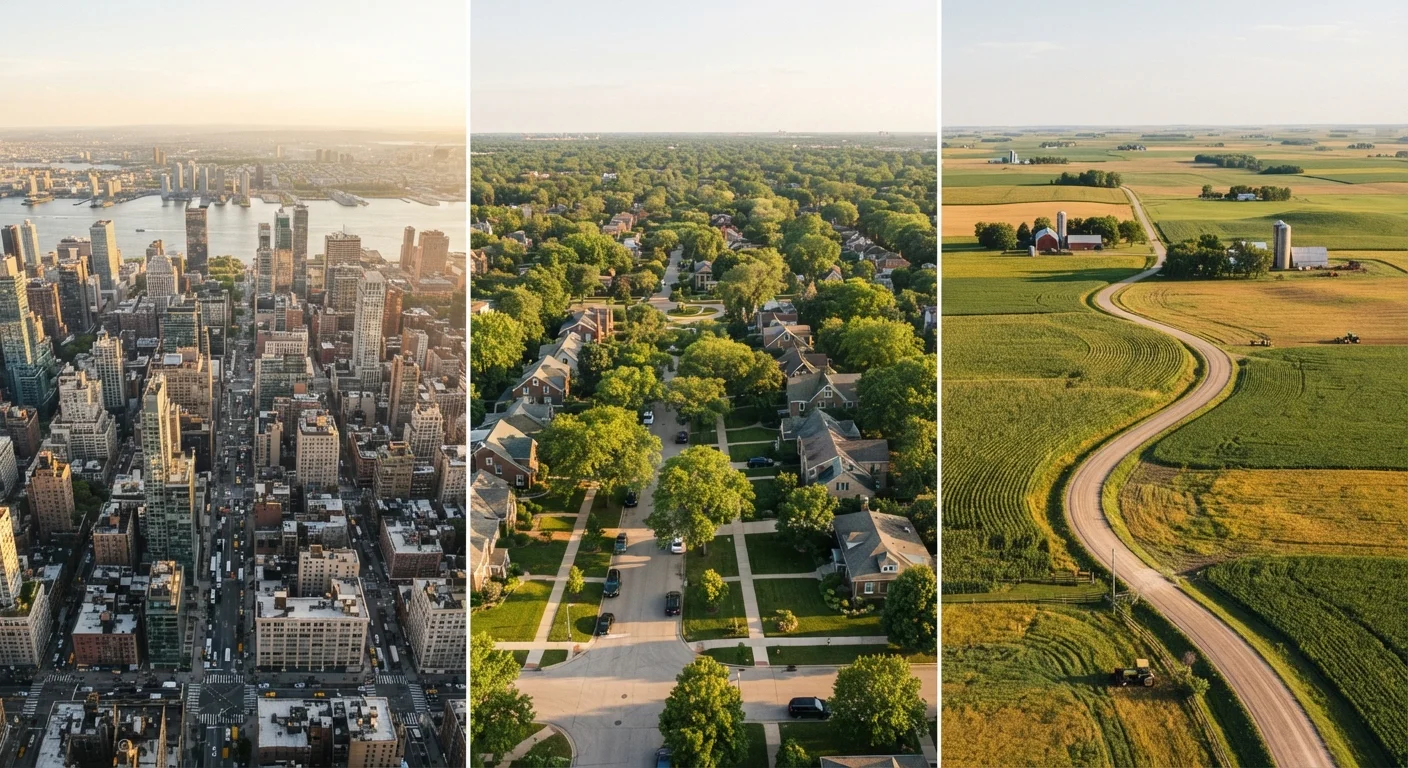
Communities with robust third places tend to show stronger civic participation and social cohesion. Geography shapes this dynamic significantly — community looks very different across urban, suburban, and rural America, and so does the availability of shared gathering spaces within each. A neighborhood with an active library, a walkable main street, or a well-maintained park is, in measurable ways, a different social environment than one without.
Small Actions That Support Third Places
You don't have to overhaul your neighborhood to make a difference. Becoming a regular — at a library, a local café, a community park — contributes to the social density that keeps those spaces alive. Bringing a neighbor along, or simply making eye contact and conversation with people you see regularly, builds the informal familiarity that third places depend on.
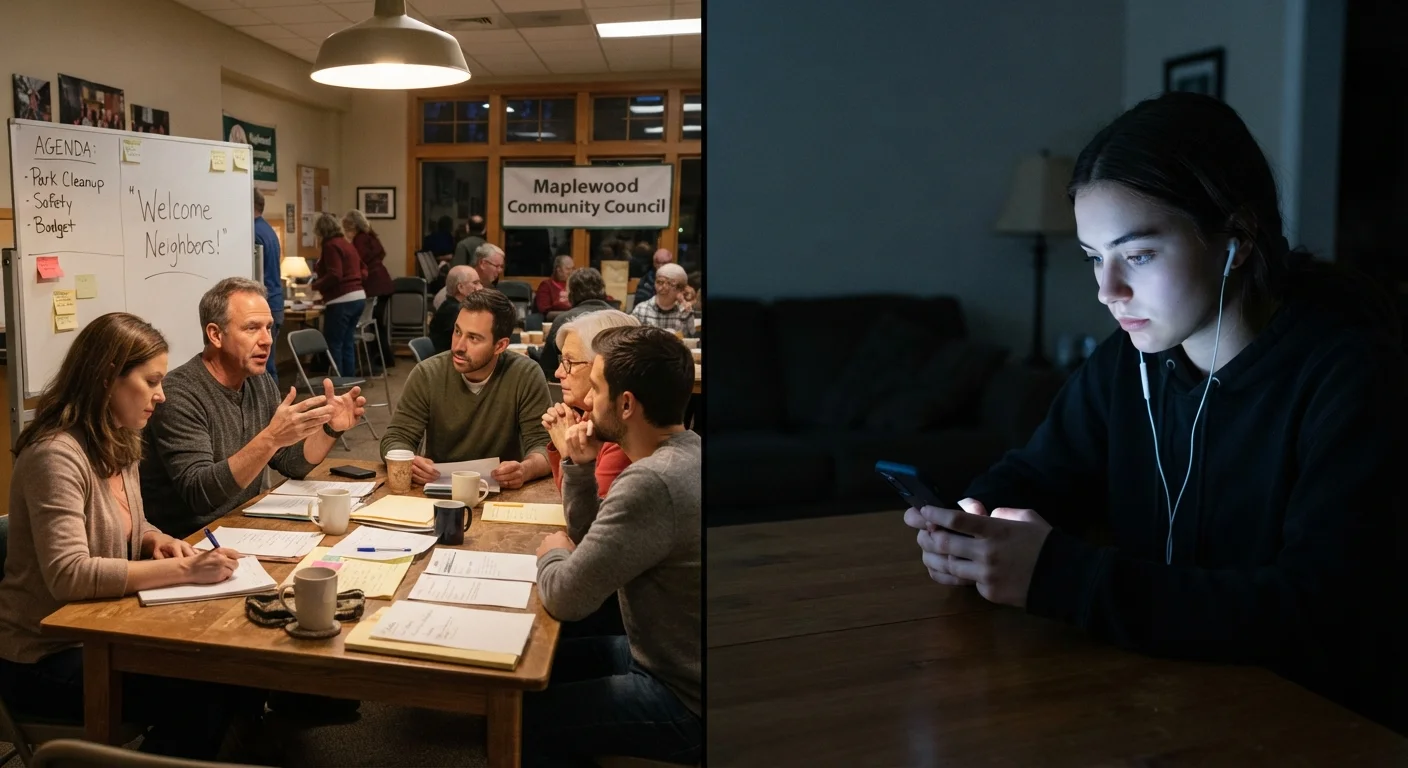
It's also worth noting what online communities can and can't do here. Digital groups have genuine value — particularly for people who are homebound, rurally isolated, or belong to communities not well-served by local physical spaces. But online communities and neighborhood associations serve social needs differently, and most research suggests that in-person third places build a distinct kind of social trust that digital interaction supplements rather than replaces.
What Can Actually Be Done
Rebuilding third places isn't primarily a personal responsibility — it requires policy choices about zoning, public investment in libraries and parks, and the kinds of walkable neighborhood design that make casual gathering possible. But individuals and communities aren't powerless either.
Patronizing independent local restaurants and cafés rather than always defaulting to delivery keeps physical gathering anchors viable. Advocating for well-funded public libraries — one of the few remaining truly free third places in most American communities — matters. And paying attention to whether your own neighborhood is functionally connected, not just residentially adjacent, is a starting point. Signs of genuine civic engagement are often visible in the small details: maintained community boards, active local organizations, neighbors who know each other's names.
Third places were never perfect. They often excluded people along lines of race, class, and gender — a history worth acknowledging honestly. But the social function they served — low-pressure, repeated, face-to-face contact across difference — remains one of the harder things to replicate. Their slow disappearance deserves more than a wistful shrug.
Third Places Weren't Always Inclusive
Historically, many celebrated third places — the corner bar, the private club, certain barbershops — were de facto segregated or unwelcoming to women, people of color, or LGBTQ+ individuals. A thoughtful conversation about reviving third places must also grapple with who was excluded from them. The goal isn't to restore an idealized past, but to build genuinely accessible gathering spaces for the full breadth of a community.