

Why the Channel Matters as Much as the Price
Secondhand shopping has grown well beyond the classic thrift store run. Today, shoppers can browse physical racks at charity shops, scroll curated listings on resale apps, or show up early on a Saturday morning to walk through a stranger's home at an estate sale. Each channel has its own logic — different pricing norms, item categories it handles well, and risks that experienced shoppers learn to navigate.
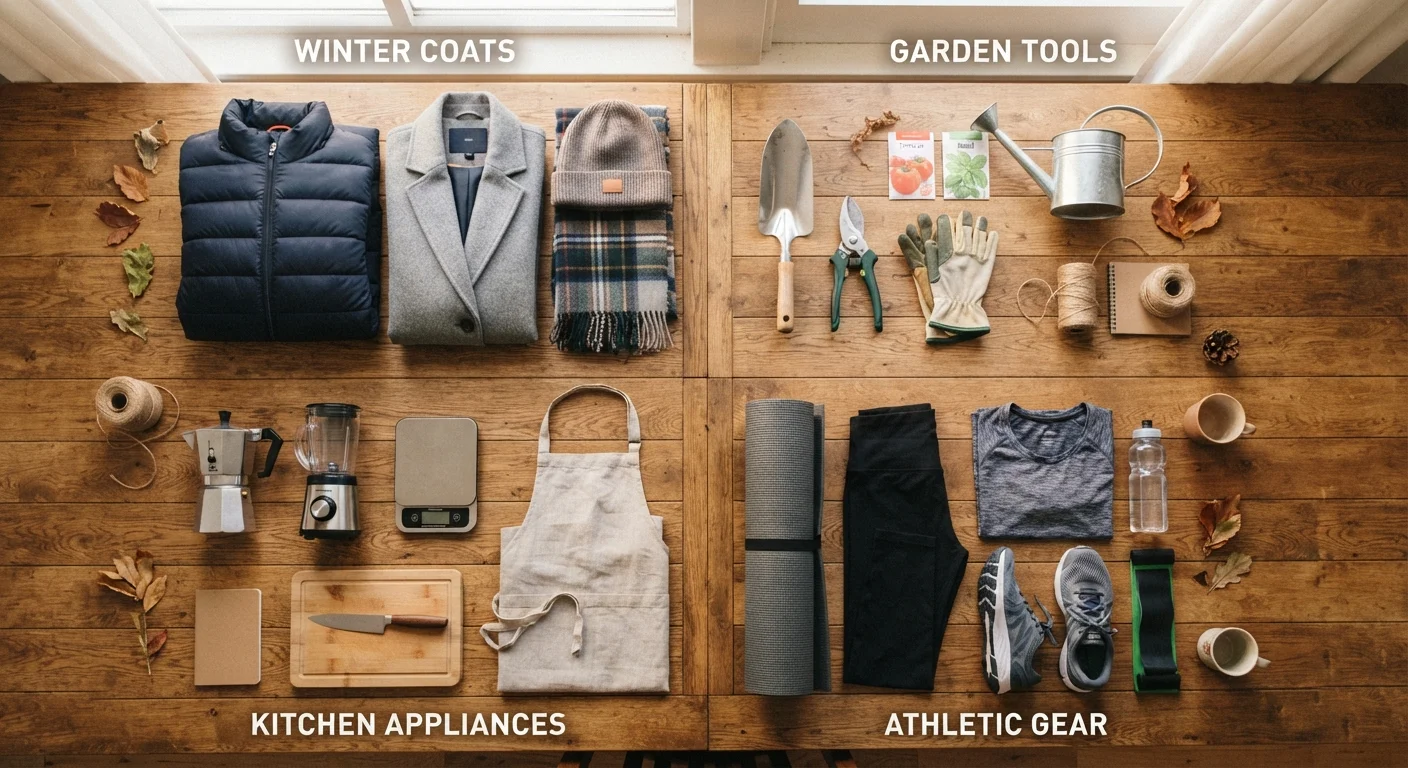
Understanding those differences helps you match your shopping strategy to what you actually need, rather than wasting a weekend on the wrong venue. As you build that strategy, it's also worth knowing how seasonal inventory shifts can affect what's available across all three channels at different times of year.
| Thrift Stores | Resale Apps | Estate Sales | |
|---|---|---|---|
| Typical price level | Low, often under $10 | Moderate; varies by seller | Moderate to high for quality items |
| Item selection | Random, broad categories | Searchable, vast inventory | Household-specific, curated |
| Quality consistency | Low — minimal vetting | Medium — depends on seller | Medium to high — older but maintained |
| Best item categories | Clothing, books, kitchenware | Clothing, electronics, collectibles | Furniture, tools, antiques |
| Return policy | Often none or very limited | Platform-dependent | Typically all sales final |
| Time investment | Low — drop in anytime | Low to browse, varies to ship | High — planning required |
Thrift Stores: High Volume, High Variability
Charity thrift stores — run by nonprofits, consignment shops, and local organizations — are the most accessible entry point into secondhand shopping. Prices are typically low, and you can walk out same-day with your find. The trade-off is unpredictability: inventory turns over constantly, quality control is minimal, and what's on the rack today may be gone tomorrow.
Thrift stores tend to shine for everyday clothing, basic kitchenware, books, and small décor. They're less reliable for electronics (where testing is often impossible in-store) or furniture (which can be difficult to transport and harder to evaluate for structural issues). Savvy thrift shoppers visit frequently and go in without a fixed list, letting the inventory guide them.
Inspect Before You Commit
At thrift stores, take a few extra minutes to check seams, zippers, hardware, and any moving parts before buying. Hold fabric up to the light to spot stains or thinning. For small appliances, ask staff if there's a way to test the item — some stores have outlets available for this purpose. A minute of inspection can save you from a purchase you'll regret.
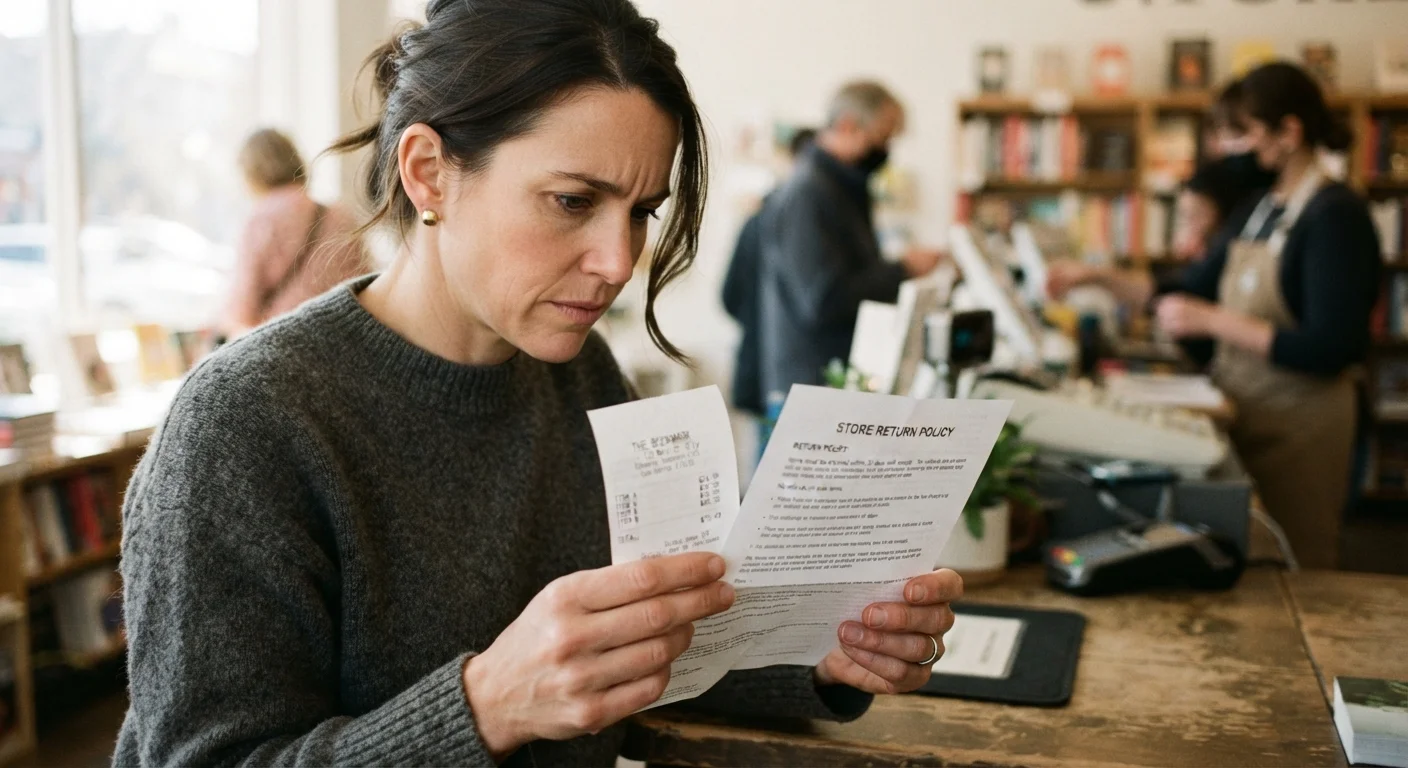
One caution: return policies at thrift stores are often limited or nonexistent. Before purchasing anything with mechanical parts or electronics, understand what the store's return terms are — or assume the sale is final.
Resale Apps: Convenience With Caveats
Online resale platforms have made it possible to search for a specific item — a particular jacket size, a discontinued appliance model, a mid-century side table — without leaving your couch. Listings typically include photos, seller ratings, and price histories, which gives buyers more information upfront than a physical thrift store can offer.
The downsides are real, though. You can't inspect the item in person before buying, shipping adds cost and delay, and disputes over condition descriptions do happen. Platforms vary in how well they mediate buyer-seller conflicts. Clothing and accessories tend to translate best to online resale because sizing and condition can be described precisely. Large furniture is harder to ship and often limited to local pickup, which narrows your options.
~$190B
Estimated U.S. resale market value
ThredUp's annual resale reports have estimated the U.S. secondhand apparel market alone at tens of billions, with broader resale categories pushing totals significantly higher.
1 in 3
Americans who bought secondhand in recent years
Consumer surveys have consistently found that a large share of U.S. adults have purchased used goods, driven by a mix of cost savings and sustainability motivations.
Resale apps also differ from subscription shopping services in an important way: you're buying one-off items rather than committing to ongoing charges. For a broader look at how curated shopping services compare, see our piece on what subscription boxes actually deliver.
Estate Sales: Quality Goods, Real Commitment Required
Estate sales liquidate the contents of an entire household — furniture, tools, linens, artwork, jewelry, and sometimes vehicles. The quality ceiling is often higher than what you'll find at thrift stores, and prices, while negotiable on the final day, can start firm or even high for desirable pieces.
Success at estate sales requires planning. Listings are typically posted several days in advance on specialized websites, and early arrival — sometimes before opening — matters for the best pieces. Cash or card acceptance varies by company, so check beforehand. The final day of a multi-day sale often brings deep discounts, but the best items are usually gone.
Estate sales are particularly strong for furniture, mid-century housewares, tools, and garden items. If you're furnishing a new home with secondhand pieces, they're often worth the extra legwork — and once you've made those finds, pulling those pieces into a cohesive look is its own skill worth developing.
This article is for general informational purposes only. Prices, platform terms, and sale conditions vary widely and change over time. Verify details directly with sellers or platforms before purchasing.