

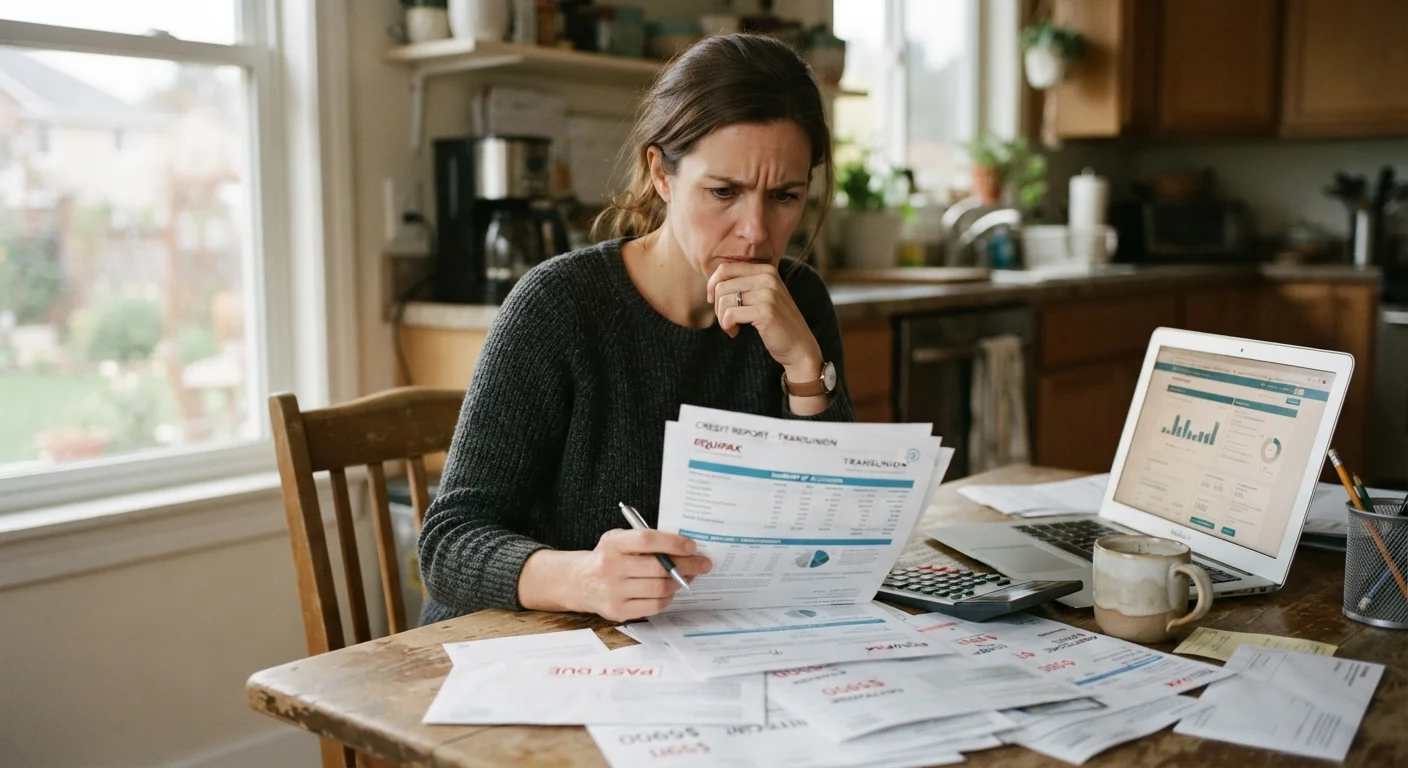
Credit Damage Often Comes from the Unexpected
Most people know that missing a credit card payment is bad for their credit. What catches people off guard are the subtle, everyday decisions — canceling a card, co-signing for a family member, ignoring a small bill — that quietly erode a score they've worked to build.
Credit scores are calculated using several factors: payment history, credit utilization (the share of available credit you're using), length of credit history, credit mix, and new credit inquiries. When you understand what each factor measures, it becomes easier to see how ordinary-seeming actions can trip more than one of them at once.
This article walks through the most common ways people accidentally damage their credit, so you can make more informed choices. It is general educational information, not personalized financial advice — consult a qualified financial professional for guidance specific to your situation.
Closing a Credit Card You No Longer Use
It seems logical: if you're not using a card, why keep it open? But closing a credit card can hurt your score in two ways at once. First, it removes that card's available credit limit from your total, which instantly raises your credit utilization ratio. Second, if it's an older account, closing it can shorten your average credit history length — another factor in your score.
Our article on credit utilization and why it shifts so quickly explains in detail how even a small change in available credit can move your score within a single billing cycle. If a card carries no annual fee, keeping it open and occasionally making a small purchase is often the safer approach.
Closing an unused card removes available credit and can shorten your history in one move.
Co-Signing a Loan Without Understanding the Risk
When you co-sign a loan — for a child, sibling, or friend — you are legally equally responsible for that debt. If the primary borrower misses a payment, that missed payment appears on your credit report, not just theirs. You have limited control over what the borrower does but full exposure to the consequences.
The loan also appears on your credit report as an open liability, which can affect your debt-to-income ratio if you later apply for credit yourself. Co-signing is a significant commitment that warrants a careful, honest conversation about the borrower's financial reliability before you agree.
When a co-signed borrower misses a payment, your credit score absorbs the damage too.
Ignoring a Medical Bill That Gets Sent to Collections
Unpaid medical bills don't automatically appear on your credit report — but once a provider sends the account to a collections agency, it can. Collection accounts are serious negative marks that can stay on a credit report for up to seven years.
The tricky part is that people often don't realize a bill was sent to collections because billing notices go to an old address or get overlooked among junk mail. Checking your credit report regularly through AnnualCreditReport.com can help you catch this early. Our guide on reading your credit report without getting lost explains how to find collections entries and what steps you can take when you spot one.
Medical bills can quietly enter collections and damage your credit before you know it happened.
Applying for Several Credit Accounts in a Short Period
Each time a lender reviews your credit as part of a formal application — whether for a credit card, auto loan, or personal loan — it generates a hard inquiry on your report. One hard inquiry typically causes a minor, temporary score dip. But several inquiries in a short window can signal financial stress to lenders and compound the effect.
Rate shopping for a mortgage or auto loan is treated differently by most scoring models: multiple inquiries for the same loan type within a short span (often 14–45 days depending on the model) are typically counted as a single inquiry. Credit card applications, however, do not receive this grouping treatment.
Multiple credit card applications in a short window stack up as separate hard inquiries on your report.
Letting a Small Non-Credit Bill Slip into Collections
A gym membership, a library fine, a cell phone bill, or an overdue utility account — none of these are traditional credit products, but all of them can end up as collections entries on your credit report if left unpaid long enough. Many people assume that only bank and credit card debts affect their scores, but collection agencies purchase debt from a wide range of businesses.
The damage from a collections entry is disproportionate to the size of the original balance. A $40 unpaid gym fee that goes to collections can cause a significant score drop — the same drop you'd see from a much larger debt. Setting up automatic payments or calendar reminders for recurring bills is one of the simplest ways to prevent this.
A small unpaid gym or utility bill can trigger a collections entry that damages your score significantly.
Maxing Out a Card Even If You Pay It Off Monthly
Many responsible cardholders pay their balance in full each month — and rightly so. But if your balance is high when the statement closes (the date the issuer reports to credit bureaus), your utilization ratio will appear high even if you never carry debt. Credit scores are generally calculated using the balance reported on your statement date, not your balance after payment.
If you regularly charge a large portion of your credit limit, consider paying down the balance before your statement closing date, or asking your issuer about a credit limit increase. Either approach can keep reported utilization lower without changing your actual spending habits. This is covered in more depth in our piece on credit utilization and how it's calculated.
Your reported balance on statement close date determines utilization — not what you pay afterward.
Protecting the Score You've Built
Good credit isn't the result of one smart move; it's the product of many small, consistent choices over time. Understanding what can go wrong puts you in a much stronger position to avoid unpleasant surprises. If you want to go deeper, our guide on responsible credit habits that hold up over time covers the steady behaviors that produce durable, healthy scores.
Before making any significant credit decision — opening an account, closing one, co-signing, or applying for a loan — it's also worth running through a self-check list before applying for new credit to make sure you're prepared. Small pauses for reflection can prevent months of recovery work.
Check Your Credit Report Regularly
You're entitled to free credit reports from all three major bureaus through AnnualCreditReport.com. Reviewing your report at least once a year — or more frequently if you're actively managing credit — helps you catch errors, collections entries, and unfamiliar accounts before they cause lasting harm. Disputing inaccurate information is your right under federal law.
This article is for general informational and educational purposes only and does not constitute personalized financial or legal advice. Consult a licensed financial professional before making decisions about your credit or debt.