

How Credit Utilization Is Calculated
Credit utilization is straightforward math, but its effects are anything but trivial. The basic formula is:
Utilization % = (Total Balances ÷ Total Credit Limits) × 100
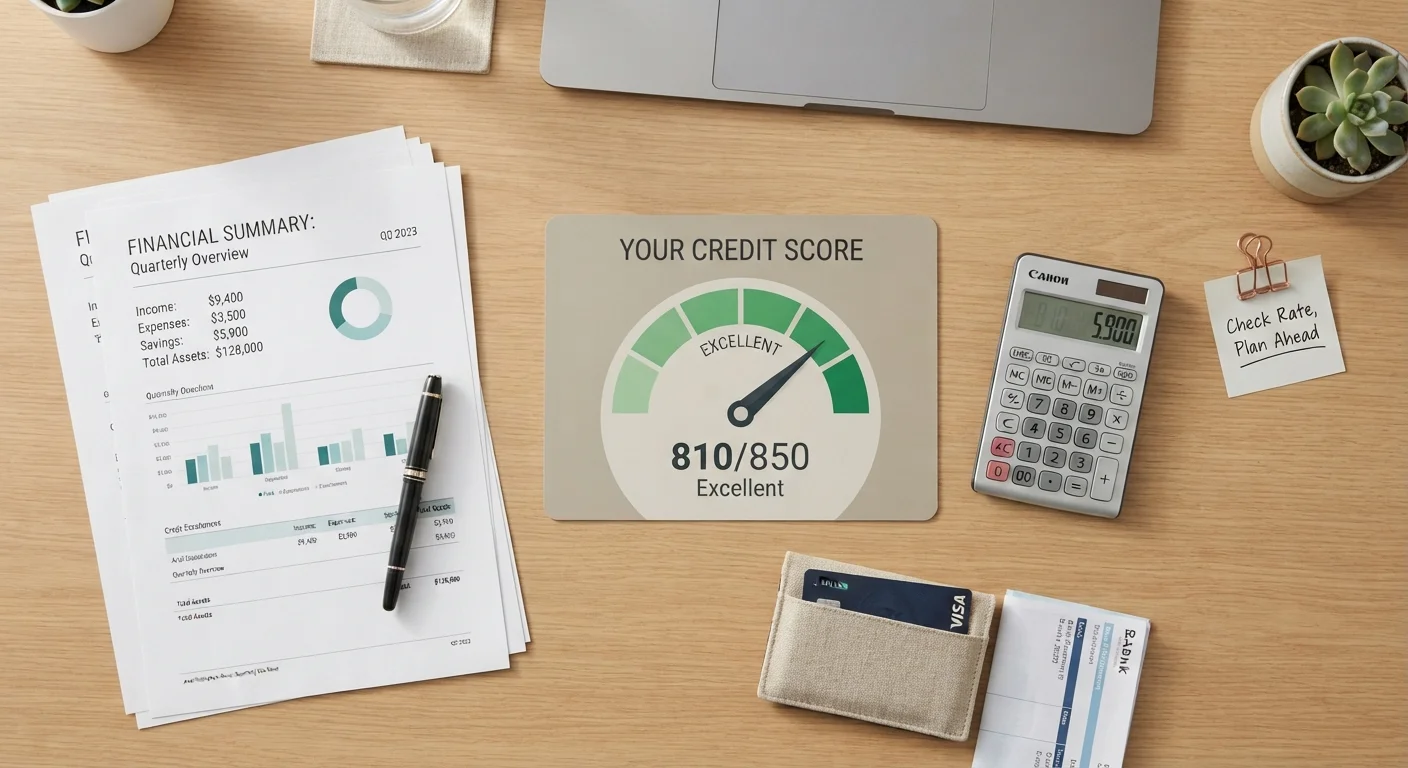
If you carry a $500 balance on a card with a $2,000 limit and a $1,500 balance on a card with a $3,000 limit, your aggregate utilization is $2,000 ÷ $5,000, or 40%. That single number plays a significant role in your overall credit score — according to FICO's published scoring framework, the "amounts owed" category, which is dominated by utilization, represents roughly 30% of a score.
Importantly, scoring models look at both your overall utilization and the utilization on each individual card. A card maxed out to 90% can hurt your score even if your aggregate utilization looks reasonable. To understand how this fits into the broader picture, see the five factors that drive your credit score.
~30%
Share of FICO score tied to amounts owed
According to FICO's published scoring model breakdown, 'amounts owed' — heavily influenced by utilization — is the second-largest scoring category.
<30%
Commonly cited utilization guideline
Many financial educators and credit counselors suggest keeping utilization below 30%, though lower ratios are generally associated with higher scores.
1×/month
How often most issuers report to bureaus
Most credit card issuers report balance and limit data to the major credit bureaus approximately once per monthly billing cycle.
Why Utilization Shifts So Quickly
Unlike payment history — where a late payment can linger for seven years — credit utilization is recalculated fresh every time your card issuer reports your balance to the credit bureaus. Most issuers report once a month, typically around the statement closing date. That means a large purchase made on Wednesday can raise your utilization and lower your score within days of your statement closing, while a payoff made before that same closing date can have the opposite effect almost immediately.
This volatility is actually good news for consumers who understand it. There's no "memory" baked into utilization — last month's high balance doesn't follow you if you've since paid it down. When a balance drops, the score impact tends to reverse quickly. Responsible credit habits that hold up over time build on this dynamic: consistent low balances create a consistently favorable utilization picture month after month.
Know Your Statement Closing Date
Your credit card's statement closing date — not the payment due date — is typically when your issuer reports your balance to the credit bureaus. Paying down your balance before this date, rather than simply before the due date, can lower the utilization figure that gets reported and may produce a faster score improvement.
Common Actions That Shift Utilization Unexpectedly
Several everyday financial moves can change your utilization ratio in ways that catch people off guard:
- Closing a card: Removing a card's credit limit from your total available credit raises utilization on remaining balances. Many people damage their credit without realizing it by canceling cards they no longer use.
- Opening a new card: This adds available credit, which can lower utilization — but it also involves a hard inquiry. See hard inquiries vs. soft inquiries for how that affects your score separately.
- A lender reducing your credit limit: If your issuer lowers your limit without you spending more, your utilization rises automatically.
- Large one-time purchases: A vacation or appliance purchase charged to a card can temporarily spike utilization, even if you intend to pay the full balance when due.
For a deeper look at how these dynamics interact with your overall score, Credit Scores Decoded explains what the numbers actually mean across different scoring tiers.
Utilization Doesn't Have Long-Term Memory
Unlike a missed payment, high utilization from one month doesn't leave a lasting mark once it's corrected. If your utilization spikes due to a large purchase and you pay it down the following month, the negative score impact typically reverses at the next reporting cycle. This makes utilization one of the most responsive levers available to consumers who want to improve their score relatively quickly.
Practical Ways to Manage Your Utilization
Managing utilization doesn't require carrying zero balances at all times — it requires awareness of timing and credit limits. A few approaches people commonly use:
- Pay before your statement closes: Since most issuers report your balance on the statement closing date, paying down before that date reduces what gets reported, regardless of your due date.
- Request a credit limit increase: A higher limit on existing cards lowers utilization mathematically, as long as spending stays the same. Note that some issuers perform a hard inquiry for this request.
- Spread spending across multiple cards: Rather than loading one card to 70% while another sits empty, distributing balances more evenly keeps per-card utilization lower.
- Monitor reported balances, not just due dates: Your score reflects reported balances, not real-time spending. Knowing your statement closing date is as important as knowing your payment due date.
This article is for general informational and educational purposes only and does not constitute personalized financial advice. Consult a qualified financial professional before making decisions about your credit or financial situation.