
The Score Ranges and What Each Tier Means
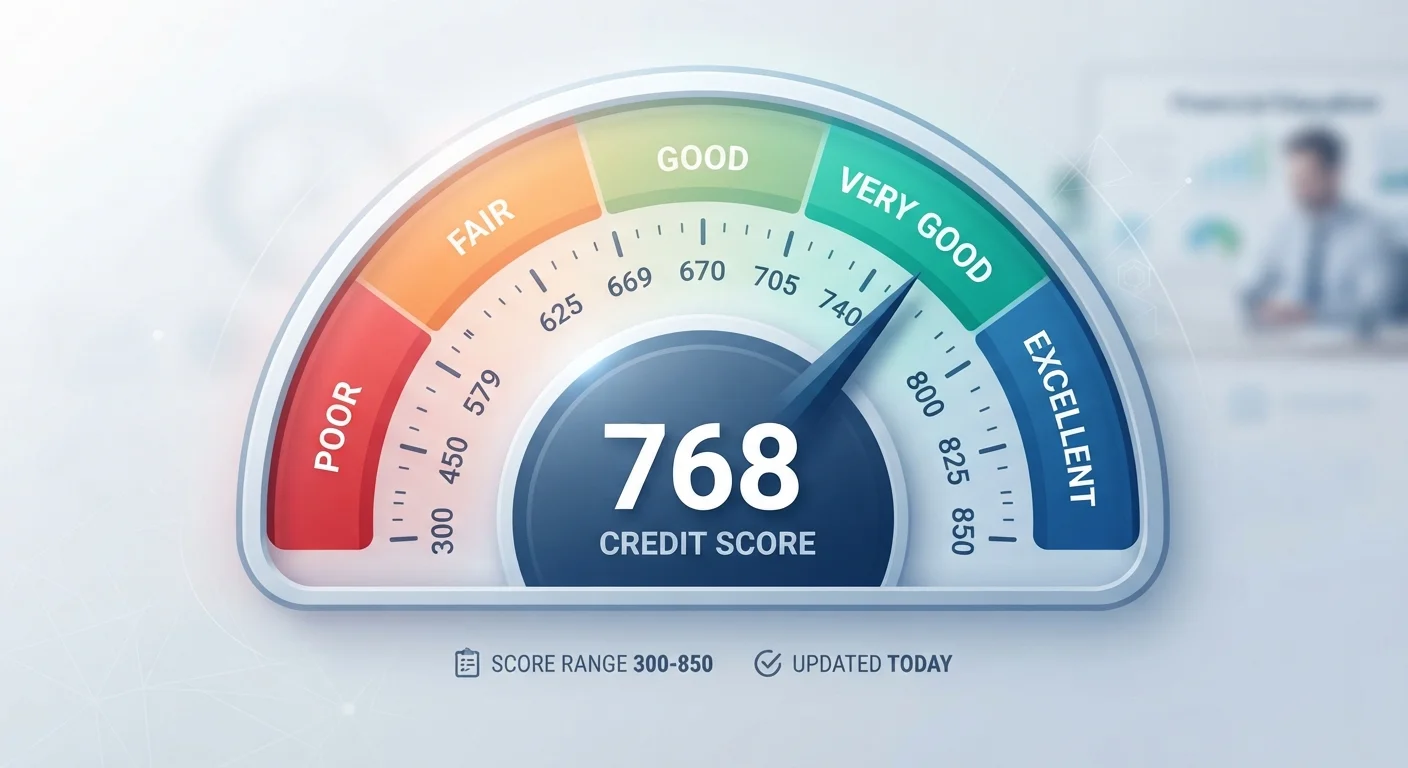
Credit scores don't exist in a vacuum — they're sorted into tiers that lenders use to quickly categorize borrowers. Under the FICO model, those tiers look like this:
| Score Range | Category | What It Typically Means |
|---|---|---|
| 800–850 | Exceptional | Qualifies for the most favorable rates and terms |
| 740–799 | Very Good | Strong approval odds; competitive offers |
| 670–739 | Good | Approved for most products; rates may not be optimal |
| 580–669 | Fair | Approval possible; higher interest rates likely |
| 300–579 | Poor | Limited access to credit; secured products or denial common |
Each step up the ladder can translate to real dollar savings. A borrower in the "exceptional" range on a 30-year mortgage may pay a meaningfully lower interest rate than a borrower in the "fair" range — a difference that compounds into tens of thousands of dollars over the life of the loan.
716
Average U.S. FICO Score
According to FICO's published data, the average American FICO Score has hovered in the 'good' range in recent years.
~23%
Americans with scores below 600
Data from the Consumer Financial Protection Bureau (CFPB) suggests roughly one in five Americans has limited or subprime credit, affecting their access to affordable credit.
35%
Weight of payment history in FICO score
Payment history is the single largest component of a FICO score, according to FICO's published scoring framework.
What the Number Is Actually Measuring
A credit score is not a judgment of your character — it's a statistical prediction of how likely you are to miss a payment by 90 days or more in the next 24 months. Every element of the formula relates back to that question.
The five core factors that feed into a FICO score are payment history, credit utilization (the share of your available credit you're currently using), length of credit history, credit mix, and new credit inquiries. Payment history carries the most weight, followed closely by utilization. Together they account for roughly two-thirds of your score. Our in-depth look at the five factors that drive your credit score breaks down the exact weighting of each.
Credit utilization deserves special attention because it's one of the fastest-moving parts of your score. A high balance on a revolving account can suppress your score significantly — and paying it down can lift the score within weeks. Learn more about how credit utilization is calculated and why it shifts so quickly.
Keep Utilization Below 30% as a Rule of Thumb
Most credit experts suggest keeping your credit utilization — the percentage of your available revolving credit you're using — below 30% on each card and overall. Borrowers with the highest scores often keep it well under that. Paying balances in full each month is the most reliable way to achieve this.
Why Lenders — and Others — Care So Much
For a lender, your credit score is the fastest way to estimate risk before reviewing any other details. A score in the "good" or better range signals that you've consistently honored past obligations, which is the strongest predictor available that you'll do so again.
But lenders aren't the only audience. Landlords routinely pull credit reports to assess whether a prospective tenant is likely to pay rent reliably. In most states, auto and homeowners insurers are permitted to use credit-based insurance scores as one factor in calculating premiums — a detail explored further in our article on what goes into your car insurance premium.
Understanding the information that underlies your score is equally important. Your score is calculated from your credit report, which may contain errors. Knowing how to read that document is a practical skill — our guide to reading your credit report without getting lost walks through the key sections.
The habits that protect a score aren't dramatic one-time actions. They're small, consistent behaviors: paying on time, keeping balances reasonable, and avoiding unnecessary applications for new credit. For a practical framework, see our piece on responsible credit habits that hold up over time.
This article is for general informational and educational purposes only and does not constitute personalized financial or legal advice. Consult a qualified financial professional for guidance specific to your situation.