
Why Your Credit Score Is Broken Into Five Parts
Your credit score isn't a single judgment — it's a weighted formula made up of five distinct categories. The most widely used scoring model, FICO, weights each factor differently, meaning some habits matter far more than others. Understanding what goes into the formula lets you focus your energy where it actually counts.
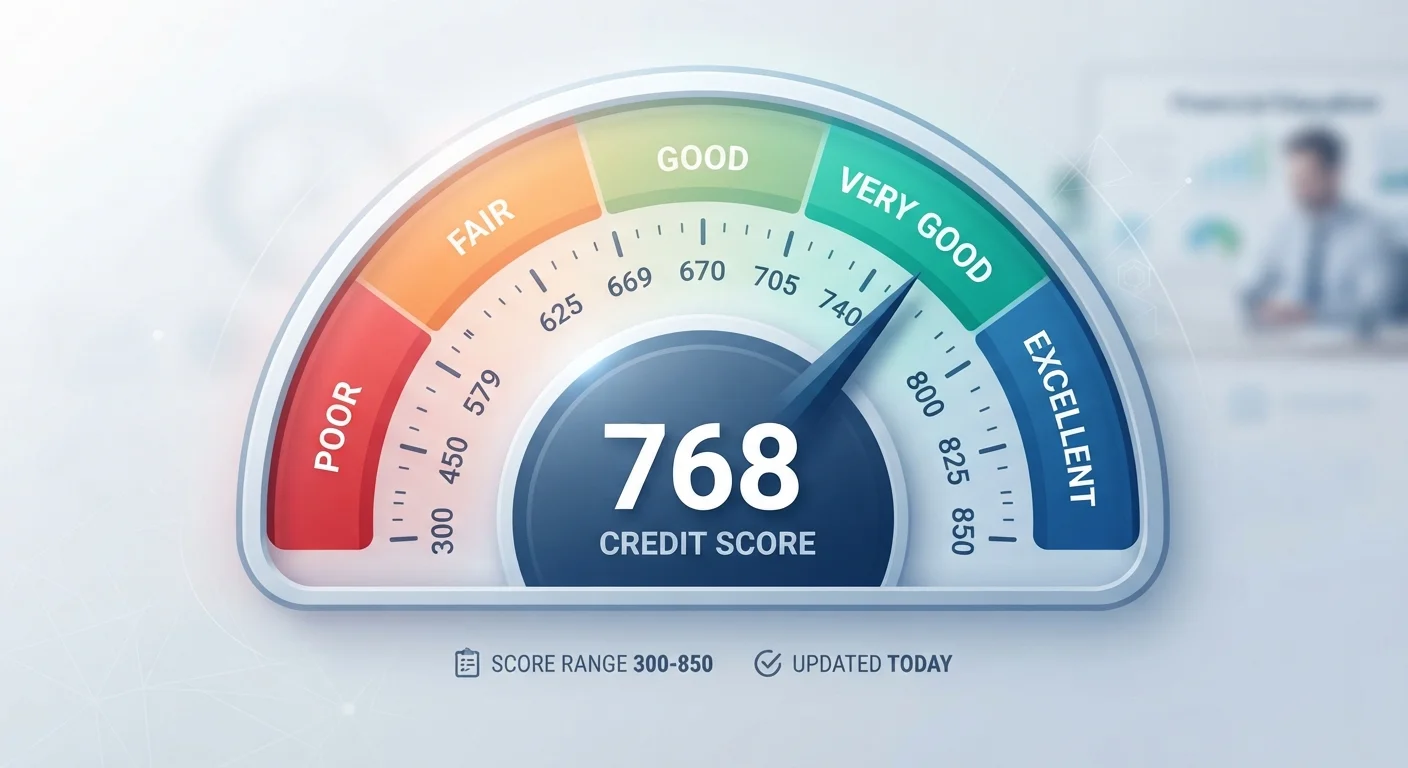
For a fuller picture of what different score ranges mean to lenders, see our plain-language breakdown of credit score ranges.
| Payment History Weight | 35% of FICO score (FICO scoring model) |
| Amounts Owed (Utilization) Weight | 30% of FICO score (FICO scoring model) |
| Length of Credit History Weight | 15% of FICO score (FICO scoring model) |
| Credit Mix Weight | 10% of FICO score (FICO scoring model) |
| New Credit (Hard Inquiries) Weight | 10% of FICO score (FICO scoring model) |
| Combined Weight of Top Two Factors | 65% (Payment history + amounts owed) |
The Five Factors, Explained
1. Payment History — 35%
The single largest factor. Lenders want to know whether you pay on time. Every on-time payment works in your favor; late payments, collections, and bankruptcies leave marks that can take years to fade. Even one missed payment can cause a noticeable drop, especially on an otherwise clean file.
2. Amounts Owed (Credit Utilization) — 30%
This measures how much of your available revolving credit — primarily credit cards — you're currently using. A balance of $3,000 on a $10,000 limit equals 30% utilization. Lower is generally better, and many credit counselors suggest staying under 30% as a rough guideline, though the relationship isn't a hard cliff. To understand exactly how quickly this number can move, read our article on how credit utilization is calculated and what levels matter.
3. Length of Credit History — 15%
Older accounts signal reliability. This factor considers the age of your oldest account, your newest account, and the average age of all accounts. Closing old cards can shorten your average history, which is one reason long-standing accounts often carry value beyond their credit limit.
4. Credit Mix — 10%
Lenders like to see that you can manage different types of credit responsibly — revolving accounts like credit cards alongside installment loans like auto loans or student loans. You don't need every type; a thin but well-managed file can still score well. This factor simply rewards demonstrated versatility.
3. New Credit (Hard Inquiries) — 10%
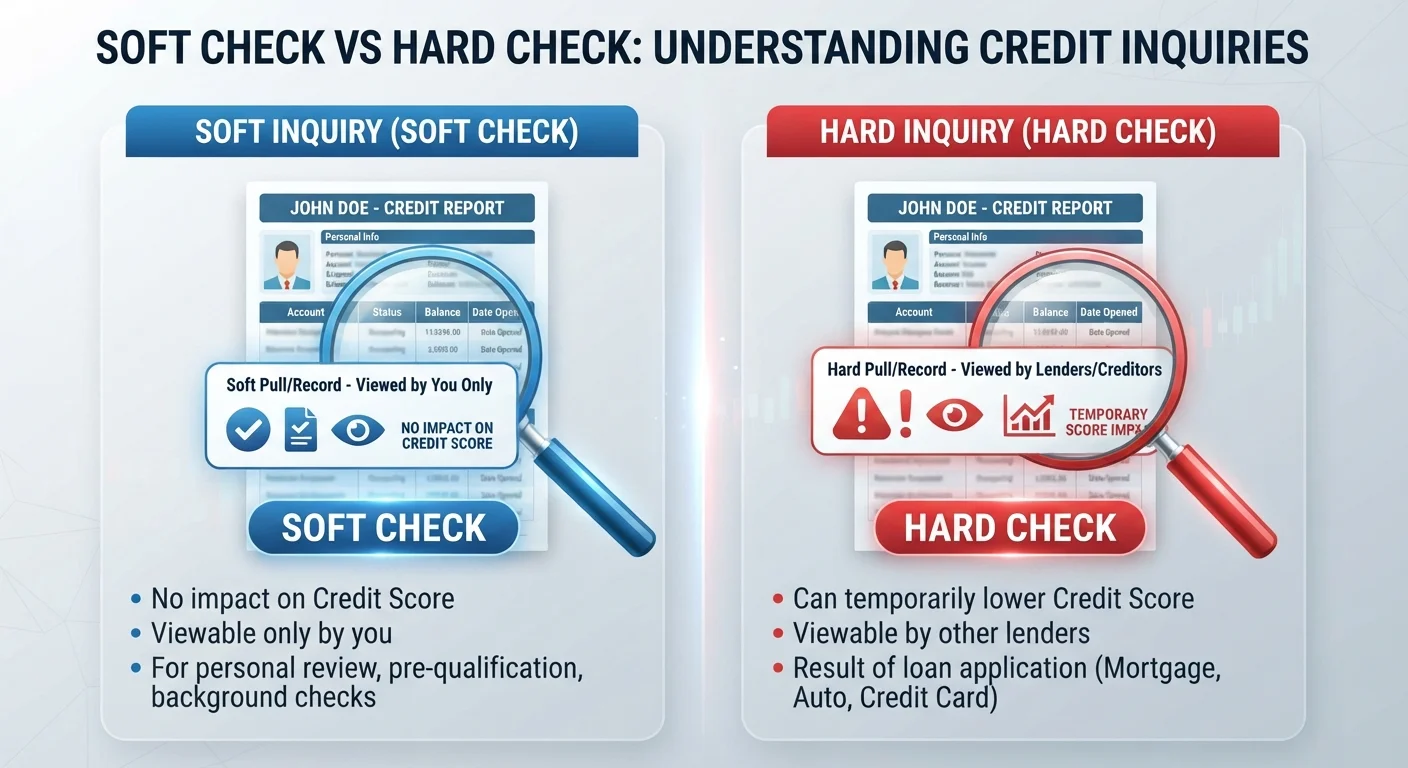
Every time you formally apply for credit, a hard inquiry is placed on your report and can nudge your score down slightly — typically by a few points. Multiple applications in a short window can signal financial stress to lenders. Our guide to hard vs. soft inquiries explains when a credit check actually affects your score and when it doesn't.
Credit Utilization
The percentage of your total available revolving credit that you're currently using. It's calculated by dividing your combined balances by your combined credit limits across all revolving accounts.
Hard Inquiry
A formal review of your credit report triggered when you apply for a new loan or credit card. Hard inquiries are visible to other lenders and can temporarily reduce your score by a small amount.
Payment History
A record of whether you've paid your accounts on time. It's the most heavily weighted factor in most credit scoring models, reflecting the consistency of your debt repayment behavior.
Credit Mix
The variety of credit account types on your report — such as credit cards, auto loans, mortgages, and student loans. A diverse mix can positively influence your score, though it accounts for a relatively small portion of the total.
Length of Credit History
A measure of how long your credit accounts have been open, including the age of your oldest account, newest account, and overall average. Longer histories generally benefit your score.
Putting It Into Practice
Because payment history and utilization together account for 65% of your score, those two areas deserve the most attention. Setting up autopay for at least the minimum due eliminates accidental late payments. Paying down revolving balances — or spreading them across cards — can lower your overall utilization relatively quickly.
Length of history and credit mix reward patience more than active management. Leaving older accounts open and avoiding unnecessary new applications tends to keep those factors stable. Check your credit report for accuracy at least once a year, since errors in any of these categories can drag your score down unfairly.
For habits that reinforce all five factors over time, see our guide to responsible credit habits that hold up over time.
This article is for general informational and educational purposes only and does not constitute personalized financial or legal advice. Consult a licensed financial professional for guidance specific to your situation.