
What Depreciation Actually Means for Car Owners
Most drivers know that cars lose value over time, but few stop to calculate what that actually costs them. Depreciation is not a fee that appears on a monthly statement — it is a silent, continuous reduction in your vehicle's worth. As part of the true cost of owning a car, depreciation deserves as much attention as your loan payment or insurance premium.
The steepest drop happens earliest. Industry data consistently shows that new vehicles lose a substantial portion of their value in the first 12 months — estimates typically range from 15% to 25%, depending on the vehicle. By the end of five years, a car may be worth only 40–60% of its original price. The exact rate varies, but the direction never does.
15–25%
New car value lost in first year
Industry estimates consistently show this range for typical new vehicle first-year depreciation, with some models depreciating even faster.
~40–60%
Value retained after five years
On average, a vehicle is worth less than half of its original purchase price five years after purchase, though high-demand models can retain more.
#1
Largest cost of new car ownership
Automotive financial analysts frequently cite depreciation as the single biggest expense of owning a new vehicle over a standard five-year period.
Why the First Drive Triggers the Biggest Drop
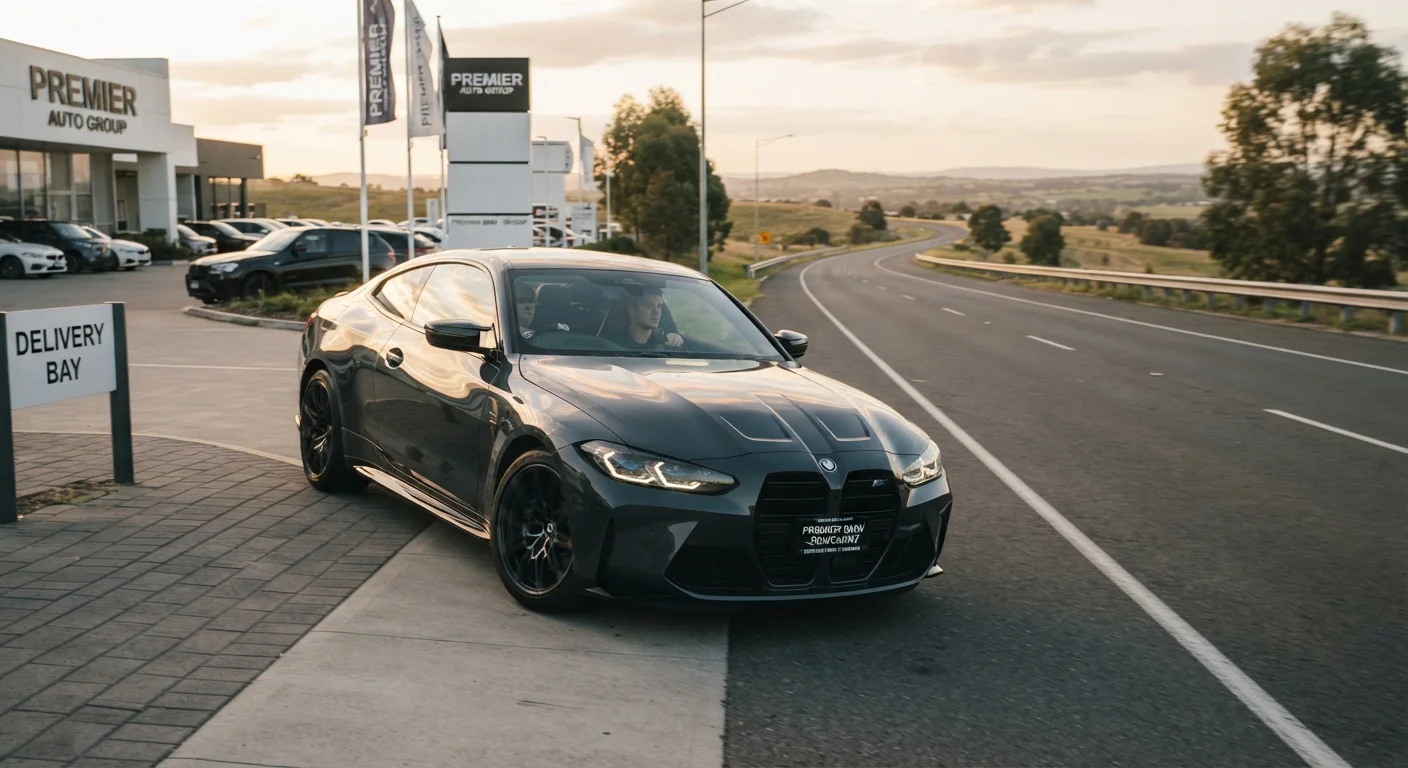
The moment a vehicle is sold and driven away, it shifts from "new" to "used" in the eyes of the market. That reclassification alone creates an immediate gap between what you paid and what any buyer would now offer. Dealers must account for reconditioning, certification, and profit margin if they were to resell it — so a car you paid $40,000 for could be worth $34,000 or less the same afternoon.
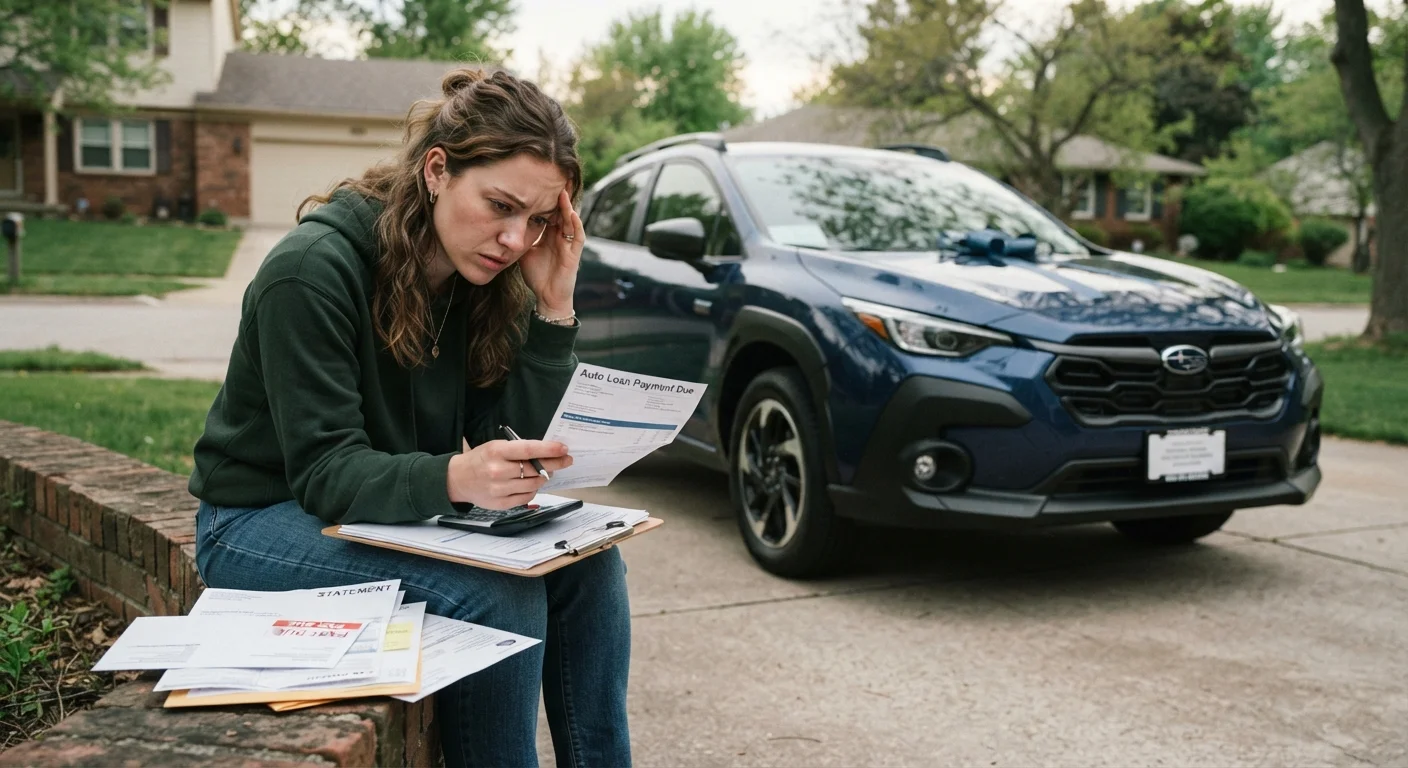
This front-loaded depreciation curve is why first-time car owners often feel the financial sting most acutely. Many finance a vehicle for its full purchase price, then discover their loan balance quickly exceeds the car's actual market value — a situation commonly called being "underwater" or "upside down" on the loan.
Check Your Equity Position Early
If you financed a new vehicle, compare your current loan balance against its current market value at least once a year. Knowing whether you are underwater helps you make informed decisions about refinancing, selling, or adding GAP insurance — which covers the difference between your loan balance and the car's actual value in a total-loss situation.
Key Factors That Determine How Fast a Vehicle Loses Value
Depreciation is not uniform across all vehicles. Several factors shape the rate:
- Mileage: Higher annual mileage accelerates value loss. Most depreciation guides benchmark around 12,000–15,000 miles per year; exceeding that noticeably reduces resale value.
- Brand and model reputation: Vehicles with established records for reliability and low running costs tend to hold value better in the used market.
- Condition: Paint, interior wear, mechanical condition, and service history all influence what a buyer is willing to pay.
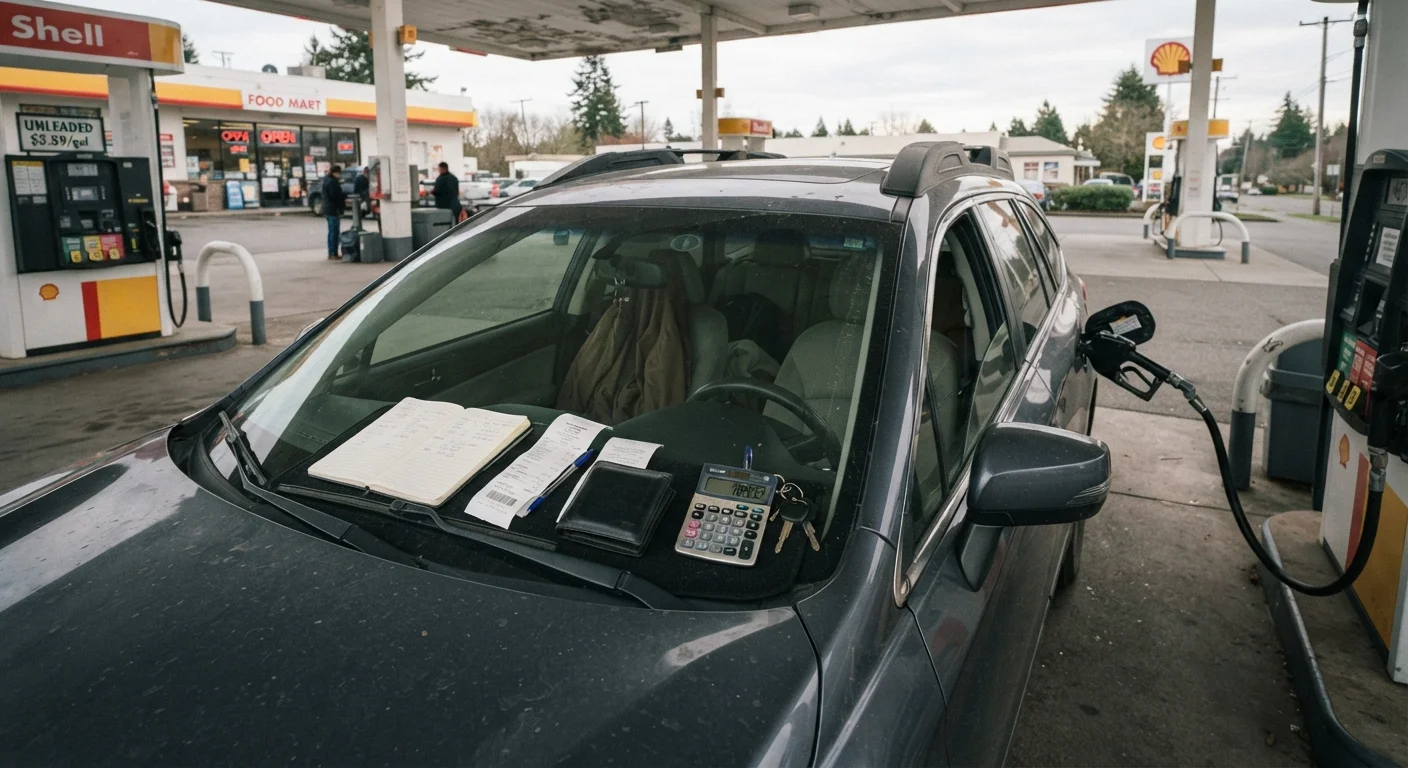
- Market demand: Supply and demand affect used car prices just as they do any other market. Fuel prices, for instance, can shift demand toward or away from trucks and larger SUVs relatively quickly.
- Color and configuration: Less common colors or heavily customized trims can narrow the pool of interested buyers, softening resale value.
Making Smarter Ownership Decisions With Depreciation in Mind
Understanding depreciation does not mean you should never buy a new car — it means you should factor it into your full ownership calculation. One common strategy is purchasing a vehicle that is one to three years old, allowing the original owner to absorb the steepest part of the curve while you still get a vehicle with relatively low mileage and modern features.
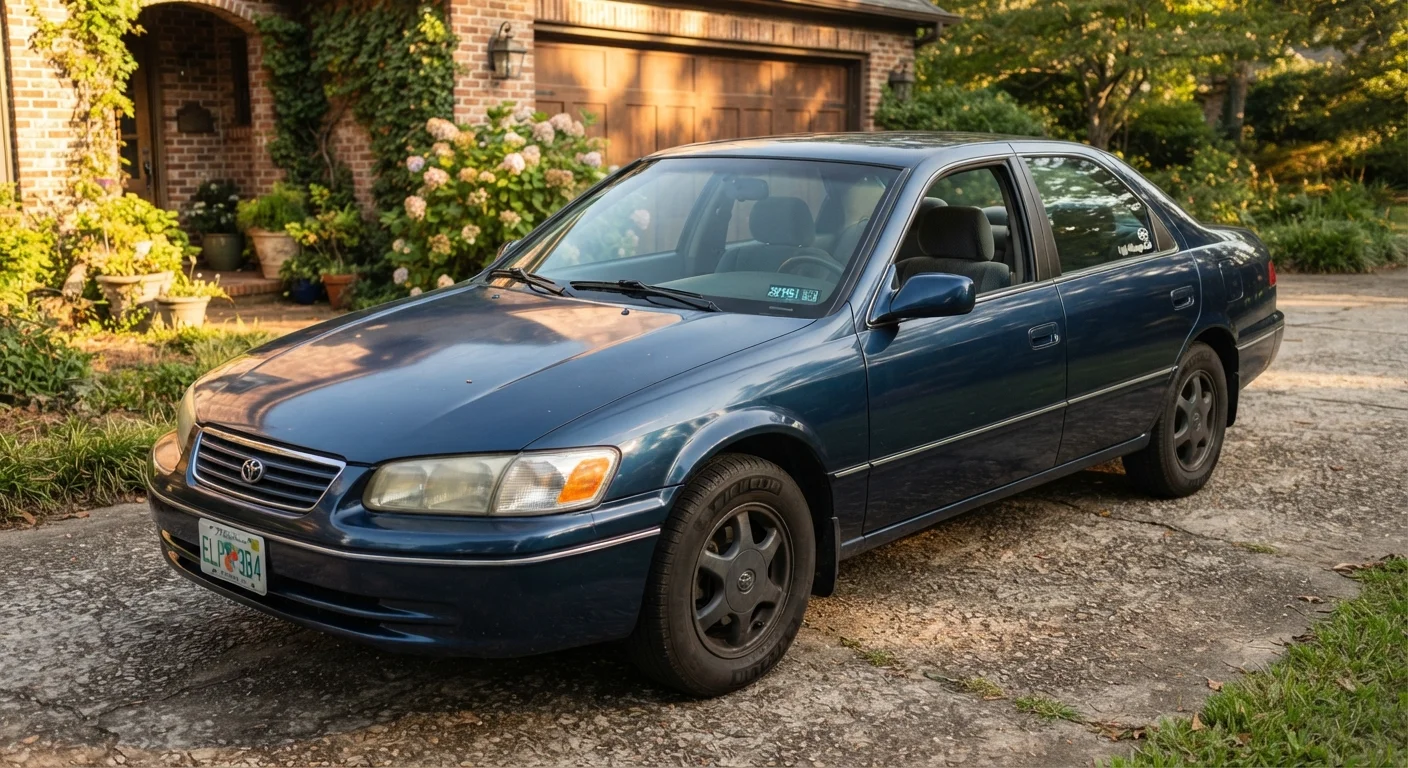
For those who do buy new, keeping a vehicle long-term is one of the most effective ways to reduce depreciation's per-year impact. Once a vehicle is largely depreciated, the annual cost of value loss drops considerably — and the vehicle continues to serve a practical purpose. See everything involved in owning a car long-term for a detailed look at what sustained ownership entails.
“Depreciation is the most expensive part of owning a new car for most people — it's just invisible because it doesn't show up as a monthly bill.”
— Automotive Financial Analysts, Consumer vehicle cost researchers