
Why the Sticker Price Is Only the Starting Point
Walk onto any car lot and the number that commands attention is the sticker price. But for most American drivers, that figure represents only a fraction of what the vehicle will ultimately cost. The moment a car is purchased, a cascade of ongoing expenses begins — many predictable, some less so.
Automotive research organizations consistently find that drivers underestimate ownership costs by thousands of dollars per year. That gap between perceived and actual cost is where financial stress often enters the picture. A realistic budget for vehicle ownership needs to account for every line item, not just the monthly loan payment.
$10,000+
Average annual new vehicle ownership cost
AAA's annual Your Driving Costs study consistently estimates total new vehicle ownership expenses, including depreciation, fuel, insurance, and maintenance, exceed $10,000 per year.
~49%
Average 5-year depreciation for new vehicles
Industry data indicates new vehicles lose roughly half their original value over a five-year ownership period, though rates vary significantly by make, model, and market conditions.
$2,000–$3,500
Typical annual fuel cost for average driver
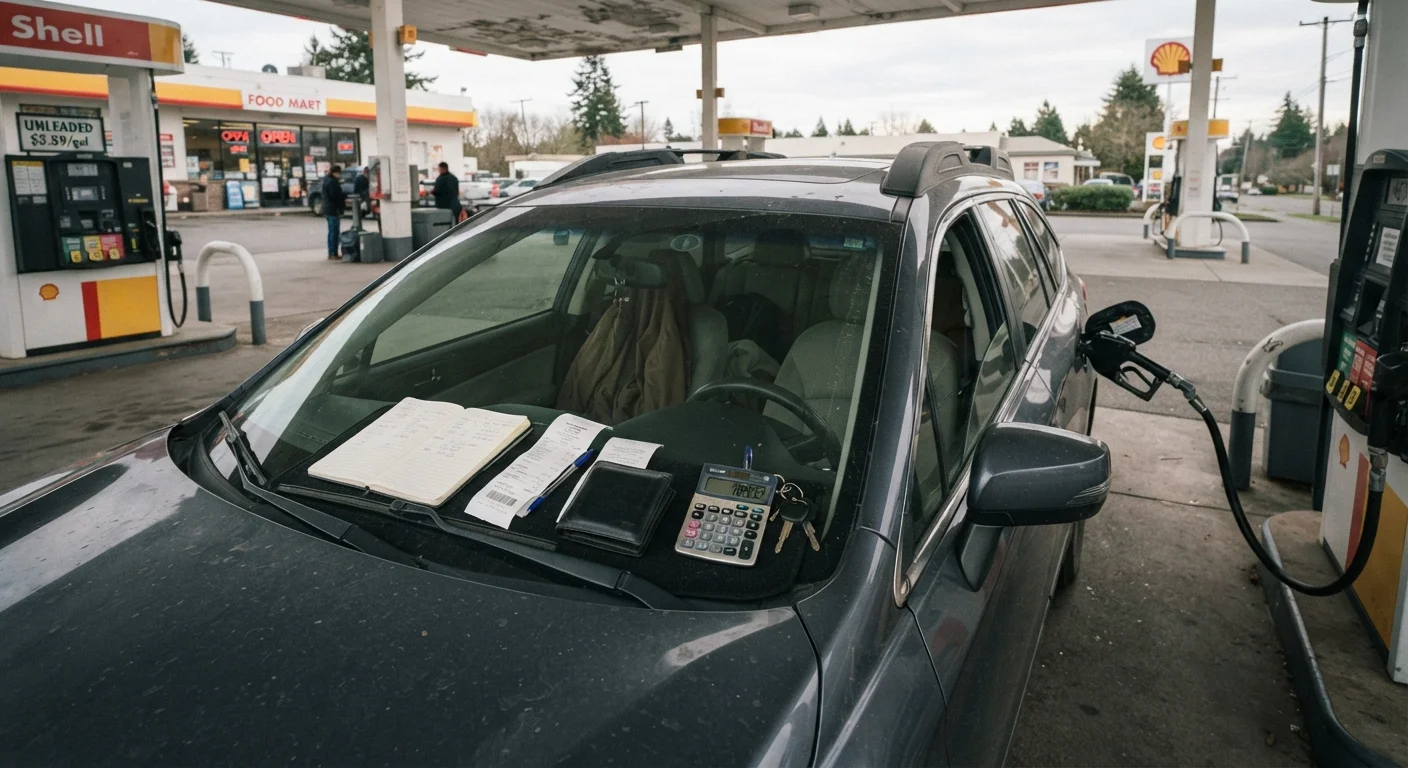
Based on roughly 15,000 miles driven annually at common fuel economy figures and average U.S. gasoline prices, fuel remains one of the most consistent recurring ownership expenses.
Depreciation: The Cost You Can't See at the Pump
Depreciation is the reduction in a vehicle's market value over time, and it is typically the single largest expense a car owner faces. A new vehicle can shed a substantial portion of its original value within the first three to five years. This cost is real even if it doesn't appear on a monthly statement — it surfaces when you sell or trade in the vehicle.
Factors that influence depreciation rates include the vehicle's make and model, mileage, condition, and broader market demand. Some categories — such as trucks and certain SUVs — have historically depreciated more slowly than economy sedans. For a deeper look at how this process works, see why your car loses value the moment you drive off the lot.
“Depreciation is the elephant in the room for most car buyers. People focus on the monthly payment, but the value walking out the door in the first few years is often the largest cost they'll face.”
— Consumer Financial Guidance Perspective, General principle cited by automotive financial educators
Recurring Costs Every Driver Should Budget For
Beyond depreciation, vehicle ownership involves a reliable set of recurring expenses that require proactive planning:
- Fuel: One of the most variable costs, directly tied to local gas prices, vehicle fuel economy, and annual mileage. Higher-displacement engines and older vehicles typically consume more fuel per mile.
- Insurance: Required in nearly every state, premiums are influenced by driving history, location, vehicle type, age, and coverage levels. Rates can differ dramatically between otherwise similar drivers.
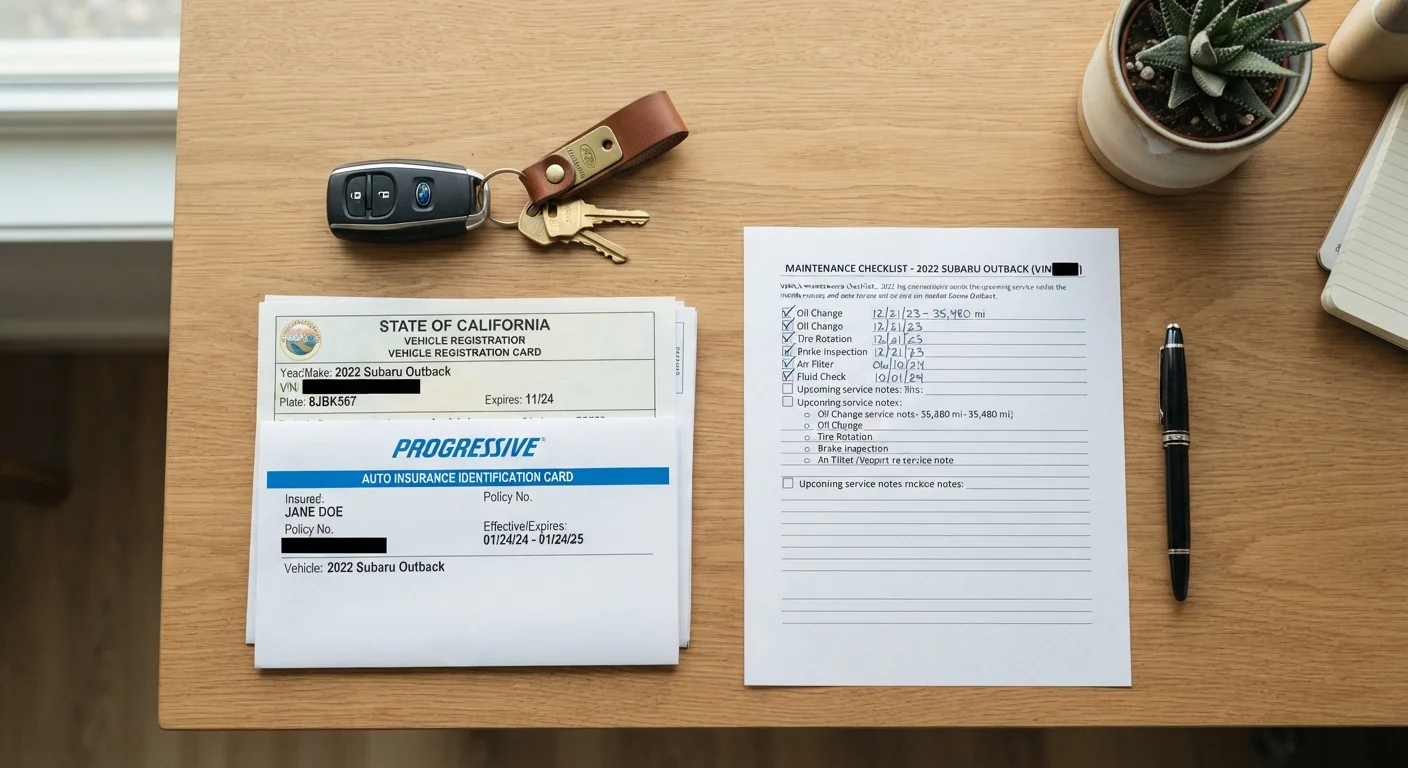
- Routine maintenance: Oil changes, tire rotations, brake inspections, filters, and fluid services keep the vehicle reliable but add up across years of ownership. The annual car ownership checklist offers a practical framework for tracking these obligations.
- Registration and taxes: Annual registration fees, state excise taxes, and emissions inspection costs vary widely by state and vehicle value.
- Financing costs: Drivers who carry an auto loan pay interest on top of the vehicle's purchase price. The total interest paid over the life of a loan can represent thousands of additional dollars.
Irregular but inevitable costs — tires, unexpected repairs, and major service intervals — also deserve a dedicated savings buffer. Most financial planners suggest setting aside a monthly amount specifically for vehicle repairs to avoid being caught off guard.
Build a Vehicle Repair Reserve
Setting aside $50–$100 per month into a dedicated savings account for vehicle repairs and tires smooths out the financial impact of irregular maintenance costs. When a $700 tire replacement or unexpected brake service arrives, the expense comes from a prepared fund rather than a credit card. This habit dramatically reduces the financial disruption of routine ownership costs.
How Ownership Duration Changes the Financial Equation
One of the most powerful levers a driver holds is how long they keep a vehicle. The per-year cost of ownership typically drops significantly once a loan is paid off, because the same reliable transportation is now available without a monthly financing payment. Drivers who continue maintaining a paid-off vehicle responsibly often find it far more economical than financing a replacement.
This is why keeping a car long-term is a financially sound strategy for many households — provided the vehicle receives the maintenance it needs to remain dependable. For a full picture of what sustained ownership involves mechanically, everything involved in owning a car long-term covers the lifecycle in detail.
Drivers weighing their next vehicle decision can also benefit from understanding the financial trade-offs between buying and leasing before committing. And separating genuine ownership wisdom from common misconceptions — see car ownership myths that cost drivers real money — can further protect a household budget.
Total Cost Varies Widely by Vehicle and Driver
Ownership cost estimates are averages drawn from broad populations of drivers. Your actual costs will depend on your vehicle type, age, condition, local insurance market, driving patterns, and maintenance habits. Use published estimates as a planning benchmark, not a guaranteed figure. A qualified financial advisor can help you assess vehicle affordability within your personal budget.