
Why Fall Garden Prep Matters
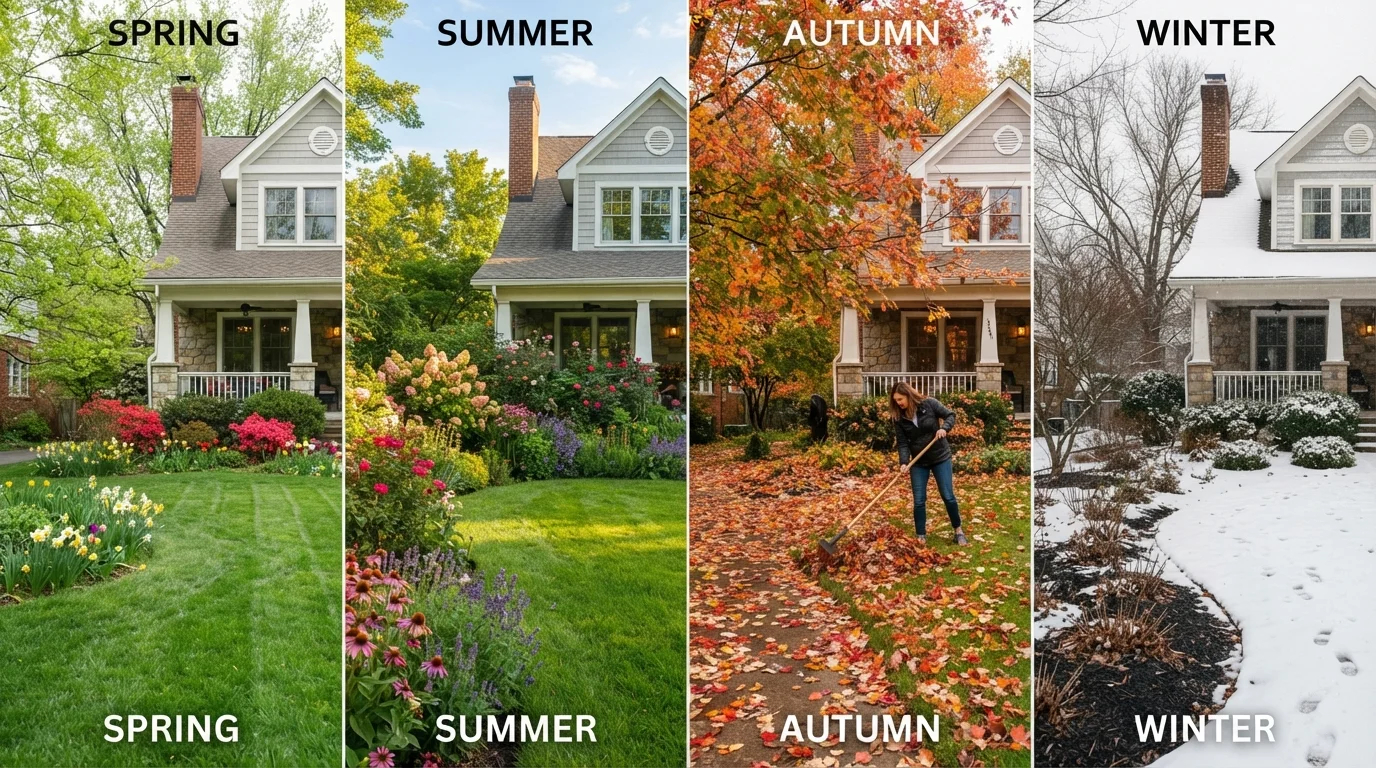
It's tempting to walk away from the garden once summer's harvest is done, but what you do — or skip — in autumn has a direct effect on how well your yard and garden perform next year. Fall is when soil biology is still active enough to incorporate amendments, when perennials are signaling their energy downward into roots, and when pests and fungal spores are settling in for winter. A few focused hours now saves significantly more time troubleshooting next spring.
This checklist is organized into logical groupings so you can tackle tasks in a sensible order, whether you're a first-time homeowner or someone who simply wants a reliable reference. For a broader picture of what your yard needs throughout the year, see our month-by-month yard care guide. And if indoor prep is also on your list, the fall home walkthrough checklist covers weatherstripping, HVAC filters, and pipe insulation in the same practical format.
Garden Bed Cleanup
Soil Amendments
Bulb and Perennial Planting
Lawn Care
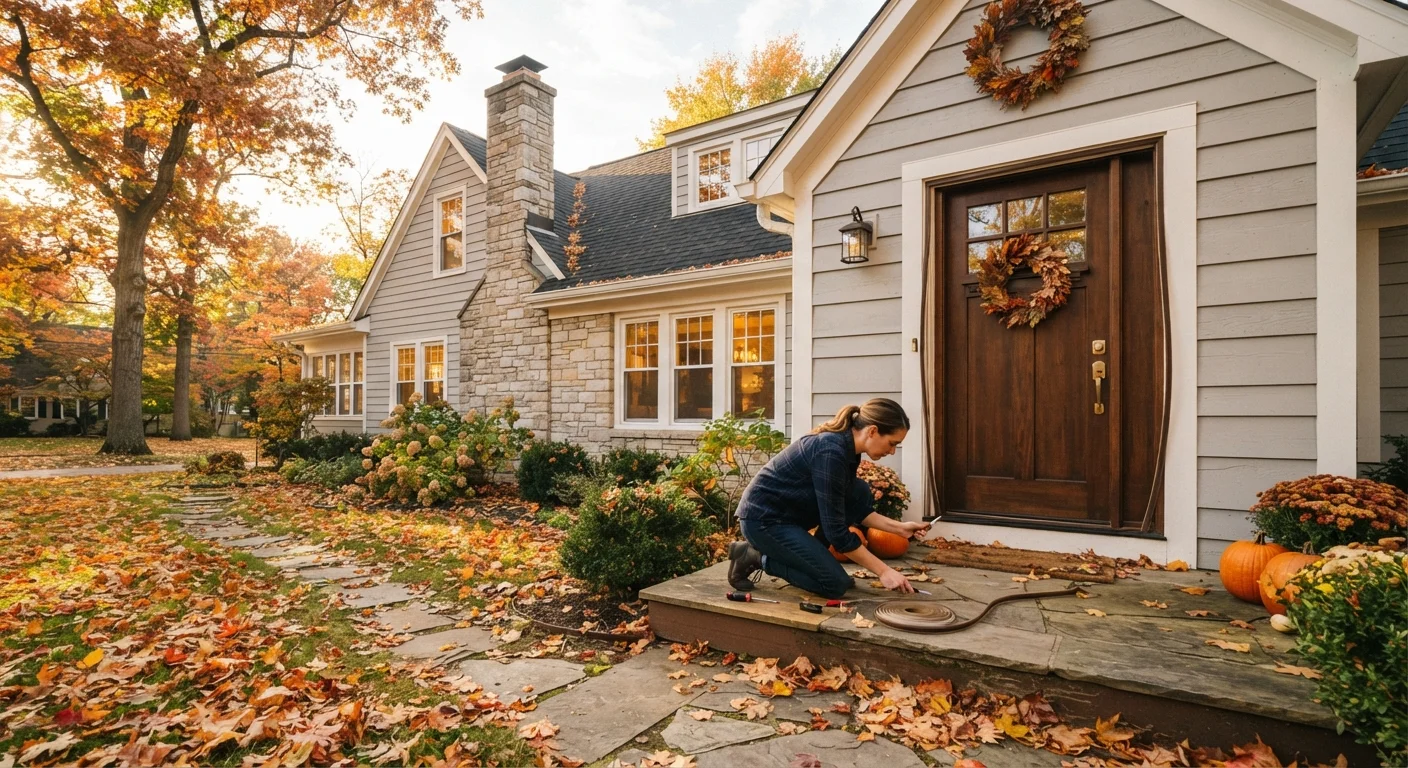
Water and Irrigation Shutdown
Tool Cleaning and Storage
Tools and Supplies You'll Want on Hand
Before you start working through the checklist, gather what you'll need. Having supplies ready prevents multiple trips to the garage or store mid-task.
Garden fork or spade
Turning compost into beds and dividing perennial clumps.
Compost or aged manure
Amending garden beds to improve soil structure and fertility over winter.
Soil test kit
Checking pH and nutrient levels so you can correct imbalances before spring.
Pruning shears and loppers
Cutting back perennials, removing diseased growth, and deadheading ornamentals.
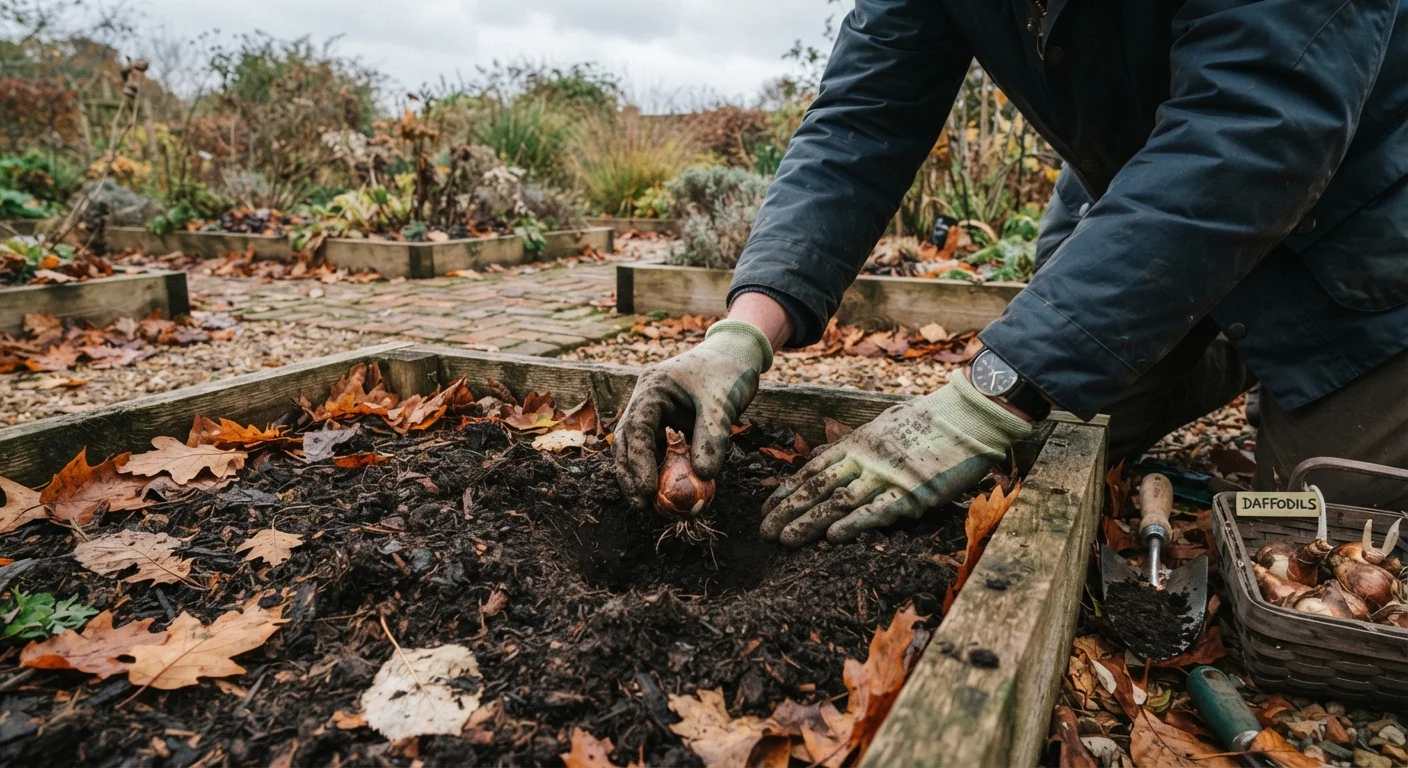
Bulb planter or trowel
Digging properly sized holes for spring-flowering bulbs.
Shredded leaves or straw mulch
Protecting bare soil and plant crowns from freeze-thaw damage.
Lubricating or linseed oil
Conditioning metal tool heads and wooden handles before winter storage.
Don't Compost Diseased Plant Material
Home compost piles often don't reach temperatures high enough to kill fungal spores, bacteria, or pest eggs. Diseased stems, leaves, or root-knot material should go directly in the trash or a municipal yard-waste bin — not your backyard pile. Adding it to compost risks spreading the problem widely when you use that compost next season.
A Few Things Worth Getting Right
Fall garden prep has a short window. Most tasks need to happen after the growing season winds down but before the ground freezes. In most parts of the U.S., that window falls roughly between late September and mid-November — though your specific first-frost date will vary by region and elevation. Check your local extension service or a reliable weather resource for accurate frost-date estimates for your area.
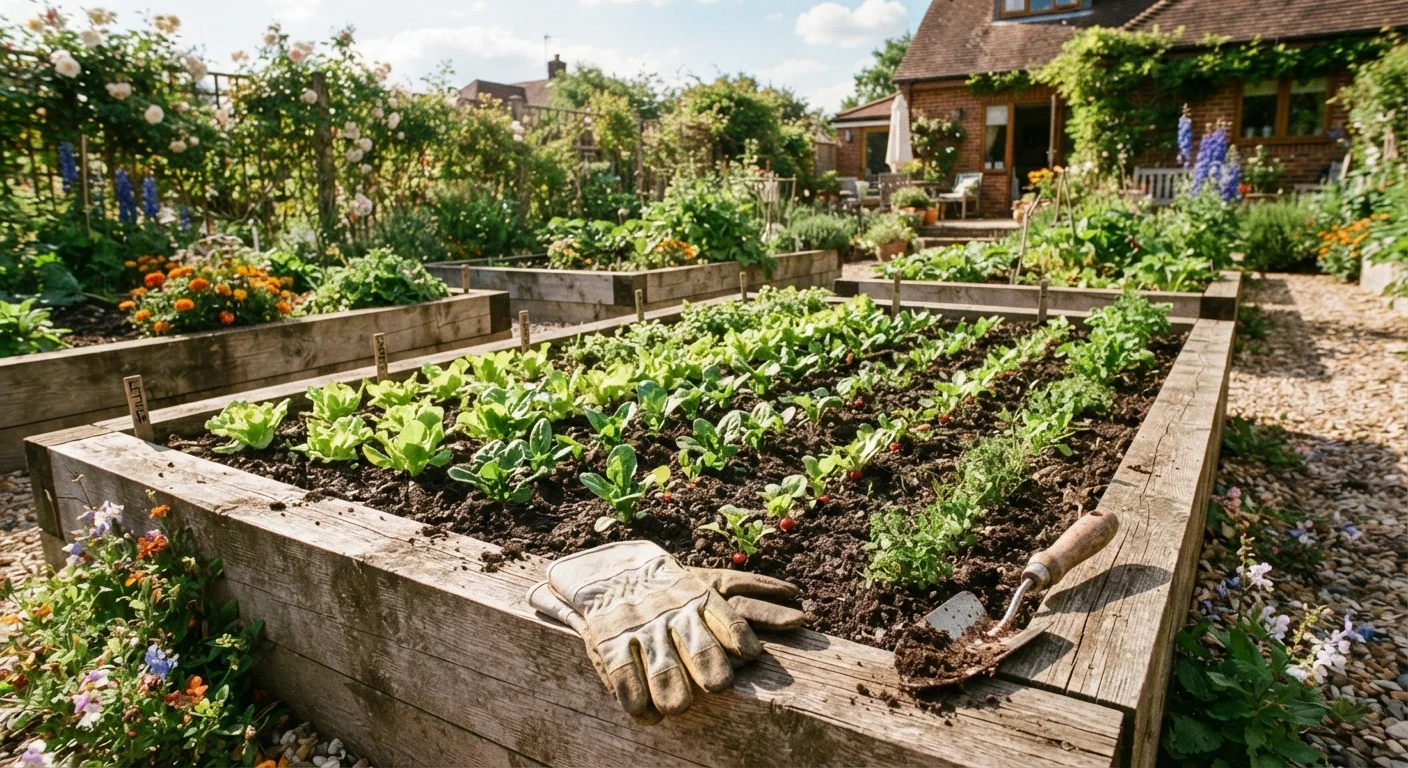
If you're newer to vegetable gardening and want to build good habits from the start, our beginner's vegetable garden guide explains soil preparation and bed setup in detail. This fall prep checklist slots naturally into that broader gardening journey.
Irrigation Blowouts Can Require a Professional
Blowing out an in-ground irrigation system with compressed air requires the right equipment and technique. Using too much pressure can crack pipes and fittings; too little leaves standing water that freezes and causes the same damage. If you're not experienced with this task, many irrigation companies offer affordable fall shutoff services. This is one task where the cost of professional help is often less than the cost of a single broken line.