
How to Use This Reference
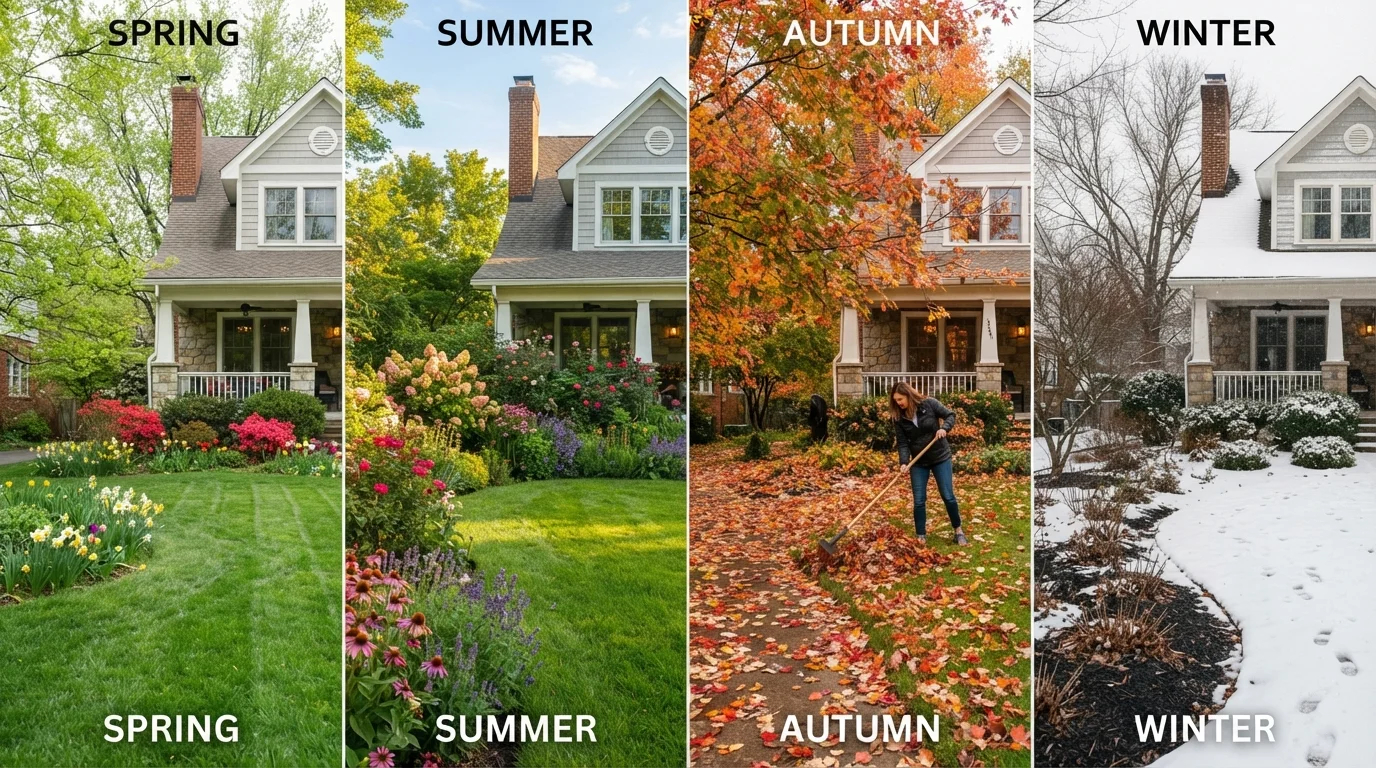
Think of this guide as a standing calendar you can return to at the start of each season. Tasks are grouped by the four major seasons, with specific focus areas for pruning, planting, fertilizing, and yard inspection. Because climate varies significantly across the U.S., treat timing as a general guide and adjust based on your local frost dates and hardiness zone.
This reference pairs well with the broader seasonal home maintenance calendar, which covers interior and structural tasks alongside outdoor work.
Spring (March–May): Wake Up and Prepare
Spring is the most action-packed season for yard care. As soil temperatures rise above 50°F, dormant plants begin to stir and cool-season weeds take hold quickly.
- Prune: Remove winter-damaged wood from shrubs and ornamental grasses. Wait to prune spring-blooming shrubs (like forsythia or lilac) until after they finish flowering.
- Plant: Start cool-season vegetables (lettuce, peas, spinach) outdoors after your last frost date. Transplant bare-root perennials while the soil is still cool and moist. See our guide on perennials vs. annuals to plan a mixed planting strategy.
- Fertilize: Apply a balanced, slow-release fertilizer to lawn areas once grass is actively growing — not before, to avoid pushing tender growth ahead of late frosts.
- Inspect: Check irrigation systems for cracks or clogs after winter. Examine hardscaping (walkways, retaining walls) for frost heave or shifting. Test soil pH if plants struggled last season.
Hardiness Zone
A geographic classification (published by the USDA) based on average annual minimum temperatures, used to determine which plants can survive winters in a given region.
Deadheading
The practice of removing spent flower heads from plants to redirect the plant's energy into producing new blooms rather than setting seed.
Frost Heave
A process where repeated freezing and thawing of soil pushes plants, pavers, or posts upward out of the ground, often causing root damage or uneven hardscaping.
Slow-Release Fertilizer
A fertilizer formulated to break down gradually in soil over weeks or months, providing a steady supply of nutrients rather than a single large dose.
Dormancy
A seasonal state in which a plant's growth slows significantly or halts entirely, typically triggered by cold temperatures or drought, allowing the plant to conserve energy.
Summer (June–August): Maintain and Monitor
Summer maintenance is largely about sustaining what spring started — keeping plants hydrated, controlling pests, and preventing heat stress.
- Prune: Deadhead spent flowers on annuals and repeat-blooming perennials to encourage continued flowering. Lightly shape hedges after their first flush of growth.
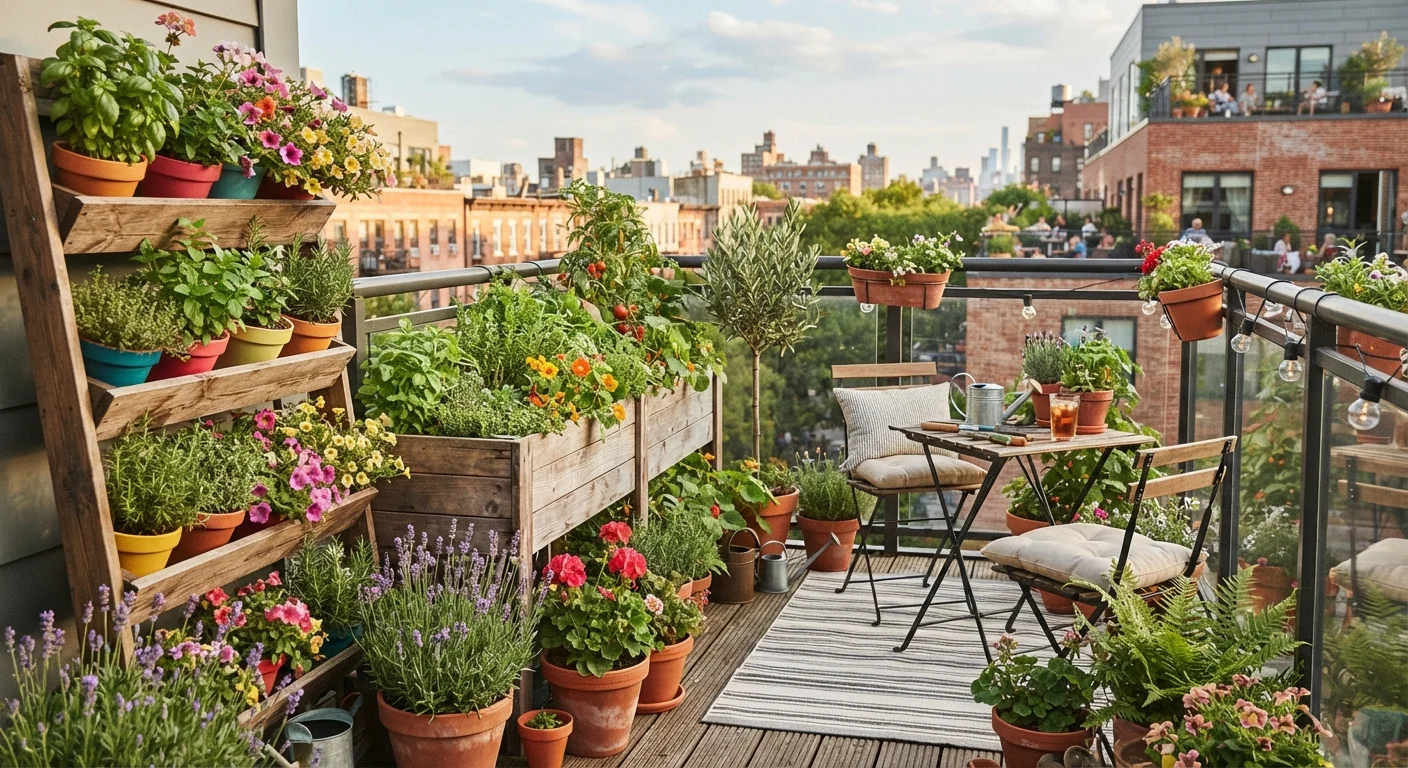
- Plant: Set out warm-season vegetables (tomatoes, squash, peppers) after soil has warmed. Midsummer is also a good time to plan fall color — shop for late-blooming perennials or ornamental grasses. If you're working with a compact space, small-space gardening strategies can stretch your planting options.
- Fertilize: Feed container plants every two to three weeks with a water-soluble fertilizer, as nutrients leach out quickly with frequent watering. Avoid heavy nitrogen applications to lawns during peak heat, which can promote disease.
- Inspect: Scout for common pests (aphids, Japanese beetles, spider mites) weekly. Check soil moisture at root depth, not just the surface. In drought-prone areas, review drought-tolerant landscaping principles to reduce irrigation demands.
Fall (September–November): Protect and Transition
Fall tasks protect the investment you've made all year. Many homeowners underestimate how much productive work can happen before the first frost.
- Prune: Cut back herbaceous perennials after frost kills the foliage, but leave ornamental grasses and seed heads that provide winter wildlife habitat. Avoid heavy pruning of woody shrubs in fall — it can stimulate tender new growth vulnerable to cold.
- Plant: Fall is ideal for planting spring-blooming bulbs (tulips, daffodils, alliums) and for establishing trees and shrubs, which benefit from cooler soil temperatures and reliable rainfall. Review the fall garden prep checklist for a complete task list.
- Fertilize: Apply a low-nitrogen, high-potassium lawn fertilizer in early fall to strengthen root systems before dormancy. Avoid feeding after mid-fall.
- Inspect: Clean and store garden tools; sharpen blades before storing. Drain and disconnect irrigation hoses. Mulch garden beds with 2–3 inches of material to moderate soil temperature.
2–3 inches
Optimal mulch depth for winter bed protection
Cooperative Extension programs across the U.S. generally recommend this depth to insulate roots and regulate soil temperature without smothering plant crowns.
50°F
Soil temperature threshold for most seeds
Most cool-season seeds germinate reliably once soil reaches 50°F; warm-season plants typically require 60°F or above for consistent germination.
Winter (December–February): Rest and Plan
Winter is quieter but not without purpose. Use the off-season to reset, restock, and lay the groundwork for a stronger spring.
- Prune: Late winter (late February for most zones) is an excellent time to prune dormant deciduous trees and summer-flowering shrubs like crape myrtle and butterfly bush, since leafless branches make structure easy to assess.
- Plan and Order: Sketch out planting changes, order seed catalogs, and map any new beds. If you've been weighing options between turf and alternatives, winter is a good time to research lawn grass vs. ground cover trade-offs.
- Inspect: Walk the yard after storms to check for fallen limbs, frost-heaved plants, or erosion. Inspect fencing, gates, and raised beds for winter damage. Note areas of standing water or ice, which signal drainage issues to address in spring.
Consistent year-round attention — even in winter — is what distinguishes a thriving yard from one that always seems to be catching up. This reference, combined with the Home Maintenance hub, gives you a reliable foundation for every season.