
What Is Xeriscaping?
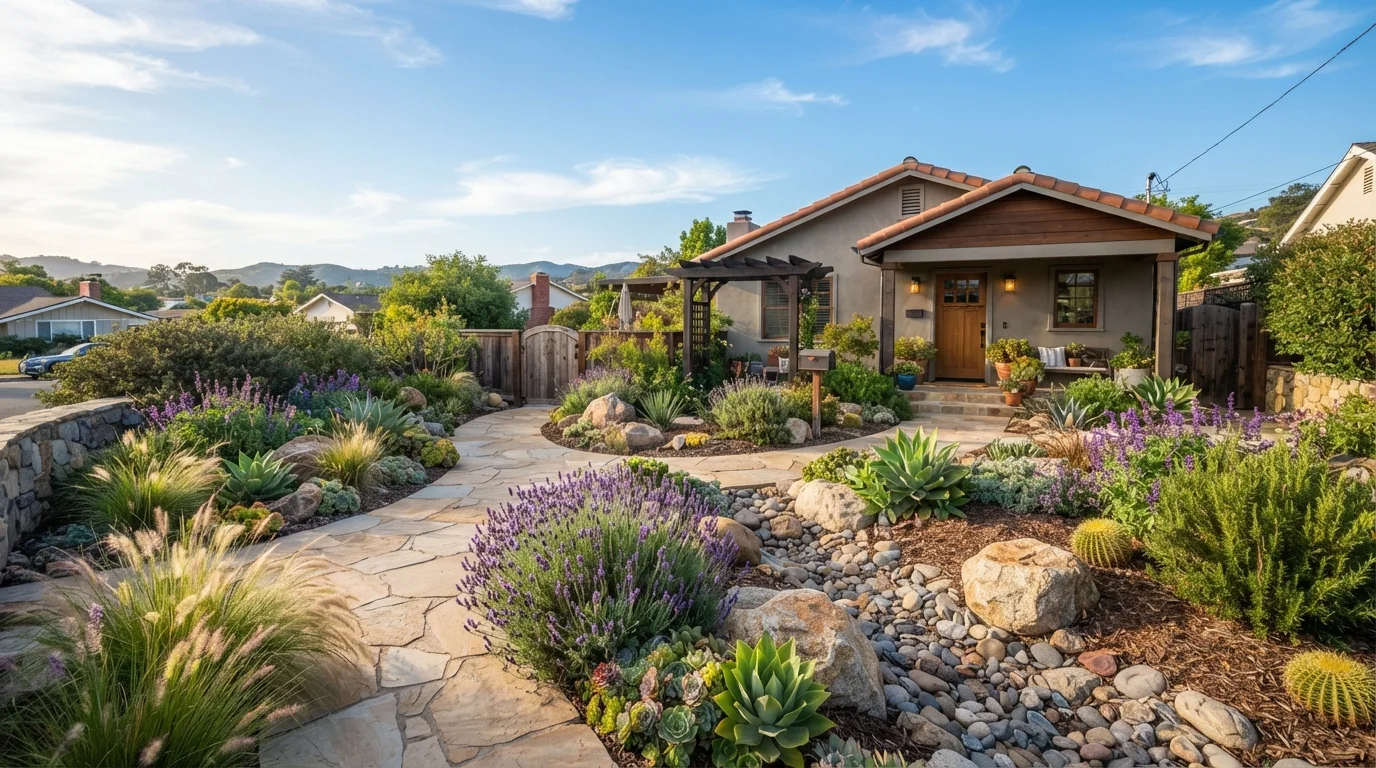
Xeriscaping (from the Greek xeros, meaning dry) is a landscaping philosophy centered on designing yards that require minimal supplemental irrigation. Developed in response to water scarcity concerns—particularly in the American West—its core principles apply meaningfully in nearly every U.S. climate, from arid desert regions to humid subtropical zones that still face periodic drought stress.
The goal isn't a gravel wasteland devoid of life. Done well, a xeriscape yard can be colorful, layered, and wildlife-friendly. The framework rests on seven interconnected principles: thoughtful planning, soil improvement, limiting turf, appropriate plant selection, efficient irrigation, mulching, and ongoing maintenance. This guide walks through each of those ideas in practical terms so you can adapt them to your yard's specific conditions.
30–60%
Outdoor water use as share of household total
The U.S. Environmental Protection Agency estimates that outdoor water use accounts for roughly 30–60% of total household consumption, with much of it applied inefficiently.
50%+
Potential water savings with xeriscape design
Water utilities in drought-prone states have reported that well-designed xeriscapes can reduce outdoor irrigation needs by more than half compared to conventional landscaping.
3–4 inches
Recommended mulch depth for moisture retention
University cooperative extension programs consistently recommend this mulch depth as the threshold at which evaporation suppression and weed control become meaningful.
Choosing the Right Plants
Plant selection is the cornerstone of drought-tolerant landscaping. The most effective starting point is choosing plants native to your region or adapted to your climate zone. Native plants evolved alongside local rainfall patterns, soil types, and temperature swings, so once established—typically after one to two growing seasons—they rarely need supplemental watering beyond what nature provides.
Look for characteristics that signal drought tolerance: deep root systems, waxy or silvery leaves (which reflect heat and reduce moisture loss), succulent stems or leaves, and small leaf surface areas. In the Southwest, examples include agave, desert marigold, and penstemon. In the Southeast, native beautyberry, muhly grass, and black-eyed Susan perform well in dry spells. In the Midwest and Plains, prairie dropseed, coneflower, and little bluestem are workhorses.
A practical strategy is hydrozoning—grouping plants with similar water requirements together. This prevents the common mistake of overwatering drought-tolerant plants (which can cause root rot) or underwatering thirstier ones. Consult your county's cooperative extension service for a plant list tailored to your specific region. For a balanced look at swapping out high-water turf for ground cover alternatives, see our guide on lawn grass vs. ground cover trade-offs.
When shopping for drought-tolerant plants, look for those grown in containers at local nurseries—plants grown in your region's climate are already acclimated and tend to establish faster than plants shipped from distant growing zones.
Locally grown nursery stock is more likely to be conditioned to your soil temperature and rainfall patterns, reducing transplant shock and establishment watering needs.
After planting, water new drought-tolerant plants on a decreasing schedule over their first two seasons: generously at planting, then tapering to once a week, then every two weeks as roots establish. Don't skip irrigation entirely until the plants show signs of thriving on their own.
Even native and xeric plants require a transitional establishment period; cutting off supplemental water too early is a leading cause of failure in otherwise well-chosen plantings.
Improving Your Soil for Water Retention
Even drought-tolerant plants need soil that holds some moisture and drains well enough to prevent root disease. Most American yards have compacted, nutrient-poor soil that lets water run off rather than penetrate. Amending your soil is a one-time investment that pays dividends for years.
Work 2–3 inches of compost into the top 6–8 inches of soil before planting. Compost improves both sandy soils (helping them retain moisture) and clay soils (improving drainage so roots aren't waterlogged). If your soil has significant clay content, consider adding coarse horticultural sand or perlite in addition to compost. Avoid fine beach or play sand, which can actually worsen compaction when mixed with clay.
A simple soil test—available through most cooperative extension offices and many garden centers—reveals your soil's pH and nutrient levels, helping you amend precisely rather than guessing. Healthy soil biology also contributes to water retention; reducing or eliminating synthetic fertilizer overuse helps protect the microbial communities that keep soil structure open and porous. For a related discussion on planting setups that influence soil drainage, see raised beds vs. in-ground planting.
Mulching: The Unsung Hero of Drought Landscaping
If there's a single step that delivers the most immediate water-saving results, it's mulching. A 3–4 inch layer of organic mulch—shredded bark, wood chips, straw, or pine needles—dramatically slows evaporation from the soil surface, moderates soil temperature, suppresses weeds that compete for moisture, and gradually breaks down to enrich the soil.
Refresh Mulch Every One to Two Years
Organic mulch breaks down over time, which is actually beneficial for soil health—but the protective layer thins as it decomposes. Top off mulched areas annually in spring or fall to maintain that critical 3–4 inch depth. A quick visual check after winter will tell you where it's thinned most.
Apply mulch in a ring around plants rather than piling it against stems or tree trunks. This mulch volcano pattern traps moisture against bark and invites rot and pest damage. Keep mulch a few inches away from plant bases and spread it outward to the drip line (the outer edge of the plant's canopy) for best effect.
Inorganic mulches such as decomposed granite or river rock work well in arid climates and require no replacement, though they don't improve soil over time the way organic options do. A combination approach—rock mulch around specimen plants with organic mulch in planting beds—can balance aesthetics with function.
Smart Irrigation Strategies
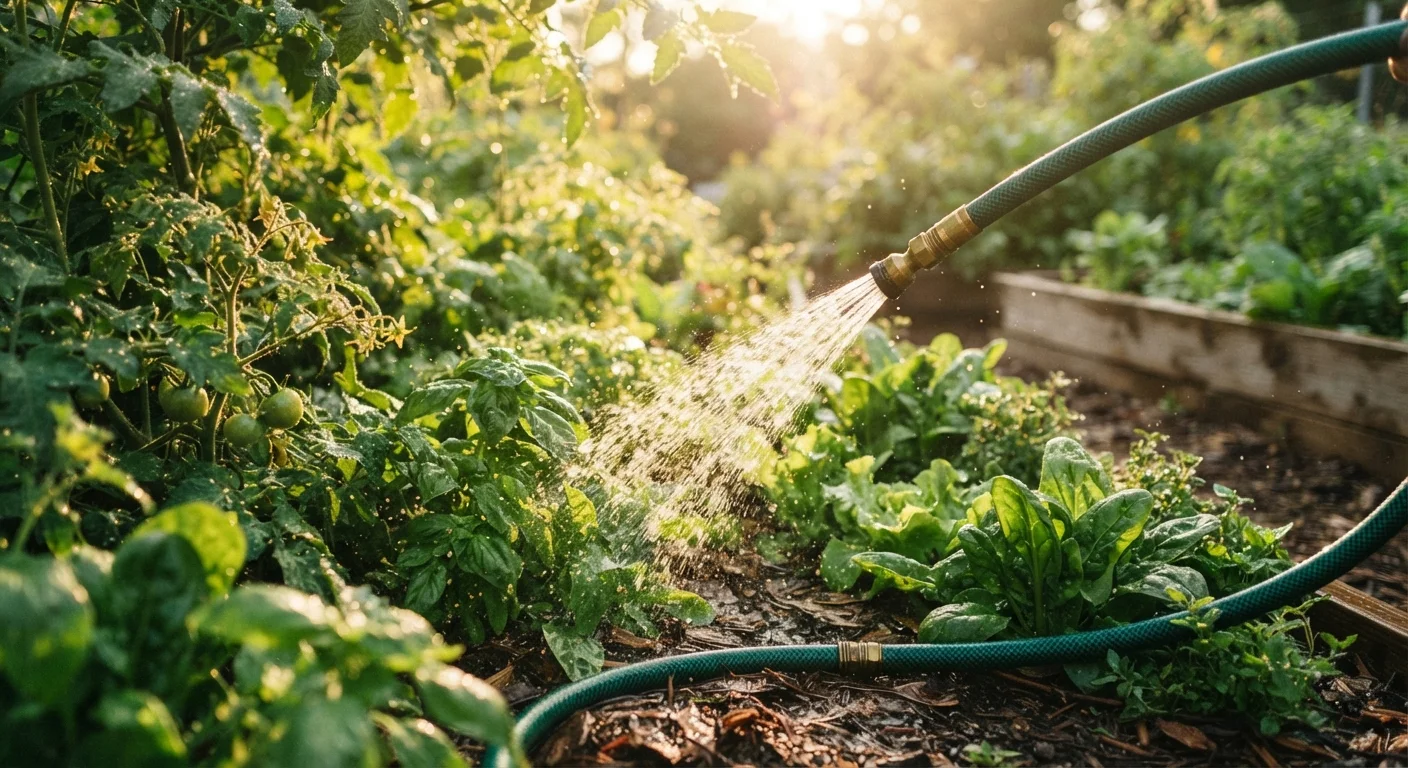
Even a xeriscape yard may need supplemental irrigation during establishment or extended dry spells. How you water matters enormously. Drip irrigation delivers water slowly and directly to root zones, reducing evaporation and runoff compared to overhead sprinklers. Soaker hoses offer a lower-cost version of the same concept and are easy to install around planting beds.
Water deeply and infrequently. A single deep watering that penetrates 6–8 inches into the soil encourages roots to grow downward, where moisture is more stable. Shallow, frequent watering produces shallow root systems that are vulnerable to drought stress. Early morning is the ideal time to water—less evaporation occurs, and foliage dries before evening, reducing disease risk. For a deeper look at common irrigation mistakes, see garden watering myths that harm your plants.
Avoid Overwatering Established Xeric Plants
One of the most common mistakes in drought-tolerant yards is continuing to water established plants as frequently as during their establishment phase. Many drought-adapted species—particularly succulents and Mediterranean herbs—are susceptible to root rot if kept consistently moist. Once plants are thriving independently, pull back irrigation significantly and let the soil dry out between waterings.
Smart irrigation controllers (sometimes called weather-based or ET controllers) adjust watering schedules automatically based on local evapotranspiration data. These can reduce outdoor water use meaningfully compared to fixed-schedule timers, though results vary by installation and climate.
Reducing or Replacing Your Lawn
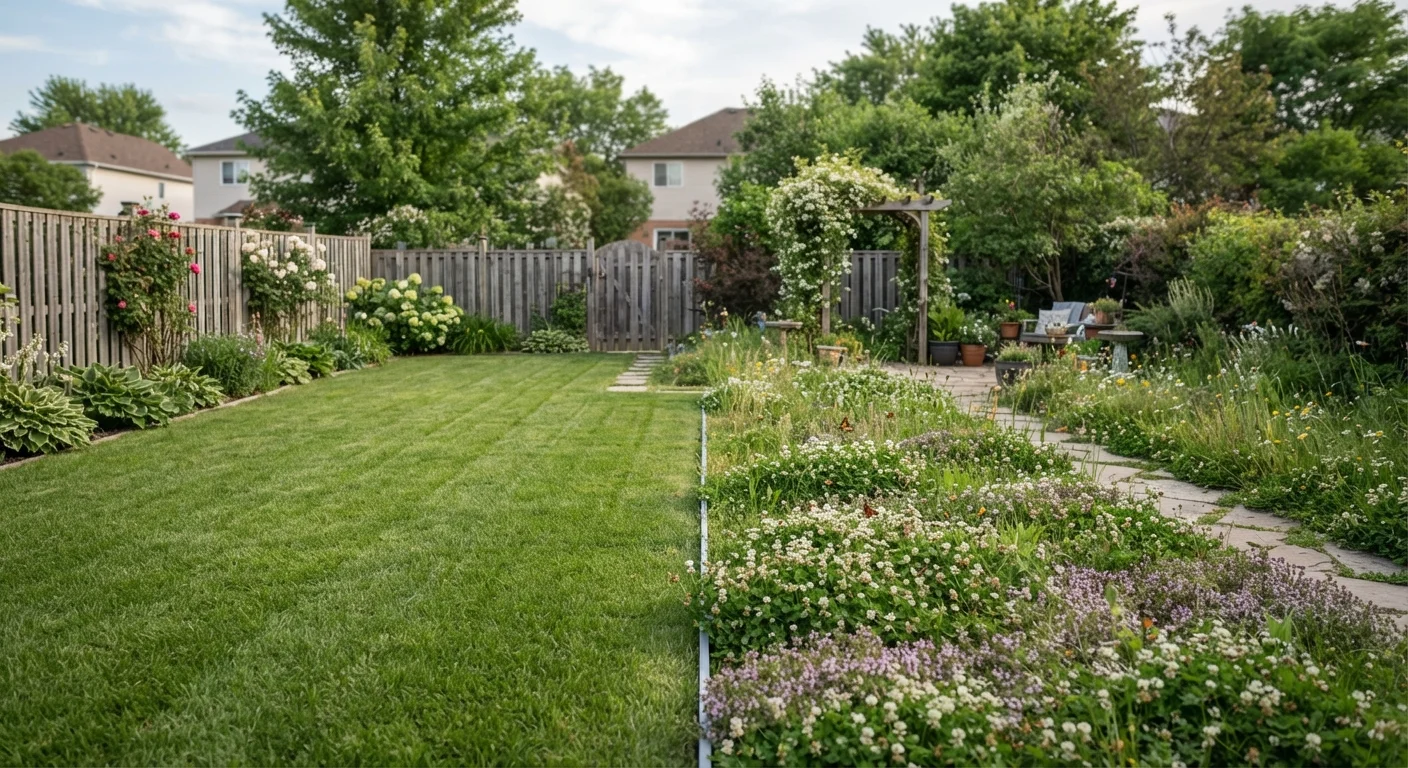
Traditional cool-season turf grasses—Kentucky bluegrass, tall fescue—are among the thirstiest elements of any American yard. Replacing a portion of your lawn with drought-tolerant ground covers, native plant beds, or hardscaping like decomposed granite pathways is often the highest-leverage change you can make.
You don't need to eliminate your lawn entirely. Retaining a modest patch of turf for kids or pets while converting borders and slopes to low-water plantings strikes a practical balance. If you want to keep some grass, consider replacing cool-season varieties with warm-season alternatives like buffalo grass or zoysia, which need far less water and go dormant (turning brown) rather than dying during dry spells. The trade-offs between turf and ground cover options are worth weighing carefully before you commit. For a seasonal perspective on when to make these transitions, the month-by-month yard care reference can help you time plantings and soil prep effectively.
Check Local Rebate Programs
Many water utilities and municipalities offer rebate programs for homeowners who convert turf to drought-tolerant landscaping or install drip irrigation. Check with your local water authority or city government to see what programs may be available in your area. Eligibility, amounts, and requirements vary widely.
Drought-tolerant landscaping is not a set-it-and-forget-it system. Established plantings still benefit from periodic weeding, pruning to improve airflow, and checking that mulch layers haven't thinned. The maintenance load, however, is generally far lighter than maintaining a conventional lawn—and the results become more rewarding as plants mature and root systems deepen.