
What Sets These Two Approaches Apart
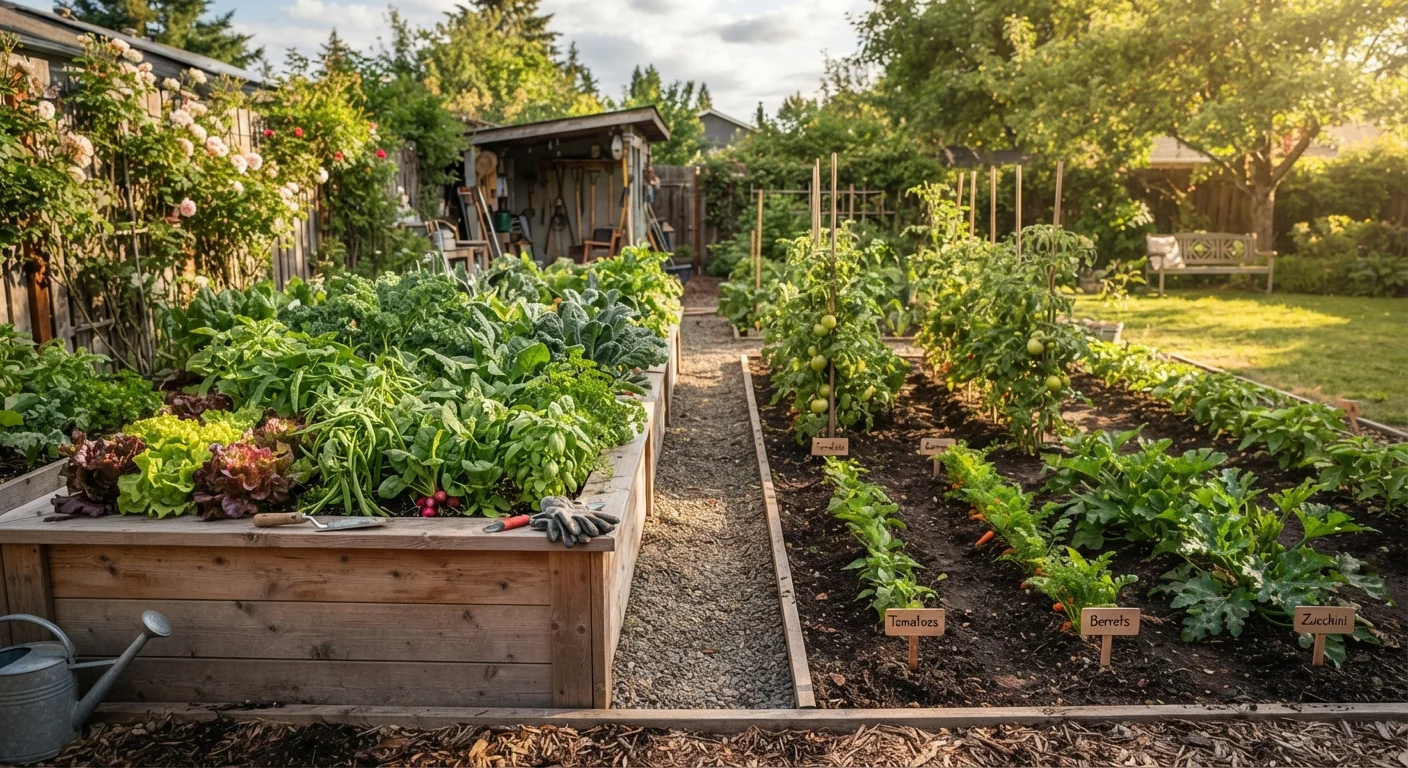
Raised beds are freestanding structures — typically built from wood, stone, or composite materials — filled with imported soil mix. In-ground planting means working directly with the native soil in your yard, amending it as needed. Both methods can produce thriving gardens, but they involve very different trade-offs in cost, labor, and long-term management.
The right choice depends less on which method is universally superior and more on what your specific yard conditions, physical ability, and gardening goals demand. Understanding each approach side by side makes that decision much clearer.
| Criterion | Raised Beds | In-Ground Planting |
|---|---|---|
| Upfront cost | Higher (materials + soil fill) | Lower (tools + amendments) |
| Soil control | Full — custom mix from day one | Dependent on native soil quality |
| Drainage | Excellent by design | Varies with native soil type |
| Weed pressure | Generally lower | Higher — native weed seeds present |
| Season length | Longer — soil warms faster in spring | Standard — follows ground temperature |
| Physical accessibility | High — adjustable height reduces bending | Low — requires stooping or kneeling |
| Scalability | Limited by material costs | Easy to expand across large areas |
| Watering needs | More frequent — exposed sides dry out faster | Less frequent — ground retains moisture longer |
Soil, Drainage, and Root Health
Soil quality is often the deciding factor. Raised beds let you start fresh with a custom blend — typically a mix of topsoil, compost, and coarse material like perlite — that drains well and provides ideal root conditions from day one. This is especially valuable if your native soil is heavy clay (which compacts and stays waterlogged) or overly sandy (which drains too fast to hold nutrients).
In-ground planting, by contrast, works with what's already there. If your native soil is already loamy and well-structured, in-ground beds can perform beautifully. If not, you'll need to amend: working in compost, adjusting pH, and possibly double-digging compacted areas. This takes time and ongoing attention, but the investment often pays off over several seasons as the soil biology improves.
~6 weeks
Earlier planting in raised beds
University extension programs commonly note raised beds can be workable several weeks earlier than in-ground plots in northern climates due to faster soil warming.
25–50%
Higher yield per square foot (raised beds)
Research from cooperative extension services suggests intensive planting in amended raised bed soil can yield significantly more per square foot than conventional row gardening.
One practical note: raised beds lose moisture more quickly than in-ground plots because they're exposed on all sides. Consistent watering or drip irrigation becomes more important, particularly in summer. For more water-wise strategies, see our guide on drought-tolerant landscaping principles.
Cost, Setup, and Long-Term Maintenance
Upfront cost is one of raised beds' biggest drawbacks. Materials for a single 4×8-foot bed — lumber, hardware, soil — can range from around $100 to $300 or more depending on material choice and your region. Filling a raised bed with quality soil is often the single largest expense, and costs scale with bed depth.
In-ground gardening requires far less initial investment. If your soil is workable, you may only need basic tools and a few bags of compost to get started. However, weed pressure is typically higher in-ground, since weed seeds are already present in native soil. Raised beds can reduce (though not eliminate) weeds because imported soil is less weed-seed-laden and beds can be lined with landscape fabric at the base.
Over time, both methods require soil replenishment. Raised beds need annual topping-up with compost as organic matter breaks down. In-ground beds benefit from seasonal amendments and cover cropping to maintain structure. Neither is truly low-maintenance in the long run — they simply require different types of ongoing attention.
Planning which plants fill your garden matters too. Our comparison of perennials vs. annuals can help you think through the long-term plant mix for either setup.
Space, Scale, and Practical Fit
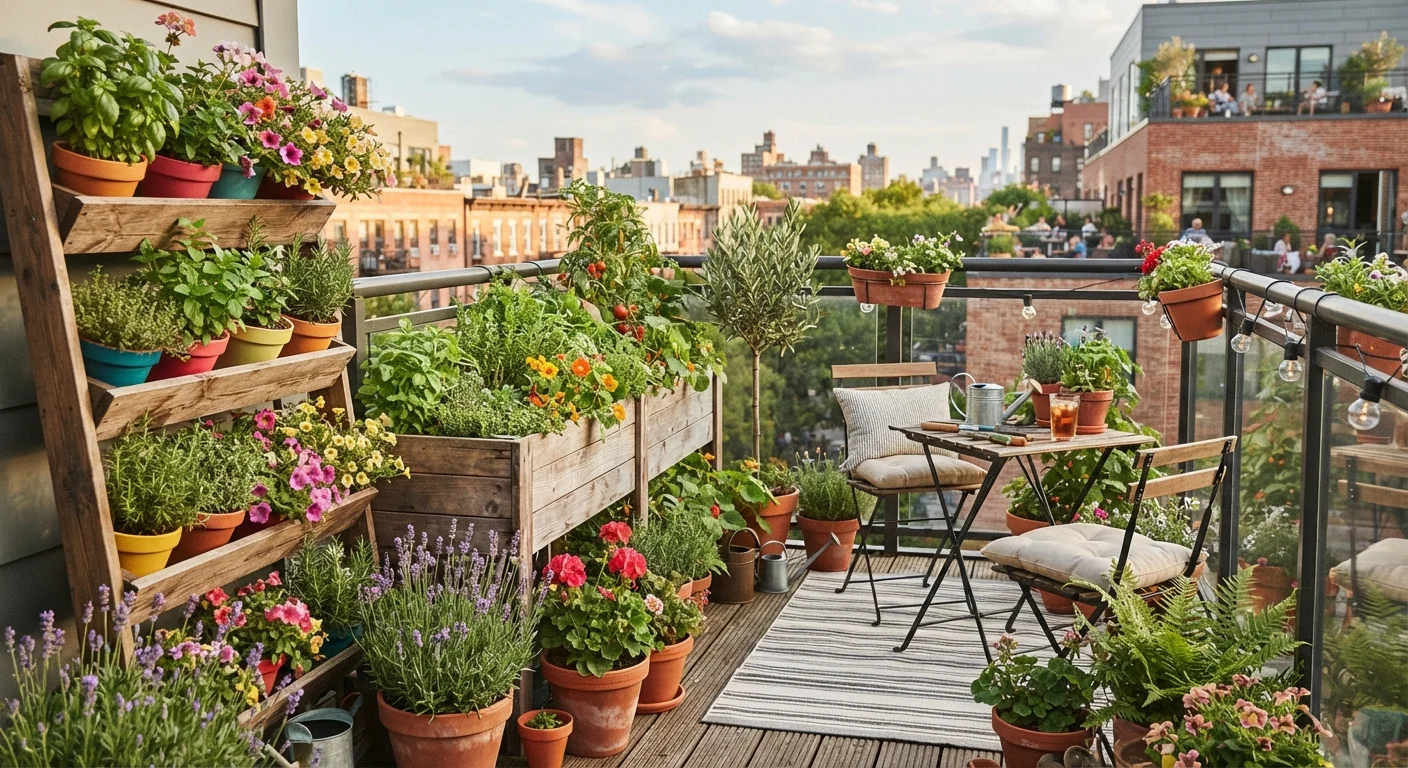
Raised beds work extremely well in smaller, defined spaces — particularly where you want clear visual organization or need to garden on a patio, deck, or hardscape. They're also a natural fit for renters or anyone who may need to relocate their garden. If you're working in a genuinely tight outdoor space, our article on small-space gardening explores complementary strategies like vertical growing.
In-ground planting is inherently more scalable. Once you've prepared the soil, expanding your planting area is simply a matter of more seeds and more labor — not more building materials. For homeowners with large yards and reasonable native soil, in-ground beds can produce impressive yields at a fraction of the per-square-foot cost of raised structures.
Consider also how your overall yard is structured. If you're weighing what to do with the rest of your outdoor space beyond garden beds, the trade-offs between lawn grass and ground cover alternatives is worth exploring as a companion decision.
Ultimately, many gardeners find that a hybrid approach — raised beds for vegetables and herbs, in-ground planting for larger shrubs and perennials — offers the best of both worlds. Start small, assess your soil honestly, and expand whichever method works best for your yard's specific conditions.
A Note on Soil Testing
Before committing to either method, consider having your native soil tested. Many university cooperative extension services offer low-cost testing that reveals pH, nutrient levels, and organic matter content. The results will tell you exactly how much amendment your in-ground soil needs — and may confirm whether raised beds are a more practical shortcut for your specific situation.