
The Core Difference: How Each Plant Lives
The most fundamental distinction between perennials and annuals is their life cycle. Perennials live for three or more years. After blooming, they die back to their roots in winter and re-emerge the following spring. Annuals complete their entire life cycle — germination, growth, bloom, and seed production — within a single growing season. When frost arrives, they're done.
This difference shapes everything about how you plan, plant, and maintain your garden. Perennials require an upfront investment of time and money but reward you with increasingly established plants over years. Annuals demand replanting each season but deliver unmatched flowering consistency and design flexibility.
There's also a middle category worth knowing: biennials (such as foxglove and hollyhock) complete their cycle over two years, flowering in year two. They're less common but useful to recognize so you're not surprised when a plant doesn't bloom its first year.
| Criterion | Perennials | Annuals |
|---|---|---|
| Lifespan | 3+ years from same roots | One growing season only |
| Replanting needed | No (returns each spring) | Yes (each season) |
| Bloom duration | 2–4 weeks per season | All season until frost |
| Upfront cost | Higher per plant | Lower per plant |
| Long-term cost | Lower (no annual purchase) | Higher (replanted yearly) |
| Maintenance level | Low once established | Moderate (deadheading, replanting) |
| Design flexibility | Fixed (grows in place) | High (change each season) |
| Wildlife value | Generally higher (native options) | Variable by species |
What Perennials Bring to a Garden Plan
Perennials are the structural backbone of a well-designed garden. Varieties like coneflowers (Echinacea), black-eyed Susans, hostas, daylilies, and ornamental grasses return reliably, becoming larger and more established each year. Their root systems also improve soil over time, which can benefit surrounding plants.
The trade-off is bloom time. Most perennials flower for only two to four weeks per season. A garden planted exclusively with perennials can look stunning in June but sparse in August. Strategic planning — selecting varieties with staggered bloom windows — is the key to keeping a perennial-only bed interesting all season.
Perennials are also generally better for local ecosystems. Many native perennials provide food and habitat for pollinators across multiple seasons. If supporting wildlife is part of your garden goals, leaning heavily on perennials makes sense. See our guide to ground cover alternatives for related ideas on building an ecologically thoughtful yard.
2–4 weeks
Typical perennial bloom window per season
Most perennial varieties flower for a relatively short period, making staggered planting essential for season-long interest.
3+ years
Minimum lifespan of a true perennial
Many well-established perennials continue thriving for a decade or more with appropriate growing conditions and minimal care.
~30–50%
Potential seed-starting cost savings for annuals
Starting annuals from seed rather than purchasing transplants can significantly reduce seasonal gardening expenses, though it requires more lead time.
What Annuals Bring to a Garden Plan
Annuals earn their place in the garden through sheer, sustained flower power. Plants like petunias, zinnias, marigolds, impatiens, and cosmos bloom prolifically from planting time until the first hard frost. Because producing seed is their biological priority, they keep flowering as long as the growing season allows — especially when you deadhead (remove spent blooms) regularly.
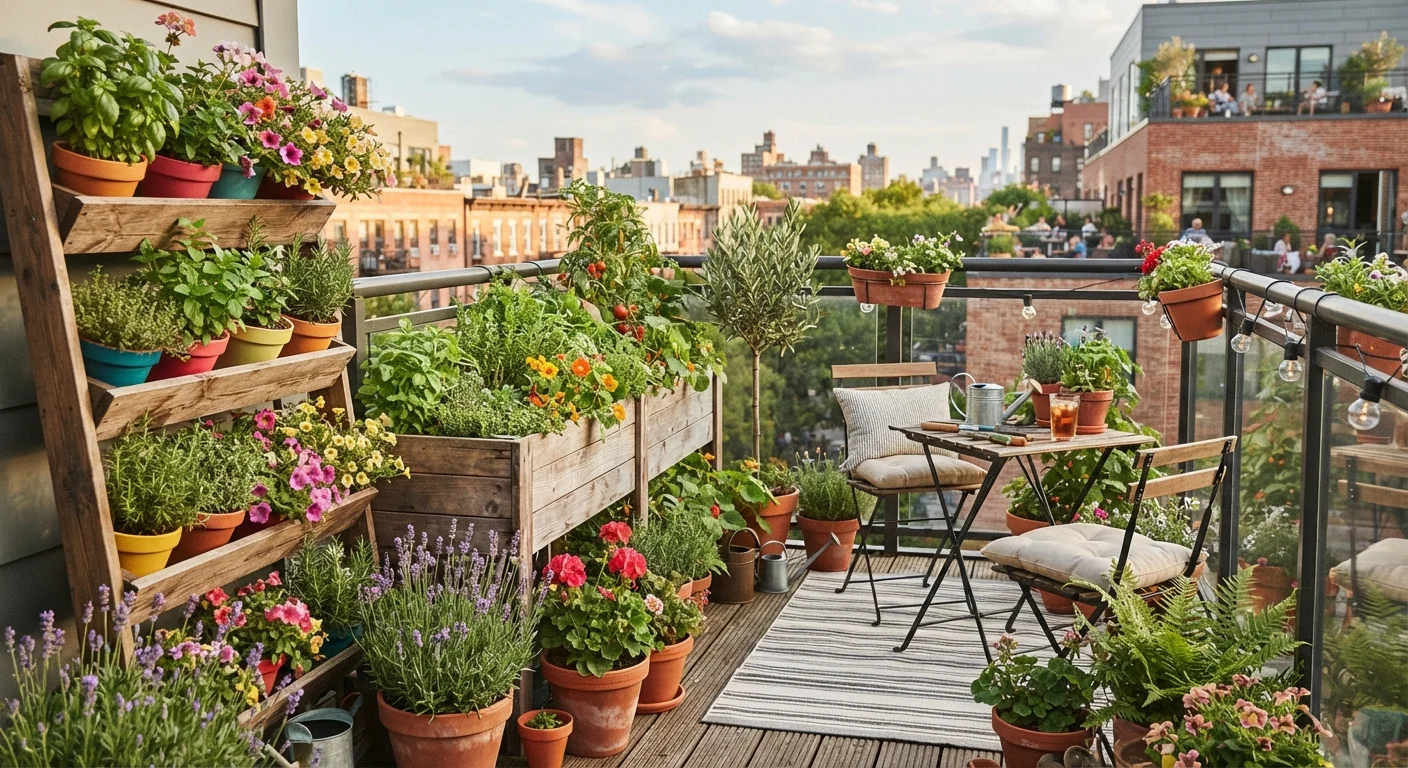
This makes annuals ideal for filling gaps in perennial beds, creating seasonal container displays, and providing instant visual impact in a new garden that hasn't yet matured. If you're working with a patio or small outdoor space, annuals in containers are particularly practical — you can move them around to follow sunlight or refresh the look entirely from one season to the next. Our small-space gardening guide covers container strategies in more detail.
The main drawback is replanting effort and annual cost. Over time, buying new annuals each season can add up — though starting from seed significantly reduces the expense.
Climate Zone Affects Your Choices
A plant labeled as a perennial in one region may behave as an annual in another. For example, snapdragons are true perennials in frost-free climates but are grown as annuals in most of the United States. Always check your USDA Hardiness Zone when selecting plants to confirm how they'll behave in your specific location. Your local cooperative extension service is a reliable, free resource for region-specific plant guidance.
Designing a Garden That Uses Both
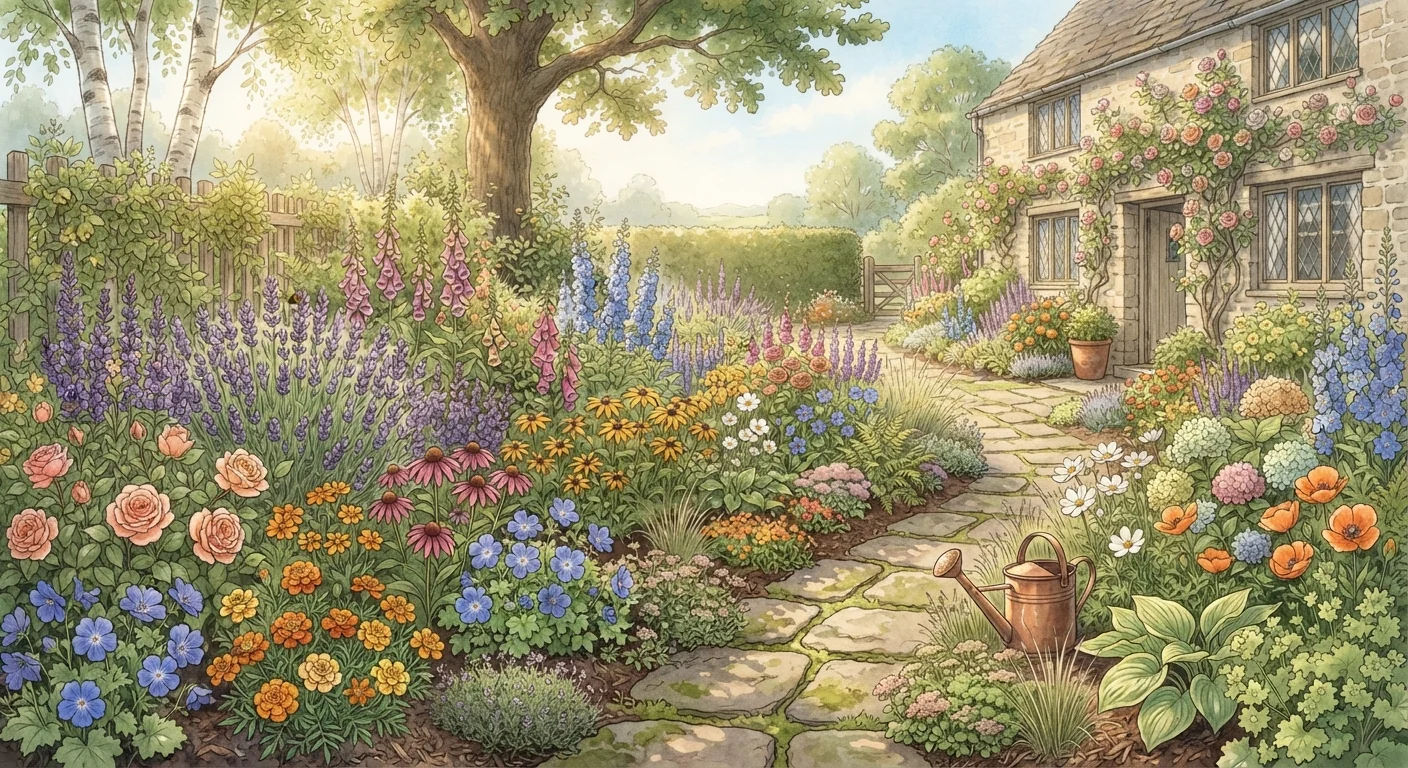
The most successful home gardens don't choose sides — they use perennials and annuals together intentionally. A common approach is to plant perennials as the foundation, then tuck annuals into the spaces between them. As perennials spread and fill in over the years, you'll need fewer annuals to complete the picture.
When planning your layout, consider bloom timing across the entire growing season. Map out which perennials will flower in spring, which in midsummer, and which in early fall. Then use annuals strategically to cover the gaps. For a structured reference on what to plant and when, our seasonal yard care guide is a useful companion resource.
Also think about plant height and texture. Taller perennials like coneflowers or ornamental grasses anchor the back of a bed, while low-growing annuals like alyssum or lobularia can edge the front. This layering creates depth even when not everything is in bloom at once. Your planting setup — raised bed or in-ground will also influence which combinations work best in your specific space.