
What's Actually at Stake in This Choice
The decision between keeping traditional turfgrass and replacing it with ground cover alternatives touches on water use, weekend labor, local ecology, and even neighborhood expectations. Neither path is effort-free, and both involve real costs — upfront or ongoing. Understanding those trade-offs clearly is the first step toward a yard that works for your life.
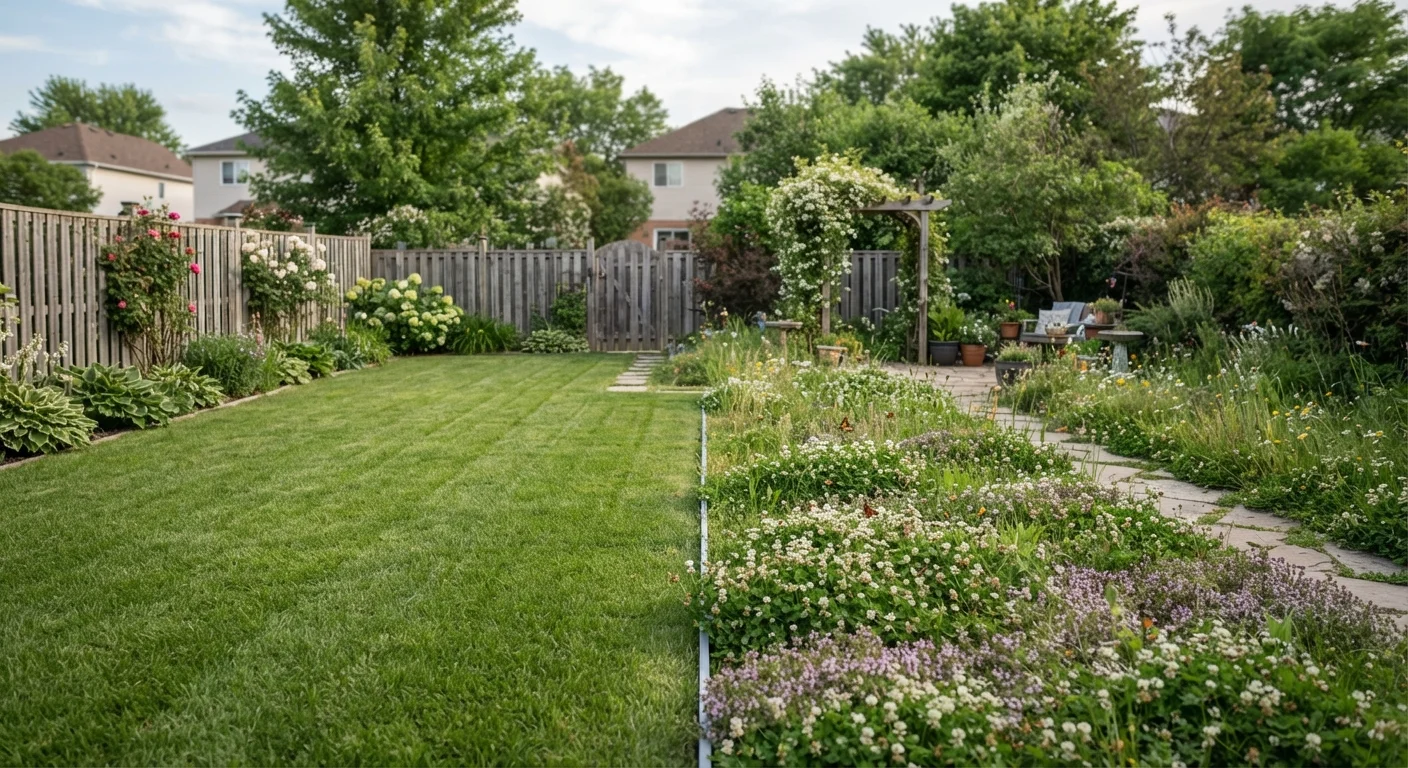
Common ground cover alternatives include white clover, creeping thyme, buffalo grass, native sedges, moss, and a variety of low-growing native wildflowers. Each behaves differently depending on your region, soil type, and sun exposure. For context on how plant type affects long-term garden planning, see our guide on perennials vs. annuals.
The Case Against Traditional Turf
Conventional lawn grass — particularly cool-season varieties like Kentucky bluegrass and warm-season types like Bermuda — performs well underfoot and looks polished, but it comes with a demanding maintenance profile.
~30–60%
Of home water use attributed to outdoor irrigation
According to the U.S. Environmental Protection Agency (EPA), outdoor water use — much of it for lawn irrigation — represents a substantial share of residential water consumption in many parts of the country.
~40 million acres
Estimated area of turfgrass in the United States
Research from NASA and other institutions has estimated that turfgrass covers a larger area of the contiguous U.S. than any irrigated crop, underscoring its environmental footprint.
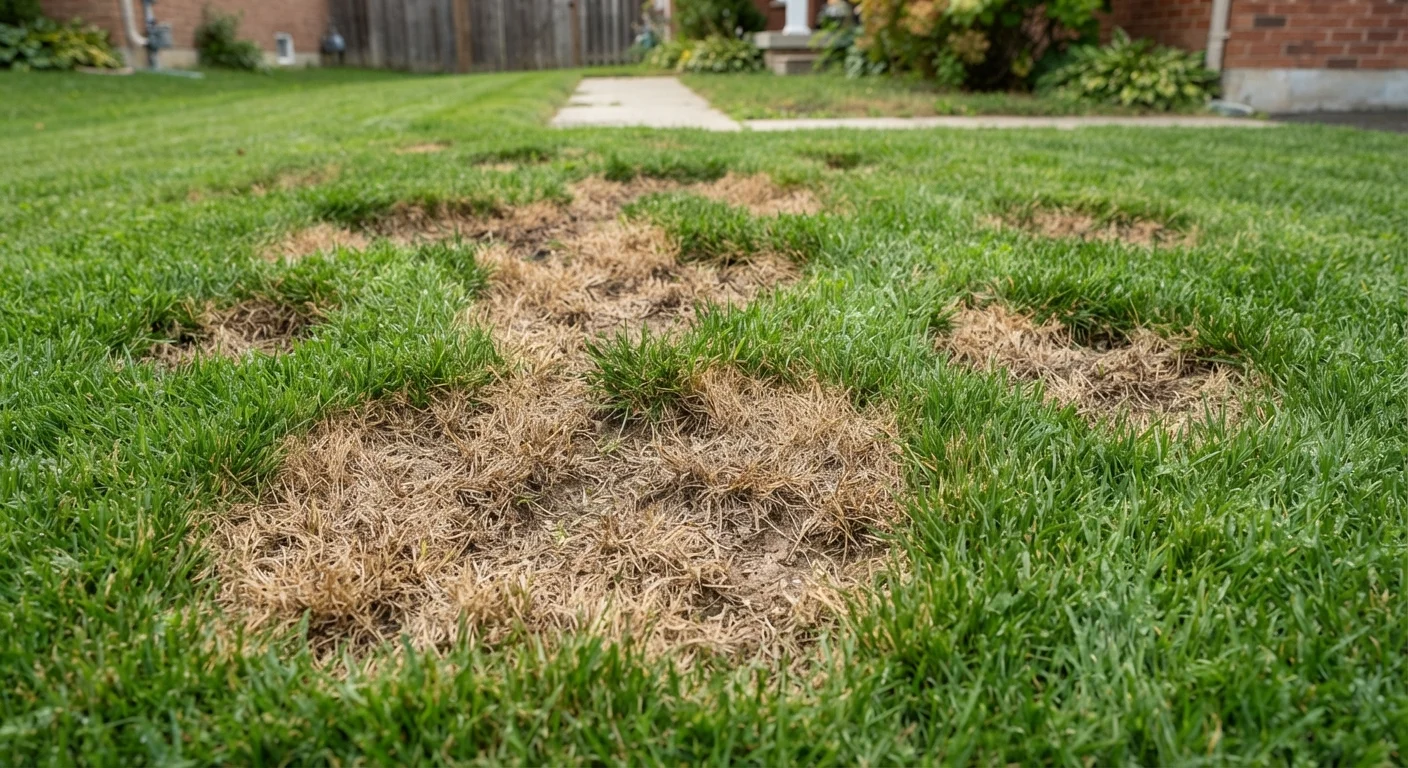
If your lawn is already showing signs of stress, it's worth understanding what's driving the problem before choosing a replacement. Our article on what causes brown patches in lawns can help you distinguish between a maintenance issue and a systemic one.
Ground Covers: Ecological Wins and Practical Limits
Ground cover alternatives can dramatically reduce irrigation and fertilizer needs once established — but "once established" is the operative phrase. Many options, particularly native wildflower mixes and sedges, require a full growing season or two before they crowd out weeds reliably.
Clover is a nitrogen fixer, meaning it naturally enriches the soil it grows in. Creeping thyme releases fragrance underfoot and supports bees. Native sedges provide habitat for ground-nesting insects. These ecological advantages are genuine, though they won't matter if the plants fail to thrive in your specific conditions.
Regional Fit Matters More Than Trends
A ground cover that thrives in the Pacific Northwest may struggle in the Southeast's humidity or a Midwest winter. Before committing to any alternative, research species suited to your USDA hardiness zone and local soil conditions. Your local cooperative extension service is a reliable, free resource for regionally appropriate plant recommendations.
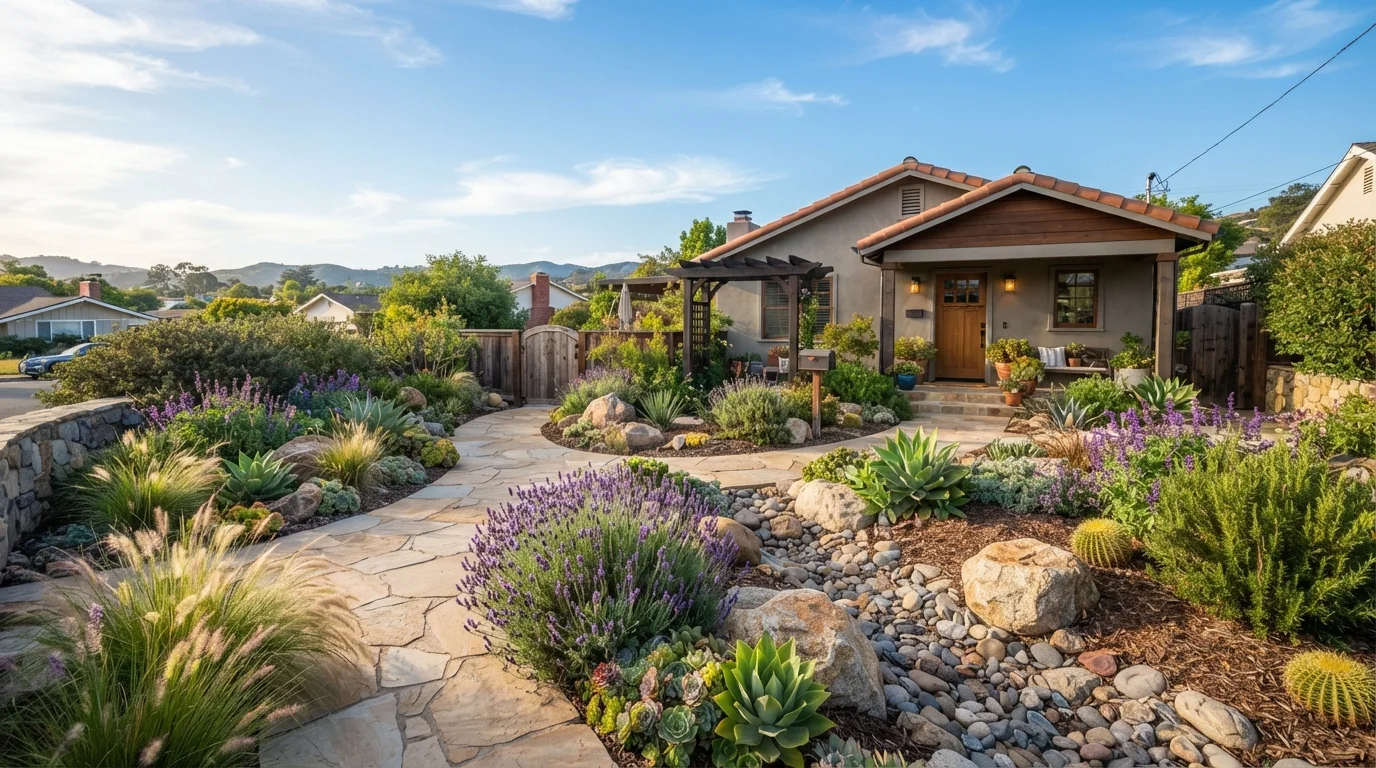
If water conservation is a primary driver, ground covers pair well with the broader landscaping strategies outlined in our drought-tolerant landscaping guide.
Costs, HOA Rules, and Practical Transitions
Seeding a ground cover alternative is often less expensive than laying sod, but it requires patience. Plugs and seed mixes vary in cost depending on coverage area and plant type. Sod, while faster, carries a higher upfront cost and still needs irrigation to establish.
Before making any changes, check your local HOA covenants and municipal codes. Some neighborhoods restrict lawn alternatives based on plant height or appearance. Others now actively incentivize them through rebate programs for removing traditional turf — verify current local programs through your municipality or water utility directly.
During the transition period, bare soil is vulnerable to erosion and weed pressure. Temporary mulching can bridge that gap effectively. Our guide to mulch types covers what works best for different situations. For year-round lawn care timing that applies regardless of which surface you choose, our seasonal yard care reference is a useful companion.