
Brown Patches Are Rarely Just a Watering Problem
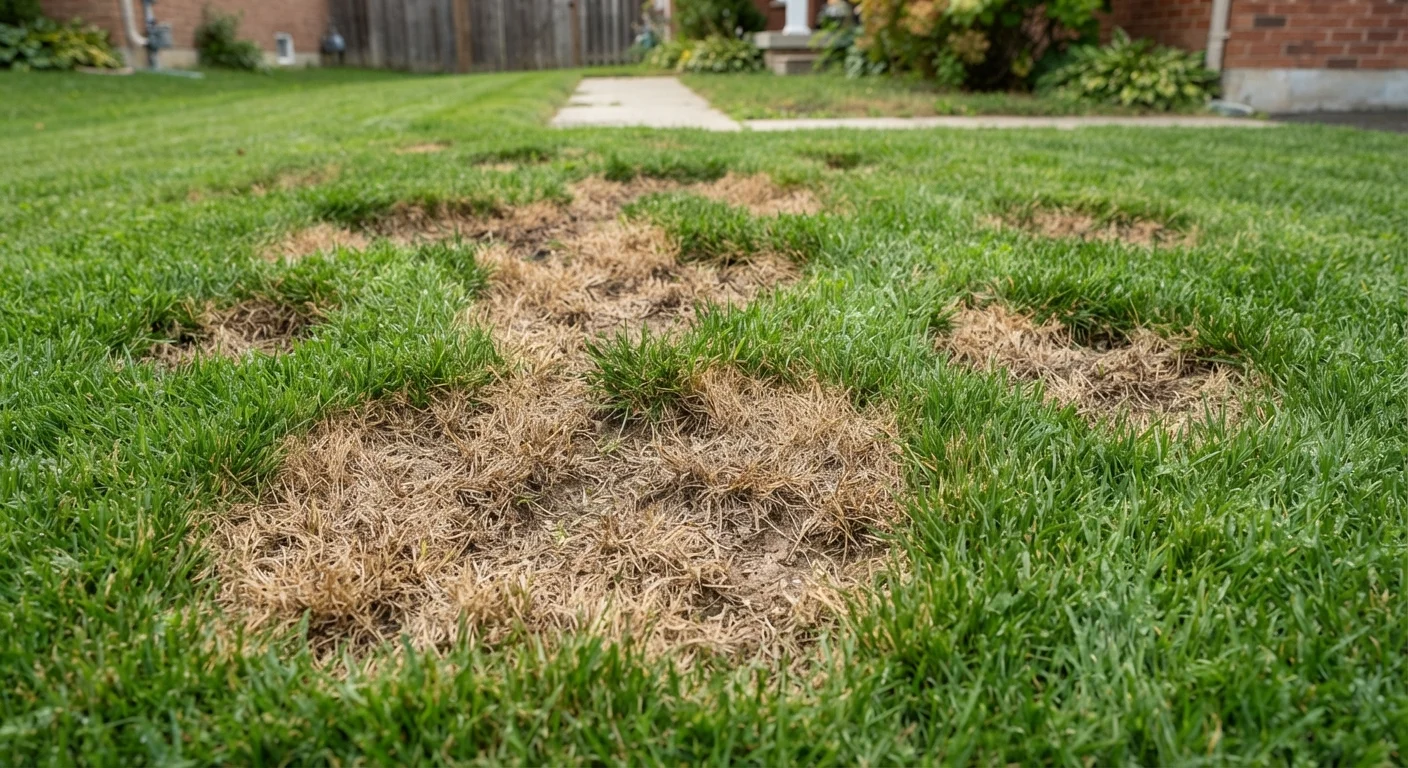
When a lawn starts showing brown, dead-looking areas, most homeowners reach for the hose. Sometimes that helps. Often it doesn't — and it can actually make things worse. Brown patches are one of the most misread signals a lawn sends, and treating the wrong cause means the real problem continues to spread.
The shape, size, and location of a patch tell you a lot. Irregular, spreading rings suggest fungal disease. Spongy turf that peels back like carpet usually points to grubs below the surface. Grass that browns in high-traffic areas with cracked soil is almost certainly compacted. Getting the diagnosis right is the first step toward a real fix.
Our guide to common watering myths covers how well-meaning irrigation habits can silently damage turf — worth reviewing before you assume your sprinkler schedule is adequate.
Assuming every brown patch is caused by underwatering and responding by increasing irrigation.
Why it happens: Drought damage is the most visible and familiar cause of brown grass, so it's the go-to assumption. Most homeowners haven't been taught to distinguish it from other causes.
Applying broad fungicide when the actual problem is grub damage beneath the soil surface.
Why it happens: Fungicide is often the first product people reach for because the damage looks like disease. The visual symptoms of grub damage and fungal infection can look similar from above.
Mowing wet grass or using a dull blade, then wondering why damage appears along mowing lines.
Why it happens: Homeowners often mow on a schedule regardless of grass conditions, and blade sharpening is easy to overlook.
Ignoring soil compaction and repeatedly reseeding brown patches without addressing the root cause.
Why it happens: Compacted soil isn't visible, so the natural instinct is to focus on the grass itself rather than what's happening underground.
Letting thatch build up past half an inch, which traps moisture and creates ideal conditions for disease.
Why it happens: Thatch — the layer of dead organic material between grass blades and soil — accumulates slowly and isn't obvious until problems appear.
How to Read Your Lawn Before Reaching for a Fix
Before applying any treatment, spend five minutes investigating the affected area. Pull gently on the brown grass — if it lifts easily and you spot white, C-shaped larvae underneath, grubs are likely the culprit. If the grass resists pulling, has a pink or orange hue at the base, and the patch has a circular or irregular ring shape, suspect fungal disease. Check your soil too: press a screwdriver into the ground in a brown area. If it won't penetrate more than two inches, soil compaction may be cutting off root oxygen and water.
Don't Treat Without Diagnosing First
Applying fungicide to grub damage, or watering more when the problem is fungal, wastes time and money — and can deepen the damage. Pesticide or chemical treatments should only be considered after confirming the cause, and always follow product label instructions carefully. When in doubt, contact your local cooperative extension office for free or low-cost lawn diagnostic guidance.
Also look at your mowing patterns. Brown stripes or patches that mirror your mowing lines are often caused by dull blades, which tear rather than cut grass and leave jagged edges vulnerable to disease and dehydration. Scalping — mowing too low — stresses turf and causes browning, particularly in hot weather.
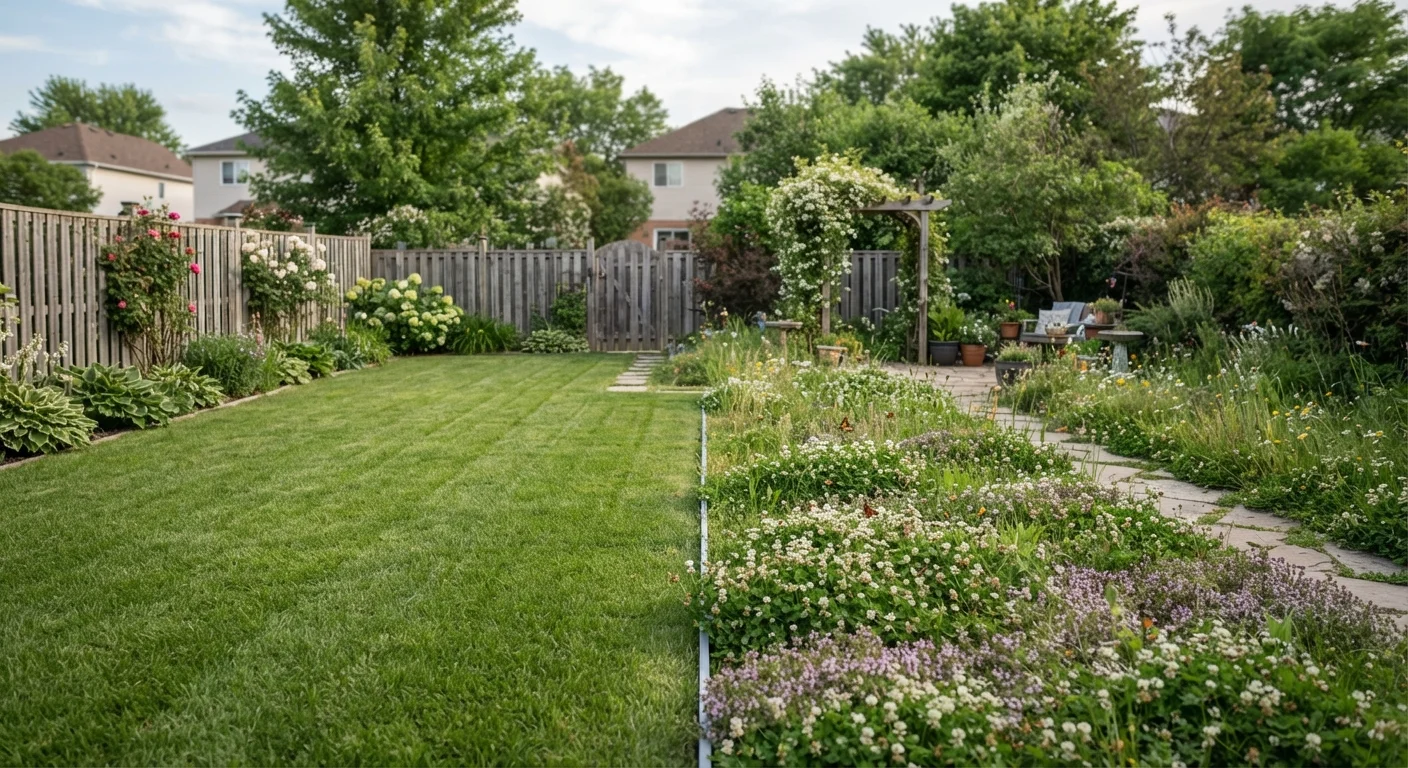
If you're weighing whether a traditional lawn is worth maintaining at all, the trade-offs between lawn grass and ground cover alternatives are worth understanding before committing to long-term remediation.
Building Habits That Keep Brown Patches From Returning
Most recurring patch problems trace back to a few fixable maintenance gaps. Aerate compacted soil at least once a year — fall is ideal for cool-season grasses, spring for warm-season varieties. Core aeration (where a machine pulls plugs from the soil) is more effective than spike aeration and allows water, air, and nutrients to reach roots more efficiently.
~1 inch
Weekly water most established lawns need
University extension programs across the U.S. generally recommend one inch of water per week, including rainfall, for most cool- and warm-season turfgrasses.
½ inch
Maximum healthy thatch layer depth
Lawn care educators consistently note that thatch layers exceeding half an inch restrict water movement and create conditions favorable to fungal disease.
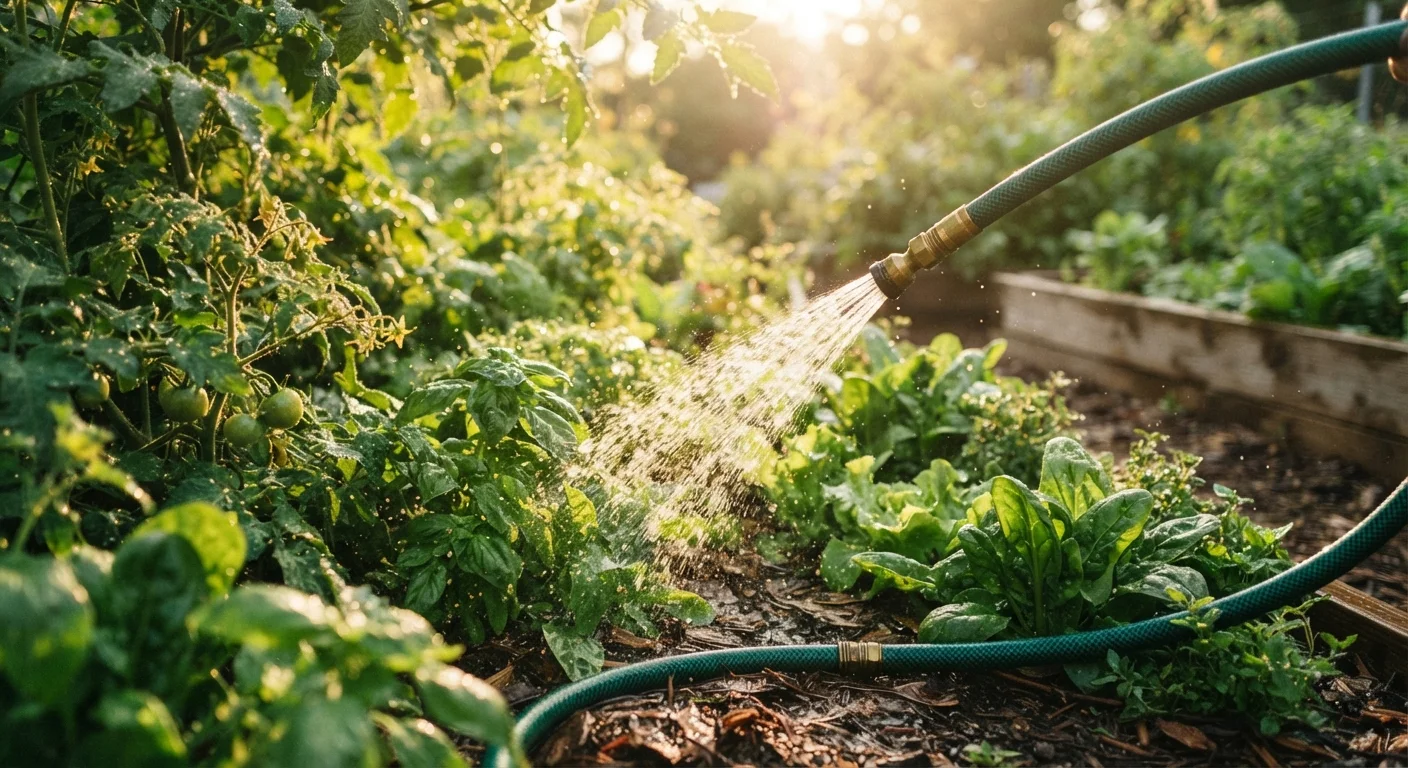
Water deeply and infrequently rather than lightly every day. Shallow watering encourages shallow roots that struggle during dry spells and become more susceptible to fungal conditions. Most established lawns benefit from about one inch of water per week, delivered in one or two sessions. Watering in the early morning — rather than evening — allows grass blades to dry before nightfall, reducing fungal risk significantly.
Sharpen mower blades at least once per season, and never cut more than one-third of the grass blade height at once. If you're considering reducing your overall lawn maintenance burden long-term, drought-tolerant landscaping principles offer practical strategies for a lower-input yard.