
Why Watering Myths Are So Hard to Shake
Watering feels intuitive — plants need water to survive, so giving them more should be better, right? That logic has quietly driven some of the most persistent misconceptions in home gardening. Many common habits, passed down through generations or repeated on packaging labels, are either outdated or simply wrong. The result is stressed plants, wasted water, and frustrated gardeners who can't figure out what went wrong.
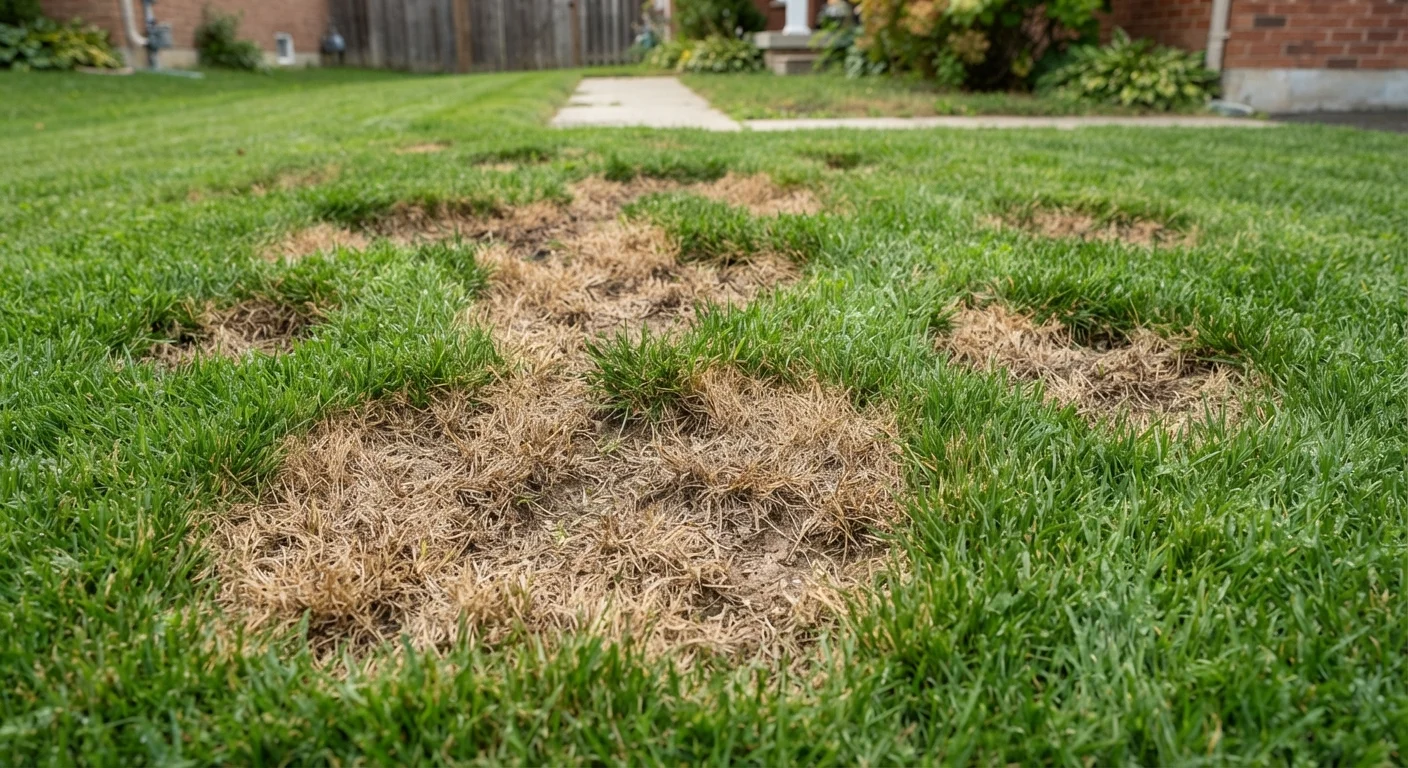
The good news is that correcting these habits is straightforward once you understand what plants actually need. If you've been dealing with unexplained brown patches, consider reading what's really causing brown spots — because watering is just one of several possible culprits.
Myth
Plants need to be watered every day to stay healthy.
Fact
Most established plants do better with deep, infrequent watering — typically once or twice a week, depending on conditions.
Daily shallow watering keeps moisture near the surface, which trains roots to stay shallow rather than growing deep into the soil. Shallow-rooted plants are more vulnerable to heat and drought because their roots can't access moisture stored deeper in the ground. Allowing the top inch or two of soil to dry between waterings encourages roots to reach downward, building a stronger, more self-sufficient plant over time. Exceptions exist for seedlings, container plants, and during extreme heat, but the general rule favors depth over frequency.
Myth
Watering in the middle of the day burns plant leaves by magnifying sunlight.
Fact
Water droplets on leaves do not focus sunlight enough to cause leaf scorch under normal garden conditions.
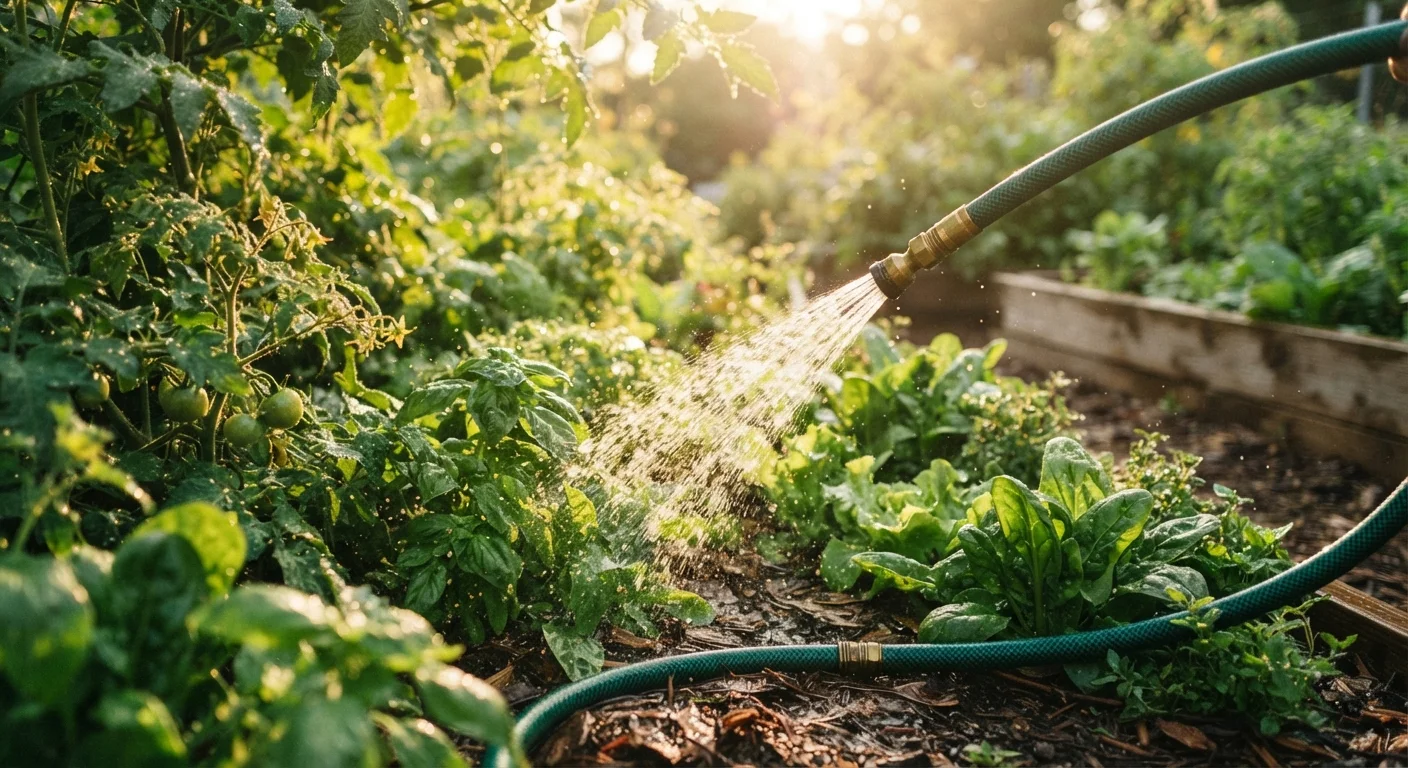
This belief has persisted for decades, but research has not found evidence that midday leaf wetness causes burning in outdoor garden settings. The real reason to avoid midday watering is efficiency: heat and direct sun cause water to evaporate quickly from the soil surface before plants can absorb it, meaning much of your effort is wasted. Early morning is the preferred time to water because the soil is cooler, evaporation rates are lower, and foliage has time to dry before nightfall — reducing the risk of fungal disease.
Myth
If a plant is wilting, it needs water immediately.
Fact
Wilting is a stress signal with multiple possible causes, including heat, root damage, overwatering, or disease — not just thirst.
Many plants wilt temporarily during the hottest part of the afternoon even when soil moisture is adequate — this is a normal heat-stress response, and they typically recover on their own by evening. Wilting caused by overwatering or root rot can look identical to drought wilt, but adding more water to an already-saturated root zone will accelerate the damage. Before reaching for the hose, check the soil: if it's moist two inches down, water is not the issue. Persistent wilting despite adequate moisture warrants a closer look at root health and drainage.
Myth
More water always means healthier plants.
Fact
Overwatering is one of the leading causes of plant death in home gardens, drowning roots and promoting rot.
Plant roots need both water and oxygen. When soil stays saturated for extended periods, air pockets fill with water and roots begin to suffocate. Overwatered plants often show yellowing leaves, mushy stems near the base, and a general decline that can easily be mistaken for underwatering — leading gardeners to add even more water. Well-draining soil and containers with drainage holes are essential safeguards, and matching watering frequency to the plant's actual needs (rather than a fixed schedule) prevents most overwatering problems.
Myth
Established trees and shrubs don't need supplemental watering.
Fact
Even established woody plants can struggle during extended drought and may need occasional deep watering during dry spells.
It's true that established trees and shrubs are far more drought-tolerant than annual flowers or vegetables. However, during prolonged dry periods — especially in summer — even mature plants can experience stress that weakens them and makes them more susceptible to pests and disease. A slow, deep watering at the drip line (the outer edge of the canopy) allows moisture to reach the deeper root zone where it's most useful. Signs of stress in woody plants, such as early leaf drop or yellowing, are worth investigating rather than ignoring.
Watering Smarter: What the Evidence Supports
Once you let go of the myths, a clearer picture emerges: most plants thrive with deep, infrequent watering, delivered at the soil level, early in the day. Soil type matters enormously — clay soils retain moisture far longer than sandy soils, so blanket watering schedules rarely serve every yard equally. Before watering, push a finger two inches into the soil; if it still feels moist, wait.
Overwatering Damage Can Be Irreversible
Root rot caused by prolonged overwatering is difficult to reverse and often fatal to the plant. If you suspect root rot — evidenced by mushy roots, foul-smelling soil, or collapse despite moist soil — reduce watering immediately and improve drainage. In severe cases, even corrective action may not save the plant. When in doubt, err on the side of watering less rather than more.
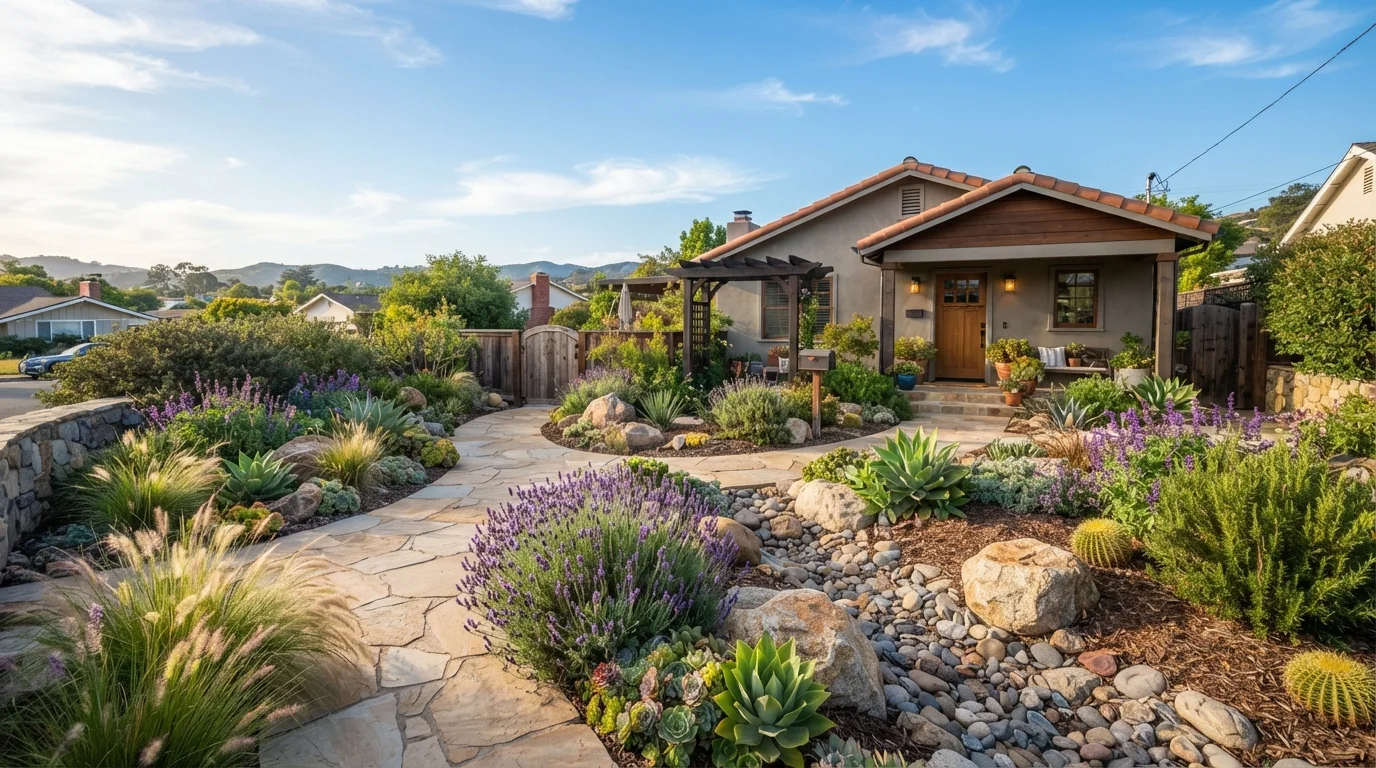
Mulching is one of the most underrated tools for reducing watering frequency. A two- to three-inch layer of organic mulch around plants slows evaporation, moderates soil temperature, and reduces the water demands of even thirsty plants. If you're interested in reducing irrigation needs more broadly, our guide to drought-tolerant landscaping principles covers soil strategies and plant selection that work together to make your yard far more resilient.
Myth-busting in the garden isn't just about plants — it's a useful habit in general. The same critical thinking applies whether you're evaluating home maintenance advice or scrutinizing what you've always believed about diet and health.