
Why Mulch Matters More Than Most Gardeners Realize
Mulch is one of the most versatile tools in a home gardener's kit. Spread across the soil surface, it reduces moisture loss, regulates soil temperature, suppresses weeds, and — depending on the type — can gradually improve soil structure as it breaks down. Choosing the wrong mulch for the job, however, can create problems: matted lawns, nitrogen-starved plants, or ineffective weed control.
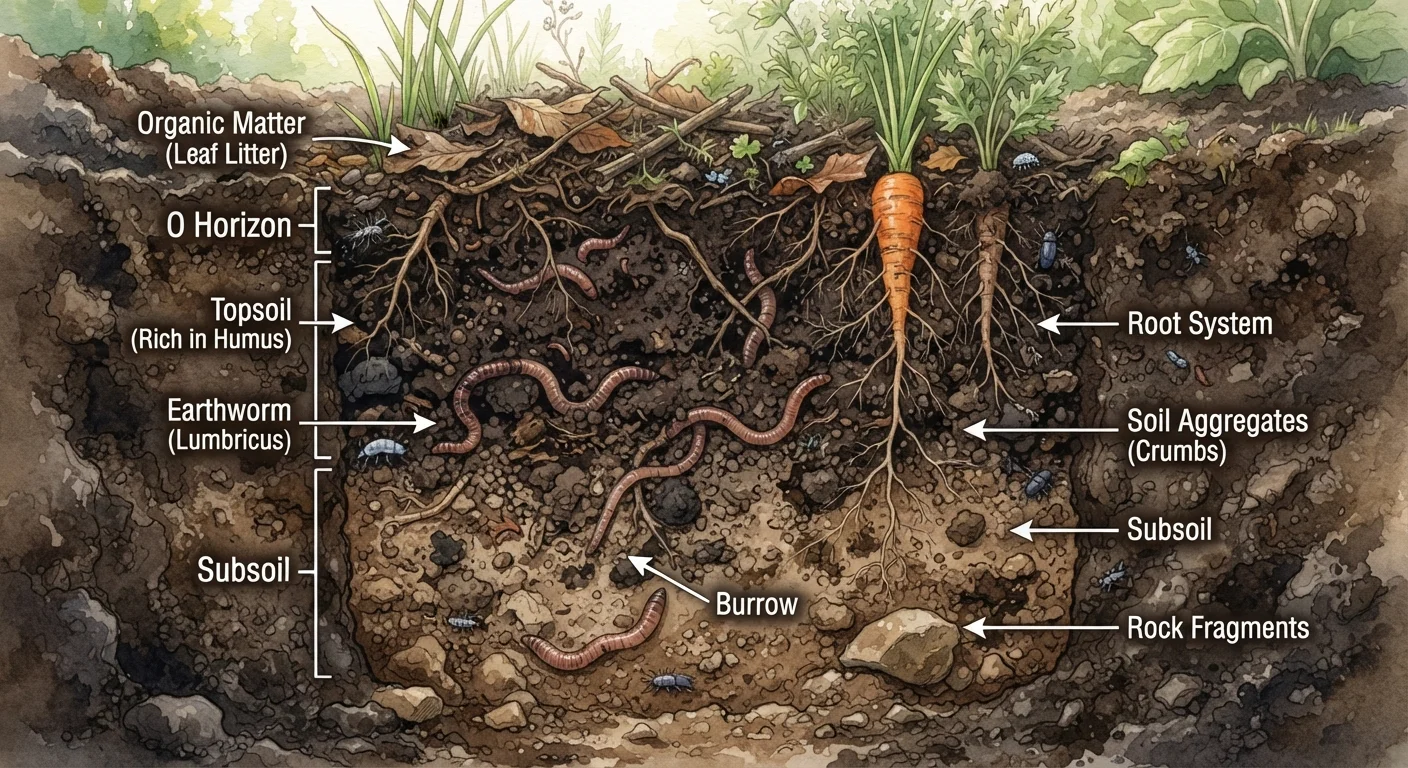
Understanding what each mulch type does well (and where it falls short) helps you spend your time and money wisely. This guide walks through the most common mulch materials, what they're suited for, and what to watch out for when using each one. For a deeper look at what's happening beneath the mulch layer, see our guide to soil health.
| Recommended organic mulch depth | 2–3 inches (General horticultural guidance) |
| Keep mulch away from plant stems | At least 2–3 inches of clearance (University extension guidance) |
| Wood chip lifespan | 2–4 years before replenishment (Varies by climate and wood type) |
| Straw vs. hay | Use straw — hay contains weed seeds (Common beginner mistake) |
| Gravel mulch best use | Drought-tolerant and heat-loving plants |
| Rubber mulch suitability | Not recommended for edible gardens (Ongoing research on chemical leaching) |
Organic Mulch Types: Feed the Soil While You Cover It
Organic mulches decompose over time, adding organic matter to the soil. They generally need to be replenished annually or every other season.
Organic mulch
Mulch made from plant-based or natural materials that decompose over time, such as wood chips, straw, or shredded leaves. As it breaks down, it adds organic matter to the soil.
Inorganic mulch
Mulch made from materials that do not decompose, such as gravel, river rock, or rubber. It is longer-lasting than organic mulch but provides no soil nutrition.
Nitrogen tie-up
A temporary condition where microorganisms breaking down carbon-rich materials like fresh wood chips consume available soil nitrogen, reducing what's accessible to nearby plants.
Xeriscaping
A landscaping approach designed to reduce or eliminate the need for irrigation, typically using drought-tolerant plants and water-conserving materials like gravel mulch.
Mulch depth
The thickness of mulch applied to a garden bed. Most recommendations suggest 2–3 inches for organic mulches — enough to suppress weeds and retain moisture without suffocating plant roots.
Wood Chips and Shredded Bark
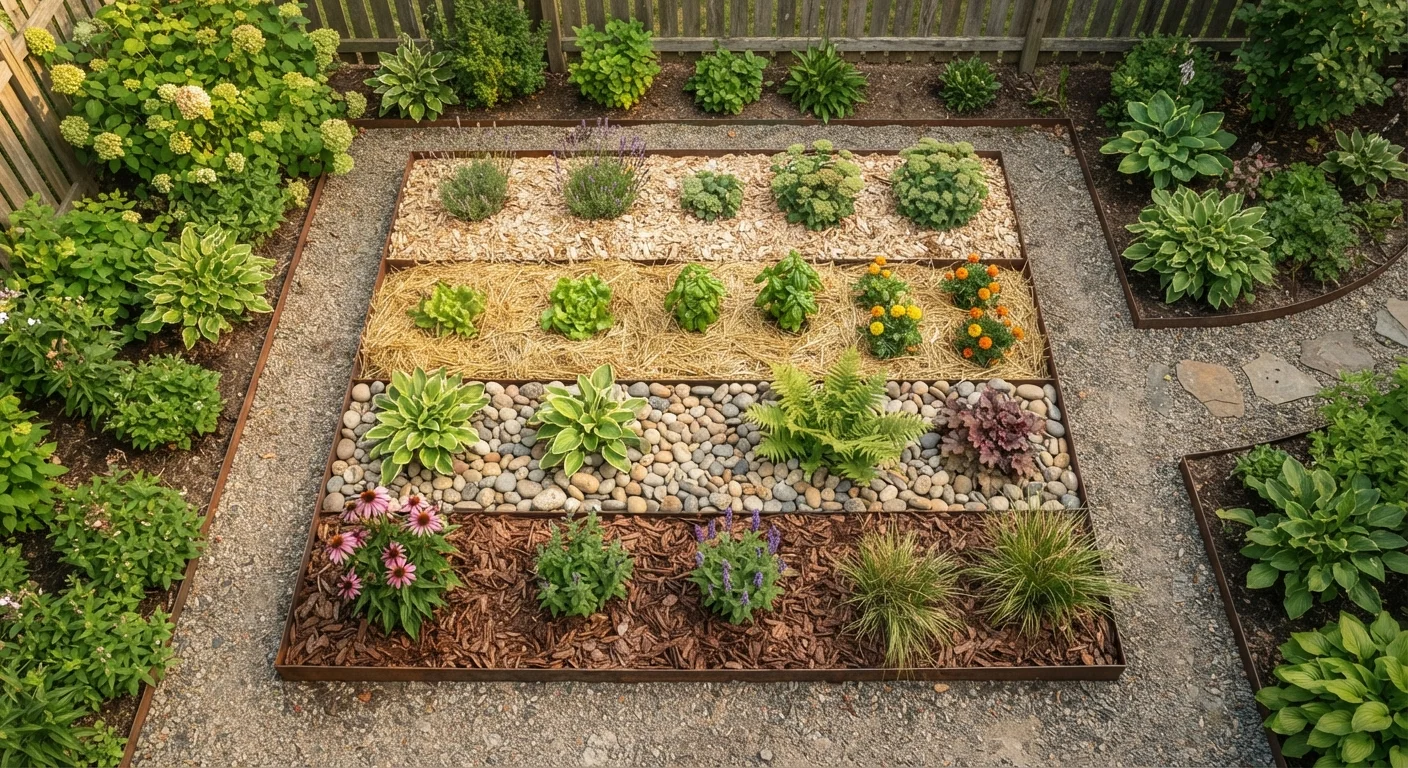
Best for: Permanent garden beds, around trees and shrubs, pathways between beds. Wood chips are long-lasting, attractive, and excellent at retaining moisture. Avoid piling them directly against tree trunks or plant stems — this traps moisture and can cause rot. Fresh, un-aged wood chips can temporarily tie up nitrogen in the soil as they break down, so allow a season before using them around vegetable gardens.
Straw
Best for: Vegetable gardens, new grass seeding, and overwintering beds. Straw is lightweight, affordable, and breaks down quickly to improve soil structure. It's particularly useful for protecting raised beds and in-ground vegetable plots through the winter. Make sure you're buying straw (the stalks), not hay — hay contains seeds that will germinate into weeds.
Shredded Leaves
Best for: Around perennials, woodland garden areas, and as a free fall mulch. Shredded leaves are nutrient-rich, widely available, and easy to make at home with a lawn mower. Whole leaves can mat together and repel water, so shredding them first is important. They break down faster than bark and may need topping up mid-season.
Compost
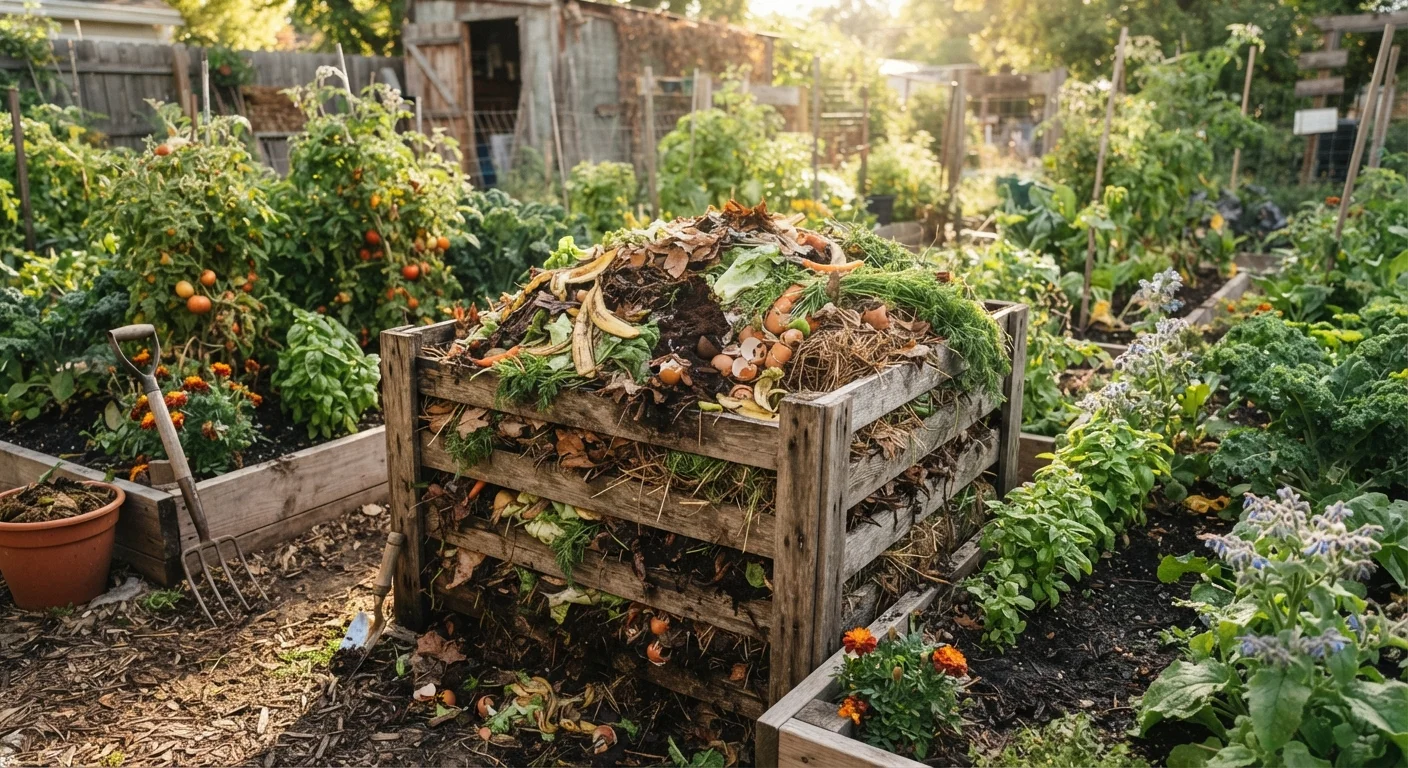
Best for: Vegetable gardens and new planting areas where soil improvement is a priority. Compost applied as mulch feeds soil biology while suppressing light weed growth. It doesn't last as long as bark mulch, but the soil benefits make it worth it. Learn how to make your own with our home composting guide.
Inorganic Mulch Types: Lower Maintenance, Different Trade-Offs
Inorganic mulches don't decompose, so they don't need annual replacement — but they also don't improve soil. They suit specific landscape situations where durability and appearance matter more than soil enrichment.
River Rock and Gravel
Best for: Xeriscaping, drought-tolerant plantings, and decorative paths. Rock mulch reflects heat, which benefits heat-loving succulents and Mediterranean herbs but can stress plants that prefer cool roots. It's essentially permanent once installed, so choose your placement carefully. Weeds can still root in the gaps over time as organic debris accumulates, so occasional maintenance is still needed. Gravel works well alongside low-water ground cover alternatives in water-conscious landscapes.
Rubber Mulch
Best for: Playground areas and high-traffic utility zones. Rubber mulch, typically made from recycled tires, is durable and cushioning. It's not recommended for vegetable gardens or edible landscapes, as some studies raise questions about chemical leaching — though research is ongoing and conclusions vary. For ornamental beds, it provides long-term weed suppression but does not benefit soil.
Landscape Fabric
Best for: Under rock mulch in permanent landscape installations. Fabric alone is rarely effective long-term — weed seeds germinate in the debris that accumulates on top of it. It's most useful as a layer beneath gravel to prevent stones from sinking into the soil rather than as a standalone weed barrier.
Don't Pile Mulch Against Stems or Trunks
A common mistake called "volcano mulching" — piling mulch up against tree trunks or plant stems — traps moisture and creates conditions for rot and pests. Always leave a gap of at least a few inches between mulch and any woody stem or trunk. Flat, even coverage across the soil surface is the goal.
When mulching around perennials and mixed plantings, organic mulches are generally the better long-term choice since they improve soil season after season.