
What Soil Is Actually Made Of
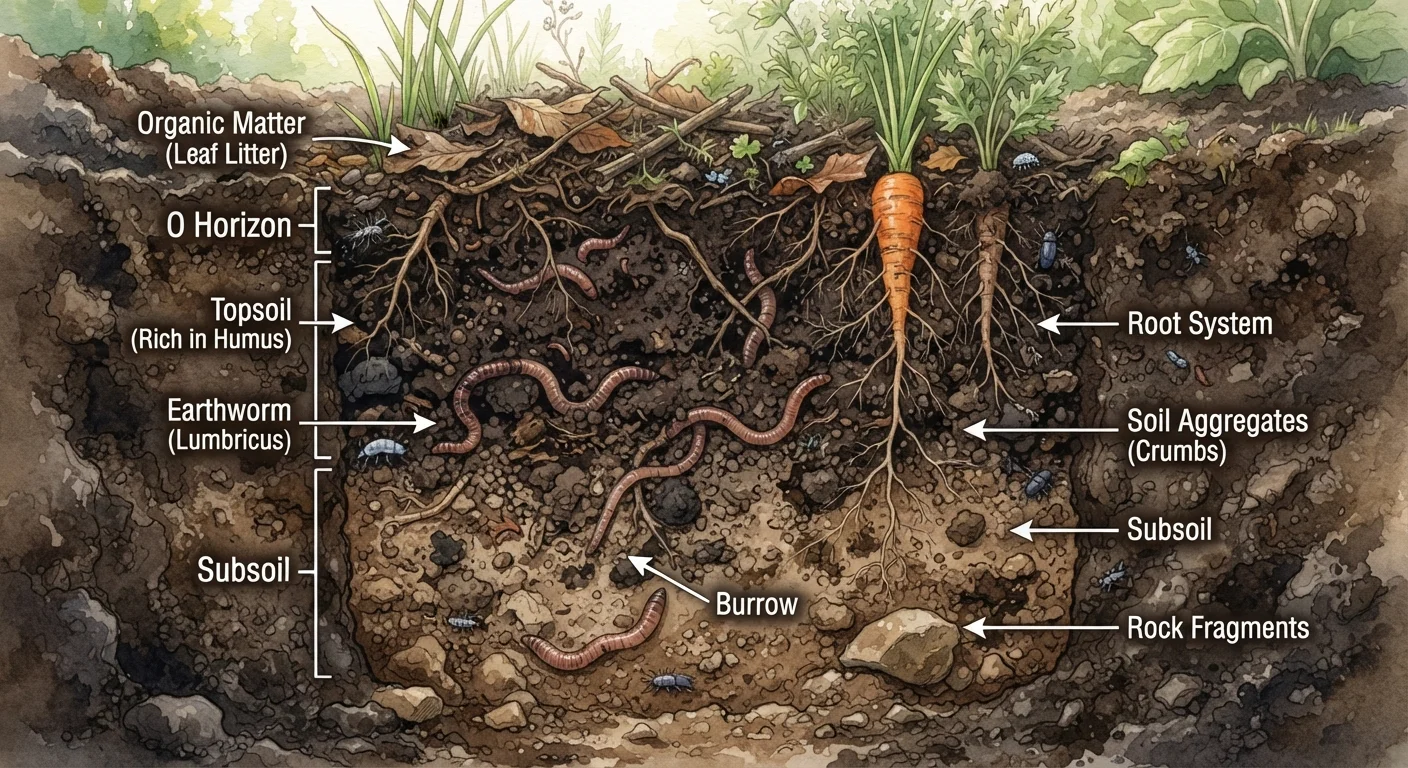
Pick up a handful of garden soil and you're holding a complex mixture of four main components: minerals, organic matter, water, and air. Ideally, those last two each make up about 25% of soil volume, with minerals accounting for roughly 45% and organic matter filling the remaining 5%. That 5% of organic matter does a disproportionate amount of work.
The mineral fraction comes from weathered rock — ground down over thousands of years into particles of varying sizes. These particles are classified as sand (largest), silt (medium), and clay (smallest). The ratio of these three determines your soil's texture, which affects how easily roots penetrate the ground, how well water drains, and how effectively nutrients are held in place.
Organic matter includes decomposed plant and animal material, living microorganisms, fungi, insects, and earthworms. This biological community drives the nutrient cycling that feeds your plants. Without it, even mineral-rich soil produces poor results.
~5%
Organic matter in ideal garden soil
Though it makes up a small fraction of soil volume, organic matter drives nutrient cycling, water retention, and biological activity.
1 billion+
Bacteria per teaspoon of healthy soil
USDA Natural Resources Conservation Service estimates highlight the extraordinary microbial density that makes soil a living ecosystem.
6.0–7.0
Optimal pH range for most garden plants
Most vegetables, grasses, and ornamentals absorb nutrients most efficiently within this slightly acidic to neutral pH window.
Soil Texture: Sand, Silt, and Clay
Understanding your soil's texture helps explain a lot of common gardening frustrations. Sandy soil drains quickly but doesn't hold nutrients well — plants may dry out fast and show deficiencies even after feeding. Clay soil holds nutrients and moisture but compacts easily, leaving roots starved of oxygen and waterlogged after rain. Silty soil sits in between, with good nutrient retention but a tendency to crust on the surface.
The gold standard is loam — a roughly equal mix of sand, silt, and some clay that drains well, holds nutrients, and supports healthy root growth. Most native soils skew toward one texture type, and that's okay. The goal isn't perfection; it's improvement.
You can do a rough texture test at home: wet a small amount of soil and try to roll it into a ribbon between your fingers. Clay soils form a long, smooth ribbon; sandy soils crumble immediately; loam holds shape briefly before breaking. This quick check gives you a working sense of what you're dealing with before any amendments.
Try a Simple Jar Test for Texture
Fill a clear jar one-third with soil, add water to nearly full, shake vigorously, and let it settle for 24–48 hours. Sand sinks first, silt settles in the middle, and clay forms the top layer. The relative thickness of each layer gives you a visual read of your soil's texture without any lab equipment.
Soil pH: The Key to Nutrient Availability
Soil pH is a measure of how acidic or alkaline your soil is, on a scale from 0 to 14. A reading of 7.0 is neutral; values below that are acidic and above are alkaline. Most common garden plants prefer a range between 6.0 and 7.0.
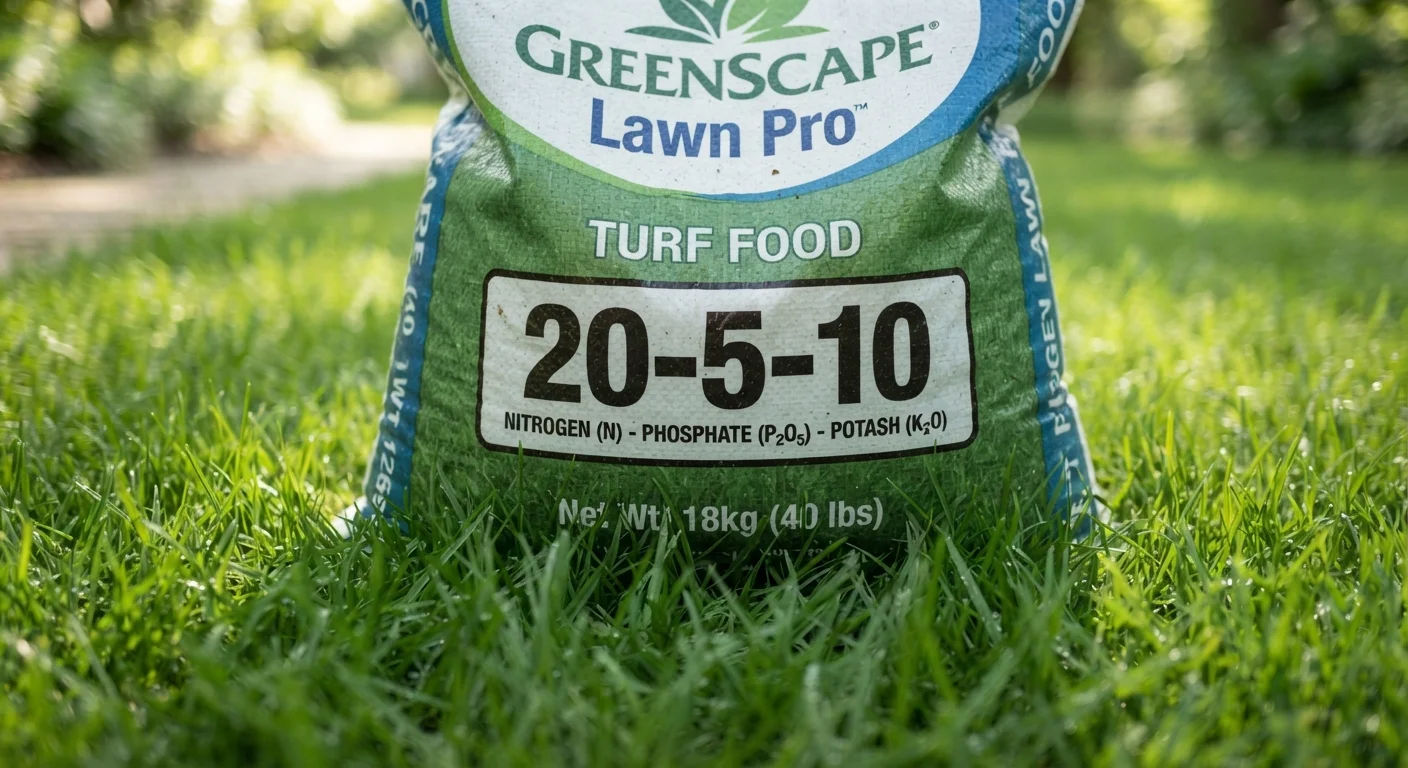
Here's why pH matters so much: it controls whether nutrients already present in the soil are in a form plants can actually absorb. Iron, manganese, and phosphorus all become less available outside the optimal pH window. You can add fertilizer regularly and still see yellowing leaves or stunted growth if the pH is off — the nutrients are there, but locked away from plant roots. This is one reason understanding fertilizer labels is only part of the picture.
To raise pH in overly acidic soil, gardeners commonly add lime (ground limestone). To lower it in alkaline soil, elemental sulfur is a typical amendment. Both work slowly — plan on several months before a meaningful shift. Always test before adding amendments, and retest afterward.
The Living Layer: Soil Biology
A single teaspoon of healthy garden soil can contain hundreds of millions of bacteria, along with fungi, protozoa, nematodes, and other organisms. This community is not incidental — it's essential. Soil microorganisms break down organic matter into nutrients plants can use, suppress certain diseases, improve soil structure, and even help roots access water during dry spells.
Earthworms are perhaps the most visible sign of a biologically active soil. They aerate the ground as they tunnel, and their castings (waste) are a concentrated source of plant-available nutrients. More worms generally signal better soil health.
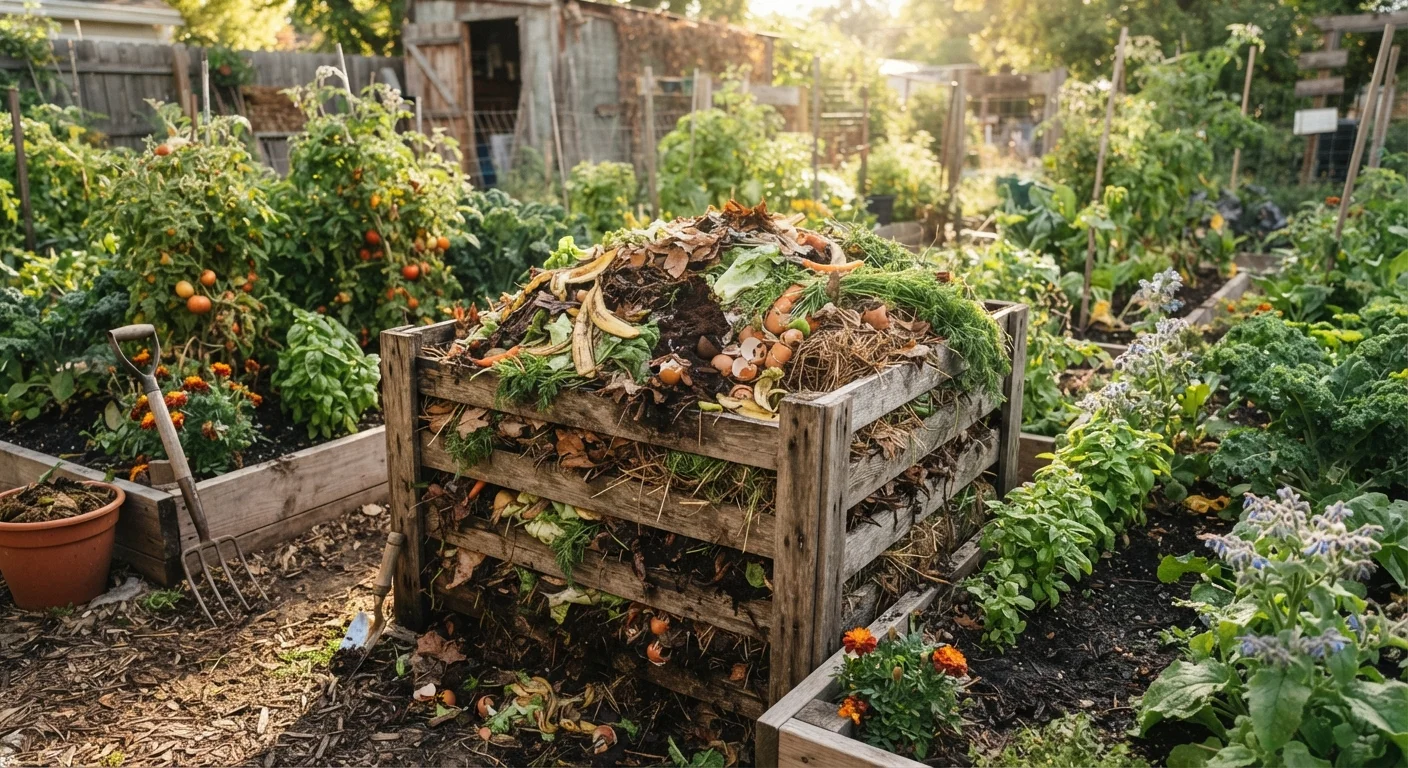
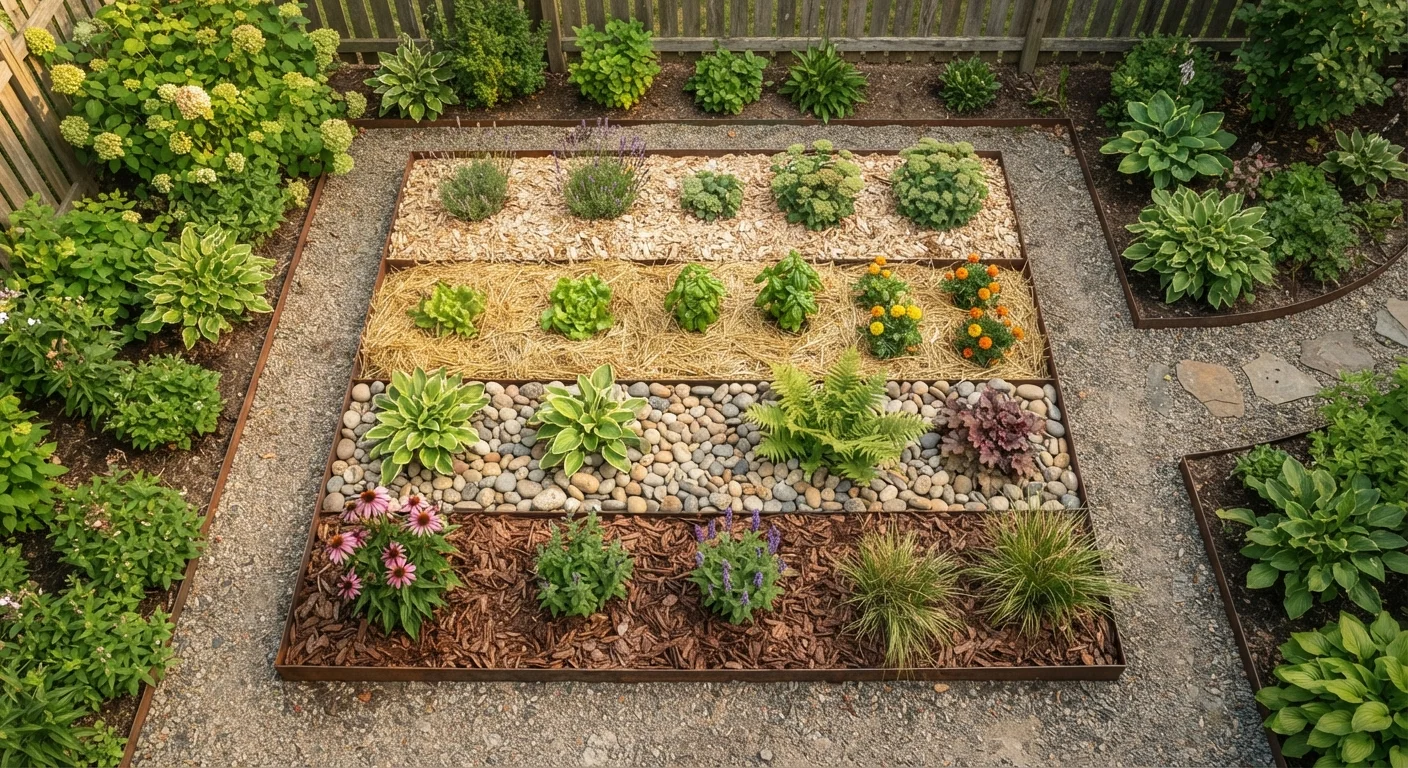
Soil biology is easily damaged by excessive tilling, heavy chemical inputs, and leaving soil bare and exposed to the elements. Practices like adding homemade compost, minimizing soil disturbance, and keeping beds covered with mulch all protect and encourage this living layer.
“Soil is not just a growing medium — it is a complex living system, and how we treat it determines how well everything growing in it will thrive.”
— USDA Natural Resources Conservation Service, Federal agency specializing in soil science and conservation
How to Start Improving Your Soil Today
The first and most useful step is a soil test. Many cooperative extension offices affiliated with land-grant universities offer inexpensive or free tests that report pH, organic matter content, and key nutrient levels with specific amendment recommendations for your region. This takes the guesswork out of what to add and how much.
From there, consistent additions of organic matter are the single most impactful habit. Compost worked into beds each season gradually improves both texture and biology. If you notice compaction — water pooling on the surface, hard-to-push trowel, sparse growth — consider aerating rather than just adding more fertilizer. Compacted soil, not nutrient deficiency, is often the culprit behind problems like brown patches in your lawn.
Whether you garden in raised beds or directly in the ground, the same principles apply: know your texture, monitor your pH, feed your soil biology, and give amendments time to work. Healthy soil builds gradually — but it's the most durable investment you can make in your garden.
Soil Improvement Takes Seasons, Not Days
It's common to add compost or lime and expect immediate results — but soil chemistry and biology change gradually. pH amendments may take 3–6 months to fully register, and building organic matter is a multi-season process. Patience, combined with consistent practice, is what produces lasting change.