
Breaking Down the Three Numbers
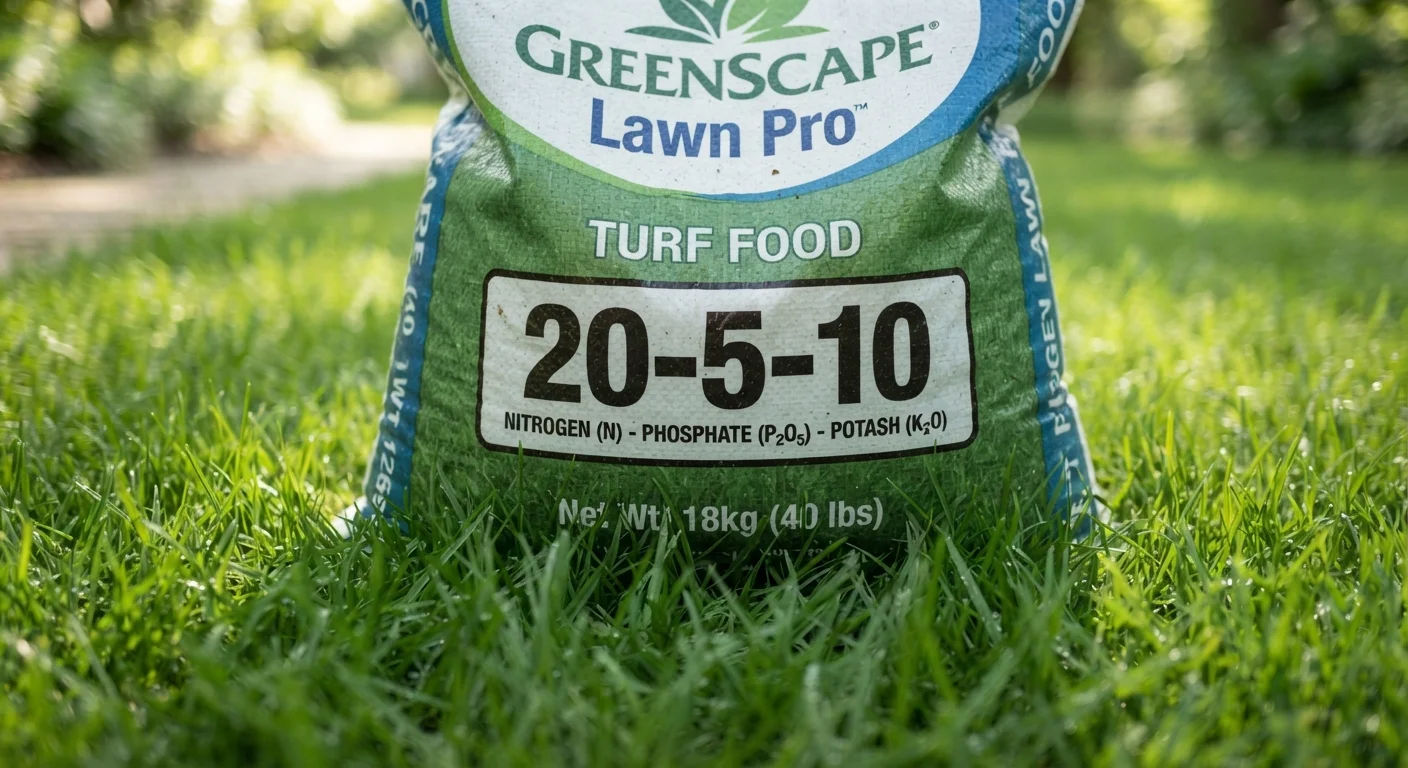
Pick up any bag of lawn fertilizer and you'll see three numbers separated by dashes — something like 28-0-6 or 10-10-10. These numbers are called the N-P-K ratio, and once you understand what each one represents, choosing a fertilizer becomes much more straightforward.
Here's the simple breakdown:
- N — Nitrogen: The first number. Nitrogen is the nutrient most responsible for green, leafy growth. A lawn low in nitrogen looks pale, thin, or yellowish.
- P — Phosphorus: The middle number. Phosphorus fuels root development and helps seedlings establish. It's most important for new lawns.
- K — Potassium: The last number. Potassium strengthens the grass plant overall, improving drought tolerance, disease resistance, and cold hardiness.
Each number is a percentage. A 50-pound bag labeled 20-5-10 contains 10 lbs of nitrogen, 2.5 lbs of phosphorus, and 5 lbs of potassium. The rest is filler that helps spread the nutrients evenly.
3
Primary macronutrients in every fertilizer bag
Nitrogen, phosphorus, and potassium (N-P-K) are classified as primary macronutrients by the Association of American Plant Food Control Officials.
~50%
Of U.S. states with phosphorus lawn restrictions
Roughly half of U.S. states have enacted some form of restriction or ban on phosphorus-containing lawn fertilizers to protect water quality, according to environmental policy analyses.
6–8 lbs
Typical nitrogen applied per 1,000 sq ft annually
University extension guidelines generally recommend 2–6 lbs of actual nitrogen per 1,000 sq ft per year depending on grass type, climate, and soil conditions.
What Each Nutrient Actually Does for Your Lawn
Nitrogen is the heavy lifter of lawn care. Grass is a leafy plant, and nitrogen feeds that leafy growth directly — it's the reason your lawn turns a deep, rich green after a spring feeding. Slow-release nitrogen formulas (sometimes labeled as 'controlled release') deliver nitrogen gradually over weeks, reducing the risk of burning and cutting down how often you need to fertilize.
Phosphorus works below the surface, encouraging a dense, deep root system. That's why fertilizers marketed for new grass seed or sod — often called starter fertilizers — tend to have a high middle number. Once a lawn is established, however, roots are typically sufficient, and excess phosphorus can run off into storm drains and waterways. Many U.S. states have regulations limiting phosphorus use on established lawns; check your local extension guidelines before applying.
Potassium is sometimes called the 'health nutrient' because it regulates cellular functions that help grass withstand stress. If your lawn struggles through summer heat or a cold snap, a potassium boost in fall can improve its resilience going into the next season.
Start With a Soil Test Before Buying
Before purchasing any fertilizer, consider getting a soil test through your local cooperative extension office. Results typically arrive within a few weeks and tell you exactly which nutrients are low — so you're buying what your lawn needs, not what's on sale. It's one of the most cost-effective steps you can take for long-term lawn health.
How to Choose the Right Ratio for Your Lawn
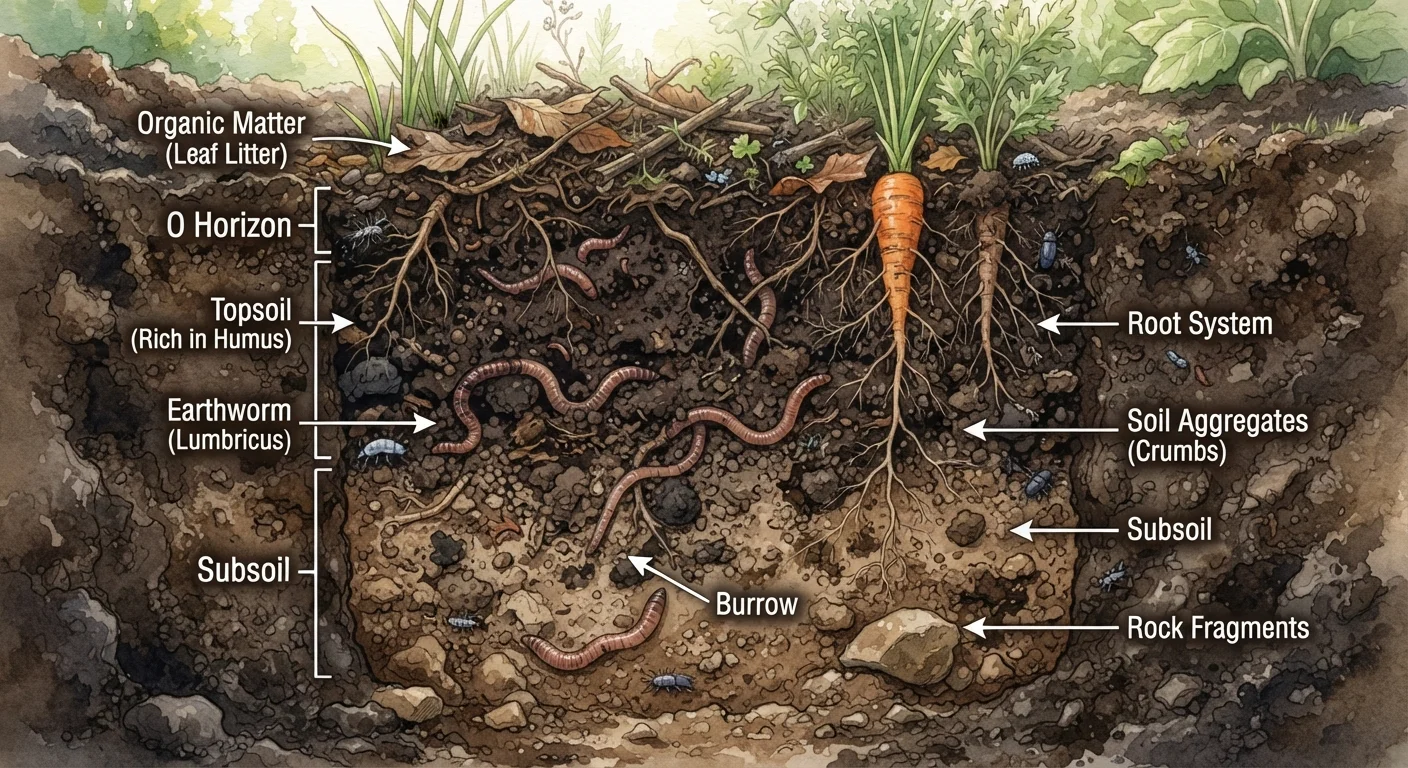
The right fertilizer depends on what your lawn is missing — and the only reliable way to find out is a soil test. Soil tests measure existing nutrient levels and pH, so you're not guessing. Many cooperative extension offices affiliated with state universities offer low-cost testing, and results typically include fertilizer recommendations tailored to your results. Our guide on soil health and composition is a helpful companion read before you fertilize.
Without a soil test, these general rules of thumb apply to most American lawns:
- Established lawns: Look for a higher first number (nitrogen). Ratios like 30-0-4 or 20-5-10 are common for routine feeding.
- New lawns from seed or sod: Choose a starter fertilizer with a higher middle number (phosphorus), such as 10-18-6.
- Fall maintenance: A lower nitrogen, higher potassium blend (like 5-0-20) helps prepare grass for winter dormancy.
Balanced fertilizers like 10-10-10 are sometimes marketed as all-purpose, but they can oversupply nutrients your lawn already has in adequate quantities, which wastes money and can contribute to runoff. Targeted ratios, guided by a soil test, are generally the smarter approach.
Application Tips to Get Results Without Causing Harm
Reading the N-P-K ratio is only half the equation — how you apply fertilizer matters just as much. Here are the key principles to follow:
- Follow the bag's rate exactly. More fertilizer does not mean faster results. Overapplication can burn grass and push nutrients into groundwater.
- Apply when rain isn't imminent. A heavy downpour shortly after application can wash nutrients off your lawn before the grass absorbs them.
- Use a spreader for even coverage. Uneven application causes streaky growth — dark green patches next to pale yellow ones.
- Water lightly after applying granular fertilizer (unless rain is expected within a day or two) to help nutrients start moving into the soil.
- Time your feedings to the growing season. Cool-season grasses (like fescue and bluegrass) respond best to fall and spring feeding. Warm-season grasses (like Bermuda and zoysia) thrive with summer applications.
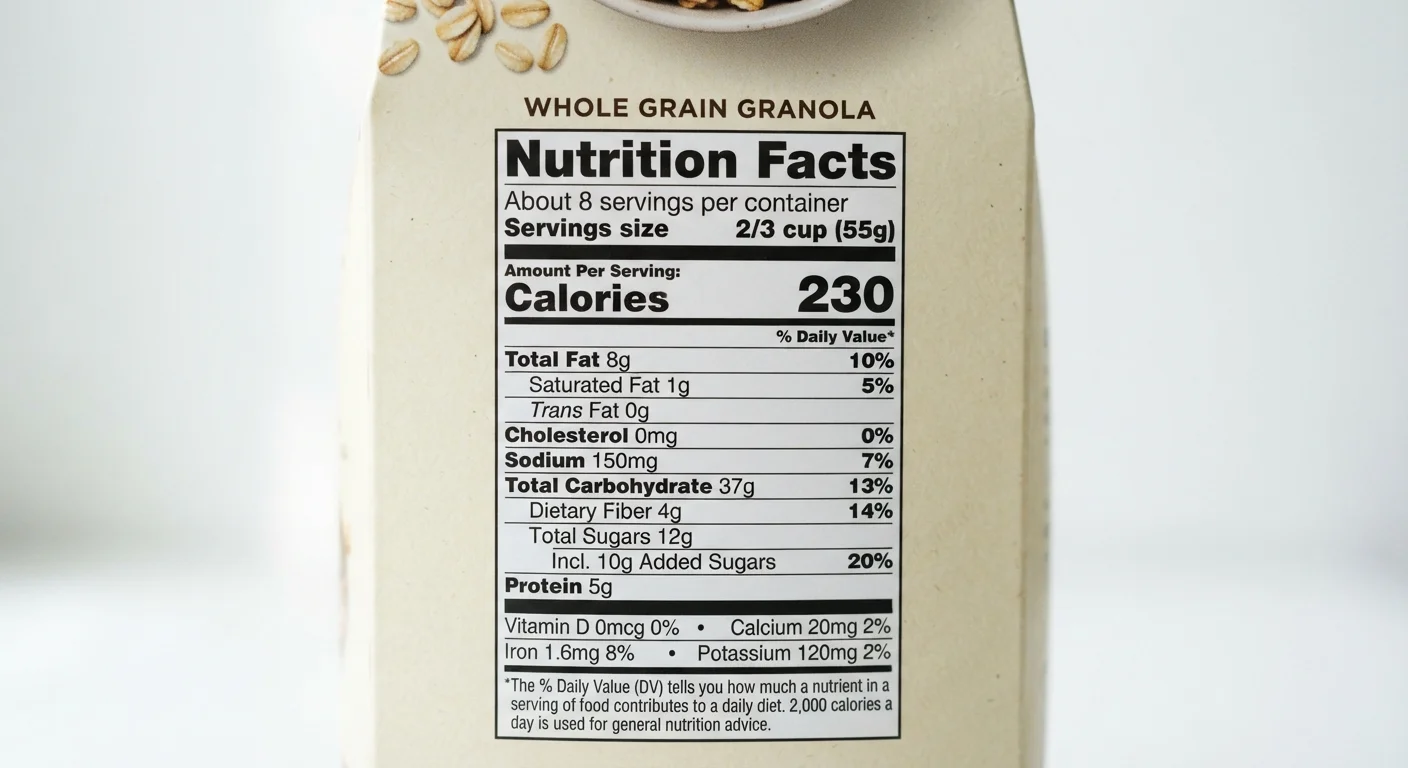
Think of fertilizing the way you'd think about reading a nutrition label on food — the goal isn't to maximize every number, but to give your lawn what it specifically needs. Just as understanding ingredient percentages helps you make smarter food choices (see our guide on reading a nutrition facts label), understanding N-P-K helps you feed your yard with purpose rather than guesswork.