
Choosing the Right Spot
Location is the single decision that shapes everything else in your vegetable garden. Most vegetables — especially tomatoes, peppers, beans, and squash — require a minimum of six hours of direct sunlight each day. Walk your yard at different times and note where sunlight falls longest. That's your plot.
Beyond sun, consider proximity to a water source. Hauling a hose across your property every day becomes a chore fast. A spot within easy reach of an outdoor spigot makes consistent watering far more likely. Also check for low areas where water pools after rain — waterlogged roots are a quick path to plant failure.
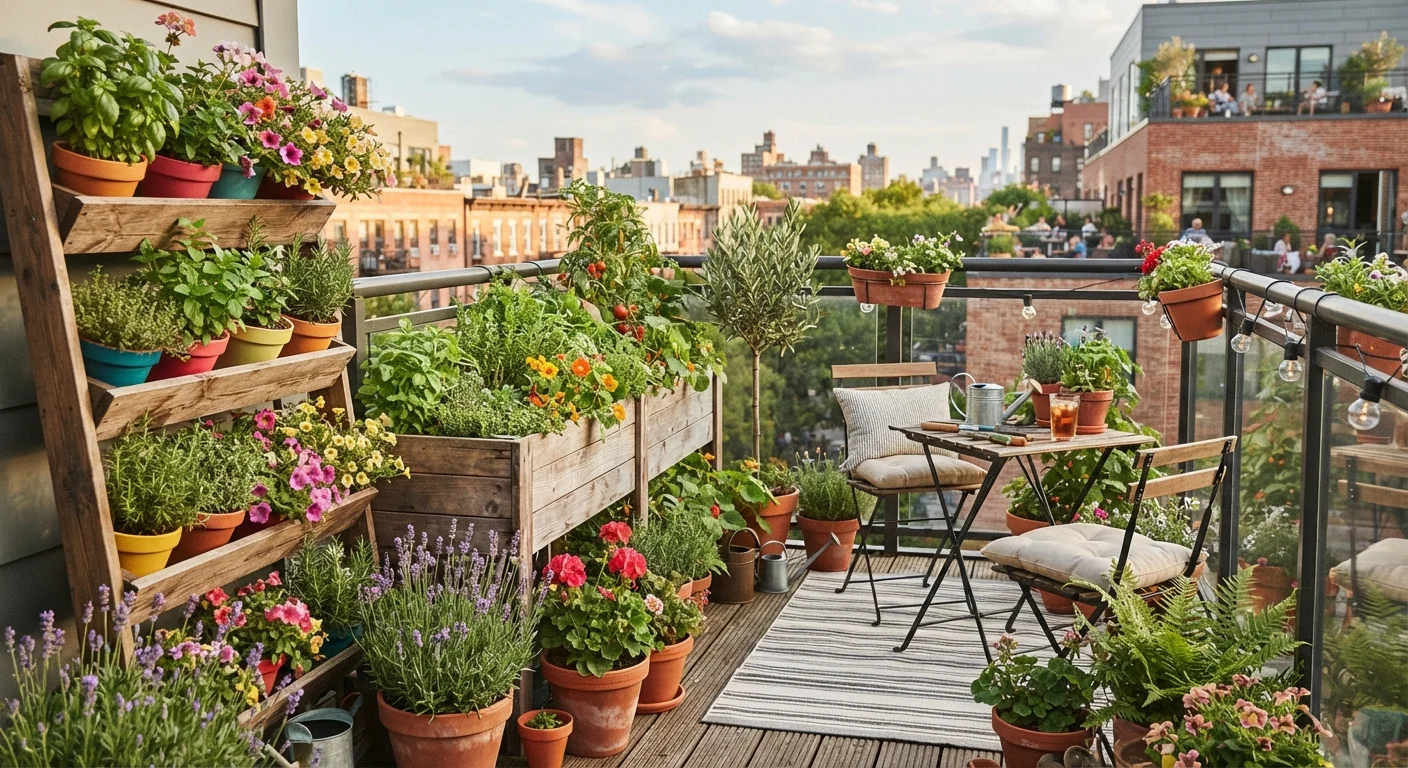
If your yard is compact, don't be discouraged. Container gardens on a patio or balcony can be surprisingly productive. See our small-space gardening guide for ideas on working with limited square footage.
Start Smaller Than You Think You Should
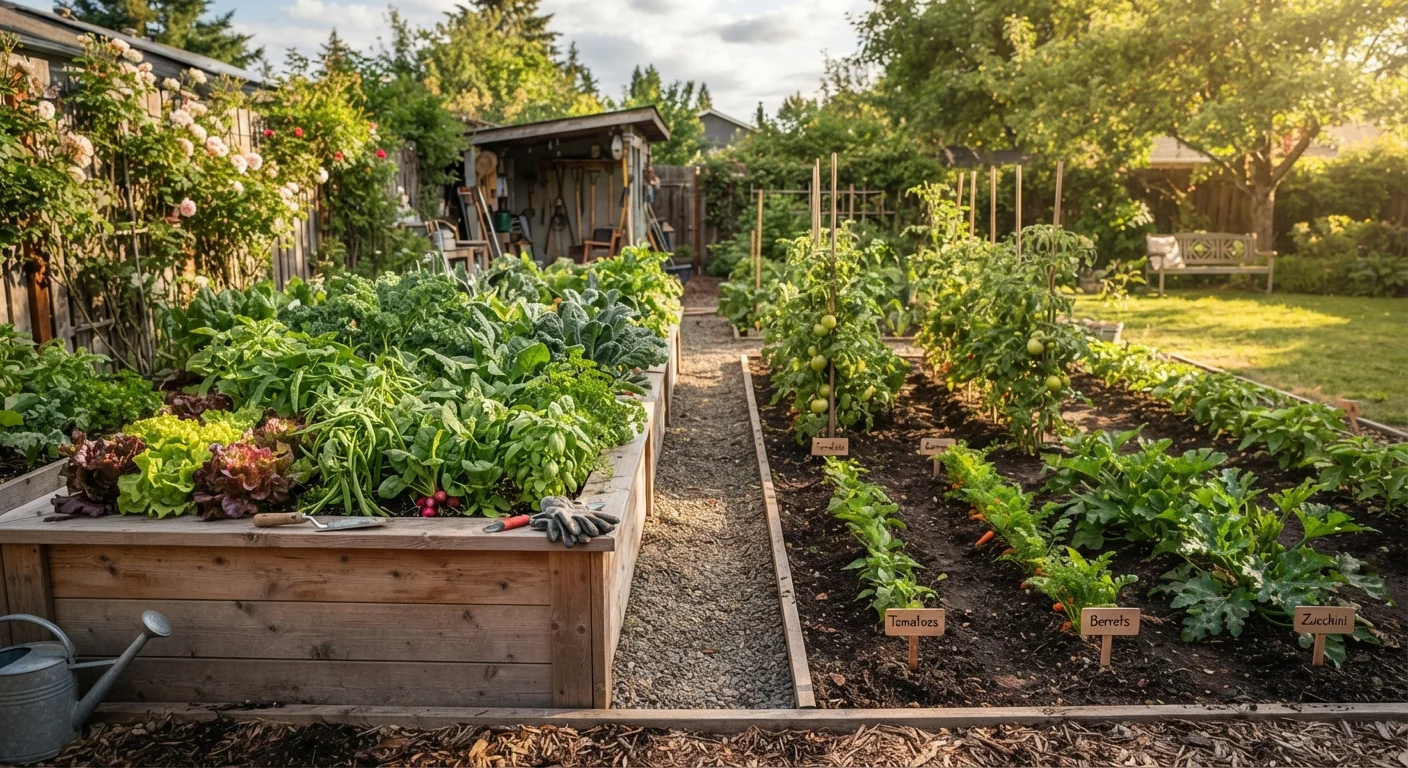
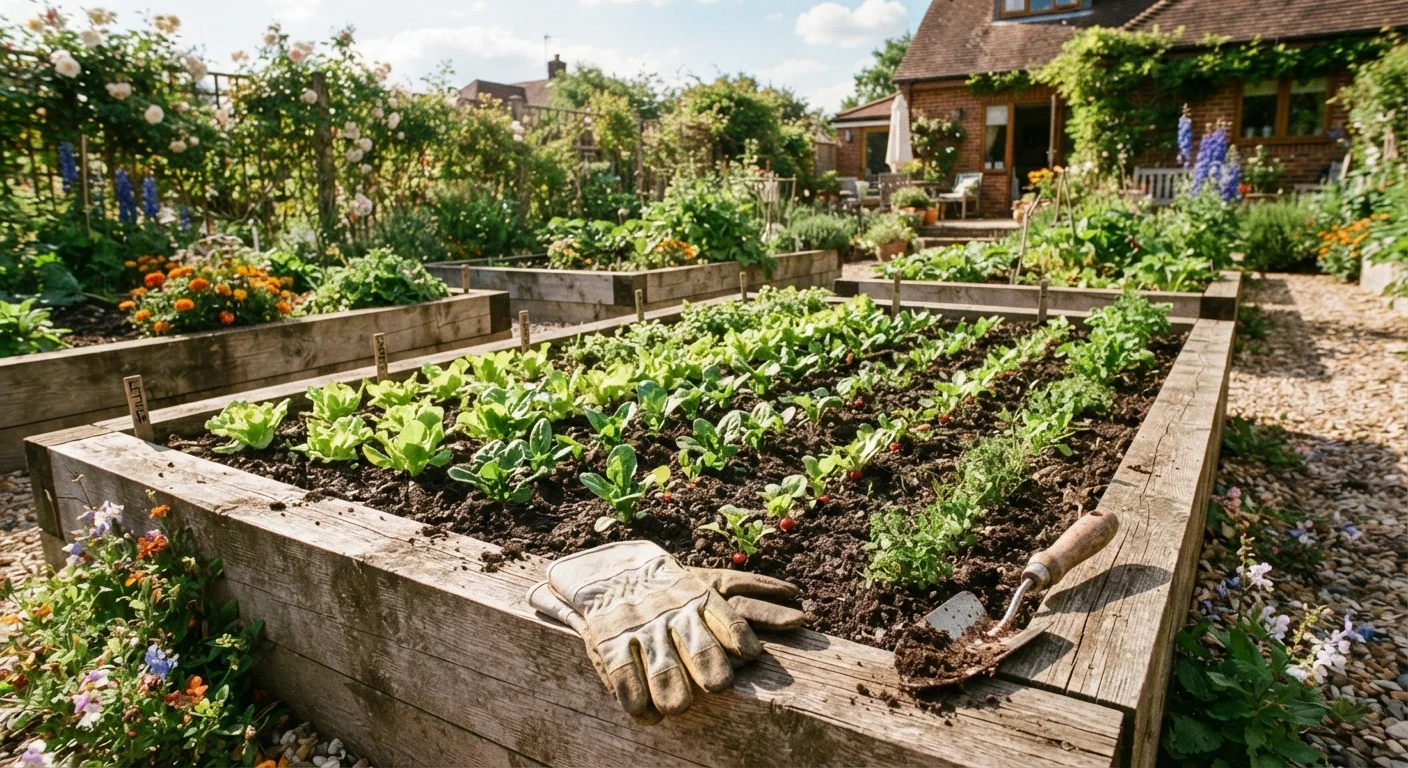
A 4×8 foot raised bed or a similarly sized in-ground plot is the ideal starting size for most beginners. It's large enough to grow a satisfying variety of crops but small enough that weeding, watering, and general upkeep remain manageable alongside a busy schedule. You can always expand next season once you've got a feel for the rhythm of garden care.
Understanding Your Soil
Vegetables are heavy feeders, meaning they pull a lot of nutrients from the soil throughout the season. Native yard soil — especially in newer developments — is often compacted, nutrient-poor, or too sandy or clay-heavy to support strong plant growth. Testing your soil before you plant tells you exactly what you're working with.
Inexpensive soil test kits are widely available at garden centers and through many county cooperative extension offices, which often offer free or low-cost testing. A basic test will measure pH and key nutrients like nitrogen, phosphorus, and potassium. Most vegetables prefer a slightly acidic to neutral pH, roughly 6.0 to 7.0.
pH
A measure of how acidic or alkaline your soil is, on a scale from 0 to 14. Most vegetables prefer a pH between 6.0 and 7.0, where nutrients are most easily absorbed.
Compost
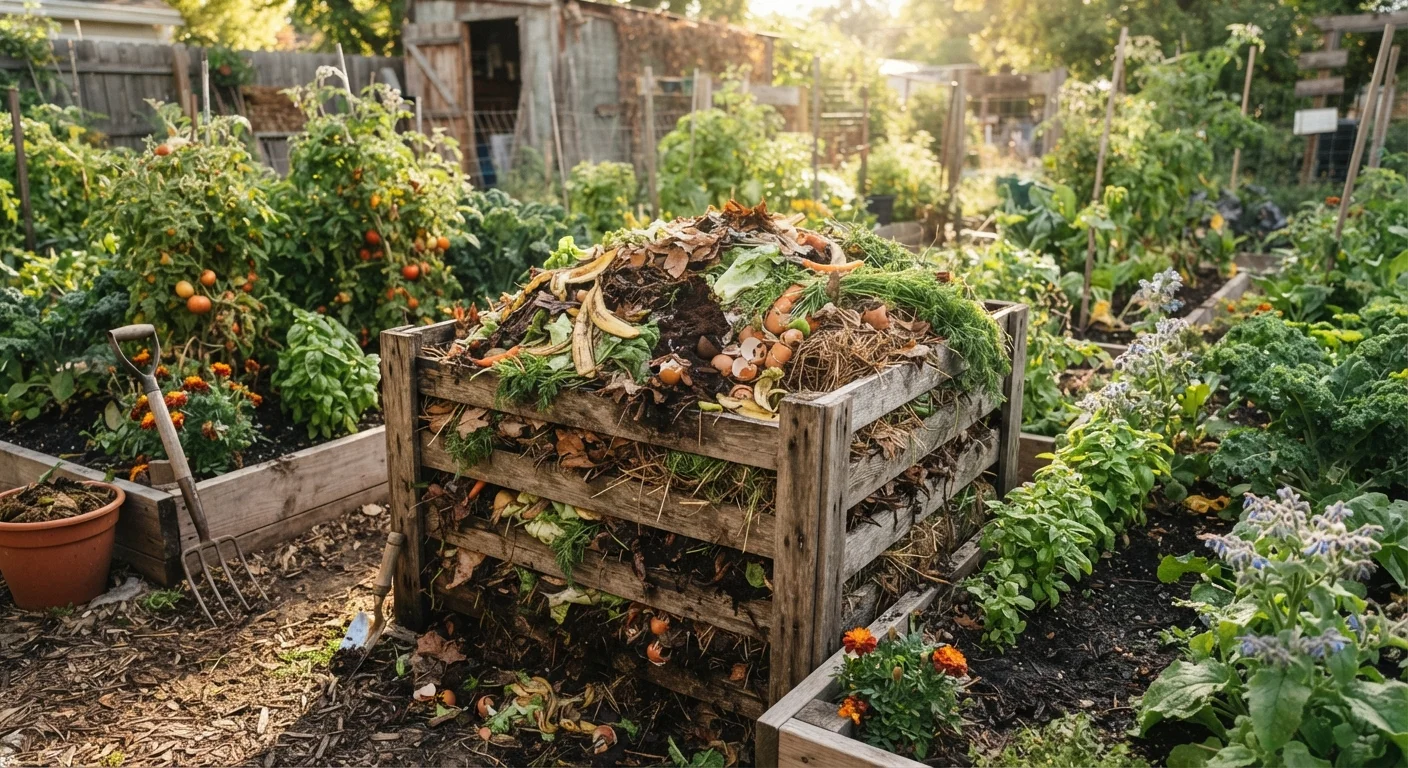
Decomposed organic matter — like food scraps and yard waste — that enriches soil with nutrients and improves its texture and water-holding capacity.
Direct seeding
Planting seeds directly into the outdoor garden bed rather than starting them indoors first. Works best for crops that don't tolerate transplanting well.
Transplant
A young plant started indoors or in a greenhouse and then moved to the garden once conditions outside are suitable.
Mulch
A layer of material — such as straw, wood chips, or shredded leaves — spread on the soil surface to retain moisture, regulate temperature, and suppress weeds.
Days to maturity
The average number of days from planting (or transplanting) until a vegetable is ready to harvest, as listed on the seed packet.
Amending your soil with compost is the most effective and budget-friendly improvement a beginner can make. Working two to four inches of finished compost into your top 8–12 inches of soil improves drainage, adds nutrients, and supports the beneficial microorganisms vegetables depend on. Our composting guide explains how to make your own for free. Once you've improved your soil, you can also explore whether raised beds or in-ground planting is the better long-term setup for your yard.
Picking Vegetables for Beginners
Choosing the right crops for your first season sets the tone for the whole experience. Select vegetables that are forgiving of beginner mistakes, mature quickly enough to stay motivating, and match your cooking habits — there's no satisfaction in growing pounds of produce you won't eat.
- Lettuce and salad greens: Fast-germinating, harvestable in as little as 30–45 days, and tolerant of partial shade.
- Radishes: Ready in three to four weeks, radishes are one of the quickest gratification crops available.
- Green beans: Reliable germinators that reward simple care with heavy harvests.
- Zucchini: Grows vigorously with minimal fuss — one or two plants often produce more than a household can use.
- Cherry tomatoes: More forgiving than large slicing varieties, cherry tomatoes produce steadily throughout summer.
Start with three to five varieties your first year. A manageable range lets you learn each plant's needs without getting overwhelmed. Once you're harvesting confidently, our home cooking starting guide can help you make the most of what you grow.
Planting and Basic Care
Some vegetables, like beans, squash, and root crops, grow best when direct-seeded into the garden. Others — tomatoes, peppers, and broccoli — benefit from starting indoors four to eight weeks before your last frost date, or purchasing young transplants from a garden center. Seed packets include the key information you need: spacing, depth, and days to maturity.
Water is the most hands-on part of vegetable gardening. Aim for about one inch of water per week, applied at the base of plants rather than overhead when possible, to reduce fungal disease risk. Mulching around plants with straw or shredded leaves helps retain moisture and suppresses weeds — both significant time-savers over the course of a season.
Pest pressure is normal and manageable. Inspect plants a few times per week, especially early in the season when seedlings are vulnerable. Catching an infestation early keeps it from spreading. Our natural pest control guide covers chemical-free strategies that protect crops and pollinators alike.
Fertilizing During the Season
Even with well-amended soil at planting time, heavy-feeding crops like tomatoes and peppers often benefit from supplemental feeding midseason. A balanced, slow-release granular fertilizer worked into the soil around plants — or a diluted liquid fertilizer applied every few weeks — can support sustained production. Always follow the application rates on the product label to avoid over-fertilizing, which can burn roots or push leafy growth at the expense of fruit.
Common Beginner Mistakes to Avoid
Most first-season setbacks come from a short list of predictable missteps. Knowing them in advance puts you well ahead of the curve.
- Planting too much too soon
- A large garden quickly becomes a burden when weeding, watering, and harvesting pile up simultaneously. Start with a small, well-tended plot and expand as your confidence grows.
- Ignoring plant spacing
- Crowded plants compete for light, water, and nutrients and become more susceptible to disease. Follow the spacing recommendations on seed packets — they exist for good reason.
- Inconsistent watering
- Alternating drought and flood stress causes problems like blossom drop in tomatoes and splitting in root vegetables. A consistent schedule, or a simple drip timer, prevents these issues.
- Skipping fall cleanup
- Leaving spent plants in the ground over winter can harbor disease and pests that resurface the following season. Our fall garden prep checklist walks through the end-of-season tasks that protect next year's harvest.
Don't Skip Soil Preparation
Planting directly into untested, unamended soil is one of the most common reasons first gardens underperform. Poor drainage, low nutrients, or an off pH can limit plant growth no matter how well you water and tend your crops. Spending even a single afternoon improving your soil before planting pays dividends all season long.