
Why Go Chemical-Free in the Garden?
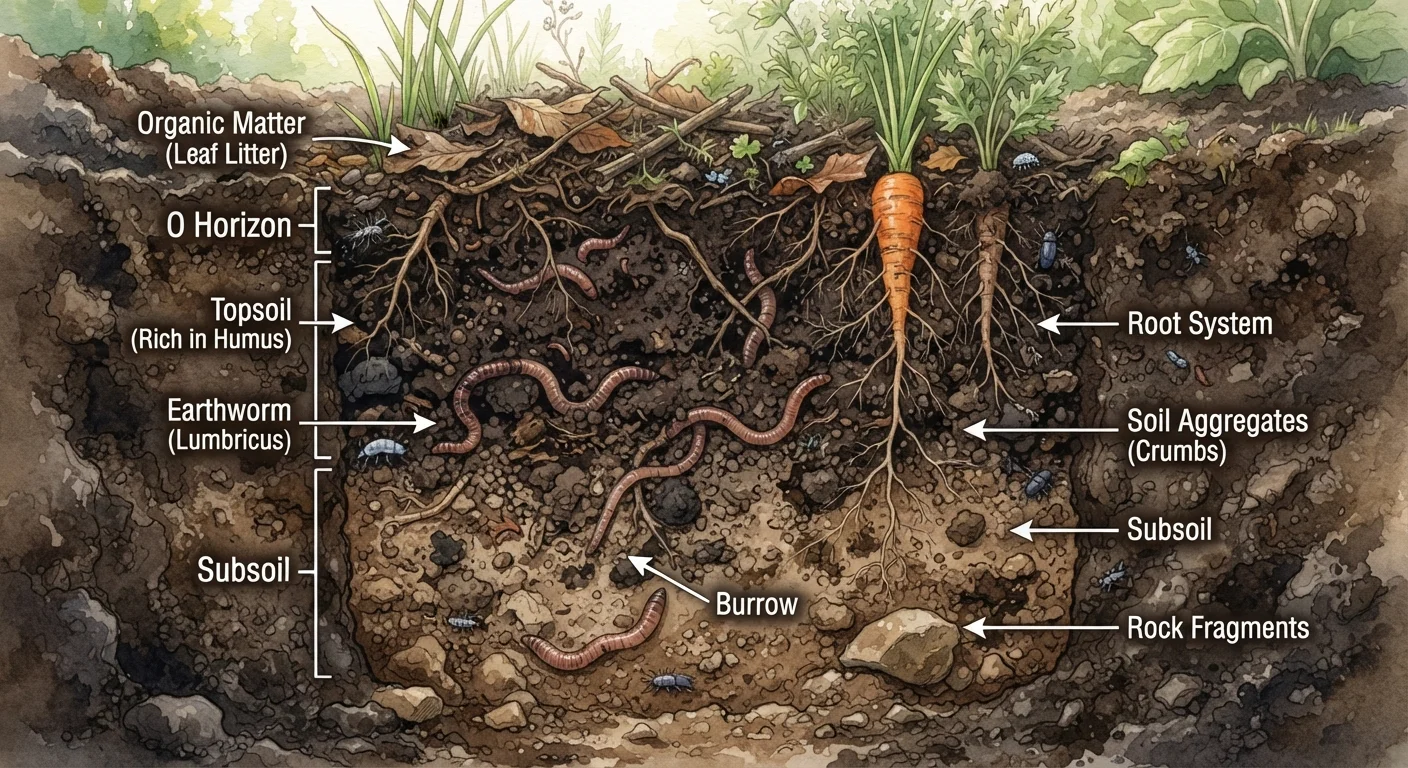
Chemical pesticides can knock out a pest problem quickly, but they often take out beneficial insects along with the bad ones — disrupting the very ecological balance that keeps gardens healthy long-term. Many broad-spectrum products also leave residues on edible plants and can affect soil microbiology. Understanding the foundations of healthy soil helps explain why protecting the whole system matters, not just the surface.
Natural pest control isn't about tolerating damage — it's about creating conditions where pest pressure stays manageable through ecology rather than intervention. With a few consistent habits, most home gardeners can achieve this without reaching for a spray bottle.
A Note on 'Natural' vs. 'Organic' Products
Some gardeners reach for botanical or naturally derived sprays — like neem oil or insecticidal soap — as a middle ground. While these break down faster than synthetic pesticides, they can still harm beneficial insects if applied broadly or at the wrong time. This article focuses on habitat-based and structural strategies that leave the beneficial insect population intact. If you do use any spray product, always read the label and apply it selectively during low-pollinator-activity hours.
Best Practices for Natural Pest Management
These proven approaches can be layered together. Starting with one or two and building from there is a practical way to get traction, especially if you're new to growing vegetables or managing a larger yard.
Use companion planting to disrupt pest cycles naturally.
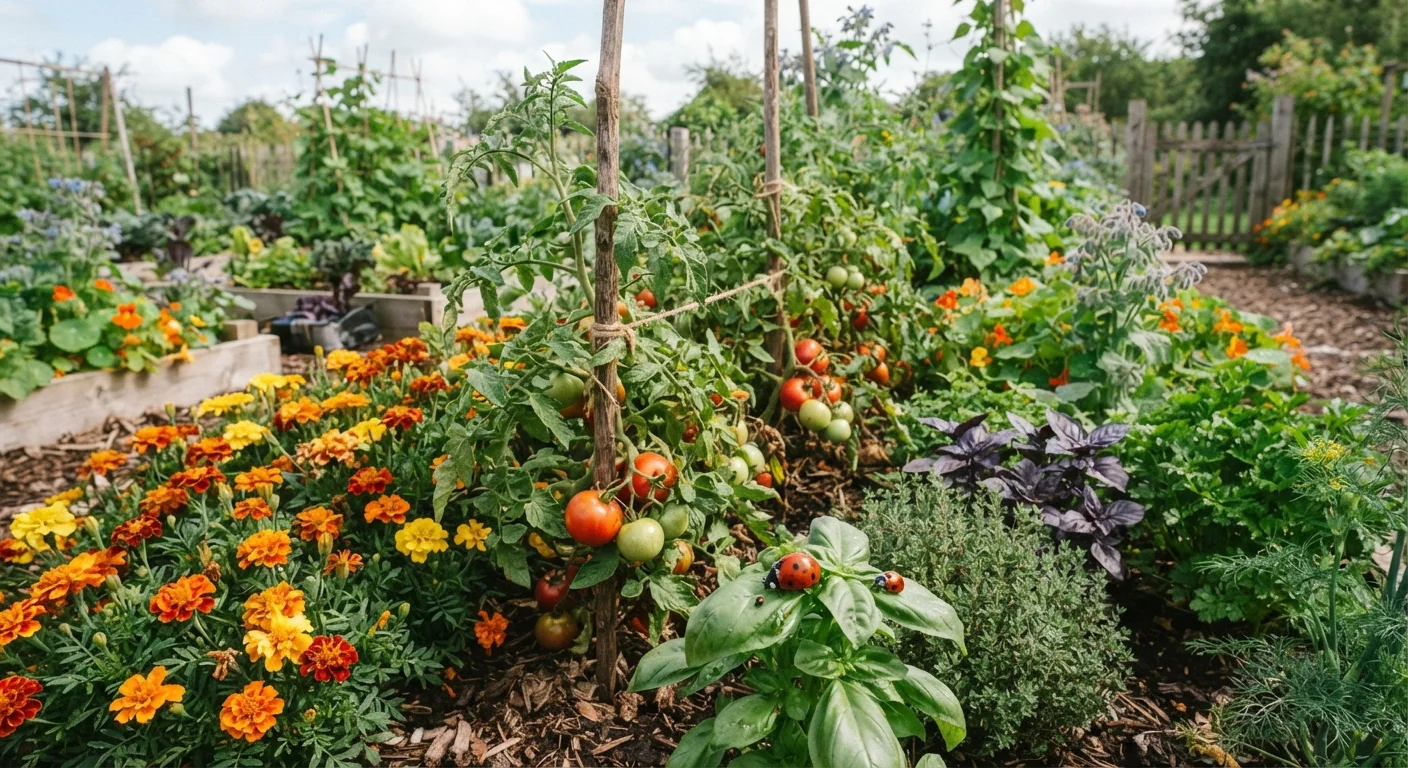
Certain plants repel insects, mask the scent of target crops, or attract predators that keep pest populations in check. Integrating them throughout your garden reduces monoculture vulnerability. It also adds visual diversity that benefits pollinators.
Attract and support beneficial insects in your garden.
Predatory insects — ladybugs, lacewings, parasitic wasps, and ground beetles — feed on common garden pests. Providing flowering plants that supply nectar and pollen encourages these allies to take up residence. Avoiding pesticide use is the single best way to protect them.
Install physical barriers to protect vulnerable plants.
Row covers, copper tape, and mesh netting block pests before they reach plants — a purely preventative approach that requires no ongoing chemical input. They're especially useful for seedlings and young transplants, which are most susceptible to damage.
Practice crop rotation each growing season.
Many soil-dwelling pests and diseases are host-specific and build up in areas where the same plants grow repeatedly. Moving plant families to different beds each year breaks this cycle and reduces pest pressure over time.
Maintain plant health through proper spacing and watering.
Stressed plants signal their distress chemically and are actively targeted by many insects. Overcrowding reduces air circulation and creates humid conditions that favor fungal pests and mites. Healthy plants simply attract less pest attention.
Handpick pests during regular garden walkthroughs.
For many common pests — slugs, hornworms, squash bugs, and Japanese beetles — direct removal is surprisingly effective when done consistently. Catching infestations early keeps populations below damaging thresholds without any other intervention.
Quick Wins You Can Start Today
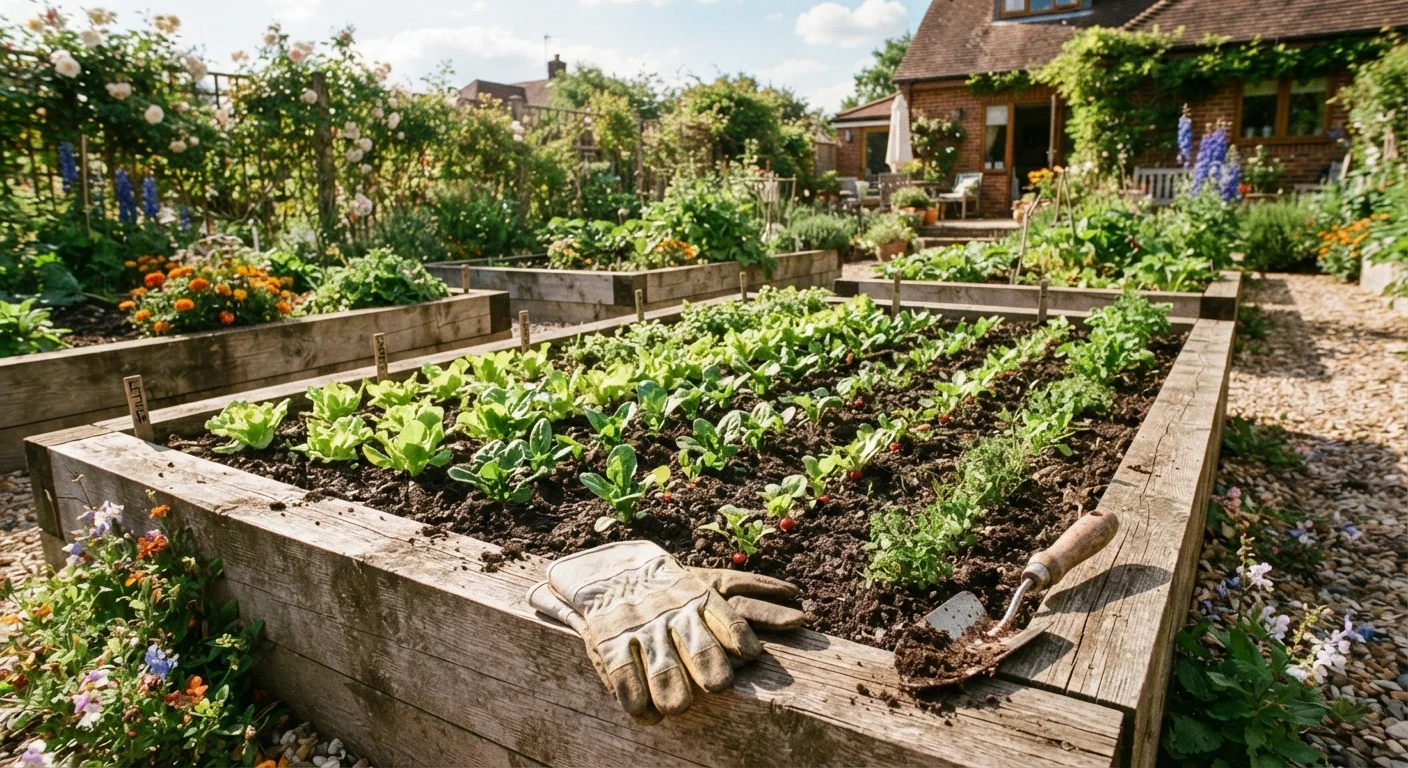
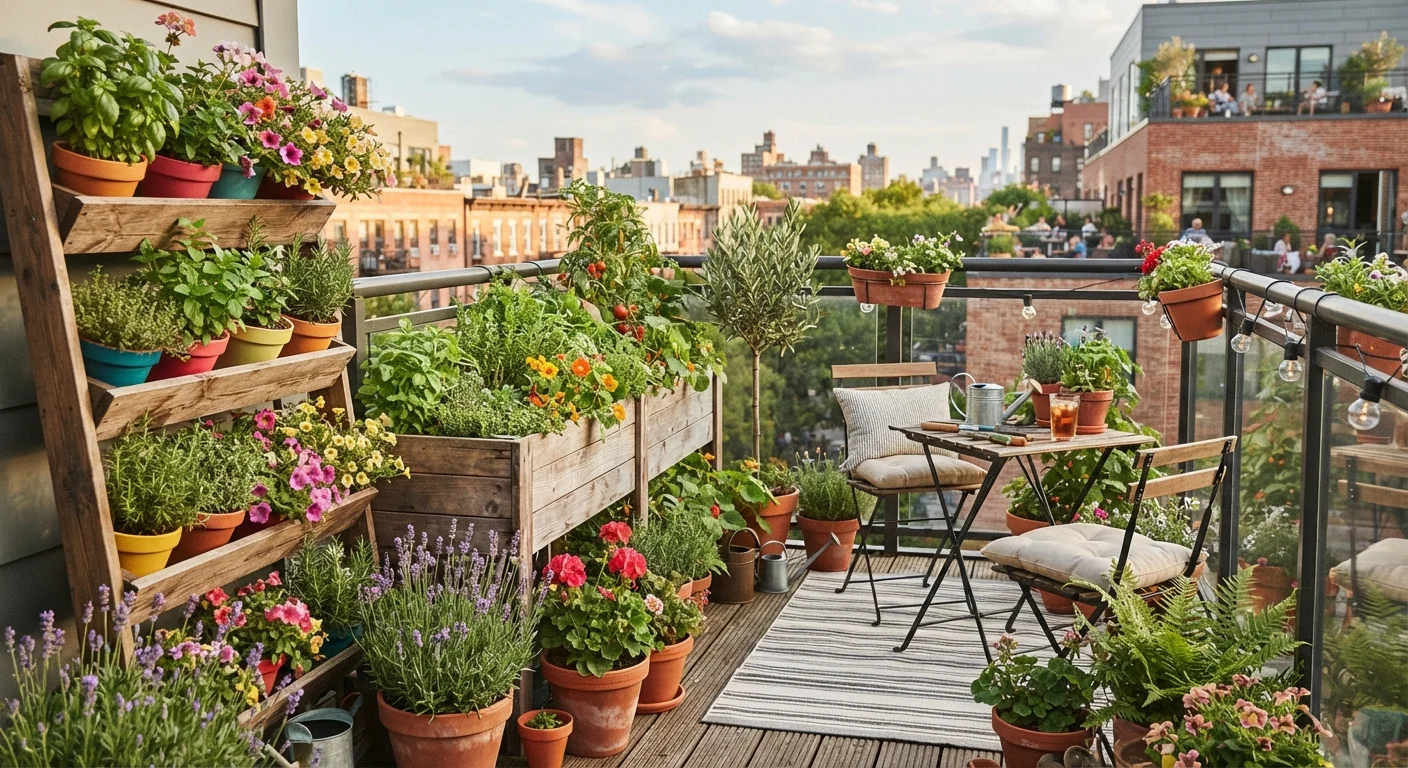
You don't need to overhaul your whole garden to make a difference. These small actions deliver real results — and most can be done in an afternoon. They work equally well in raised beds, in-ground plots, and even the compact setups described in our guide to small-space gardening.
Making Natural Pest Control a Seasonal Habit
The most effective natural pest management isn't reactive — it's built into your regular garden rhythm. Checking plants weekly, rotating crops each season, and amending soil with finished compost (see our composting guide) all reduce the conditions that allow pests to take hold in the first place.
Matching your efforts to the calendar also helps. Our month-by-month yard care reference outlines when to expect common pest pressure windows and how to prepare. With consistent attention, a chemical-free garden becomes less about fighting pests and more about maintaining an environment they're not drawn to.
Start a Simple Pest Log
Keep a small notebook or phone note tracking which pests appear, where, and when. Even a season's worth of observations reveals patterns — certain plants that repeatedly attract aphids, or corners of the garden where slugs concentrate. This kind of record makes your prevention strategy more targeted and much more effective year over year.