
More Than a Game: What Fandom Actually Does
When someone says they're a Bears fan or a Red Sox fan, they're communicating something that goes well beyond sports preference. They're signaling geography, family history, and social identity all at once. American sports fandom functions, in many ways, the way that civic institutions and religious communities once did — providing a shared language, a calendar of rituals, and a sense of belonging that transcends individual circumstance.
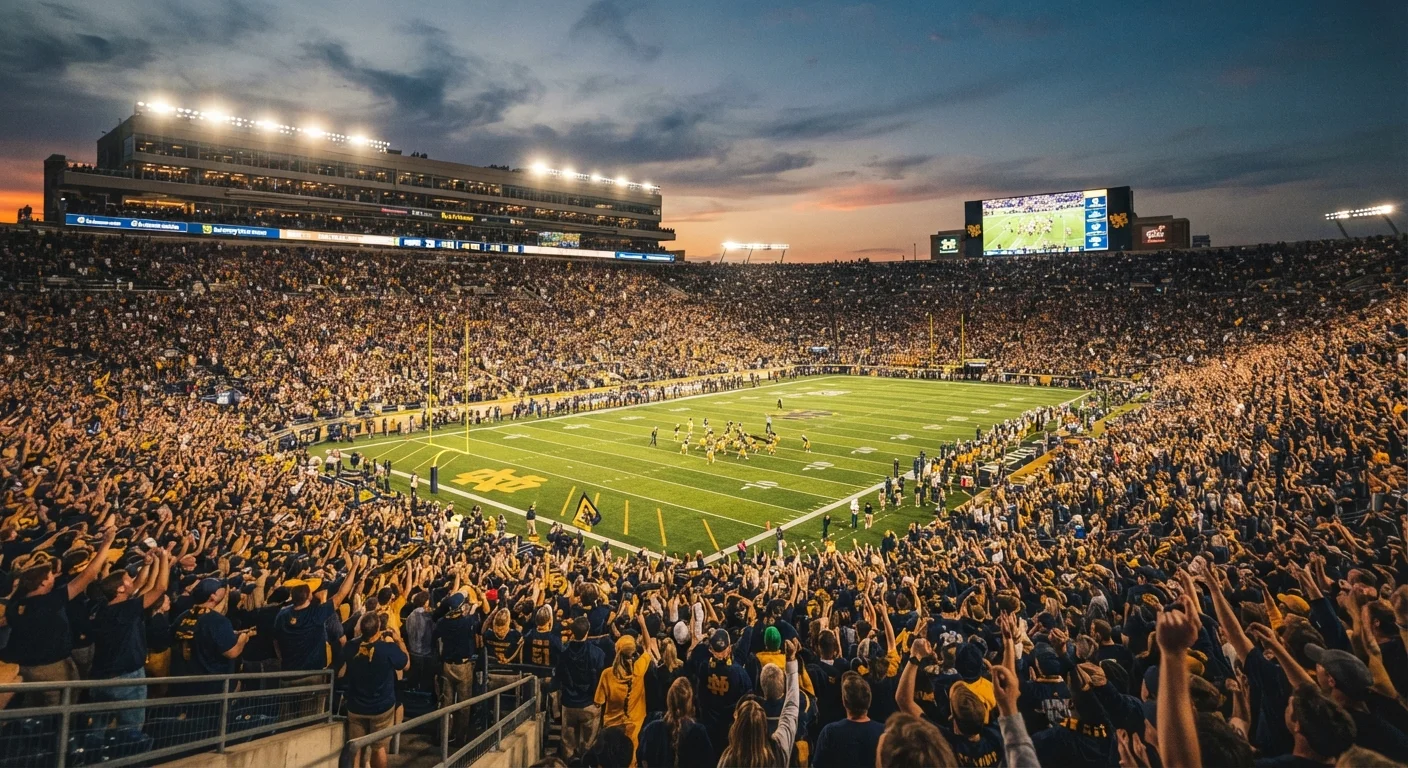
This isn't accidental. Professional and college sports leagues have, over more than a century, embedded themselves into the rhythms of American life. The Super Bowl is watched by tens of millions of people who may not follow football closely for the rest of the year. March Madness reshapes office conversations nationwide. These events function as secular holidays — moments when a fragmented, diverse nation pauses around a common focal point.
~70%
Americans who identify as sports fans
Gallup polling has consistently found that roughly seven in ten American adults consider themselves sports fans in some capacity.
115M+
Super Bowl viewers in a single year
Super Bowl viewership figures regularly exceed 100 million in the U.S., making it one of the most-watched annual television events in the world.
3 in 4
Fans who report stronger community ties through sports
Research published in sport psychology journals has found that strong team identification correlates with higher reported sense of community and social belonging.
Identity, Inheritance, and Belonging
Unlike many social affiliations, sports fandom is often handed down rather than independently chosen. A child raised in a household that watches the Packers on Sunday doesn't select that loyalty — they absorb it. This inherited dimension gives fandom a quality similar to other passed-down cultural values: it becomes part of how people understand who they are and where they come from.
This makes sports a surprisingly durable thread of community in the American sense — one that persists even as people move, change jobs, and shift social circles. Research on American mobility shows that frequent relocation strains community bonds. Fandom can serve as a portable identity — something that connects a transplant to both their origin and, sometimes, to their new home.
“Sport has the power to change the world. It has the power to inspire, the power to unite people in a way that little else does.”
— Nelson Mandela, Former President of South Africa and Nobel Peace Prize Laureate
Ritual, Gathering, and the Power of Shared Experience
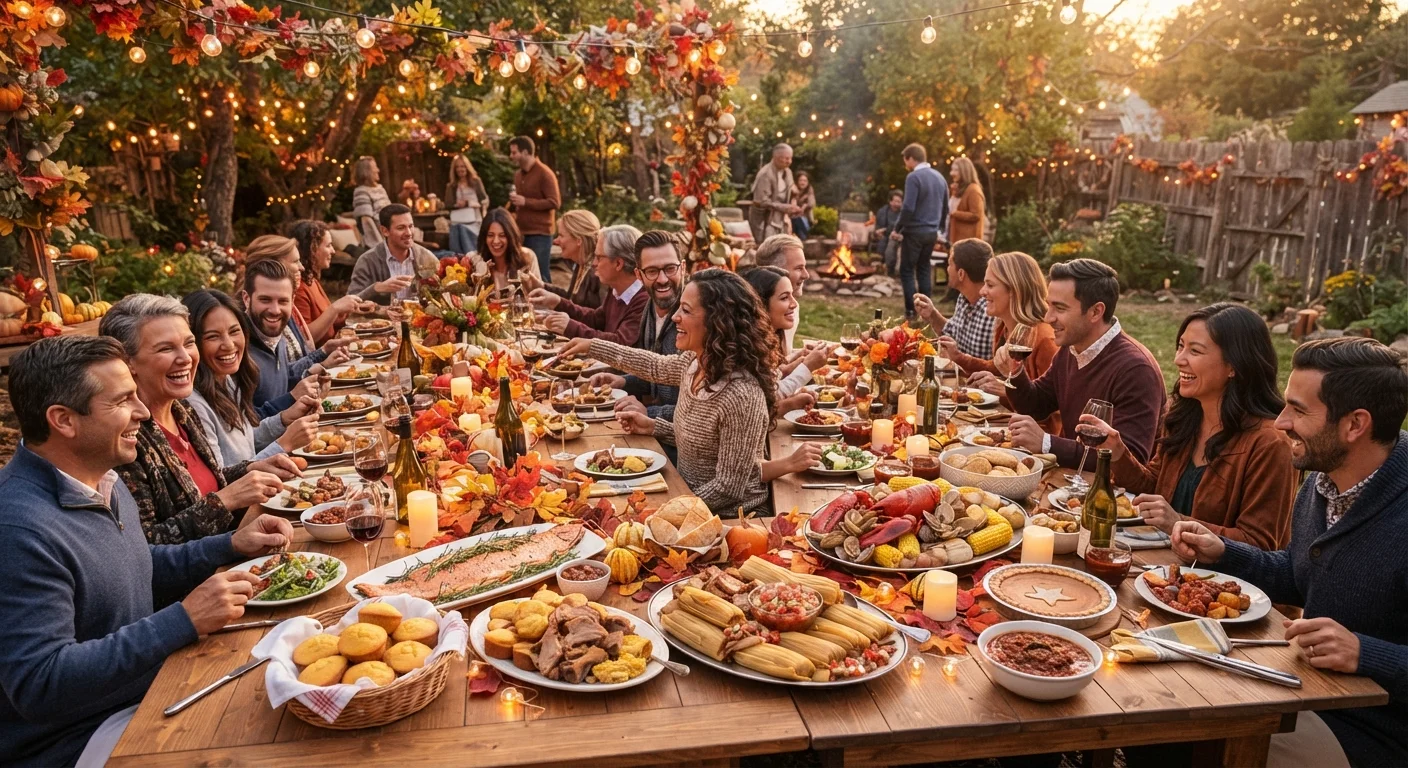
Game-day rituals — tailgating, watch parties, wearing jerseys, superstitious pre-game routines — are more than quirky habits. They mirror the structure of communal ritual found in cultural and civic life more broadly. Just as the American potluck carries deeper meaning than its format suggests, the sports watch party is a vessel for reciprocity, belonging, and shared vulnerability.
The emotional stakes of fandom are real and measurable. Psychologists have documented that sports fans genuinely experience stress, elation, and grief tied to team outcomes — not as performance, but as authentic feeling. This emotional investment is precisely what makes fandom culturally powerful: it generates the kind of collective effervescence that sociologist Émile Durkheim identified as foundational to group cohesion.
Reflect on What Fandom Gives You
It's worth pausing to consider what your connection to a team actually provides — whether it's a sense of belonging, a family bond, or a community anchor. Understanding the emotional function of fandom can help you engage with it in a way that enriches rather than exhausts. If a loss genuinely derails your day, that awareness itself is useful information about where you're drawing meaning from.
The Tension Inside Fandom: Inclusion and Division
Sports fandom is not without its contradictions. The same tribal loyalty that creates belonging for insiders can sharpen exclusion for outsiders. Rival team relationships — sometimes playful, sometimes hostile — mirror broader social patterns of in-group solidarity and out-group suspicion. When fandom intersects with race, class, or regional identity, those dynamics can become more fraught.
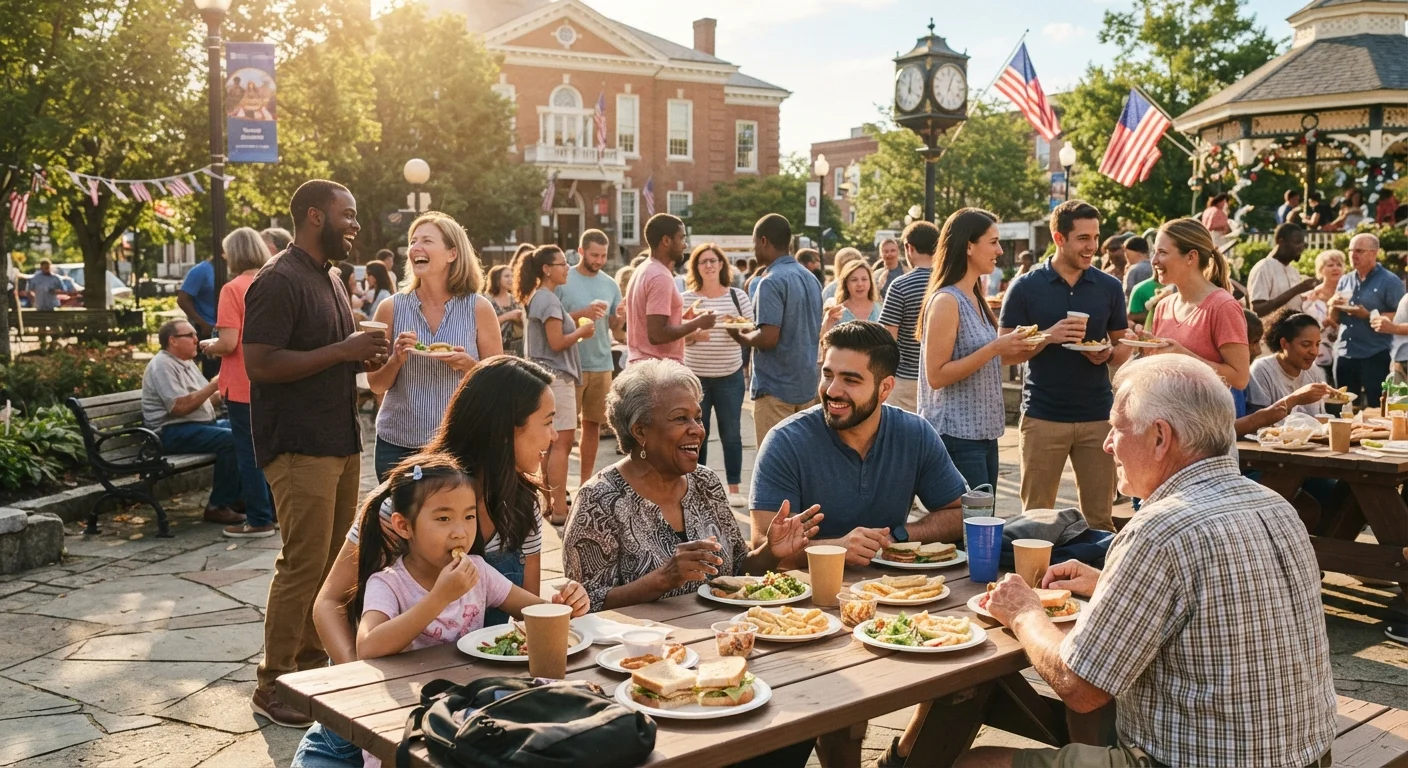
At the same time, fandom has a genuine record of crossing social lines. A stadium contains people of vastly different backgrounds united, at least momentarily, by a common hope. Longtime sociological research suggests that shared emotional experiences can reduce perceived social distance, even temporarily. Much like the way immigrant communities have shaped American cultural identity through participation in shared public life, sports has served as a space where diverse Americans find common ground — imperfect, contested, but real.
This article is for informational and cultural education purposes only. The psychological and sociological observations presented reflect general research findings and should not be interpreted as individualized advice.