
The Factory Question: Are They Really the Same Product?
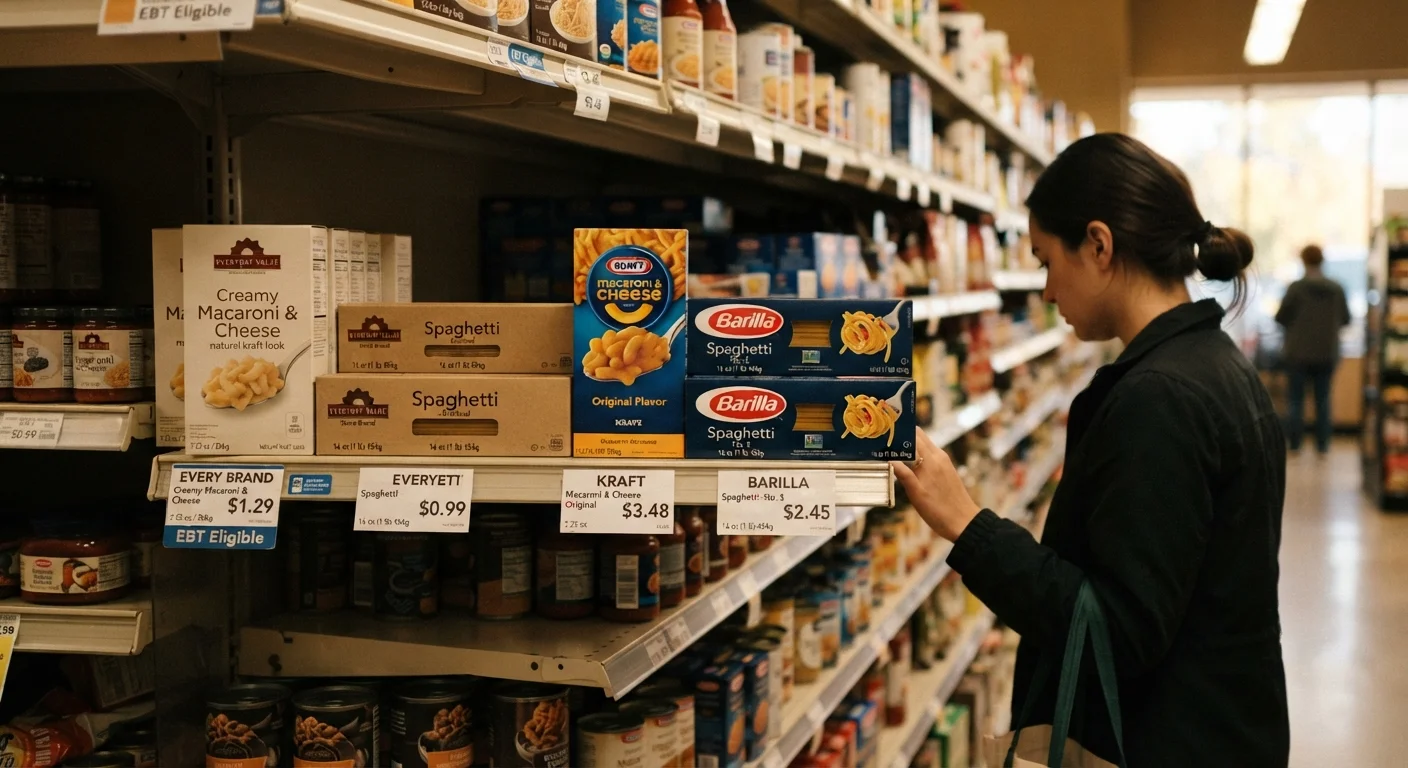
One of the most persistent myths in consumer culture is that store brands are simply name brand products in cheaper packaging. Sometimes that's partially true — a number of manufacturers do produce both their own branded goods and private-label versions for retailers. But shared production does not guarantee identical products.
Retailers often work with manufacturers to develop formulations that hit a specific price point. That can mean slight differences in ingredient ratios, processing steps, or material grades — even when the base recipe is similar. The result may be a product that's functionally comparable for everyday use, or one that differs in subtle but meaningful ways depending on the category.
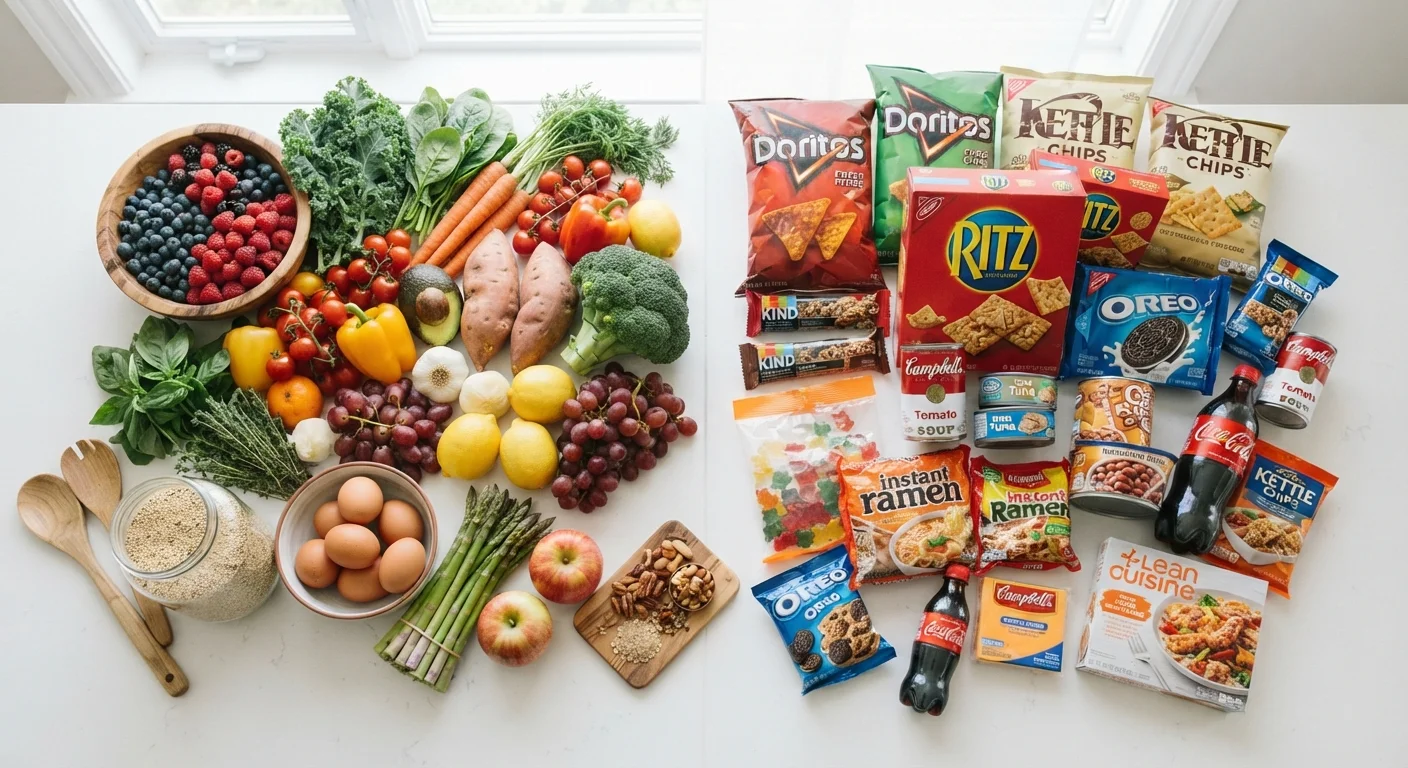
The safest approach is to compare what's actually in the product rather than assuming equivalence. For packaged foods, that means checking the ingredient list and nutrition panel. For cleaning products, it means looking at active ingredient concentrations. See our guide to understanding food labels and processing for a closer look at how ingredient differences can add up.
| Criterion | Store Brands | Name Brands |
|---|---|---|
| Price | Typically 20–40% lower | Higher; includes marketing costs |
| Manufacturing | Often contract-manufactured | Proprietary or contract facilities |
| Formulation control | Retailer-specified, may vary | Brand-controlled, consistent |
| OTC medications | FDA-regulated equivalence | Same active ingredient required |
| Warranty support | Limited or retailer-only | Manufacturer-backed, broader |
| Brand recognition | Store-specific | National or global |
| Best category fit | Commodity goods, basics | Tech, appliances, specialized items |
Where Store Brands Genuinely Compete — and Where They Fall Short
Store brands perform best in product categories where the core commodity is standardized and the name brand's premium is driven primarily by marketing spend. Think basic pantry goods, paper products, cleaning supplies, and — notably — over-the-counter (OTC) medications.
The FDA requires that generic OTC drugs contain the same active ingredients at the same strength and dosage as their brand-name equivalents. That's a legally enforced equivalence, not a marketing claim. When you buy a store brand pain reliever with the same active ingredient as a national brand, you're getting a regulated equivalent.
~20–25%
Average store brand price discount
Consumer research consistently finds private-label goods priced roughly 20–25% below comparable name brand products across grocery categories.
1 in 4
Grocery items sold as private label
Industry data from the Private Label Manufacturers Association indicates private label accounts for approximately one in four units sold in U.S. grocery retail.
Same active ingredient
FDA generic OTC drug standard
The FDA requires generic over-the-counter drugs to contain the identical active ingredient, strength, and dosage form as their name brand counterparts.
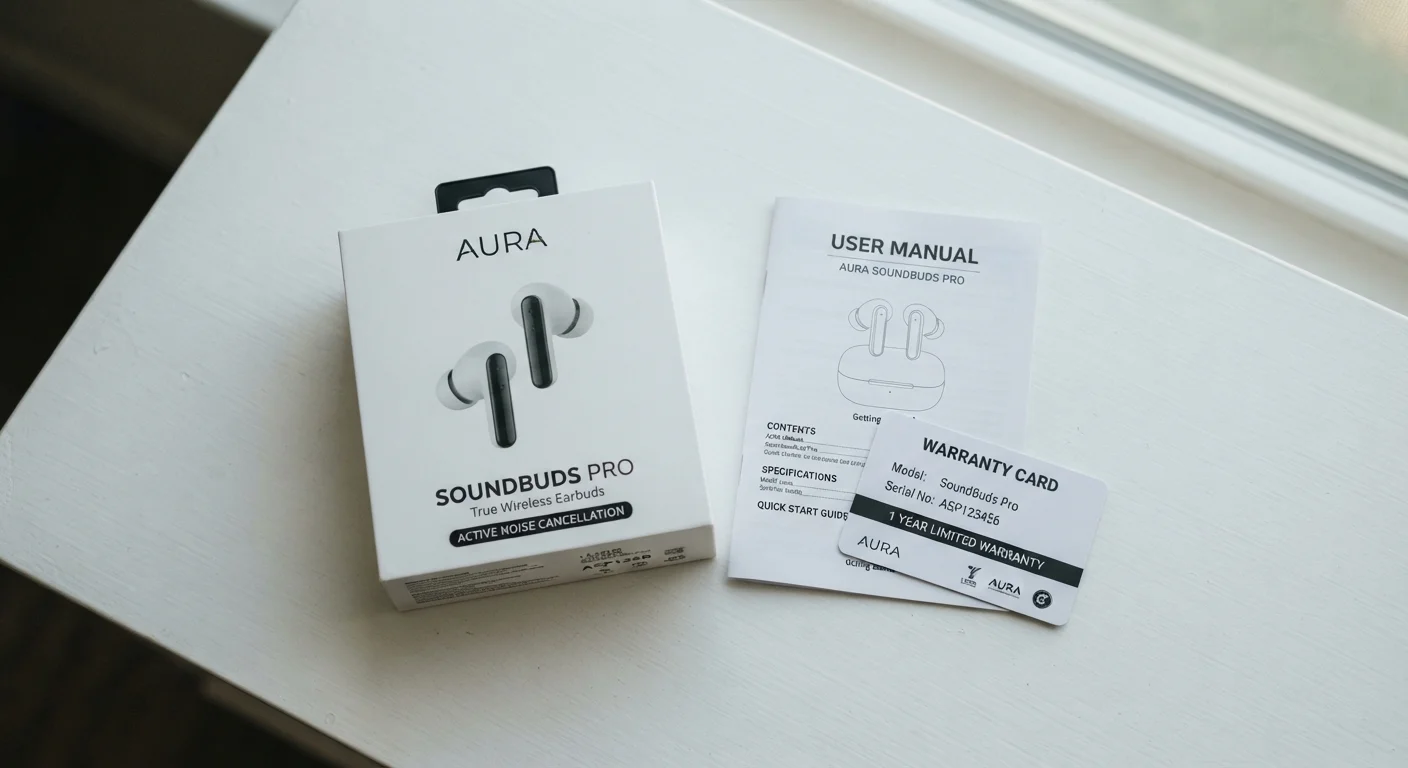
Name brands tend to justify their price premium more concretely in categories involving proprietary technology, complex formulations, or post-purchase support. A name-brand appliance or power tool typically comes with an established warranty and a customer service infrastructure. Store brand equivalents may offer limited recourse if something goes wrong. Our article on what manufacturer warranties actually cover explains what to look for before you buy.
Decoding Price Differences: Marketing Spend vs. Real Value
A significant portion of the price gap between store and name brands reflects marketing investment, not product quality. National brands spend substantially on advertising, sponsorships, and retail placement — costs that are ultimately embedded in the shelf price. Store brands carry none of that overhead, which is why the savings can look dramatic without indicating an inferior product.
That said, not every price difference is just marketing. Name brands sometimes invest more in quality control, sourcing standards, or ingredient integrity — and those differences won't always show up on a label. Consumer advocacy organizations and independent testing labs periodically evaluate both types, and their findings don't uniformly favor either side.
Retail pricing strategy also plays a role. Understanding how promotions and reference prices are constructed can change how you interpret a "sale" on either type. The article on how retail sale pricing actually works is worth reading alongside this one.
A Note on Health and Safety Products
For products where safety or health outcomes are at stake — infant formula, prescription equivalents, medical devices — the comparison between store and name brands carries higher stakes. Always read labels carefully and consult a qualified healthcare professional before switching between branded and generic health products. Do not rely solely on packaging claims or price as a guide in these categories.
A Practical Framework for Deciding
Rather than defaulting to one type across the board, most informed shoppers use a category-by-category approach. Here's a simple mental framework:
- Commodity goods with standardized specs (flour, bleach, generic medications): Store brand is usually a sound choice. Compare labels to confirm.
- Products with proprietary formulations (specialty skincare, infant formula, certain supplements): Ingredient differences may matter. Read carefully and, for health-adjacent products, consult a healthcare professional.
- Electronics and appliances: Warranty terms, parts availability, and service networks favor established name brands in most cases.
- Products you haven't tried before: Buy a small or trial size of the store brand first. Your own experience is the most reliable data point.
Shopping patterns can also shift by season and category cycle — knowing when inventory and pricing shift can help you find the best value regardless of brand tier.