
How Each Method Works
Both the debt avalanche and debt snowball share the same core mechanic: pay the minimum required on every debt you owe, then direct any extra money you can afford toward one specific debt. The two strategies differ only in which debt gets that focused extra payment.
Debt Avalanche: List your debts by interest rate, from highest to lowest. Apply all extra funds to the highest-rate balance first. Once it's paid off, roll that payment amount to the next-highest-rate debt, and so on. Because high-interest balances are the most expensive to carry, eliminating them early reduces the total interest that accrues across your accounts.
Debt Snowball: List your debts by outstanding balance, from smallest to largest — regardless of interest rate. Direct extra payments to the smallest balance first. When it's gone, roll the freed-up payment into the next-smallest account. Each payoff feels like a concrete achievement, building momentum for the next round.
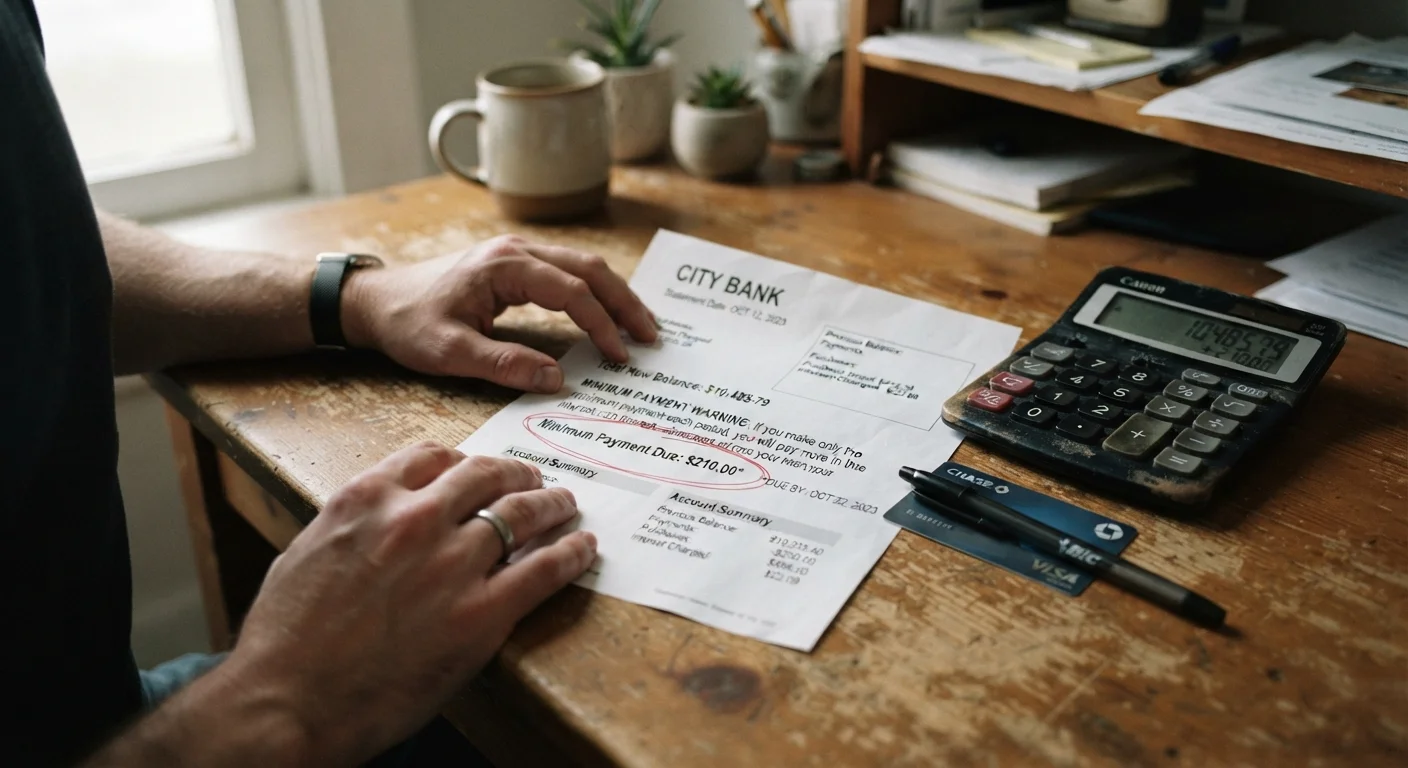
For context on how interest compounds when you only pay minimums, see why paying only the minimum keeps you in debt longer.
| Criterion | Debt Avalanche | Debt Snowball |
|---|---|---|
| Priority order | Highest interest rate first | Smallest balance first |
| Total interest paid | Generally lower | Potentially higher |
| Time to first payoff | Often longer | Often shorter |
| Motivational structure | Delayed gratification | Frequent early wins |
| Best when rates differ widely | Yes — clear advantage | Less relevant |
| Best when rates are similar | Minimal advantage | Psychological edge wins |
| Complexity | Low — straightforward math | Low — simple to track |
The Real Cost Difference
The avalanche method is mathematically superior in most scenarios — but the gap varies significantly depending on your specific interest rates and balances. When two debts carry very different rates (say, 24% vs. 7%), tackling the 24% balance first can save a meaningful amount in interest charges. When rates are clustered closely together, the savings difference between methods may be modest.
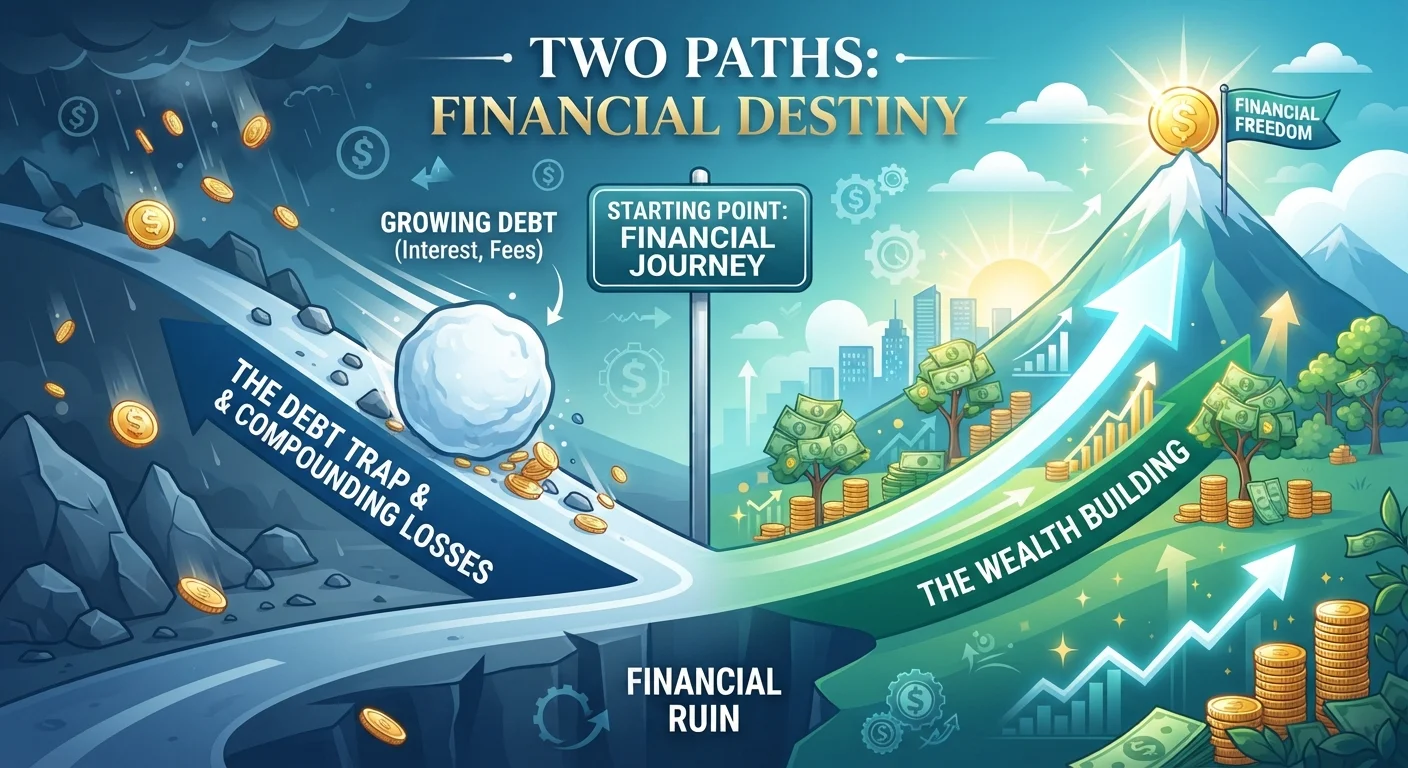
The snowball method's trade-off is straightforward: you may pay more in total interest by leaving high-rate balances to linger, but you gain motivational fuel that can keep you paying down debt consistently. Behavioral economics research has suggested that people who feel early progress are more likely to persist — meaning the snowball's psychological advantage has a real financial value if it prevents you from giving up.
~$6,500
Average American credit card balance
According to Federal Reserve consumer credit data, average revolving balances per household have remained in this range in recent years.
20%+
Typical credit card APR in recent years
The Federal Reserve reports average credit card interest rates have exceeded 20% annually, making high-rate debt costly to carry long-term.
3–5 years
Typical payoff timeline with structured plan
Financial educators generally estimate that a consistent structured payoff plan can eliminate average consumer debt loads within this window, though results vary by income and balance.
If you're carrying a large amount of debt and want to explore whether consolidating first makes sense, debt consolidation is worth understanding before committing to either payoff method.
Putting It Into Practice
Whichever method you choose, the practical steps are the same:
- List all debts with their balances, minimum payments, and interest rates.
- Sort the list — by interest rate (avalanche) or by balance size (snowball).
- Identify extra funds in your monthly budget to direct toward your priority debt. Even an additional $25–$50 per month accelerates progress.
- Automate minimums on all other accounts to avoid late fees and credit score penalties.
- Roll payments forward each time a debt is eliminated — don't absorb the freed cash into everyday spending.
Building a workable budget is essential before either method can succeed. Budgeting basics can help you find room in your monthly cash flow to accelerate debt payoff. You might also review common credit and debt myths to make sure you're not making decisions based on misinformation.
These Methods Aren't Mutually Exclusive
Some people start with the snowball to eliminate one or two small balances quickly, then switch to the avalanche once they feel confident. There's no rule requiring you to follow a single method throughout your entire payoff journey. The key is having a deliberate plan rather than making unstructured extra payments. Tracking your progress in a simple spreadsheet can also help you stay accountable month to month.
This article is for general informational purposes only and does not constitute personalized financial advice. For guidance tailored to your own financial situation, consider consulting a qualified financial professional.