

What Debt Consolidation Actually Means
Debt consolidation is the process of combining several debts — often credit card balances, medical bills, or personal loans — into a single new loan or repayment plan. Instead of tracking five different due dates and interest rates, you make one monthly payment to one lender.
The two most common methods are personal consolidation loans and balance transfer credit cards. A consolidation loan pays off your existing debts and replaces them with a fixed-rate installment loan. A balance transfer card moves your credit card balances onto one card, often with a promotional 0% APR window — typically 12 to 21 months — after which the standard rate applies.
A third option is a debt management plan (DMP) offered through nonprofit credit counseling agencies. Under a DMP, you make one payment to the agency, which distributes funds to your creditors after negotiating reduced interest rates on your behalf. This is not technically a loan but achieves a similar simplifying effect.
For a broader look at how credit reporting and debt interact, see The Complete Picture of Credit and Debt in America.
Debt Consolidation vs. Debt Settlement: Key Difference
Debt consolidation and debt settlement are not the same thing. Consolidation replaces your debts with a new loan or plan at agreed-upon terms — your credit obligations are fully honored. Debt settlement involves negotiating to pay less than you owe, which typically causes significant credit score damage and may have tax implications. If you are considering settlement, consult a nonprofit credit counselor or a licensed financial professional first.
The Pros and Cons of Consolidating
Whether consolidation helps or hurts depends almost entirely on the numbers and your financial behavior going forward. Here is a balanced look at both sides.
Simplifies repayment into one monthly payment
Managing a single due date and payment amount reduces the risk of missed payments, which can damage your credit score and trigger late fees.
Can lower your overall interest rate
If you qualify for a rate below your current average, you pay less interest over time — freeing money for savings or faster debt payoff.
Fixed payoff timeline reduces uncertainty
Installment consolidation loans come with a defined end date, which revolving credit card debt does not — giving you a clearer finish line.
May modestly improve credit utilization
Moving card balances to an installment loan can lower your credit utilization ratio, which is a significant factor in most credit scoring models.
On the other side of the ledger, consolidation carries real risks worth understanding before you commit.
Does not address the habits that created debt
Consolidation restructures debt but does not change spending behavior. Without a budget adjustment, many borrowers accumulate new balances on the cleared accounts.
Fees can eat into potential savings
Origination fees on personal loans (often 1%–8% of the loan amount) and balance transfer fees (typically 3%–5%) must be factored into the total cost calculation.
A longer loan term can mean more total interest
Stretching repayment over more years lowers monthly payments but may result in paying more interest overall, even at a lower rate.
Qualifying requires a decent credit score
The best consolidation loan rates are reserved for borrowers with good-to-excellent credit. Those with lower scores may not qualify for rates better than what they already carry.
Secured options put assets at risk
Home equity loans or lines of credit can offer low rates for consolidation, but they convert unsecured debt into debt backed by your home — raising the stakes significantly if repayment struggles arise.
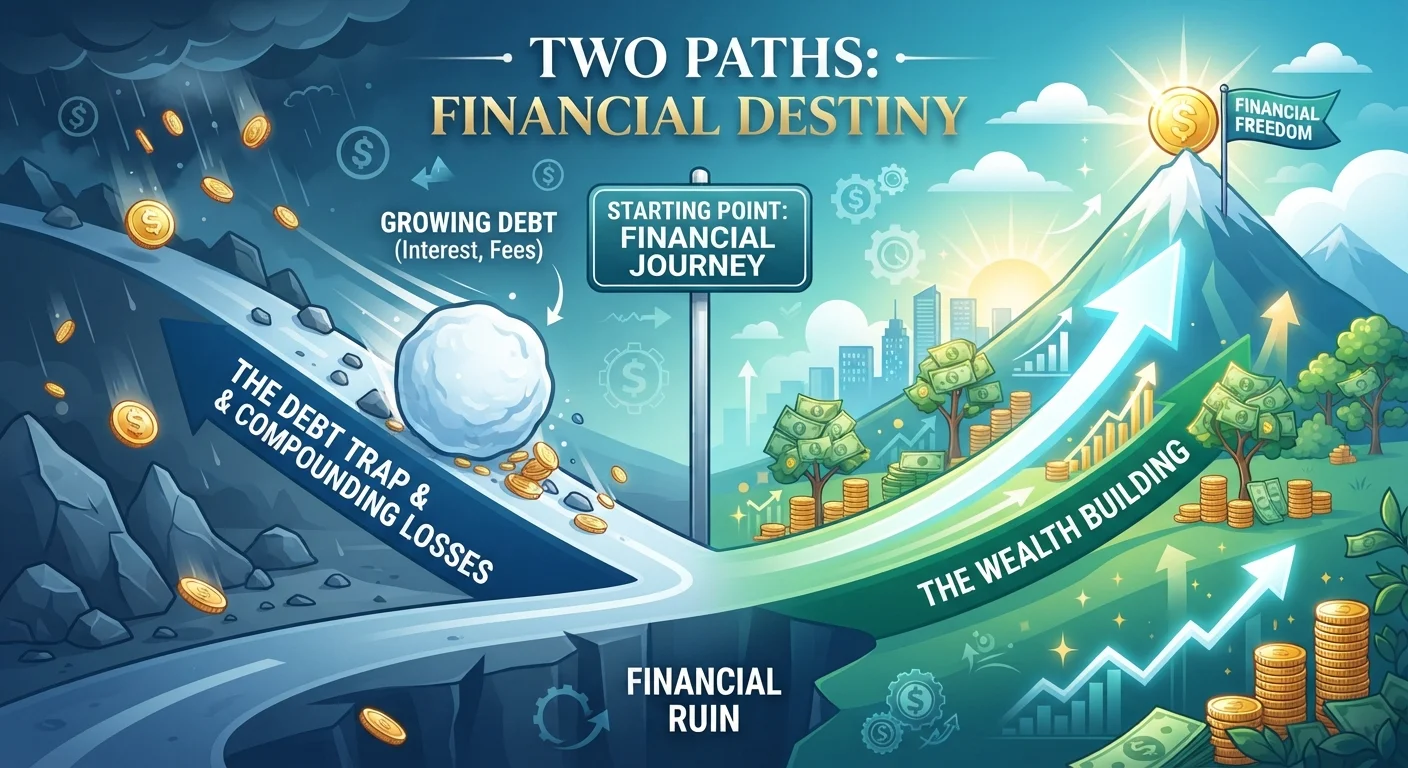
One concern many borrowers overlook: if you consolidate credit card debt and then continue using those cards, you can end up owing money on both the new loan and the rebuilt card balances. Understanding credit card debt myths can help you avoid this common trap.
When the Math Actually Works in Your Favor
The central test of any consolidation offer is simple: does the new interest rate — accounting for any fees — beat what you are currently paying across all your debts? If the answer is yes and the loan term does not extend so far that you pay more total interest over time, consolidation likely makes financial sense.
22%+
Average credit card interest rate in the US
Federal Reserve data has shown average credit card rates exceeding 22% APR in recent periods, making high-rate debt expensive to carry long term.
1%–8%
Typical personal loan origination fee range
Consumer Financial Protection Bureau guidance notes that origination fees vary widely by lender and borrower creditworthiness, and must be factored into total loan cost.
For example, someone carrying $12,000 across three credit cards at an average of 22% APR might qualify for a consolidation loan at 14% APR. Over three years, the interest savings could be meaningful — but the same person extending payoff to six years might wipe out those savings despite the lower rate.
Compare this approach to DIY strategies like the debt avalanche or snowball methods, which require no new loan application. See Debt Avalanche vs. Debt Snowball for a side-by-side breakdown of both paths.
It is also worth understanding how minimum payments affect long-term debt costs. The math behind minimum payments illustrates why restructuring debt without changing payment habits rarely solves the underlying problem.
This article is for general informational and educational purposes only and does not constitute personalized financial, legal, or tax advice. Consult a qualified financial professional before making decisions about your specific situation.