

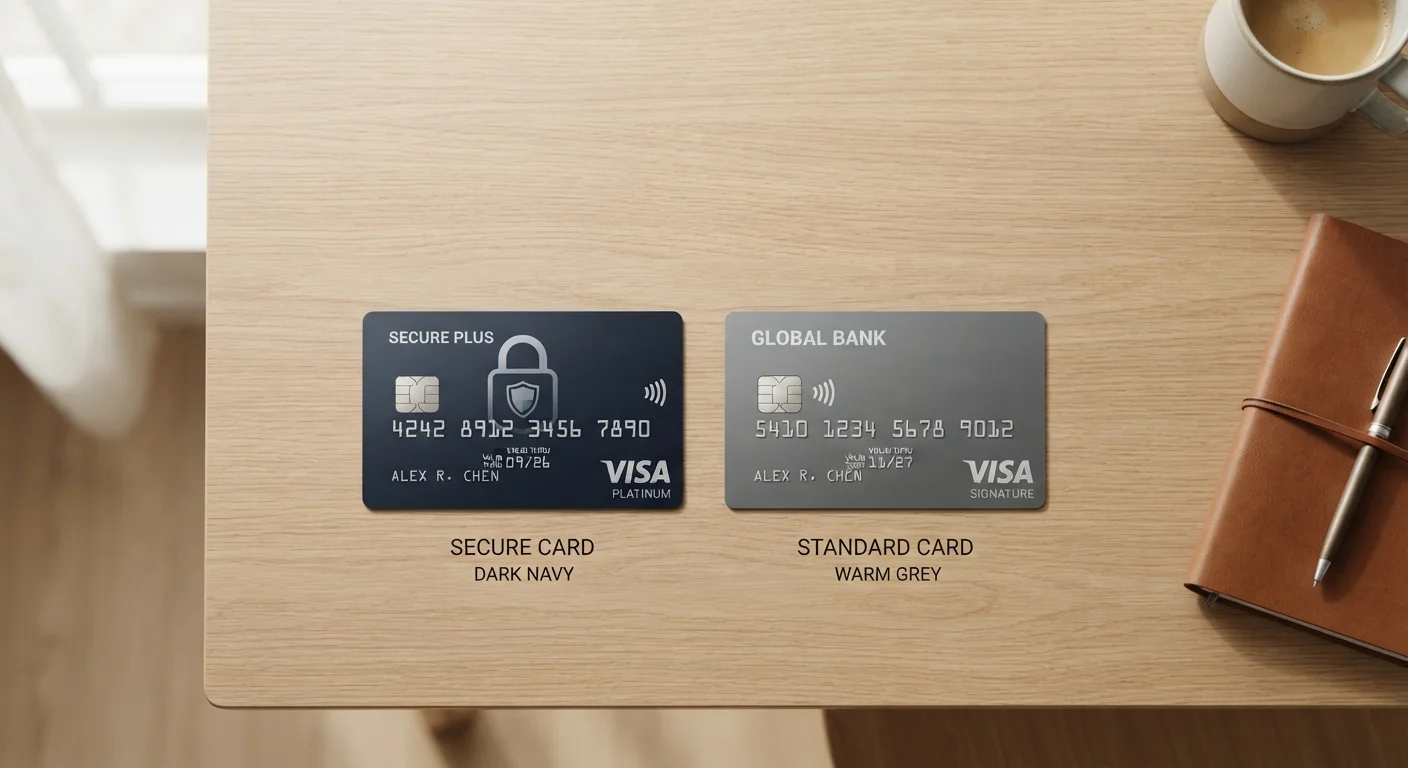
The Core Difference: What a Deposit Actually Does
A secured credit card requires you to place a refundable cash deposit with the issuer before you can use it. That deposit — commonly ranging from $200 to $500 — typically becomes your credit limit. If you deposit $300, you can generally charge up to $300. The issuer holds this money as collateral, reducing their risk of lending to someone with a limited or troubled credit history.
An unsecured credit card requires no such deposit. The issuer extends a credit line based on your creditworthiness — your income, existing debt, and especially your credit score. Because unsecured cards carry more risk for the lender, qualifying for one usually requires at least a fair credit score.
That deposit distinction is real and meaningful, but it doesn't define how each card works day-to-day. Both types function the same way at checkout: you swipe or tap, a balance accumulates, and you receive a monthly statement with a payment due date. The underlying mechanics are identical.
What Stays the Same: Credit Reporting and Score Impact
Here's where many people are surprised: both secured and unsecured cards report your account activity to the three major credit bureaus — Equifax, Experian, and TransUnion — in exactly the same way. Your payment history, balance relative to your credit limit (known as credit utilization), and account age all factor into your credit score regardless of which card type you hold.
This means a secured card used responsibly is just as effective at building credit as an unsecured card. Pay on time every month, keep your balance well below your limit, and your score will reflect that discipline. Consistent, small behaviors — like paying in full and keeping utilization low — drive credit improvement far more than the type of card you carry.
| Secured Credit Card | Unsecured Credit Card | |
|---|---|---|
| Upfront deposit required | Yes — typically $200–$500 | No deposit required |
| Credit score needed to qualify | Low or none (bad/thin credit OK) | Varies; generally fair to excellent |
| Credit bureau reporting | Yes — all three major bureaus | Yes — all three major bureaus |
| Typical credit limit | Equal to deposit amount | Based on creditworthiness |
| Interest rates (APR) | Often higher than average | Wide range; lower for strong credit |
| Rewards programs | Rare; some basic cash back | Common, especially with good credit |
| Path to upgrade | Can graduate to unsecured card | May qualify for better card later |
One common misconception: issuers or employers can't tell from your credit report whether a card was secured or unsecured. The account simply shows up as a credit card account.
Where the Differences Actually Bite: Fees, Rates, and Limits
Secured cards tend to carry higher annual percentage rates (APRs) and sometimes charge annual fees, largely because they target higher-risk borrowers. That makes carrying a balance on a secured card especially costly — interest charges can erode any benefit quickly. The standard guidance applies to both types: pay your statement balance in full each month to avoid interest entirely.
Credit limits on secured cards are tied directly to your deposit, which can feel restrictive. If your limit is $300, keeping utilization below 30% means spending no more than $90 before paying it down. That requires more active management than most unsecured cardholders deal with.
Keep Utilization Low on Secured Cards
Because secured card limits are often low, it's easy to accidentally use a high percentage of your available credit. Try to keep your balance below 30% of your limit at all times — ideally below 10% for the strongest score impact. Making a mid-cycle payment before your statement closes can help keep that reported balance low.
Unsecured cards — particularly those aimed at people rebuilding credit — can also carry steep fees, so comparing terms is always worthwhile. If you're new to the process, running through a pre-application checklist can help you avoid cards with hidden costs.
The Graduation Path: Moving from Secured to Unsecured
Many secured card programs include an upgrade option. After a period of responsible use — often 12 to 18 months of on-time payments — some issuers will review your account and offer to convert it to an unsecured card, returning your deposit in the process. Not all issuers do this automatically; it's worth asking directly.
If your issuer doesn't offer an upgrade path, you can apply for an unsecured card once your score has improved sufficiently, then close the secured card if there's no annual fee benefit to keeping it open. Note that closing a card can affect your credit utilization and average account age, so it's worth understanding the tradeoffs first. You can learn more in our guide to building credit from scratch.
When applying for any new card, keep in mind that a hard inquiry will appear on your credit report. Hard inquiries have a modest, temporary effect on your score — typically a few points — but applying for multiple cards in a short window can compound that impact.
This article is for general informational purposes only and does not constitute personalized financial advice. Consult a qualified financial professional for guidance specific to your situation.