

Why Credit History Matters
Credit history is the record of how you've borrowed and repaid money over time. Lenders, landlords, and sometimes employers use it to assess how reliable you are with financial obligations. Without any history, you're not necessarily seen as risky — you're simply an unknown, which can be its own obstacle.
A strong credit profile can make it easier to qualify for an apartment lease, a car loan, or a mortgage — often at lower interest rates. A thin or nonexistent credit file, by contrast, can mean higher deposits, less favorable loan terms, or outright denials. Understanding this gives you a clear reason to start building credit deliberately, rather than waiting until you need it. See the full credit and debt landscape for broader context on how credit fits into your financial life.
How Credit Scores Are Calculated
Credit scores are three-digit numbers — typically ranging from 300 to 850 — generated by scoring models that analyze your credit report data. The most widely used models weight factors roughly as follows:
Credit score
A three-digit number (typically 300–850) that summarizes how reliably you've managed borrowed money. Higher scores indicate lower risk to lenders.
Credit utilization
The percentage of your available credit limit that you're currently using. For example, a $300 balance on a $1,000 limit equals 30% utilization.
Hard inquiry
A check on your credit report triggered when you formally apply for new credit. It can cause a small, temporary dip in your score.
Secured credit card
A credit card backed by a cash deposit you provide upfront, which usually sets your credit limit. It works like a regular card and reports to credit bureaus.
Credit bureau
A company that collects and maintains credit data on consumers. The three major U.S. bureaus are Equifax, Experian, and TransUnion.
Thin credit file
A credit report with very little history — typically fewer than four accounts — which can make it difficult to generate a score or qualify for credit.
- Payment history (~35%): Whether you pay bills on time is the most heavily weighted factor.
- Amounts owed / utilization (~30%): How much of your available credit you're using.
- Length of credit history (~15%): How long your accounts have been open.
- Credit mix (~10%): Having a variety of account types (cards, installment loans) can help slightly.
- New credit (~10%): Recent applications for new credit.
For someone starting from scratch, payment history and utilization are the levers you control most immediately. Focus there first.
Your First Steps to Building Credit
There are a few well-established entry points for people with no credit history:
Start With One Account, Not Several
When you're new to credit, opening multiple accounts at once can look risky to lenders and creates more to manage. Start with a single secured card or credit-builder loan, use it consistently for six to twelve months, then evaluate whether adding another account makes sense. Slow and steady genuinely works here.
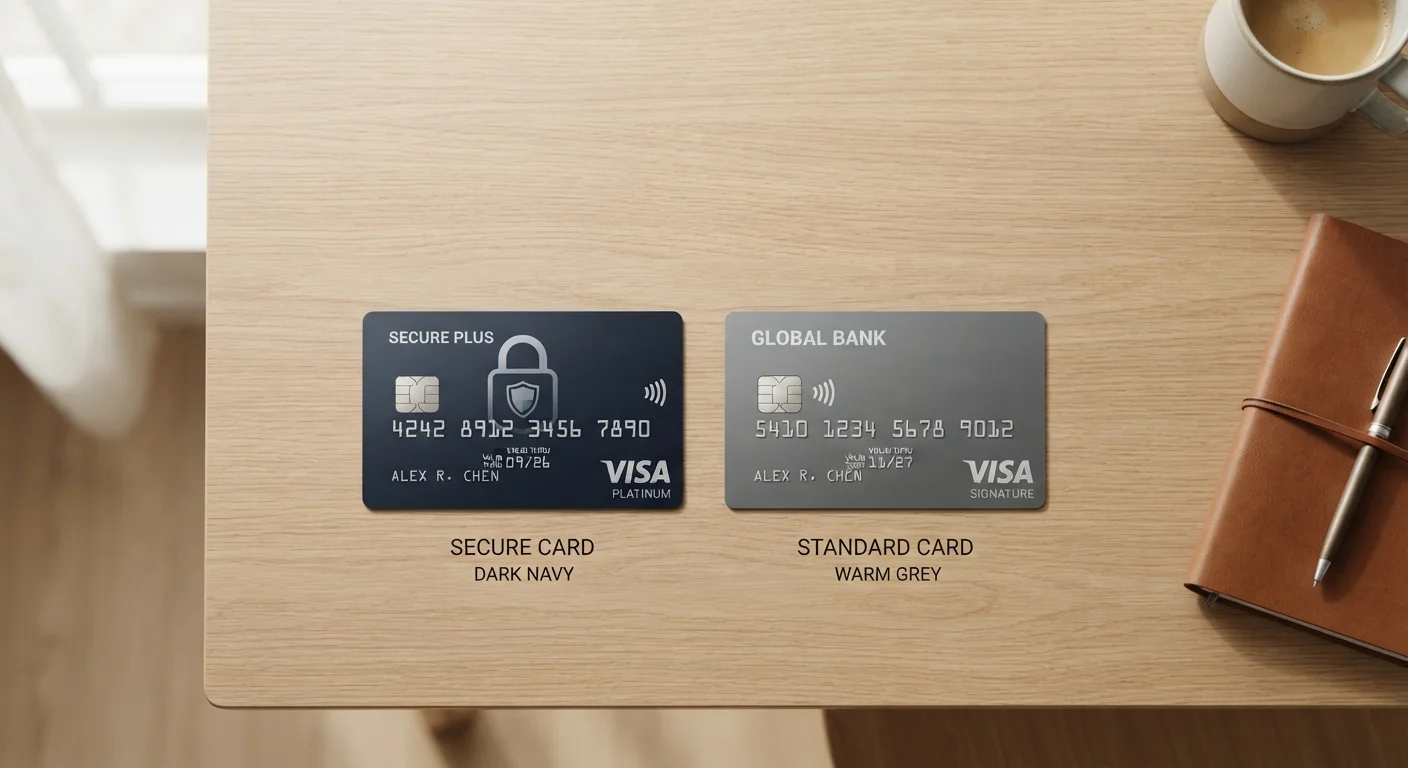
- Secured credit card: You provide a cash deposit — often $200–$500 — which typically becomes your credit limit. The card reports to the bureaus just like a regular card. Use it for small, predictable purchases, and pay the balance in full each month. Learn more about how secured cards compare to unsecured ones before choosing.
- Credit-builder loan: Offered by some credit unions and community banks, these loans are specifically designed to establish history. You make payments; the funds are released when the loan is repaid.
- Becoming an authorized user: A family member or trusted person with good credit adds you to their account. Their positive history may appear on your report, though results vary by lender and scoring model.
Whichever route you choose, consistency matters far more than speed. One account paid reliably over 12–18 months builds a stronger foundation than several accounts managed inconsistently. It's also worth pairing credit-building with solid saving habits — see building a savings habit from zero for a practical companion approach.
Common Mistakes to Avoid Early On
Early credit mistakes can take time to recover from. A few patterns frequently trip up beginners:
One Missed Payment Can Set You Back Months
On a brand-new credit file with limited history, a single missed payment carries disproportionate weight. There's no long track record to offset it. Before you open any credit account, make sure you have a plan — autopay, calendar reminders, or both — to ensure you never miss a due date.
- Missing a payment: Even one late payment (generally reported after 30 days past due) can significantly affect a new, thin credit file. Set up autopay for at least the minimum due as a safety net.
- Maxing out a card: High utilization signals risk to scoring models. Charging close to your limit, even if you pay it off, can temporarily spike your utilization ratio depending on when your statement closes.
- Applying for multiple accounts quickly: Each application generates a hard inquiry. Multiple inquiries in a short window suggest financial stress to lenders.
- Closing your first account too soon: Closing an old account reduces your available credit and shortens your average account age — both can hurt your score.
Many of these pitfalls aren't obvious at first. Everyday actions that quietly hurt credit covers more situations worth knowing about.
Tracking Your Progress
Monitoring your credit regularly is a healthy habit, not just something to do when something goes wrong. Checking your own report is a soft inquiry — it has no effect on your score.
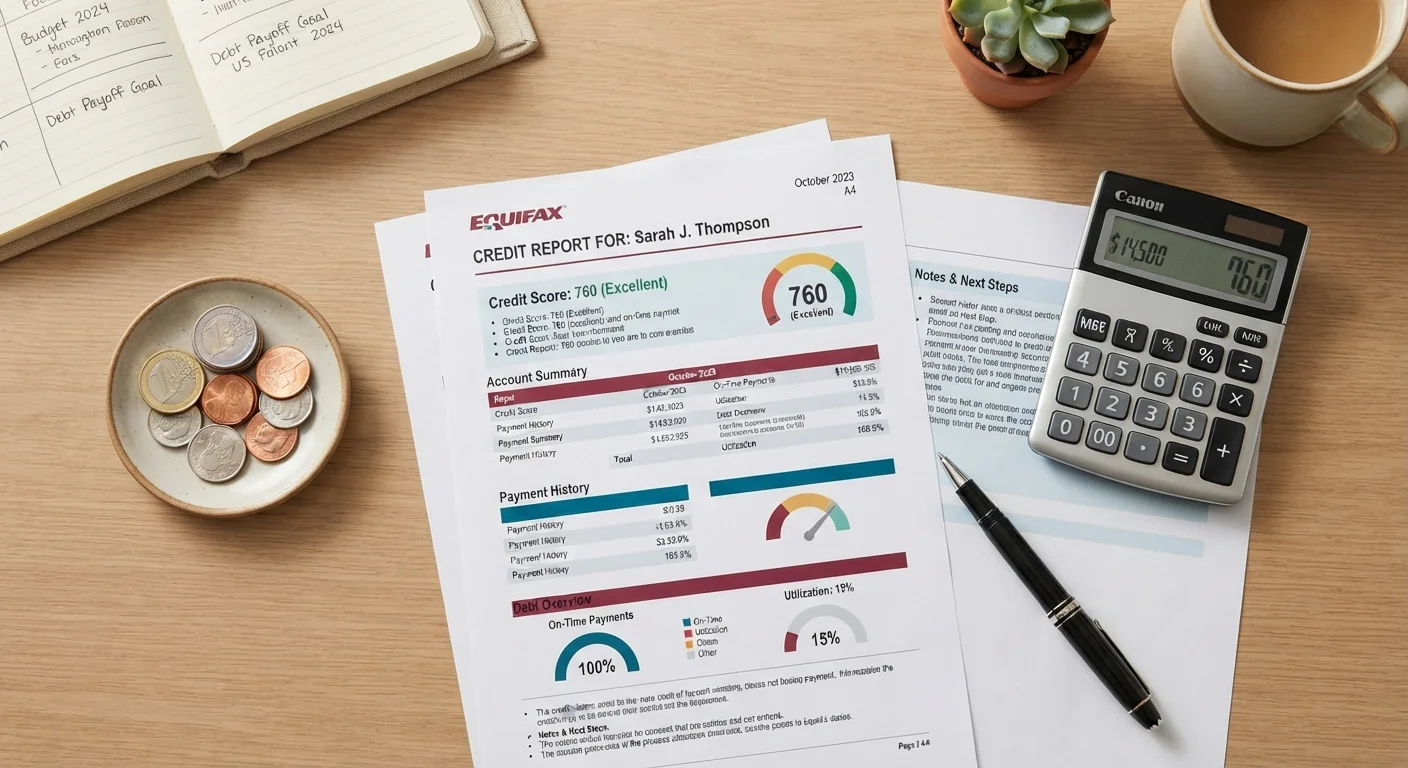
You're entitled to free reports from all three major bureaus (Equifax, Experian, and TransUnion) through AnnualCreditReport.com, the official federally mandated source. Review them for accuracy: incorrect late payments, accounts you don't recognize, or outdated information can all drag down your score unfairly. For a walkthrough on how to read what you find, reading your credit report without getting lost is a practical next step.
Once you've established some history, shift focus to responsible credit habits that hold up over time — the consistent behaviors that keep a score healthy for years, not just months.
This article is for general informational and educational purposes only and does not constitute personalized financial or legal advice. Consult a qualified financial professional for guidance specific to your situation.