

Why an Annual Savings Review Matters
Most people set savings goals at the start of a new year — and then don't look at them again until something goes wrong. An annual check-up changes that. Like the routine physical you schedule to catch health issues before they worsen, a structured savings review surfaces problems while they're still manageable.
This checklist is built around five practical areas: your current goals, your progress against them, the accounts holding your money, the obstacles slowing you down, and your plan for the year ahead. Working through all five takes most people between 30 and 60 minutes — a small investment for a clearer financial picture.
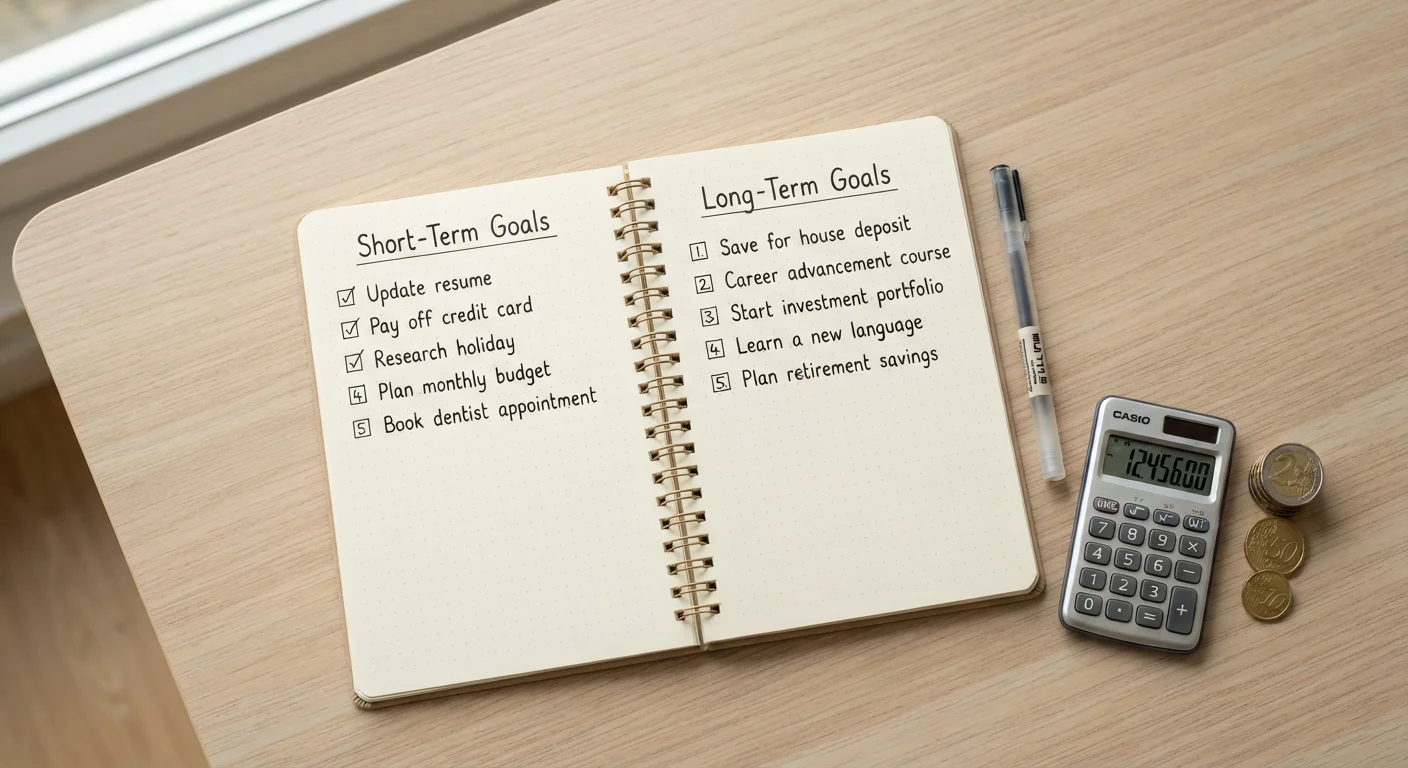
If you've struggled to reach savings targets before, you're not alone. Understanding the difference between short-term and long-term savings goals is one of the most effective ways to bring structure to a scattered savings plan. And if your goals have stalled repeatedly, there are often identifiable patterns behind it — see why savings goals stall and how to course-correct.
This Is Education, Not Personal Financial Advice
This checklist is general financial information designed to help you think through your savings systematically. It is not personalized financial, investment, or tax advice. Your situation is unique — for decisions with significant financial consequences, consult a licensed financial adviser or other qualified professional.
What You'll Need Before You Start
Gather a few basic resources before working through the checklist. Having everything in front of you prevents interruptions and keeps the review focused.
Bank or credit union online portal
Access account balances, transaction history, interest rates, and automatic transfer settings.
Spreadsheet or budgeting app
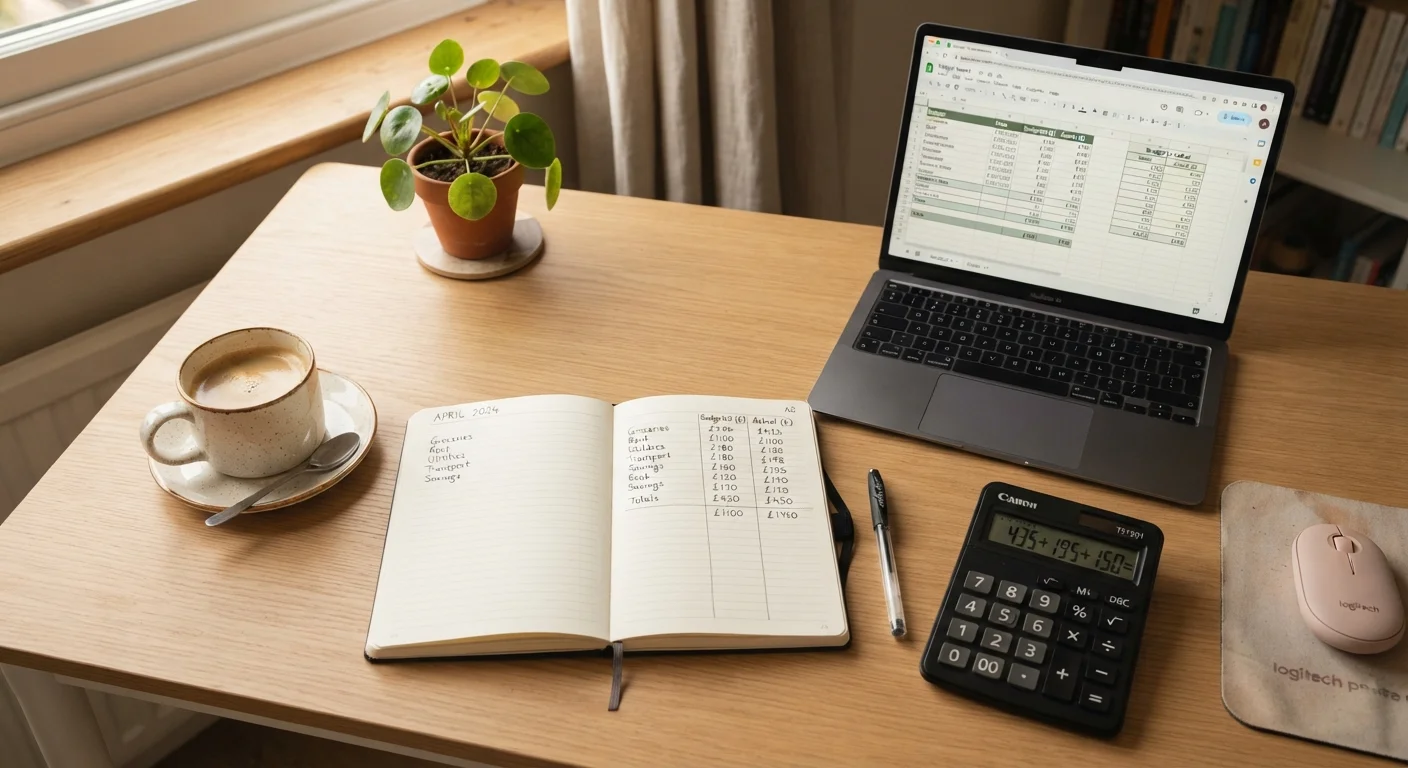
Track and compare planned versus actual savings contributions across all goals.
Recent pay stubs or income records
Confirm whether your income has changed enough to warrant adjusting your savings rate.
List of monthly expenses
Identify spending categories that may be crowding out savings contributions.
If your spending habits feel unclear, pairing this review with a monthly budget review gives you a detailed map of where your money has actually been going — which makes the savings side of this checklist much easier to complete accurately.
Working Through the Checklist
Move through each group in order. The first two groups — reviewing your goals and measuring your progress — are the most revealing for most people. It's common to discover that what felt like steady saving was actually slower than needed, or that a goal you thought was active has quietly been abandoned.
Pay close attention to the account audit section. Many savers leave money in accounts earning below-market rates without realizing it. Understanding the differences between savings account types can help you decide whether your current setup is still working for you.
The obstacle-identification group often yields the most actionable insights. If a specific expense or habit repeatedly interrupted your contributions, naming it clearly is the first step toward addressing it.
Don't Skip the Emergency Fund Check
An emergency fund is the foundation every other savings goal rests on. If yours has been depleted — even partially — prioritize rebuilding it before accelerating contributions to other goals. Without this cushion, an unexpected expense can derail months of progress on your other targets.
Watch for Interest Rate Drift
Savings account rates can change without much notice. An account that offered a competitive rate when you opened it may no longer do so. Check your current rate against publicly available market benchmarks at least once a year and consider whether a different account type might better serve your goal timeline.
Finally, the forward-looking group sets your intentions for the next 12 months. Vague aspirations fade; written, specific goals with deadlines are meaningfully more durable. For more on building goals that hold up under real-life pressure, see how to set a savings goal you'll actually reach.
Review Your Current Goals
Assess Your Progress
Audit Your Accounts
Identify Obstacles and Adjust
Set Up for the Year Ahead
Making the Review a Habit
An annual check-up is most valuable when it anchors a broader practice of regular financial attention. Consider scheduling brief quarterly mini-reviews — 15 minutes to check balances, confirm transfers are running, and note any changes in your income or expenses. This keeps small misalignments from growing into larger ones.
Savings habits don't operate in isolation. They're shaped by your broader spending patterns, which is why a solid grasp of budgeting basics tends to support stronger savings outcomes over time. The two disciplines reinforce each other.
The goal of this review isn't perfection — it's awareness and adjustment. Even if you find that you've fallen short in several areas, completing this checklist puts you in a far stronger position than ignoring the gaps entirely.
This article is for general informational and educational purposes only. It does not constitute personalized financial, investment, tax, or legal advice. Consult a qualified financial professional for guidance specific to your situation.