

Why International Trips Create Unique Insurance Needs
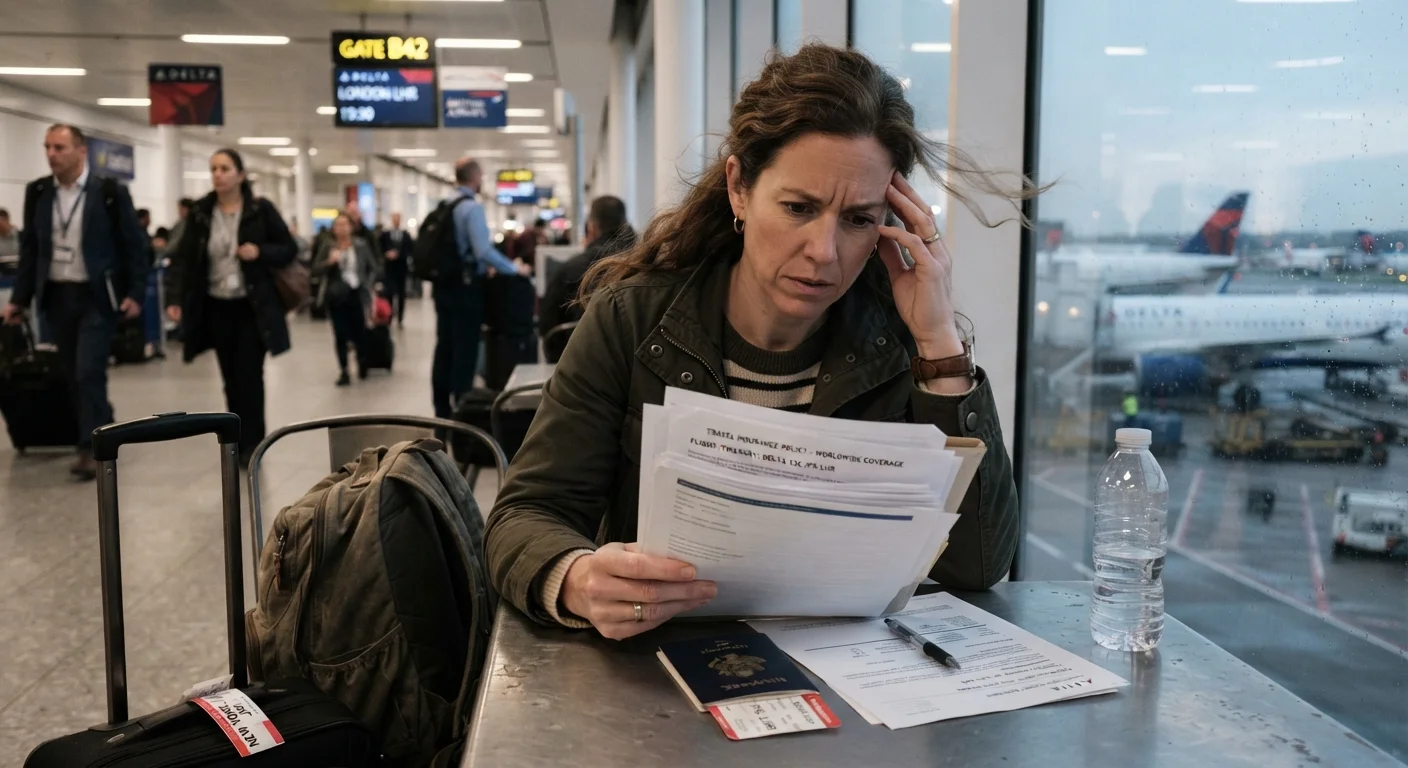
Traveling abroad introduces a set of financial risks that simply don't apply the same way on domestic trips. Your regular health plan may not follow you past US borders. A flight disruption halfway around the world is far more disruptive — and expensive — than a missed connection to a neighboring state. And if something serious happens medically, getting home could cost more than the entire vacation.
That's the core purpose of international travel insurance: to put a financial safety net under the specific, often large, risks that come with leaving the country. Trip planning basics encompass a lot of logistics, and insurance deserves a dedicated spot on that checklist. See the international travel prep checklist for a full pre-departure rundown.
$50,000–$100,000+
Typical cost of international medical evacuation
The US Travel Insurance Association and travel medicine organizations have consistently cited these figures as representative ranges for air medical transport back to the US from abroad.
~30%
US travelers who purchase travel insurance
According to the US Travel Insurance Association, travel insurance awareness and purchase rates have grown in recent years but a significant share of international travelers still depart without a policy.
14–21 days
Typical window to secure pre-existing condition waiver
Most travel insurance policies require purchase within this window after your initial trip deposit to qualify for pre-existing condition coverage.
What Travel Insurance Typically Covers
Most comprehensive international travel insurance policies bundle several types of protection together:
- Trip cancellation and interruption: Reimburses nonrefundable, prepaid trip costs if you cancel or cut a trip short for a covered reason — such as sudden illness, a death in the family, severe weather, or jury duty. The key phrase is "covered reason"; the list in your policy determines what qualifies.
- Emergency medical coverage: Pays for treatment if you get sick or injured abroad. This is often the most critical benefit for international travelers, given how little US health insurance applies overseas.
- Emergency evacuation: Covers transportation to an appropriate medical facility or, if necessary, back to the US. Medical evacuation flights can run $50,000–$100,000 or more without coverage.
- Baggage loss and delay: Reimburses you for lost, stolen, or damaged luggage, and provides funds to buy necessities if bags are delayed beyond a set number of hours.
- Travel delay: Provides reimbursement for meals, lodging, and other out-of-pocket expenses when a covered delay strands you en route.
Some policies also include 24/7 travel assistance services — a helpline that can coordinate medical referrals, lost-passport support, or emergency cash transfers.
Buy Coverage Soon After Your First Deposit
Purchasing a travel insurance policy within 14–21 days of making your initial trip deposit is often essential for unlocking time-sensitive benefits, including pre-existing condition waivers. Waiting until just before departure means you may miss these protections entirely, even if the rest of your trip cost is still refundable at the time of purchase.
The Coverage Gaps That Catch Travelers Off Guard
Reading the fine print matters, because several common situations fall outside standard policy coverage:
- Pre-existing medical conditions: Most standard policies exclude claims related to conditions you had before purchasing the policy. A pre-existing condition waiver can remove this exclusion, but it typically must be purchased within 14–21 days of your first trip deposit.
- Non-covered cancellation reasons: Changing your mind, work conflicts, or fear of travel to a destination with a travel advisory generally don't qualify as covered reasons for trip cancellation. A Cancel for Any Reason (CFAR) upgrade exists for these scenarios but reimburses only a portion of trip costs — usually 50–75%.
- High-risk or adventure activities: Standard medical coverage often excludes injuries from activities like skydiving, bungee jumping, motorbiking, or even backcountry skiing. Separate adventure sports riders address this gap.
- Alcohol- or substance-related incidents: Claims arising from accidents where you were intoxicated are routinely denied.
- Unattended belongings: Baggage coverage typically won't pay out for items stolen from an unattended vehicle or left in a public space without reasonable precaution.
Understanding these exclusions is as important as understanding what is covered. For a broader look at how coverage gaps work across policy types, the concept applies in familiar ways — similar to how auto insurance coverage types each cover distinct scenarios with their own exclusions.
Travel Advisories and Coverage
If the US Department of State issues a travel advisory for your destination after you purchase your policy, some plans may treat it as a covered reason for cancellation — but many do not. Review your policy's specific language around government advisories and check State Department travel advisories at travel.state.gov before and after booking. Conditions can change between purchase and departure.
What to Look For When Evaluating a Plan
Not all travel insurance is the same, and the right plan depends on your trip specifics. Here are the factors worth weighing:
- Medical coverage limits: Look for at least $100,000 in emergency medical coverage for international travel. Higher-risk destinations or longer trips may warrant more.
- Evacuation limits: Evacuation coverage of at least $250,000 is a common benchmark, though needs vary by destination's remoteness.
- Trip cost coverage: The policy should cover 100% of your nonrefundable trip costs for cancellation and interruption benefits.
- Primary vs. secondary medical coverage: Primary coverage pays your claims without requiring you to file with your regular health insurance first — often simpler and faster abroad.
- Timing of purchase: Buy shortly after your first trip deposit to access time-sensitive benefits like pre-existing condition waivers.
Families traveling internationally with children should pay particular attention to whether minors are covered under a parent's policy or require separate enrollment. Our guide on international travel with kids covers additional planning considerations for family trips.
For an overview of what travel policies typically include across all trip types, what travel insurance actually covers provides a helpful complement to this guide.
This article is for general informational purposes only and does not constitute insurance, financial, or legal advice. Coverage terms vary by policy and provider. Always read your policy documents carefully and verify details directly with your insurer before traveling.