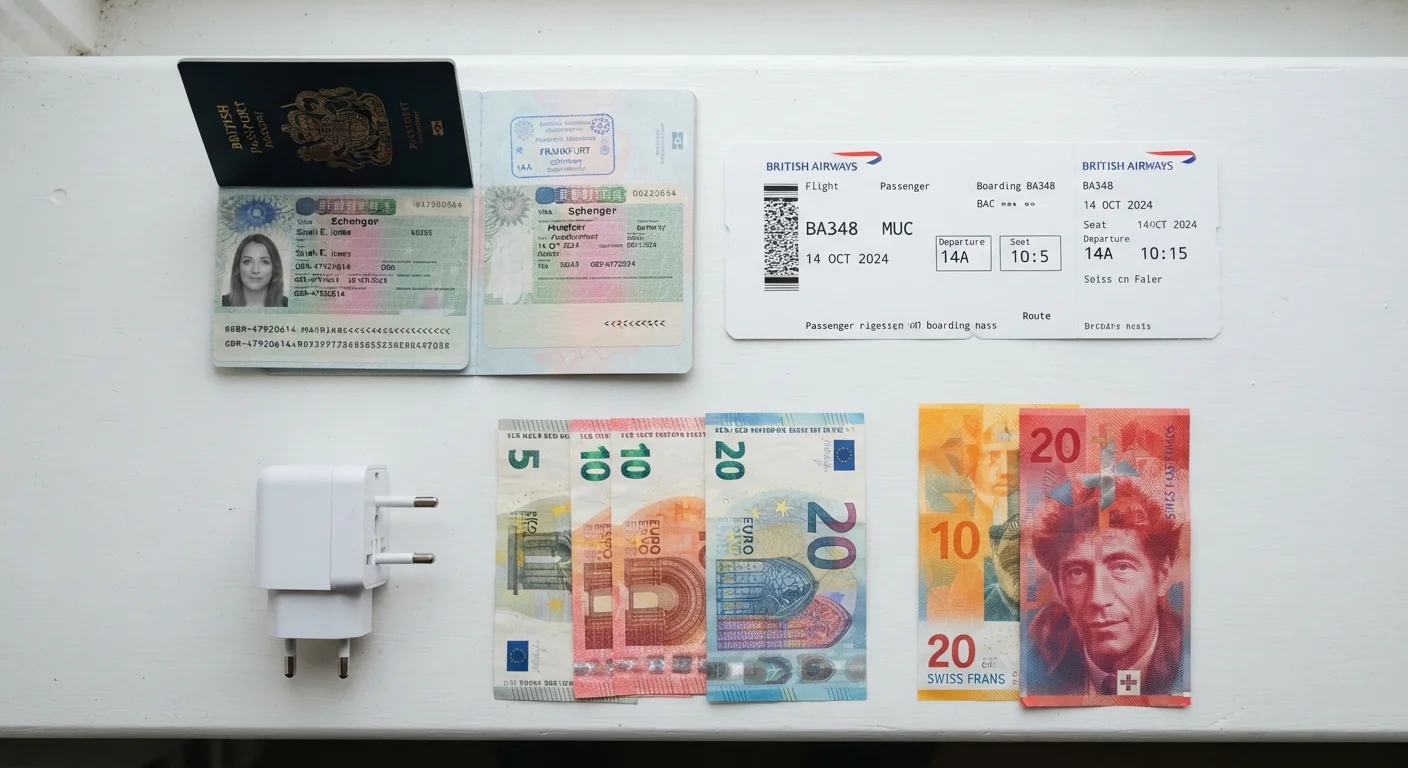


The Three-Tier System: Passport, Visa, and Everything In Between
International entry requirements follow a basic framework, but the details vary enormously by destination and your citizenship. Understanding the three main tiers helps you figure out what you need before you even search for flights.
Passport only: Many countries allow U.S. citizens to enter with just a valid passport, no advance visa required. You show up, get your stamp, and you're in — typically for stays up to 30–90 days depending on the country's rules. This is commonly called visa-free access.
Electronic Travel Authorization (ETA) or eVisa: Some countries that don't require a traditional visa do require a lightweight online authorization before you fly. Canada, Australia, and several others use this system. It's not a visa in the full sense — approval is usually quick and the fee is modest — but skipping it can get you denied boarding.
Visa required: For some destinations, U.S. citizens must obtain a visa in advance through the country's embassy or consulate. This process can take days to weeks, involve an in-person appointment, and require documentation like bank statements, travel itineraries, or a letter of invitation.
For a broader look at what visa-free access actually means in practice, see what a U.S. passport gets you — and where it falls short.
| U.S. Passport Validity Buffer (common rule) | 6 months beyond travel dates (Required by many countries; verify per destination) |
| Visa-Free Destinations for U.S. Citizens | Roughly 180+ countries/territories (Varies by year and bilateral agreements) |
| Visa-on-Arrival Availability | Offered by dozens of countries (Conditions and fees vary widely by destination) |
| Electronic Travel Authorization (ETA) Processing | Often minutes to 72 hours (Depends on destination's system) |
| U.S. Passport Standard Processing Time | 6–8 weeks (varies seasonally) (U.S. Department of State) |
| Official Verification Source | travel.state.gov + destination embassy (U.S. Department of State) |
Passport Validity: The Rule Most Travelers Get Caught By
Having a passport isn't enough — it needs to be valid for a specific window beyond your travel dates. Many countries require at least six months of validity remaining on your passport at the time of entry, not just at the time of booking. Travelers have been turned away at the gate with passports that technically haven't expired yet.
Check the expiration date on your passport right now. If you're cutting it close, factor in current U.S. passport processing times — standard service has historically run six to eight weeks, though seasonal demand can push that longer. Expedited processing is available but adds cost and still takes time.
Also watch for blank pages. Some countries require one or two blank visa pages for entry stamps. If your passport is full of stamps from past travels, it might be time to renew even if it hasn't expired.
Entry Rules Change — Always Verify Officially
Visa policies, passport validity requirements, and entry conditions can shift with little notice due to diplomatic changes, public health measures, or new bilateral agreements. Always confirm requirements through your destination country's official embassy or consulate website and the U.S. Department of State's travel information pages before you book or depart. No third-party source — including this article — should be treated as the definitive authority.
Planning your first trip abroad? Our guide Your First International Trip: Everything You Need to Know Before You Go walks through all the pre-departure fundamentals, including passports and beyond.
How to Actually Verify What You Need
The most important step is checking the right sources — and doing it close to your travel date, not just when you book. Requirements can change.
- Start at travel.state.gov. The U.S. Department of State's country information pages list entry and exit requirements for every destination, written for American travelers. This is your baseline.
- Go to the destination country's official embassy or consulate website. This is the authoritative source for visa applications, fees, required documents, and processing timelines.
- Check your airline's documentation requirements. Airlines are responsible for carrying properly documented passengers, so many use systems like IATA's Travel Centre to verify what you need. If you're missing something, you may not be allowed to board.
- Account for your specific situation. Requirements can differ based on your travel purpose (tourism vs. work), length of stay, and whether you're transiting through a third country. A layover in a country where you need a transit visa is a real scenario that catches travelers off guard.
Once you've confirmed your documents, make sure the rest of your prep is just as solid. Run through the international travel prep checklist to cover everything from travel insurance to currency before you leave.
180+
Countries U.S. passport holders can enter visa-free or with visa-on-arrival
Based on publicly reported passport index rankings; exact count fluctuates with policy changes.
6 months
Minimum passport validity required beyond entry date by many countries
A widely applied rule — travelers with passports expiring sooner have been denied boarding.
~72 hours
Typical ETA approval window for eligible travelers
Countries like Canada and Australia process most Electronic Travel Authorizations within hours to a few days.
Special Situations Worth Knowing About
Traveling with children: Minors need their own passports — they can't travel on a parent's. If a child is traveling with only one parent or with non-parents, some countries require notarized consent letters from the absent parent(s). Requirements vary widely. See our guide on international travel with kids for the full picture.
Dual citizens: The U.S. does not formally recognize dual citizenship in all contexts, but many Americans hold two passports. Some countries require you to enter on their passport if you're also their citizen. Check the rules for each destination carefully.
Visa overstays: Staying longer than your authorized period — even by accident — can result in fines, deportation, or bans on future entry. Know your permitted stay length and plan accordingly.
Transit visas: Connecting through a country isn't always visa-free. Some countries require a transit visa even if you never leave the airport's international zone. Confirm this for every country on your itinerary, not just your final destination.
Once you've got your documents sorted, the next step is packing smart. Packing for international travel without overpacking covers what actually belongs in your bag — and what doesn't.
This article is for general informational purposes only. Entry requirements change frequently. Always verify current rules through official government and embassy sources before traveling.