

Why Timing Is One of the Most Underrated Planning Decisions
Most people pick a destination first and then figure out when to go. Flip that thinking, and you'll often end up with a far better trip. The same place — a national park, a beach town, a European city — can feel wildly different depending on the month you arrive. Weather, crowd density, pricing, and even which activities are available all shift with the calendar.
Understanding the three broad seasons of travel — peak, shoulder, and off-season — gives you a practical framework for every destination decision you make. These aren't rigid categories; they vary by location and activity type. But once you know how to read them, you can stop leaving your experience to chance.
The tips below cover the core timing principles that shape a trip. For deeper context on how this plays out across specific US spots, see what shoulder season actually means for popular American destinations.
Understand What Peak Season Actually Costs You
Peak season is when a destination draws the most visitors — typically summer for beach and mountain spots, winter holidays for ski resorts, and spring for cities with major festivals. Demand drives up accommodation prices and tour costs, and popular sites get congested. Wait times for restaurants, park entry, or popular hikes can add hours to your day.
That said, peak season exists for a reason: conditions are often at their most reliable and the widest range of services and activities are available. If you're traveling with children, visiting during peak season may align with school schedules and kid-focused programming. The key is going in with realistic expectations about cost and crowds rather than being caught off guard.
Peak season offers the most reliable conditions — but costs and crowds are the price you pay.
Learn to Recognize Shoulder Season at Your Destination
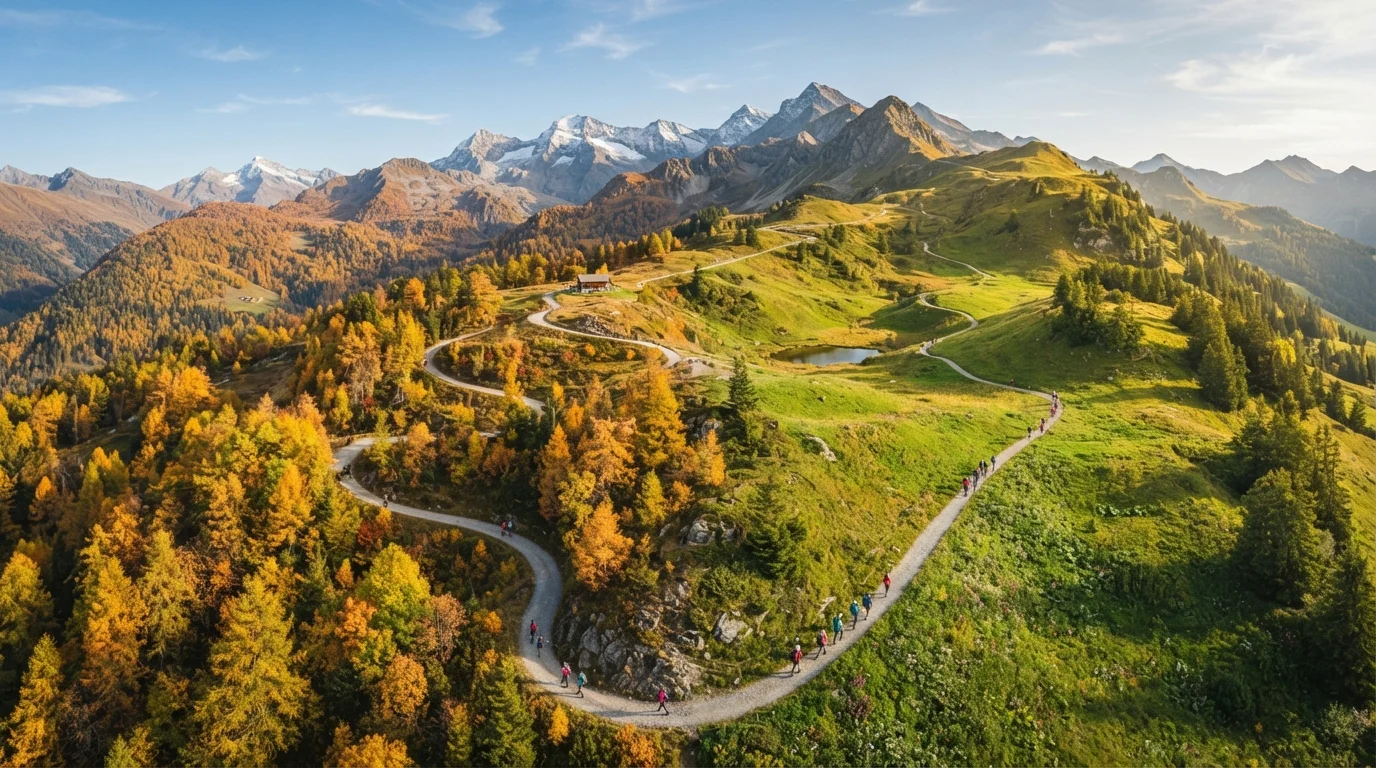
Shoulder season falls between peak and off-season — often spring and fall for many US and international destinations. It's widely considered the sweet spot for experienced travelers: weather is frequently still favorable, crowds thin noticeably, and prices on lodging and tours often drop. Many destinations are also simply more pleasant to navigate when they're not at capacity.
The catch is that shoulder season isn't uniform. A beach town's shoulder season might mean mild, swimmable temps with half the crowds. A mountain destination's shoulder season might mean unpredictable weather and some closures. Research your specific destination rather than applying a blanket rule. Urban vs. rural destinations also respond to seasonal shifts very differently.
Shoulder season frequently offers the best trade-off between good weather, lower prices, and thinner crowds.
Know What Off-Season Means for Access and Services
Off-season can mean dramatically lower costs and uncrowded experiences — but it comes with real limitations. Attractions may be closed or operating on reduced hours. Some smaller towns genuinely shut down between seasons, leaving few accommodation or dining options. Weather may be at its harshest, making outdoor activities difficult or unsafe.
Off-season travel rewards flexible, self-sufficient travelers who do their homework. If a destination is largely outdoors-dependent, verify which trails, parks, or activities remain accessible. For international travel, check whether entry conditions, local transportation, or tour availability change significantly — the international travel hub is a useful starting point for destination-specific considerations.
Off-season offers the lowest prices and fewest crowds — but limited services can redefine what a trip looks like.
Match Your Activity Type to Seasonal Conditions
Different activities have entirely different seasonal windows. Wildflower hikes peak in late spring; fall foliage has a narrow, location-specific window measured in weeks. Snorkeling and water sports depend on water temperature and storm season. City sightseeing is far more comfortable when heat or cold isn't extreme, and major outdoor festivals are obviously tied to specific dates.
Build your activity wishlist first, then research when conditions are actually optimal for those activities at your destination — not just when the destination is generally popular. This often leads you naturally to shoulder season windows that most casual planners miss entirely.
Aligning activities to their optimal seasonal window often reveals trip dates that most travelers overlook.
Factor In Weather Risk, Not Just Weather Averages
Average monthly temperatures and rainfall stats give you a baseline, but they don't capture weather risk. The Gulf Coast and Caribbean have clearly defined hurricane seasons. The American Southwest can see extreme heat events in July and August that make outdoor activity genuinely dangerous. Parts of Southeast Asia experience monsoon seasons that can make travel logistically difficult even if some days are sunny.
Look at historical patterns for your destination window, including the likelihood of disruptive weather events — not just the average sunny day count. If you're planning a driving trip, it's also worth noting that weather transitions affect vehicles too; the seasonal car care guide covers what to check before heading into different climates.
Average weather stats can be misleading — understanding seasonal weather risks matters as much as knowing the typical forecast.
Use Seasonal Awareness to Anchor Your Booking Strategy
Which season you target should directly influence how early you book. Peak season travel — especially around holidays, school breaks, or major events — typically requires earlier reservations for both flights and accommodations. Shoulder and off-season travel generally offer more flexibility, and last-minute options are sometimes genuinely available.
That said, even shoulder season can fill quickly at destinations that are gaining popularity. The general principle: the more constrained your travel dates and the more popular the destination, the earlier you need to act. Treat your seasonal research and your booking timeline as two parts of the same planning step, not separate decisions.
How far in advance you need to book shifts significantly depending on which season and destination you're targeting.
Put It All Together Before You Book
Seasonal planning isn't about finding a single "perfect" time — it's about understanding the trade-offs and choosing what matters most to you. A family with school-age kids may have no choice but peak season; a flexible solo traveler might thrive in the off-season. Neither is wrong.
Start With a Seasonal Calendar for Your Destination
Before you lock in any dates, look up your destination's seasonal overview — most national park websites, tourism boards, and travel resources publish monthly breakdowns of weather, crowds, and access. Even a 15-minute search can reveal that the dates you assumed were ideal are actually the busiest or most weather-volatile of the year. Adjusting by just a few weeks can meaningfully change the experience.
Once you've identified your ideal timing window, booking strategy becomes the next variable. How far in advance you lock in flights and lodging should shift based on the season — how far in advance you should actually book travel breaks down the general principles by trip type.
And after timing is sorted, the next challenge is structuring your days wisely. A well-timed trip can still feel exhausting if it's overscheduled — building a day-by-day itinerary that leaves room to breathe can help you get that balance right.