
The Gap Between the Menu and the Bill
You scan the menu, do a quick mental tally, and feel good about the evening ahead — then the check arrives and it's noticeably higher than you planned. It happens to careful diners all the time, and it's rarely because you ordered carelessly. It's usually because restaurant billing has a lot of layers that aren't immediately visible from the entrée prices alone.
Understanding those layers isn't about being a skeptical diner — it's just part of knowing how restaurants operate. Once you know what to look for, a quick scan of the menu and a question or two to your server is all it takes to walk in informed. For a deeper look at menu language in general, our guide on decoding restaurant menus is a helpful starting point.
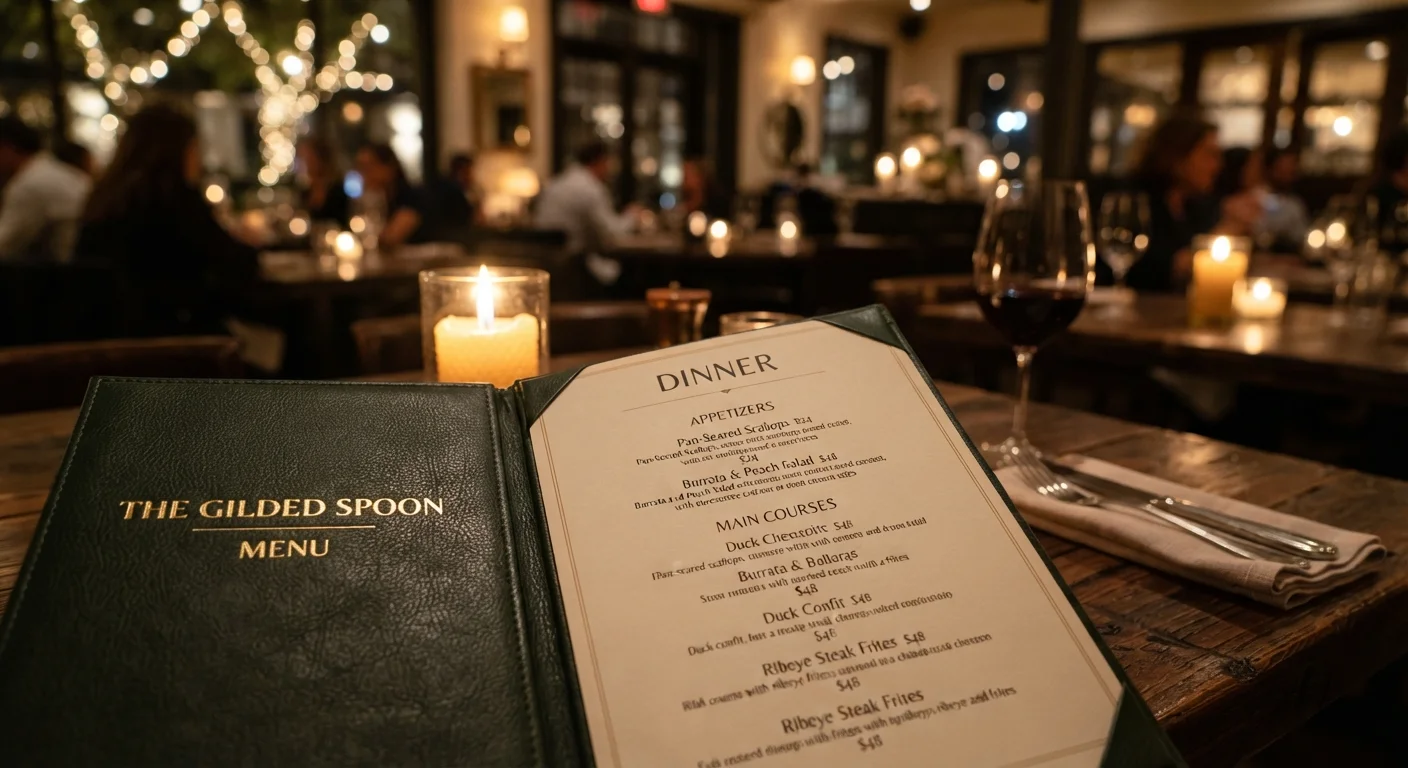
Assuming the menu price is what you'll pay.
Why it happens: Diners naturally focus on the listed dish prices and mentally tally them up, forgetting that service charges, taxes, and surcharges get added afterward.
Not noticing a mandatory service charge and tipping on top of it.
Why it happens: Service charges are often listed in small print at the bottom of the menu or the check, and the credit card terminal may still prompt you to add a gratuity on the full amount.
Bringing your own wine without checking corkage policy.
Why it happens: Bringing a special bottle feels like a money-saving move, but many restaurants charge a corkage fee — sometimes $25 to $50 or more per bottle — that can wipe out any savings.
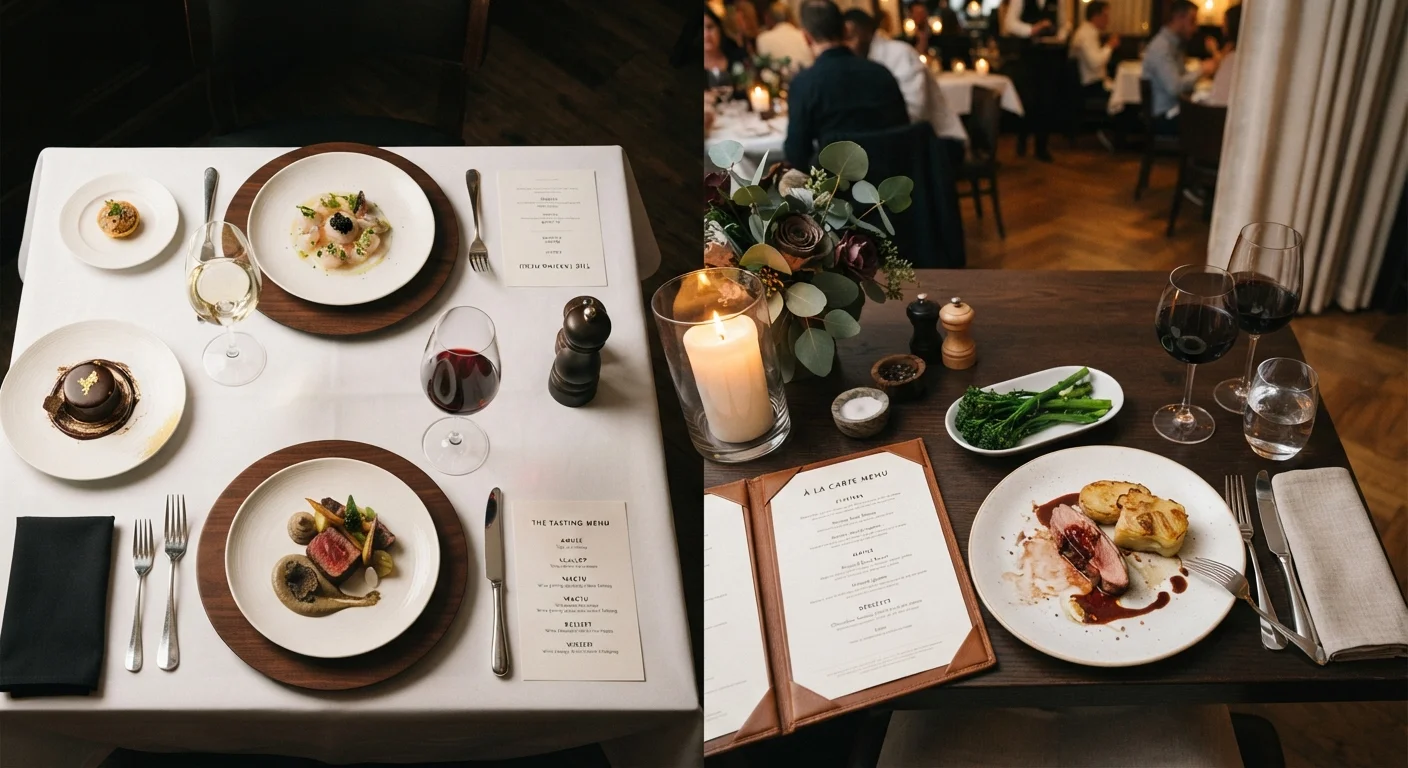
Ordering à la carte when the restaurant expects a prix fixe minimum.
Why it happens: Some fine dining and tasting menu restaurants have a per-person minimum spend, which isn't always obvious from a quick glance at their website or the cover of the menu.
Ignoring split-plate and sharing fees.
Why it happens: Splitting an entrée seems straightforward, but many restaurants charge a plate-sharing fee — typically $5 to $10 — to cover the extra plating, bread, and table space.
Common Charges Worth Knowing About
~20%
Typical automatic service charge at many restaurants
Many full-service restaurants now apply a mandatory service charge in lieu of traditional tipping, often disclosed in menu fine print.
$25–$50+
Common corkage fee per bottle at fine dining restaurants
Corkage fees vary widely by establishment and city; some restaurants waive them on select nights or for certain wine purchases.
Beyond the mistakes above, a few other charges catch diners off guard with some regularity. Resort and hospitality fees sometimes appear at hotel restaurants. Weekend or holiday surcharges — a small percentage added on busy nights — are increasingly common in cities where labor costs are high. Some restaurants also add a credit card processing fee (often 2–4%) if you don't pay with cash.
None of these charges are hidden in a deceptive sense — they're disclosed somewhere, usually in fine print on the menu or posted near the entrance. The trick is knowing to look for them. Dining etiquette and norms also play a role here: asking about fees before ordering is completely acceptable and most servers will answer without hesitation.
Double-Tipping Is Easy to Do
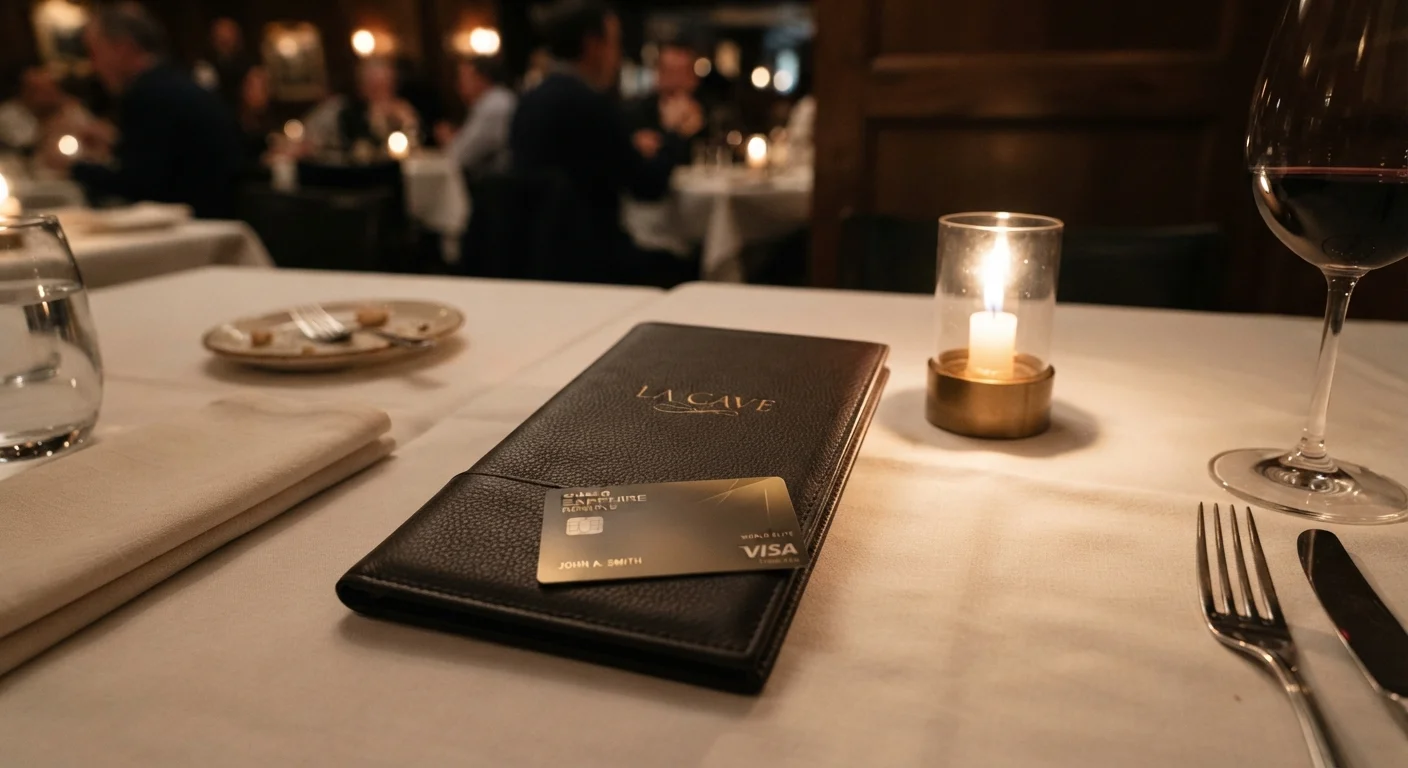
When a restaurant includes an automatic service charge, some card terminals still display a tip prompt — which can lead diners to tip twice without realizing it. Always check whether a service charge is already on your bill before adding additional gratuity. It's a good habit to review the itemized check, not just the total.
If you're building out a broader travel or dining budget, the same principle applies more widely — our piece on travel costs people forget covers how restaurant surprises fit into the bigger picture of trip spending.