

Why Travel Budgets Fall Short Before the Trip Even Starts
Most travelers do the same math: airfare plus hotel equals budget. It's a natural starting point, but it leaves out a surprising number of real costs that show up well before you board the plane — and keep showing up throughout the trip. The result is that familiar sinking feeling when you check your bank account mid-vacation and realize the numbers don't add up.
The good news is that these gaps are predictable and fixable. Understanding where travel budgets typically break down — and why — puts you back in control. For a broader look at why everyday budgets fail in similar ways, see where most Americans' budgets fall apart.
Ignoring ground transportation costs at the destination.
Why it happens: Flights and hotels dominate the planning mindset, so getting around once you land feels like a detail to figure out later.
Forgetting visa fees, entry taxes, and tourist levies.
Why it happens: Many countries have introduced or increased arrival fees in recent years, and they're easy to miss if you don't read the fine print on entry requirements.
Underestimating the cost of eating and drinking daily.
Why it happens: People often plan for a few nice dinners but forget that coffee, lunches, snacks, and drinks add up every single day of the trip.
Skipping travel insurance as a budget line item.
Why it happens: Travel insurance can feel like an optional extra, and travelers in trip-planning mode often want to focus on the fun costs rather than contingency costs.
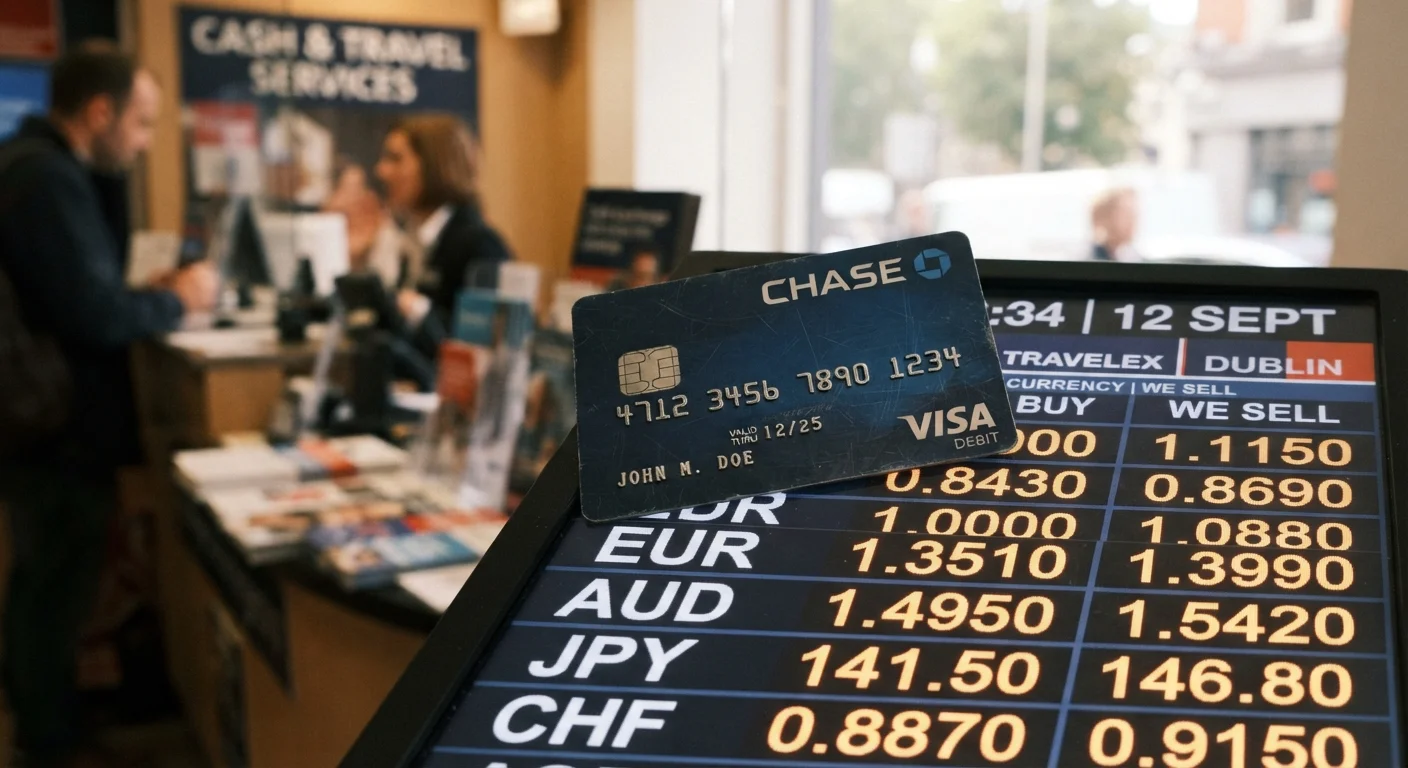
Overlooking bank fees, ATM surcharges, and currency exchange costs.
Why it happens: These fees are invisible until they appear on a statement. Travelers assume their card works the same abroad as at home.
Not budgeting for luggage and baggage fees.
Why it happens: Travelers book flights based on the base fare and only discover checked-bag fees when they check in — sometimes as a surprise at the airport.
Building a Budget That Actually Holds Up
Once you know the hidden cost categories, building them in is straightforward. Think of your travel budget in five layers: transportation (flights, ground transit, parking, tolls), accommodation, food and drink, activities and entry fees, and a miscellaneous buffer of 10–15% for everything else.
~20–30%
How much travelers typically underestimate trip costs
Travel finance researchers and planning platforms commonly find that travelers underestimate total trip spending by 20–30% when they budget only for flights and hotels.
$50–$100+
Typical daily food spend per person while traveling
Daily food costs vary enormously by destination, but US travelers abroad often spend more than they anticipated once all meals, drinks, and snacks are accounted for.
That last layer is doing a lot of work. It absorbs bank charges, unexpected luggage fees, a spontaneous day trip, or a pharmacy run. For international trips especially, the miscellaneous layer needs to be generous. Foreign transaction fees and ATM surcharges alone can quietly drain $30–$60 over a week — learn more about those costs in our guide to what your American debit card can cost you abroad.
Tipping is another line item travelers frequently forget to budget. In the US, 18–20% on restaurant meals is standard — but norms differ sharply by country, and even within countries by setting. Likewise, that restaurant bill itself may include service charges that show up only at checkout. Our piece on why your restaurant meal costs more than expected breaks down what commonly gets added on.
Tourist Taxes Are More Common Than You Think
Many popular destinations — including cities across Europe and parts of Asia — charge a nightly tourist tax that isn't included in your hotel booking rate. These fees are often collected directly by the property at checkout and can range from a few dollars to $10 or more per person per night. Always check what's included in your accommodation quote before assuming the displayed price is what you'll pay.
Finally, think about what you'll need before departure: travel insurance, any required visas, vaccinations recommended for your destination, and pre-booked airport transfers. These are costs that feel optional until they're urgently not. Booking logistics also play a role — timing matters more than most people realize, and our guide on how far in advance to book travel can help you plan smarter. For a complete framework of budget categories to track, the essential budget categories every household should account for is a useful reference you can adapt for trip planning.
This article is for general informational purposes only and does not constitute financial or legal advice. Travel costs, fees, and regulations vary by destination and change over time — always verify entry requirements, visa rules, and health recommendations with official government and provider sources before you travel.