
Why Sheet Pan Dinners Go Wrong
Sheet pan dinners have become a weeknight staple for good reason: minimal prep, easy cleanup, and everything done at once. But plenty of home cooks pull the pan out of the oven only to find pale, soggy vegetables and unevenly cooked proteins. The frustration is real — and almost always fixable.
The culprits are usually the same: too much food on too small a pan, ingredients with wildly different cook times thrown together without a plan, and oven temperatures that are either too low to brown anything or too high to finish the protein safely. None of these problems require special equipment or advanced technique. They just need a little understanding of how dry heat and airflow work together.
If you've ever wondered why restaurant sheet pan dishes look so different from your home version, the answer usually comes down to surface area and temperature management — both of which are completely within your control.
Best Practices for Sheet Pan Success
These core practices cover the decisions that matter most, from how you prep ingredients to how you arrange them on the pan.
Give every ingredient enough room to breathe on the pan.
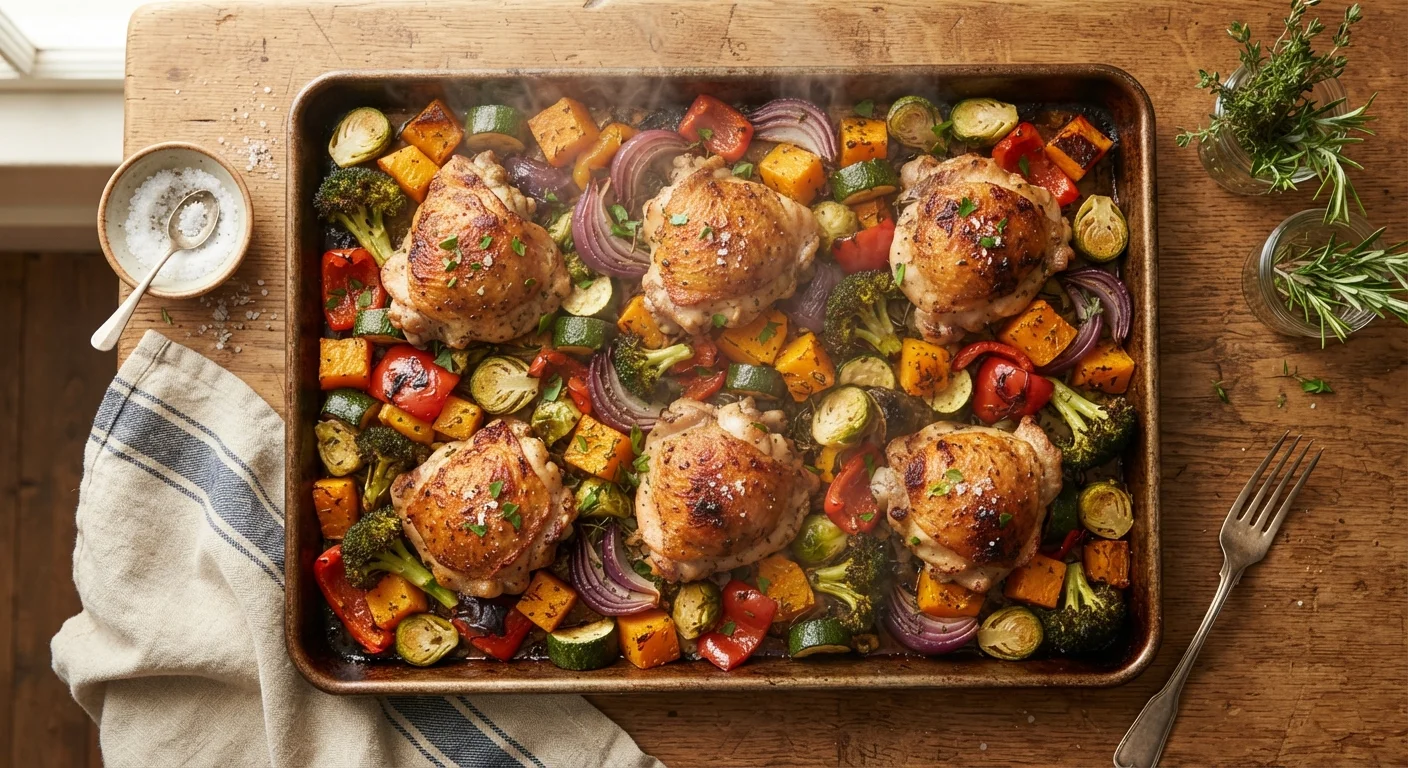
Crowded vegetables release moisture faster than it evaporates, which creates steam and prevents browning. A single layer with visible space between pieces allows hot air to circulate and the Maillard reaction — the browning process — to actually happen.
Cut ingredients to sizes that reflect their actual cook times.
Dense root vegetables like carrots and potatoes take far longer than chicken breasts or tender zucchini. Cutting slower-cooking items smaller — or giving them a head start in the oven — prevents the common problem of overcooked proteins sitting next to raw-centered vegetables.
Use enough oil, and coat everything evenly before it hits the pan.
Oil is the carrier for browning and seasoning. Too little leaves vegetables dull and prone to sticking; too much pools and makes things greasy. Tossing ingredients in a bowl before spreading them on the pan ensures even coverage far better than drizzling directly onto the pan.
Roast at high heat — typically 400 to 450°F — for most ingredients.
Lower temperatures extend cook time and often result in vegetables that soften without browning. High heat drives off moisture quickly and creates the caramelized, slightly charred edges that make roasted food taste so good.
Add delicate ingredients near the end of cooking.
Fresh herbs, leafy greens, pre-cooked grains, and fragile items like cherry tomatoes can burn, wilt, or turn mushy if they roast for the full duration. Adding them in the last 5 to 10 minutes preserves their texture and flavor.
Quick Wins You Can Try Tonight
Even if you're working with what you already have, a few immediate changes can make a noticeable difference in tonight's dinner. Start with one or two of these before overhauling your whole approach.
The Right Pan Makes a Difference
A heavy-gauge rimmed baking sheet (often called a half-sheet pan) distributes heat more evenly than thin, lightweight pans that warp at high temperatures. If your pan warps, it creates hot spots and uneven browning. For a deeper look at how different cookware handles heat, see our guide on choosing the right pan for the job.
Building Flexibility Into the Method
One of the best things about sheet pan cooking is how naturally it fits with a flexible, improvisational mindset. Once you understand the fundamentals — heat, space, and timing — you can swap proteins and vegetables almost interchangeably. A well-stocked pantry of oils, spices, and acidic finishes like lemon juice or vinegar makes it easy to season whatever lands on your pan that night.
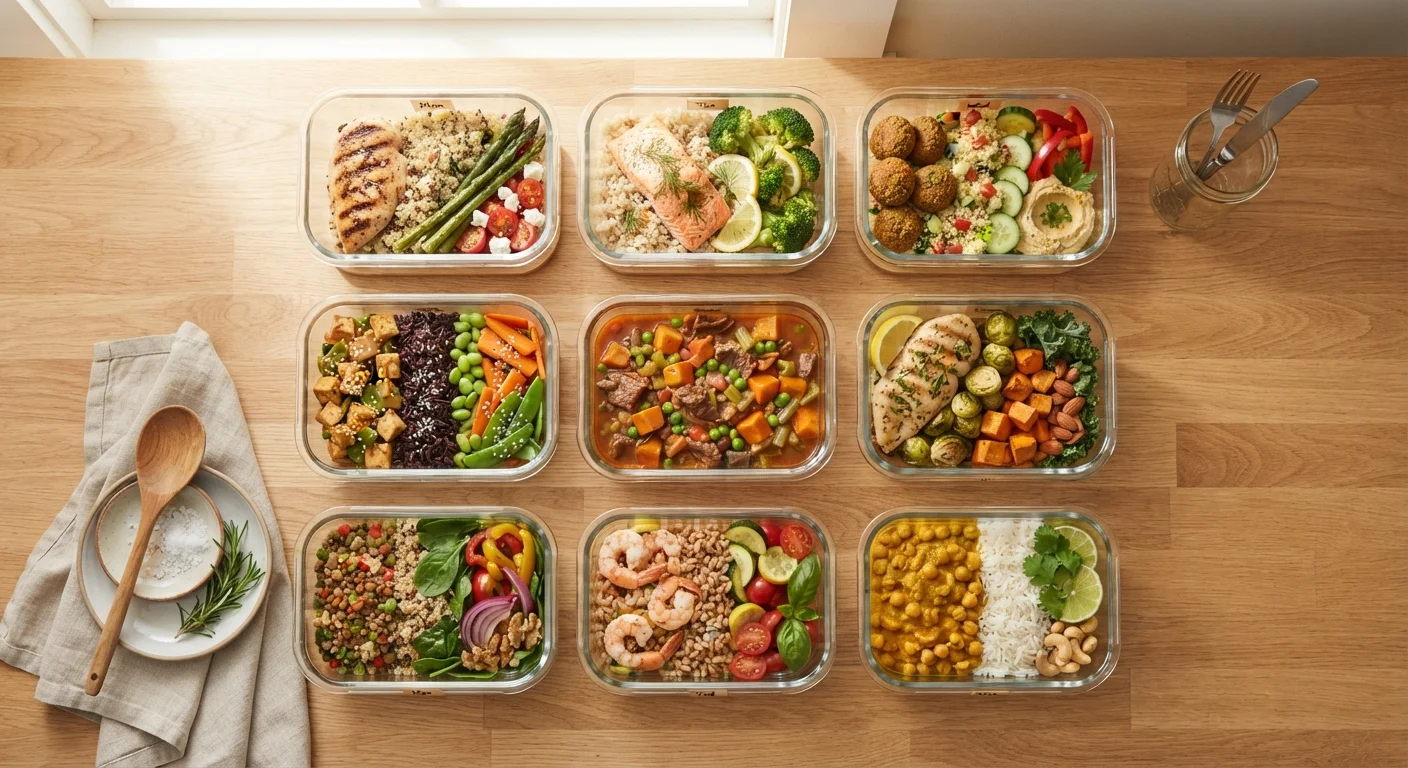
Sheet pan cooking also integrates well with meal prep strategies. Roasted vegetables keep well and can be repurposed across several meals. For a broader look at how batch cooking fits into a weekly routine, see what works (and doesn't) in weekly meal prep.
If you find yourself ready to move beyond recipes entirely, cooking without a recipe is a natural next step — and sheet pan dinners are an ideal format for experimenting, since the technique stays consistent even as the ingredients change.
~30 min
Typical active prep time for a sheet pan dinner
Most sheet pan recipes require 10–15 minutes of prep and 20–30 minutes of oven time, making them among the faster complete-meal formats for home cooks.
425°F
Commonly recommended roasting temperature
Culinary educators widely cite 400–450°F as the sweet spot for achieving caramelization in vegetables without overcooking lean proteins.