
Where the Concept Comes From
Mise en place originated in professional French kitchens, where coordination across a busy brigade demands that every cook arrive at their station with everything already measured, cut, and ready. There's no time to hunt for thyme or realize the shallots aren't sliced when orders are flowing in. The practice became a cornerstone of classical culinary training and eventually made its way into cooking schools and food media.
For home cooks, the phrase started appearing more frequently as culinary culture spread through cooking shows, food writing, and recipe blogs. Today it's less a secret of professionals and more a practical framework that any home cook can use — no culinary school required.
What Mise en Place Actually Involves
At its most basic, mise en place has three steps: read, prep, arrange.
- Read the full recipe first. Before touching a single ingredient, understand the whole flow — what gets added when, what requires long cook times, what should come to room temperature.
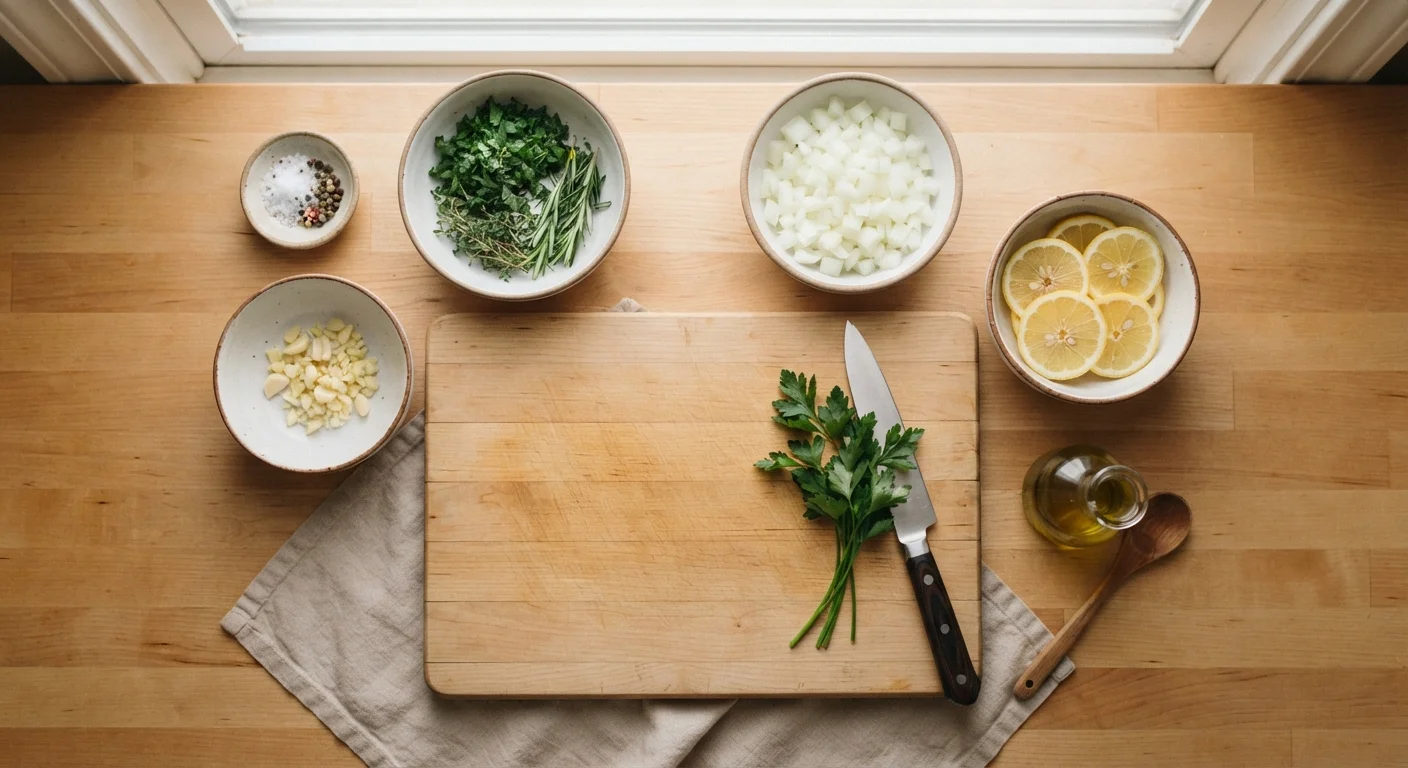
- Prep all your ingredients. This means measuring dry spices, chopping vegetables, mincing garlic, squeezing citrus — anything the recipe calls for, done before you light the burner.
- Arrange everything within reach. Organize your prepped ingredients in the order you'll use them. Small bowls or ramekins are classic; the goal is to be able to grab and go without turning away from the stove.
That's it. The elegance of mise en place is in its simplicity. It's not a complicated system — it's just front-loading the thinking so the cooking itself can be intuitive and calm.
Start With Just One Recipe
Pick a recipe you've made before — something familiar — and try doing a full mise en place before you start. Because you already know the dish, you can focus on the prep habit itself rather than learning the recipe at the same time. It's the lowest-pressure way to build the routine.
Why It Makes Cooking Less Stressful
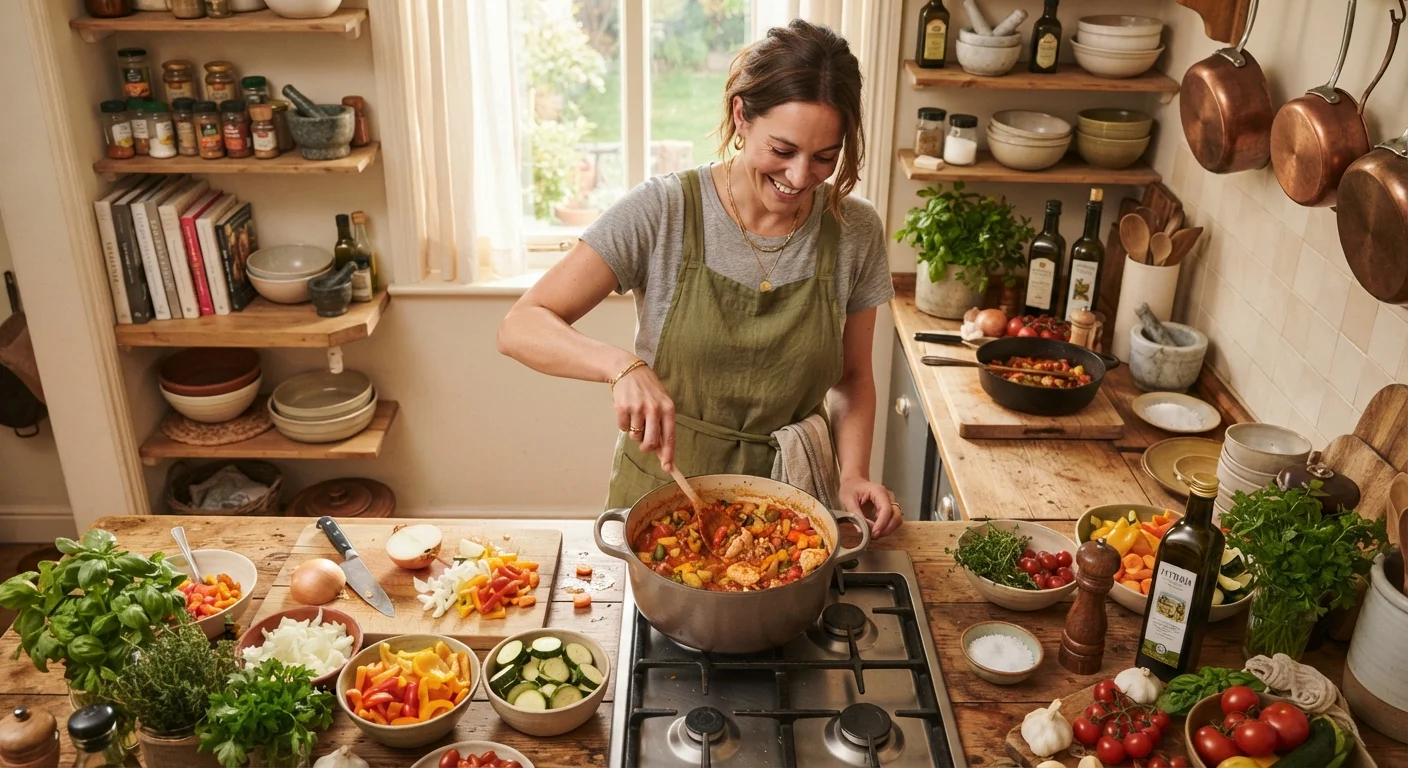
Most kitchen mistakes happen in the gap between thinking and doing at the same time. You're sautéing onions while trying to measure cumin while reading the next step — and that's when things get overlooked or overcooked. Mise en place separates the cognitive work from the physical work, which makes both easier.
There's also a real psychological benefit. Cooking from a place of calm organization tends to be more enjoyable than cooking reactively. If managing stress is something you're actively working on, the structured, intentional rhythm of mise en place can make time in the kitchen feel grounding rather than frantic. For more on building calm into daily routines, see mental wellness strategies that apply well beyond the kitchen.
15–30 min
Typical home mise en place prep time
Culinary educators generally estimate that thorough prep before cooking takes 15–30 minutes for most home recipes, but saves time and mistakes during the cook itself.
3 steps
Core actions in any mise en place
Read the recipe fully, prep all ingredients, then arrange them in order of use — three straightforward steps that anchor the entire practice.
Once you've cooked this way a few times, you'll likely notice you're less flustered, make fewer substitution mistakes, and feel more confident improvising — a natural next step toward cooking without a recipe.
How to Start Using It at Home
You don't need to overhaul how you cook overnight. Try mise en place with just one meal this week — ideally something with a handful of ingredients and a few steps. Read the recipe end-to-end, prep everything into small bowls, then cook. Notice how different it feels.
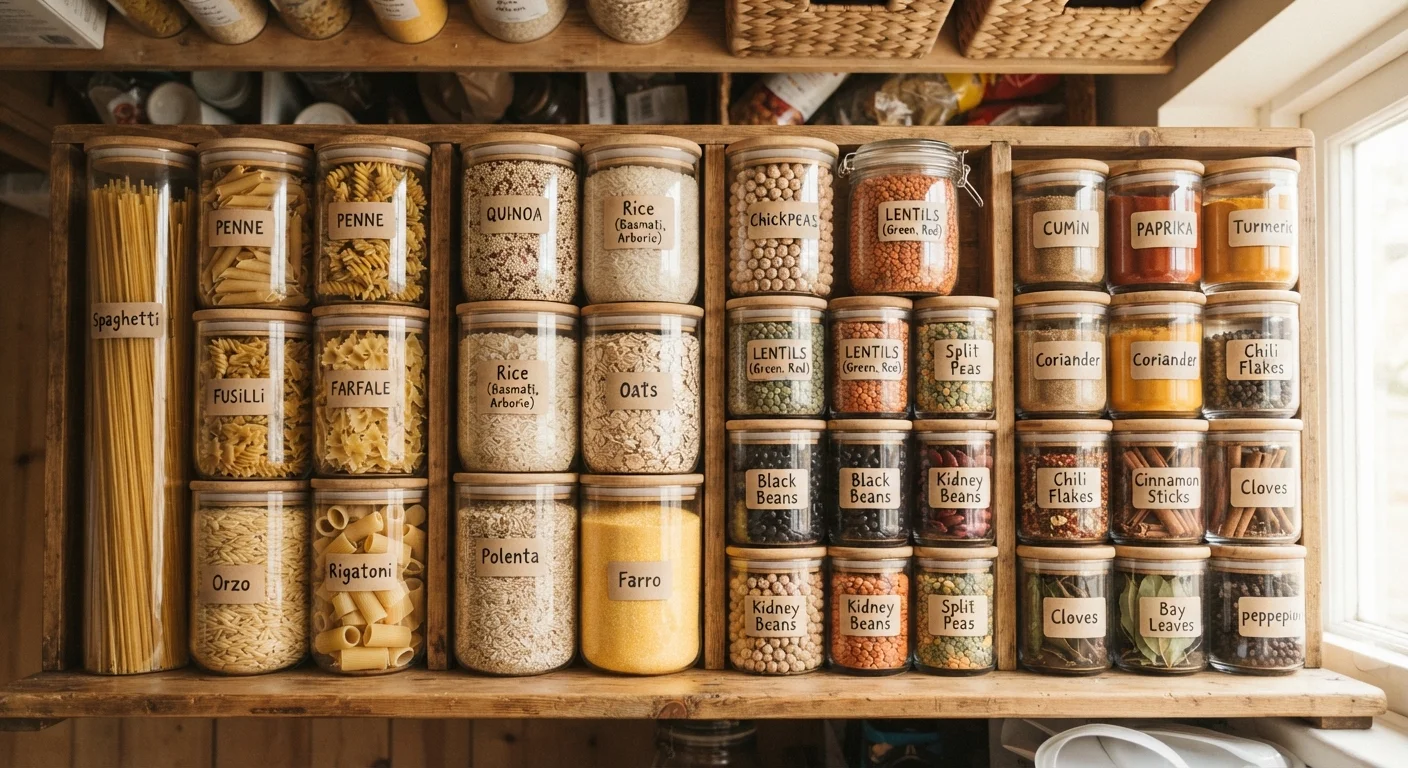
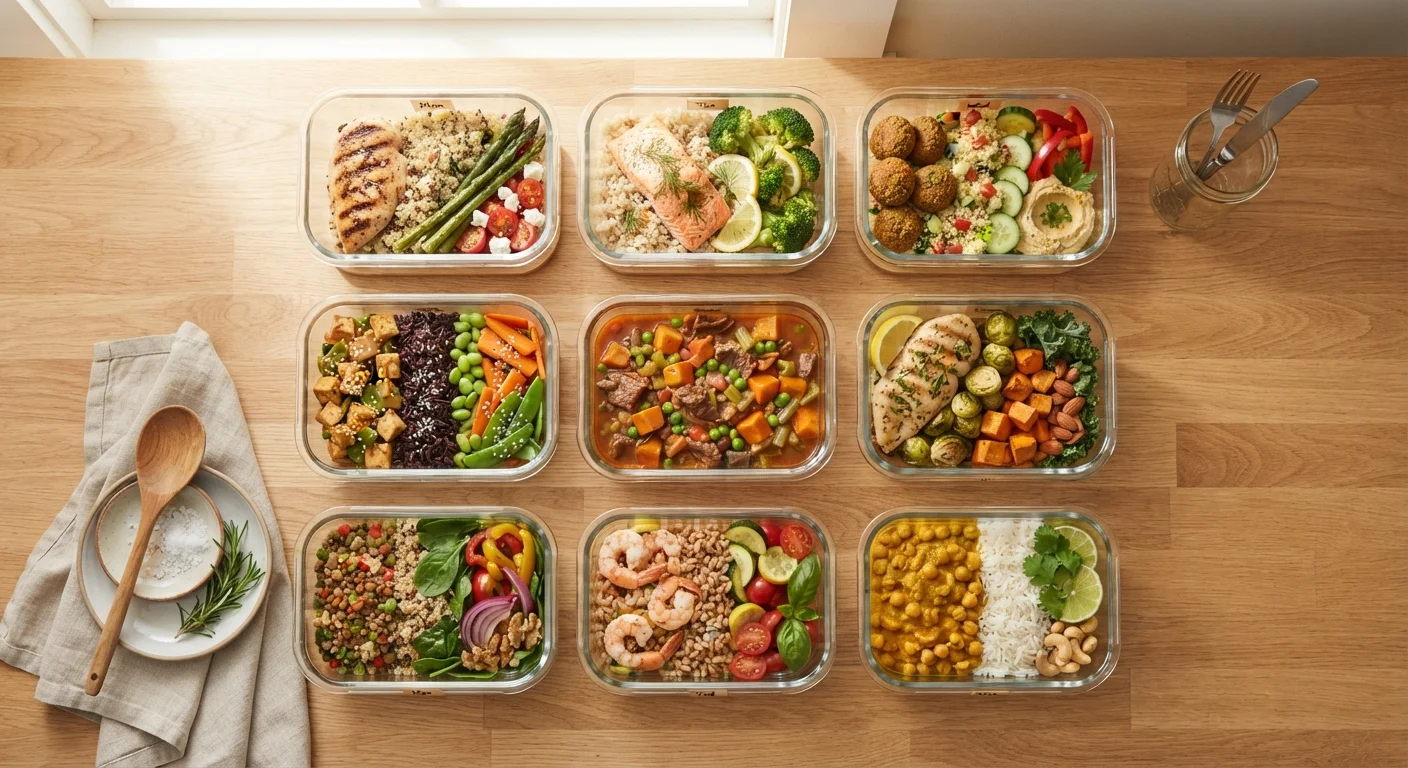
From there, it pairs naturally with other habits that make weeknight cooking easier. A well-stocked pantry means your mise en place comes together faster because you're not missing staples. And if you're interested in weekly meal prep, you'll find that a mise en place mindset makes batch cooking significantly more efficient.
For a complete pre-cooking checklist that builds on this habit, a kitchen readiness checklist can help you catch gaps before they become problems.