
The Invisible Forces That Shrink Your Room
Square footage doesn't lie — but your eyes do. A 200-square-foot room can feel either cozy and intentional or oppressively cramped, and the difference almost always comes down to decor choices rather than the walls themselves. Understanding which decisions compress space visually is the first step toward making any room feel more open, regardless of its actual dimensions.
Most people assume dark paint is the main offender, but the real culprits are often subtler: furniture that's too large for the footprint, rugs that don't anchor the seating area, curtains hung at the wrong height, and lighting that leaves corners in shadow. Each of these choices sends signals to the brain that the room is smaller than it is. The good news is that every single one is correctable — often without a major renovation or significant expense.
Choosing furniture that's too large for the room's footprint.
Why it happens: Shoppers often fall for a sofa or bed that looks proportionate in a large showroom, only to find it overwhelms the actual space at home.
Hanging curtains at or just above the window frame instead of near the ceiling.
Why it happens: It feels natural to hang curtains where the window is, and most people don't realize that rod placement has a dramatic effect on perceived ceiling height.
Using a rug that's too small for the seating or dining area.
Why it happens: Smaller rugs are often less expensive and seem like a safer choice in a tight space, but they actually make a room feel more fragmented.
Relying solely on a single overhead light fixture.
Why it happens: Many homes come with one ceiling fixture per room, and it's easy to assume that's sufficient. But a single overhead source casts harsh shadows and leaves corners dark.
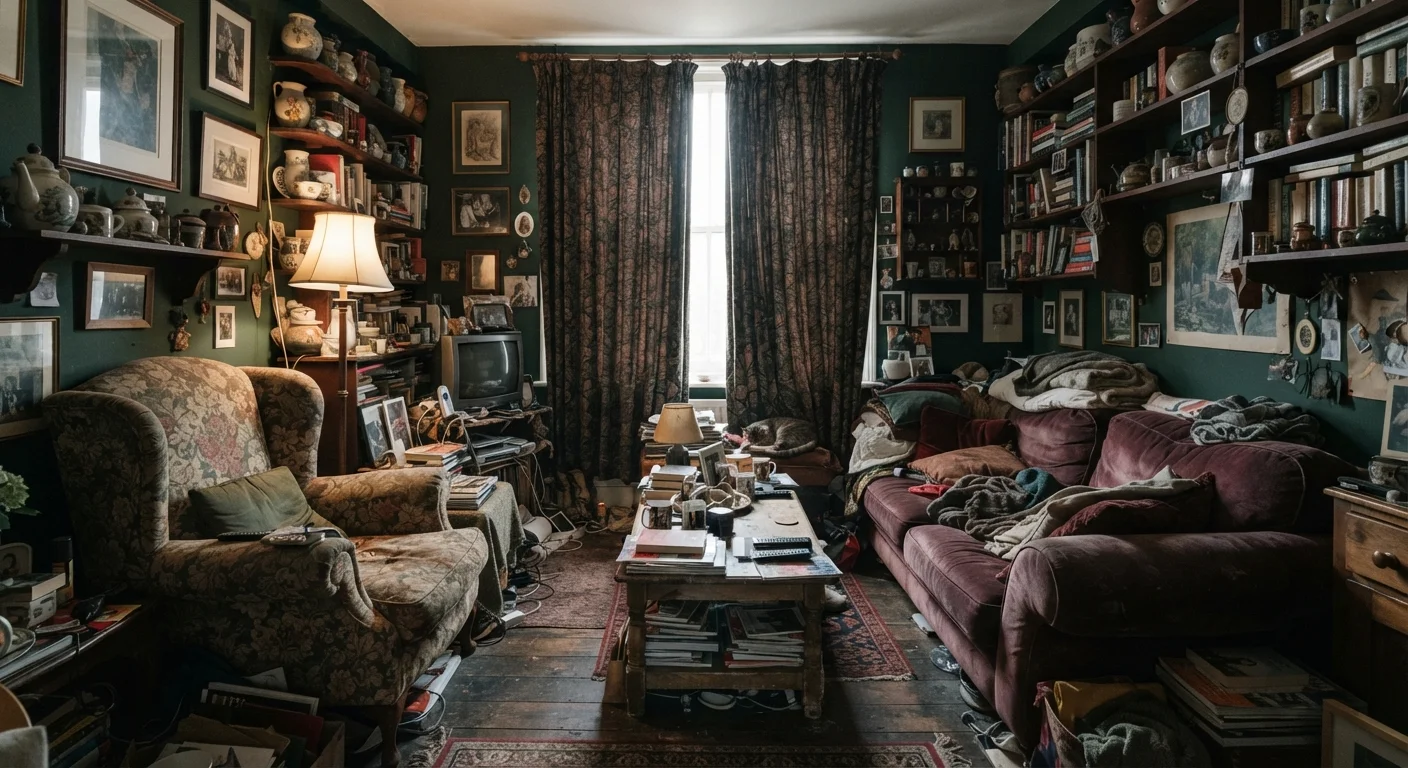
Covering walls with too many small pieces of art in no clear arrangement.
Why it happens: People often collect art incrementally and hang each piece as they acquire it, resulting in a scattered patchwork that fragments the wall.
Using too many competing colors, patterns, or textures in one small room.
Why it happens: Mixing patterns and colors feels creative, and individually each choice may look great — but together they create visual noise that reads as chaos in tight quarters.
How to Rethink Storage and Visual Flow
Once you've addressed the most common mistakes, the next layer of improvement involves how storage and visual flow interact. Clutter is the most immediate visual compressor in any room. When surfaces are stacked with objects and floor space is broken up by scattered furniture legs, the eye has nowhere to rest — and the brain reads that busyness as confinement.
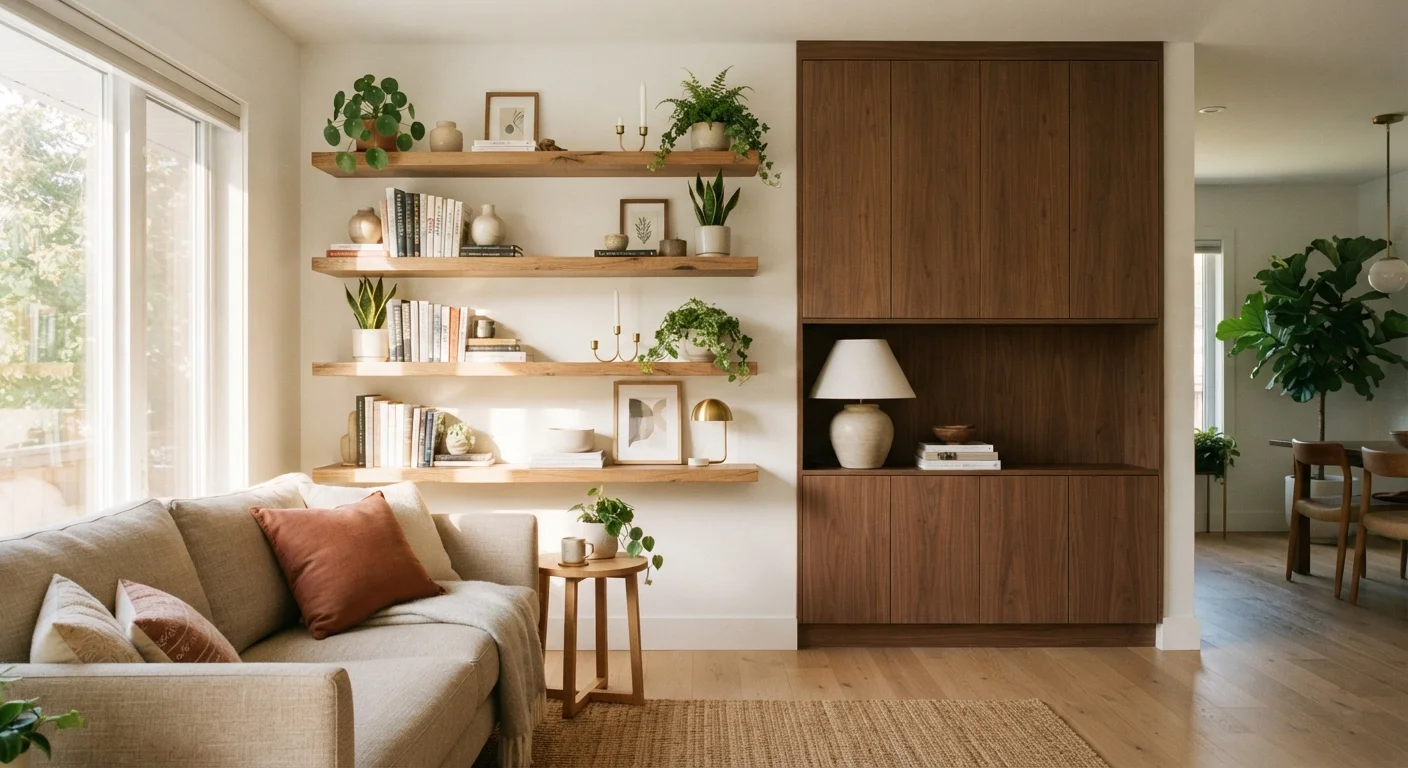
Closed storage, when used thoughtfully, keeps a small room feeling calm. If you're weighing your options, our guide to open shelving vs. closed cabinets can help you decide which approach works better for your habits and space. As a general rule, fewer visible objects — displayed with intention — create more breathing room than trying to show everything at once.
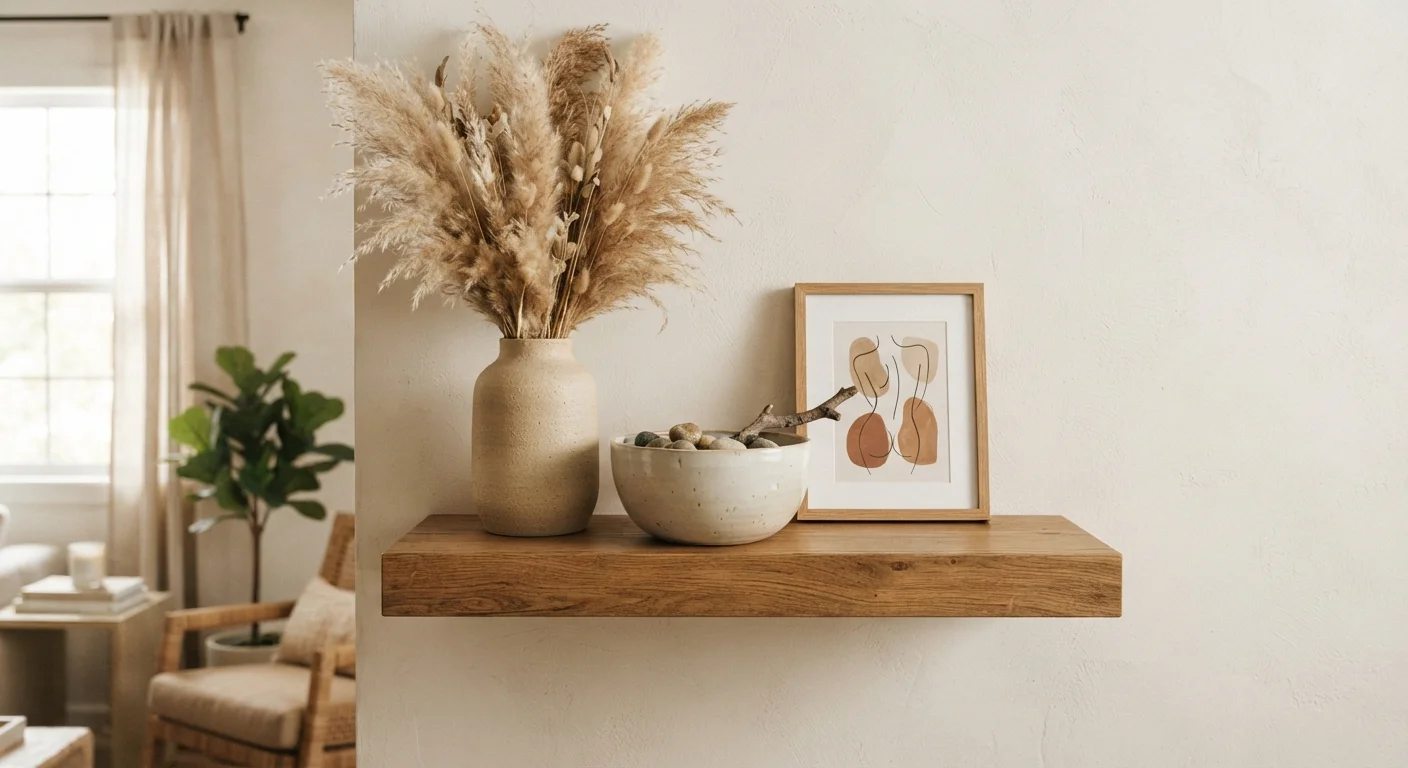
Grouping decor objects deliberately rather than scattering them also helps. The rule of three in home decor is a useful framework here: odd-numbered groupings create a natural focal point that draws the eye rather than letting it bounce around the room with nowhere to land.
Don't Rely on Mirrors Alone to Expand Space
Mirrors are a widely recommended trick for making small rooms feel larger — and they do work — but they're most effective when they reflect something worth seeing, like a window or a tidy, well-lit area. A mirror that reflects a cluttered corner or a blank wall adds little visual value. Use mirrors strategically: opposite a window for light, or as a focal point on a key wall.
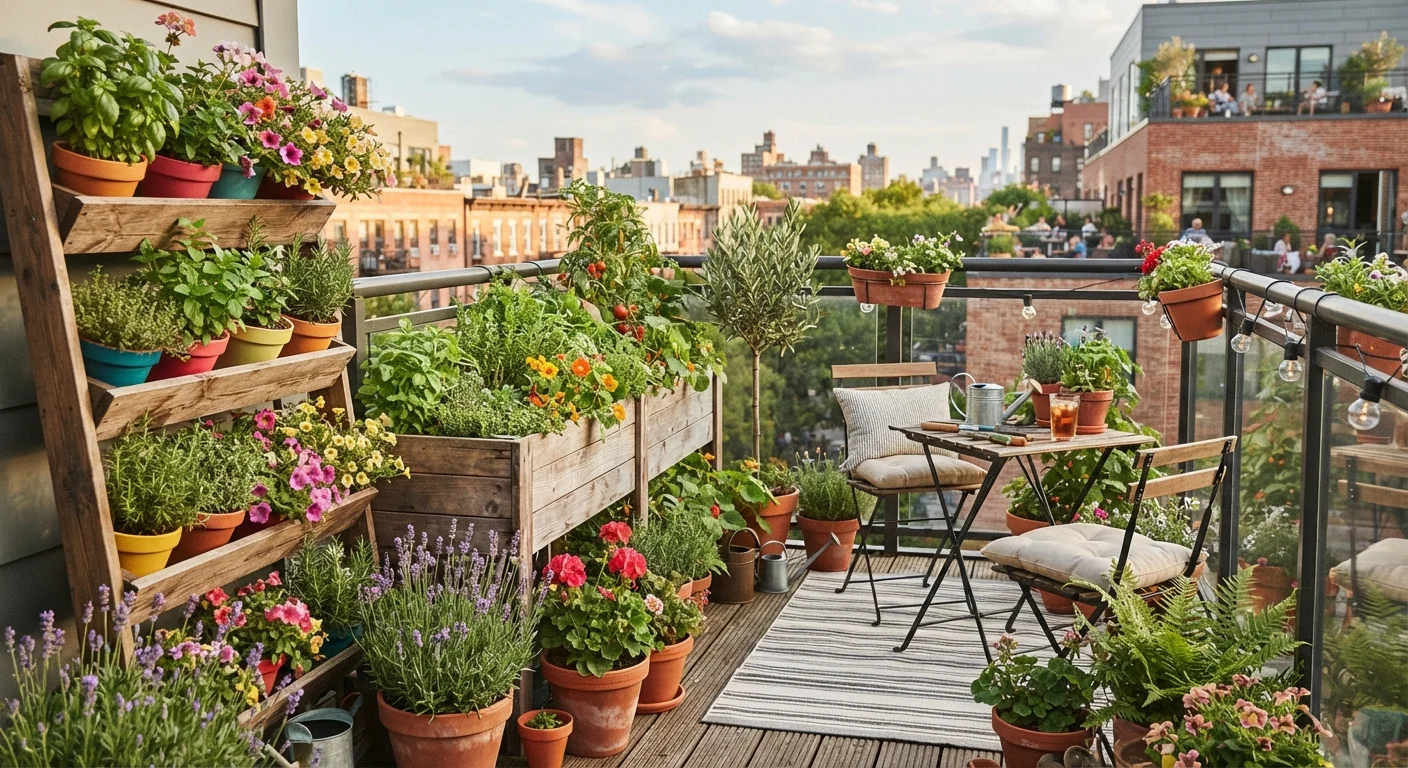
Finally, don't overlook vertical space. Tall bookshelves, high-hung artwork, and floor-to-ceiling curtains all draw the gaze upward, making walls feel taller and the room more expansive. It's a trick designers use consistently, and it costs little more than repositioning a curtain rod. For smaller outdoor areas with similar space challenges, the same principles of verticality apply — see our small-space gardening guide for ideas on translating these concepts outdoors.