
What Each Storage Style Actually Delivers
Open shelving and closed cabinets solve the same fundamental problem — where to put things — but they do it in completely different ways, and those differences ripple into how your living space looks, functions, and feels day to day.
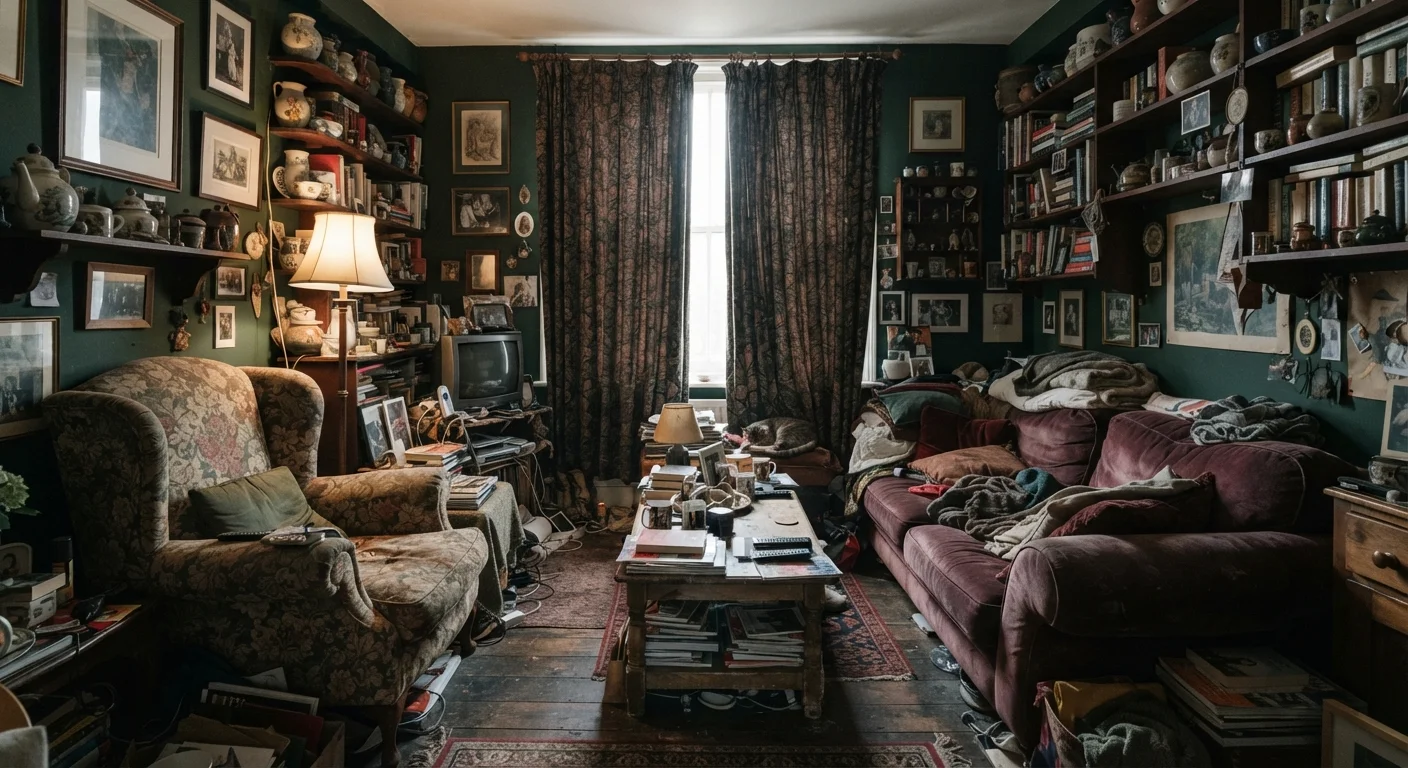
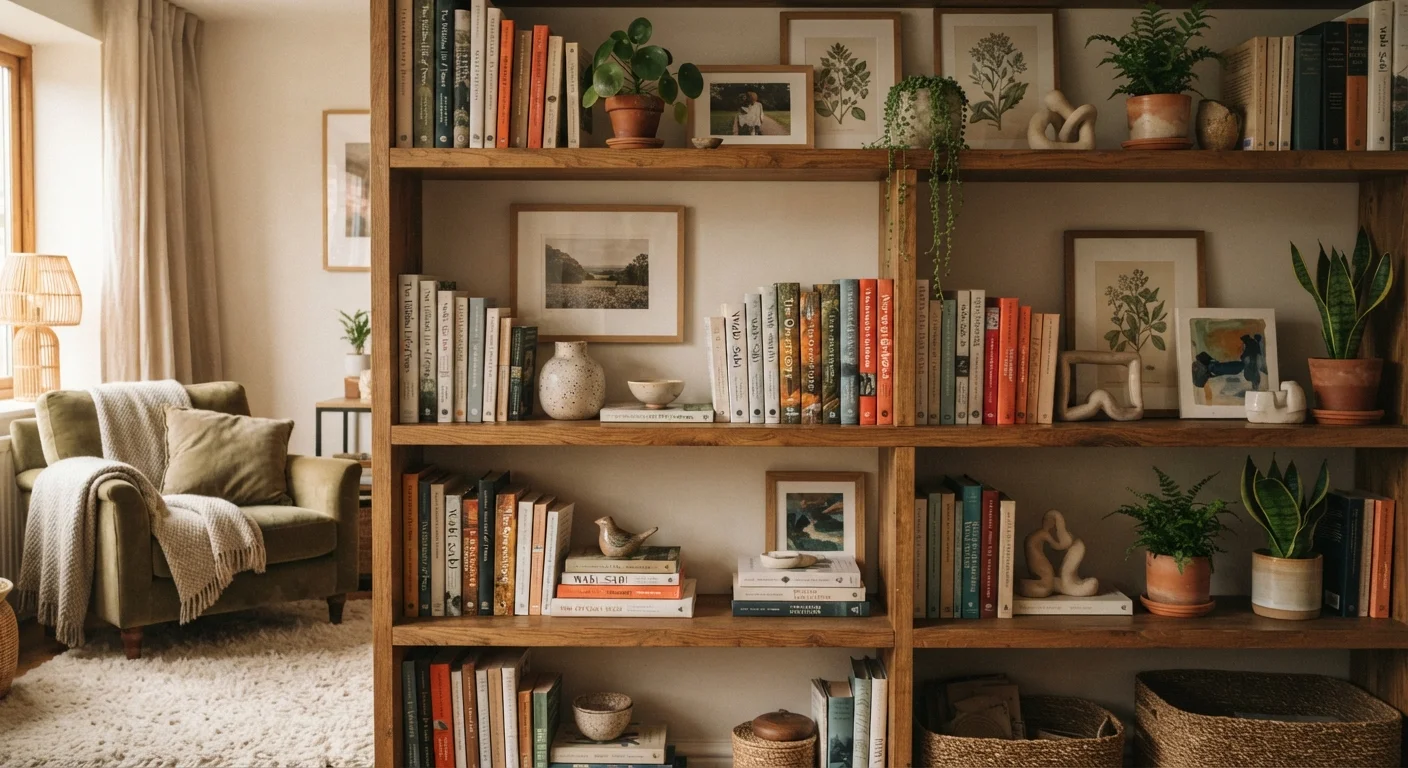
Open shelves are visible by design. Everything on them is on display, which means they serve double duty as both storage and decor. Done well, they communicate personality: a mix of books, plants, and collected objects can make a room feel lived-in and intentional. Done carelessly, they look like clutter on a plank. The styling effort is real and ongoing.
Closed cabinets operate on the opposite principle. Their value is in what you don't see. A well-chosen cabinet absorbs the visual noise of everyday life — board games, extra throw blankets, charging cables — and presents a calm, unified face to the room. The trade-off is that they can feel heavy or impose a more formal character depending on scale and finish.
Neither is inherently superior. The better question is which one matches how you actually live. See our guide to decor choices that shrink rooms visually for more on how storage scale affects perception of space.
| Criterion | Open Shelving | Closed Cabinets |
|---|---|---|
| Visual effect | Airy, personal, decorative | Clean, calm, unified |
| Maintenance demand | High — dust and styling required | Low — clutter hidden easily |
| Best for room size | Small to medium rooms | Any size, especially larger rooms |
| Kid/pet friendliness | Lower — items accessible and visible | Higher — contents enclosed |
| Style flexibility | Very high — restyle anytime | Moderate — exterior finish is fixed |
| Installation complexity | Moderate (wall anchoring required) | Low to moderate (freestanding options available) |
| Cost range | Can be very affordable | Wider range; quality varies significantly |
The Real Cost: Time, Upkeep, and Habits
One of the most overlooked factors when choosing between open and closed storage is maintenance load. Open shelves look great in magazine photos — and can look great in your home — but they require consistent attention. Dust settles visibly on every surface. Objects shift out of arrangement over time. In a household with kids, pets, or simply a packed schedule, that ongoing curation can feel like a burden rather than a pleasure.
Closed cabinets, by contrast, are forgiving. You can shove things inside, close the door, and the room still looks composed. That said, the inside can become disorganized over time if you don't periodically sort through it — out of sight can quickly become out of mind.
62%
Homeowners cite clutter as top stress source
A survey by the National Association of Professional Organizers found that clutter is among the most commonly cited sources of home-related stress for American adults.
3–5 min
Average weekly dusting time per open shelf
Interior design maintenance guides generally recommend dusting open shelves every one to two weeks, adding up to meaningful time over a year.
A practical question worth asking yourself: Do I already keep flat surfaces tidy? If your countertops and tables tend to collect stray items, open shelving will likely amplify that tendency rather than solve it. If you're naturally inclined to put things away, open shelves may thrive under your habits.
For those drawn to open displays, investing time in intentional arrangement pays dividends. Our guide to styling bookshelves covers the core principles decorators use to keep shelves looking curated rather than cluttered — including how to use negative space and vary object heights effectively.
Styling Open Shelves: Getting It Right
If you commit to open shelving, intentional arrangement is what separates a polished look from visual chaos. A few grounding principles help:
- Edit aggressively. Leave room between objects. A shelf crowded with every book and trinket you own reads as clutter, not character.
- Vary height and texture. Mix tall objects (a vase, a lamp, stacked books) with low ones (a small plant, a decorative bowl). Variation keeps the eye moving pleasantly.
- Group in odd numbers. Decorators frequently rely on groupings of three — it creates balance without symmetry. Our article on the rule of three in home decor explains exactly why this works and how to apply it to any shelf.
- Use a consistent color palette. When objects share a limited color range, even a full shelf looks cohesive. Random colors compete for attention.
If you're a maximalist at heart, open shelving can be a genuine expression of that style — but it calls for even more deliberate curation. Our piece on living with maximalism offers an honest look at where that approach works and where it struggles.
Making Closed Cabinets Feel Warm, Not Cold
A common concern with closed cabinets is that they can make a living room feel formal or flat — like a waiting room rather than a home. The good news is that finish, hardware, and placement make an enormous difference.
Cabinets in warm wood tones or with textured fronts (caning, reeded glass, linen panels) add tactile interest without exposing what's inside. Open-front versions with glass doors offer a middle path: contents are partially visible, adding depth, but the glass creates a barrier that organizes the view. Hardware choices — knobs, pulls, and legs — also contribute personality and can tie a cabinet into the broader room style.
Placement matters too. A low, wide credenza or media console reads as grounded and casual. Tall, floor-to-ceiling cabinets command more visual authority and suit more formal or library-style spaces. If a room already has strong architectural presence, a quieter, low-profile cabinet often integrates more naturally than a towering unit.
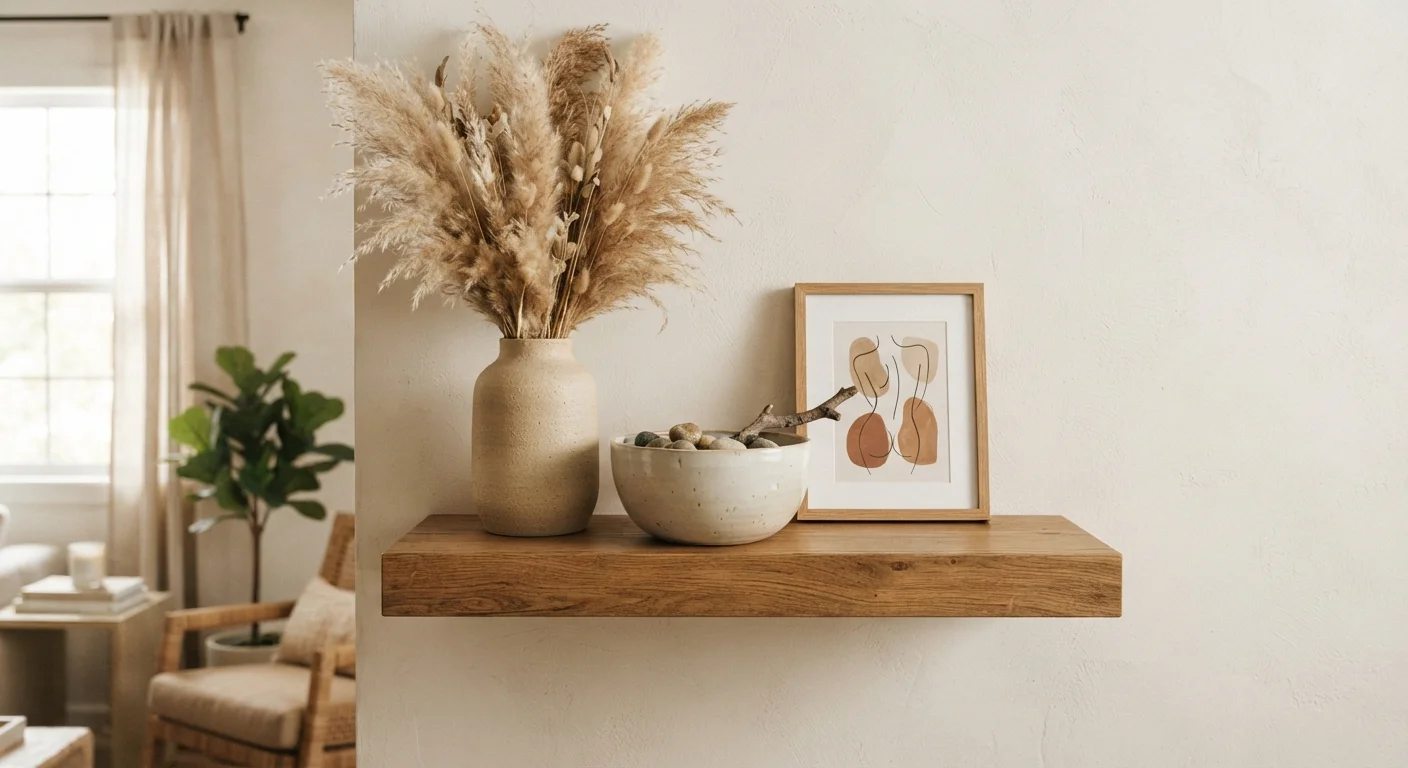
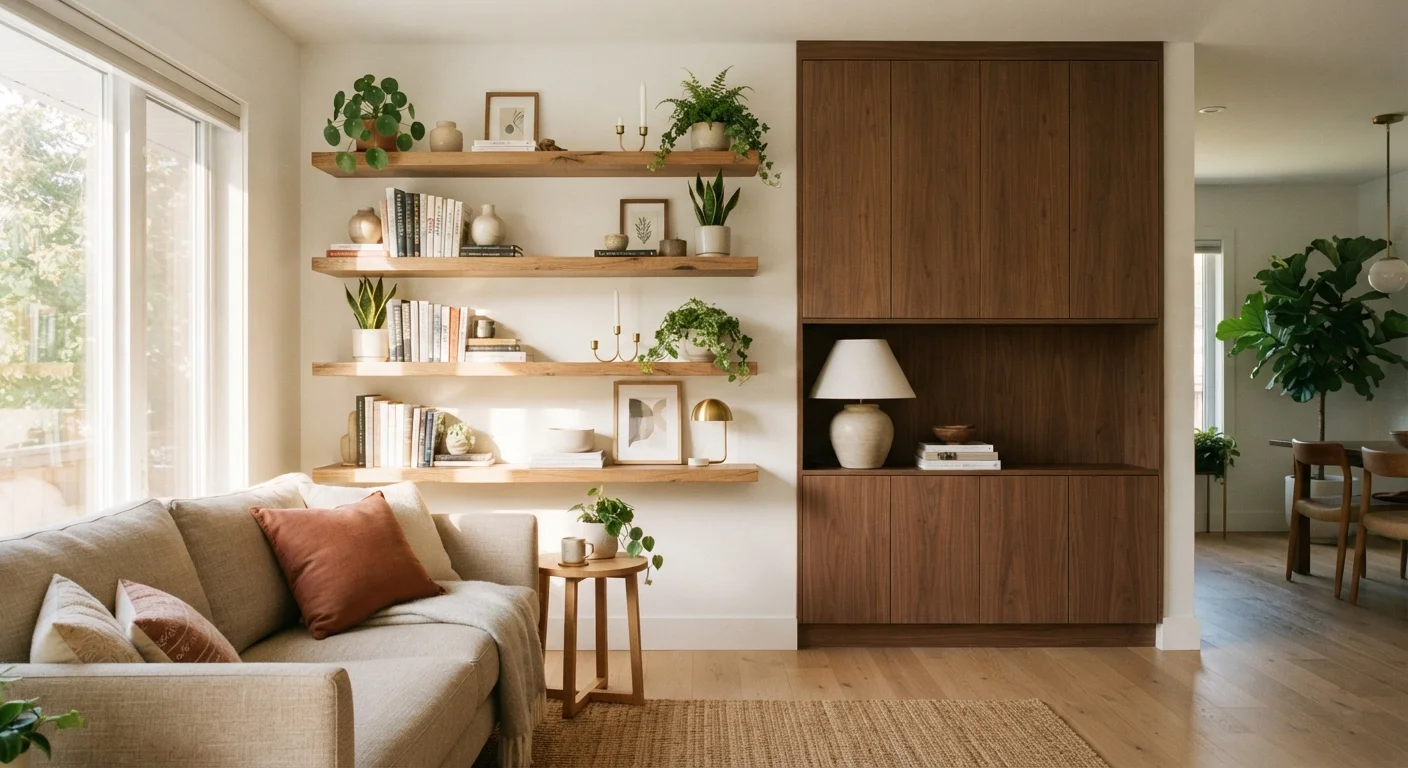
Consider combining approaches: a few floating open shelves above a closed base cabinet gives you both display surface and concealed storage — a combination that suits many American living rooms without committing fully to either extreme.
A Note on Wall Anchoring for Open Shelves
Floating shelves must be anchored securely into wall studs or with appropriate wall anchors rated for the expected load. Improperly installed shelves — especially those holding books or heavy objects — can pull away from the wall and cause damage or injury. If you're unsure about your wall type or anchoring method, consult a handyman or contractor before installing. Always follow the weight capacity guidelines provided with your shelving hardware.