
What Maximalism Actually Means
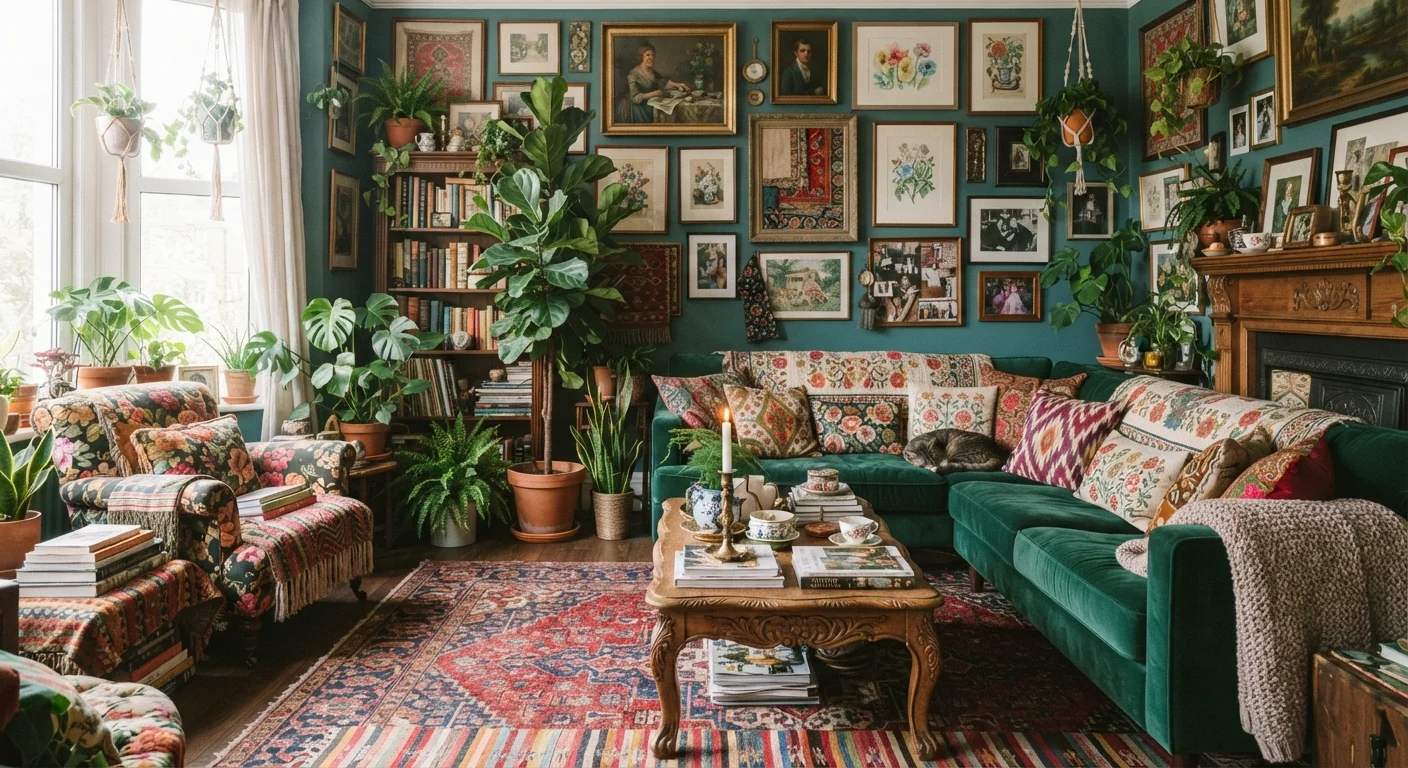
Maximalism is a decorating philosophy built on abundance — layered textiles, gallery walls, bold color combinations, and rooms filled with meaningful objects. It's the deliberate opposite of the "less is more" minimalist ethos, operating instead on the idea that more, when handled with intention, creates spaces that feel alive and deeply personal.
It's worth distinguishing maximalism from simple clutter. A clutter problem happens accidentally; maximalism is a deliberate choice about what to display and how. The difference usually comes down to whether there's an underlying visual logic — a color family that recurs across mismatched pieces, a theme that ties disparate objects together — or whether items are simply accumulated without editing. See how this plays out in practice with our guide to distinguishing similar decorating styles.
Where Maximalism Genuinely Shines
For the right person in the right space, maximalism has advantages that are hard to replicate with any other approach.
Creates deeply personal, story-rich interiors
Maximalism invites you to display collections, travel souvenirs, and inherited objects together in ways that tell a genuine personal story. Few other styles accommodate this level of individual expression.
Works naturally with thrifted and mixed-era pieces
The style's embrace of visual variety means mismatched furniture and flea-market finds often enhance rather than disrupt the look, making it genuinely budget-accessible.
Rooms feel warm, layered, and lived-in
Layered textiles, multiple light sources, and abundant greenery create spaces that many people find cozy and inviting, especially in contrast to stark minimalist interiors.
Highly adaptable across room types and sizes
You can apply maximalist principles selectively — a heavily styled bedroom paired with a simpler living room — rather than committing the entire home to the aesthetic.
Mistakes are easy to absorb
In a richly layered room, one decorating misstep is rarely jarring. The density of the style naturally accommodates experimentation and evolution over time.
One of its most underrated strengths is how naturally it incorporates secondhand and inherited furniture. Because the style embraces mix-and-match visual energy, thrifted chairs, hand-me-down bookshelves, and flea market finds often look more at home in a maximalist room than in a carefully matched minimalist one.
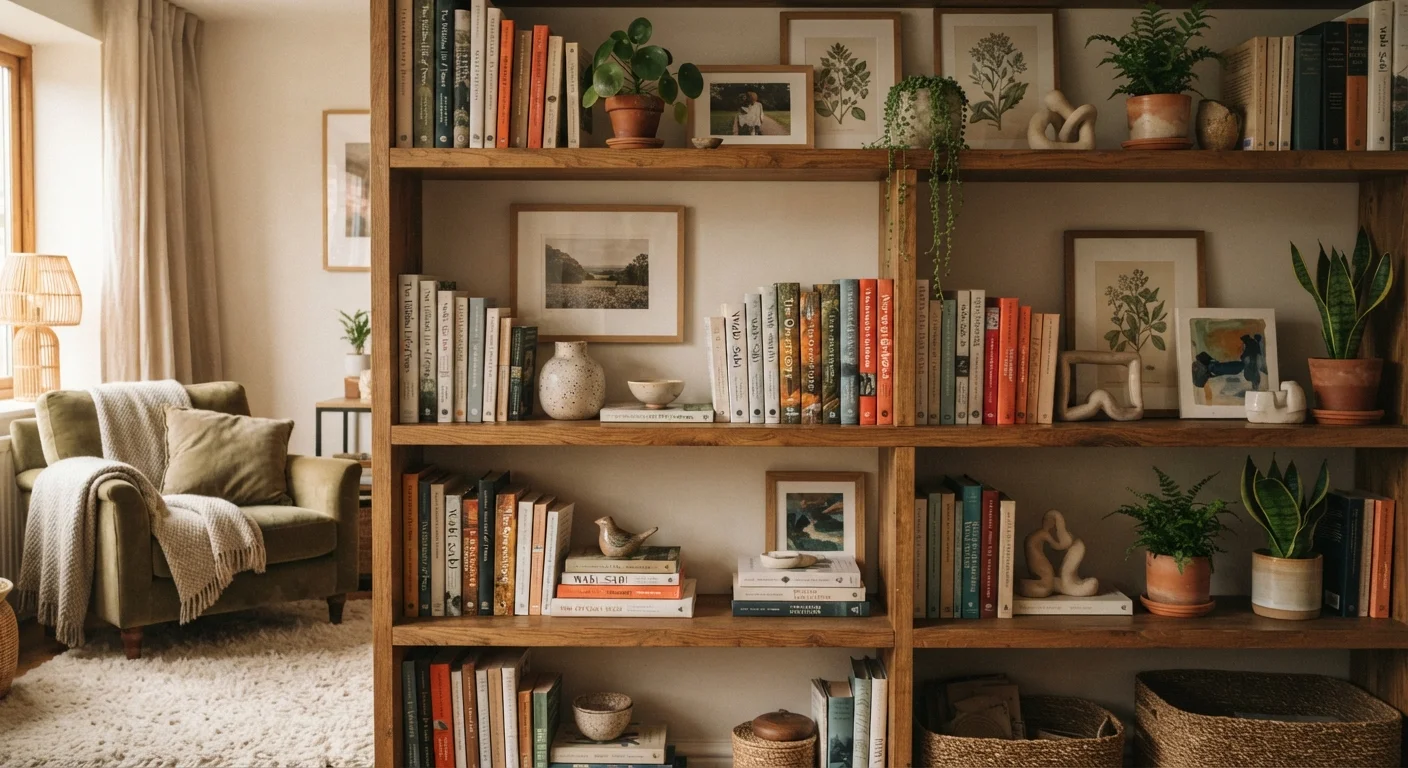
Bookshelves, in particular, are a cornerstone of the style. Thoughtful shelf styling — layering books with plants, small sculptures, and framed photos — is essentially maximalism in miniature and a low-commitment entry point into the style.
Where It Gets Overwhelming
Maximalism has real limitations, and understanding them upfront saves a lot of frustration.
Cleaning and maintenance take significantly longer
More surfaces, objects, and textiles means more to dust, wash, and organize. Maximalist rooms can feel difficult to keep tidy, particularly in high-traffic areas.
Can visually shrink smaller rooms
Dense decor and busy patterns compete for visual space, making compact rooms feel even tighter. Maximalism works best in spaces with adequate square footage or generous ceiling height.
Risk of looking chaotic without a unifying logic
Without a recurring color, material, or theme acting as visual glue, a maximalist room can read as cluttered rather than curated. The distinction often requires a trained eye or ongoing editing.
Can feel overstimulating for some household members
People who are sensitive to visual noise — including children, guests, or housemates with different preferences — may find a fully maximalist home stressful rather than welcoming.
Harder to adapt when tastes change
Refreshing a maximalist space requires more effort than swapping out a few neutral accessories. Transitioning away from the style often means a significant editing and decluttering process.
Maximalism vs. Hoarding: Key Distinction
Maximalism is often mistakenly conflated with hoarding or compulsive collecting, but they are fundamentally different. Maximalism involves intentional display and periodic editing; hoarding is characterized by difficulty discarding items regardless of condition or use. If clutter feels out of control rather than chosen, that's a different challenge — and one where speaking with a professional organizer or mental health support may be more helpful than a decorating framework.
Spatial impact is one of the most frequently overlooked challenges. Dense decor, large-scale furniture, and layered textiles all visually compress a room. If your space already struggles to feel open, adding maximalist layers can compound the problem significantly. Our breakdown of why small rooms feel smaller explains the specific decor decisions that shrink spaces visually.
There's also the question of mental load. Research into how physical environments affect stress suggests that visually dense spaces can heighten feelings of overstimulation for some people. If you're sensitive to visual noise, a fully maximalist home may work against the calm you're looking for — even if you love the aesthetic in theory.
How to Bring Maximalism In Without Going Too Far
The most practical approach is to start one room — or even one wall — at a time. A gallery wall in a hallway, a richly layered bedroom, or densely styled shelves in a living room can satisfy the maximalist impulse without committing every square foot of your home to the style.
1 in 3
Adults who describe their home as "cluttered"
A recurring finding in home organization surveys suggests a significant share of Americans feel their home accumulates more than they intend — a tension maximalists must manage actively.
~70%
Of U.S. renters who personalize their space
According to general rental market research, the majority of renters make at least some decorating choices, with removable and temporary methods growing in popularity.
A few structural principles help keep maximalism from tipping into chaos:
- Anchor with a color palette. Even if your objects are eclectic, repeating two or three colors across a room creates visual cohesion.
- Vary scale deliberately. Mixing large statement pieces with smaller objects keeps the eye moving without creating visual monotony.
- Edit periodically. Maximalism isn't about keeping everything — it's about displaying what genuinely matters. Rotating pieces seasonally keeps the room feeling curated rather than accumulated.
Renters face an additional constraint: permanent changes may violate lease terms. Decorating a rental without losing your deposit covers removable wallpaper, freestanding shelving, and other reversible tools that work well within a maximalist framework.
Storage is where the choice between open shelving and closed cabinets becomes especially relevant for maximalists. Open shelves amplify the aesthetic but require consistent curation; closed cabinets can absorb overflow without undermining the visual story you're building elsewhere.