
The Shifting Meaning of Neighborliness
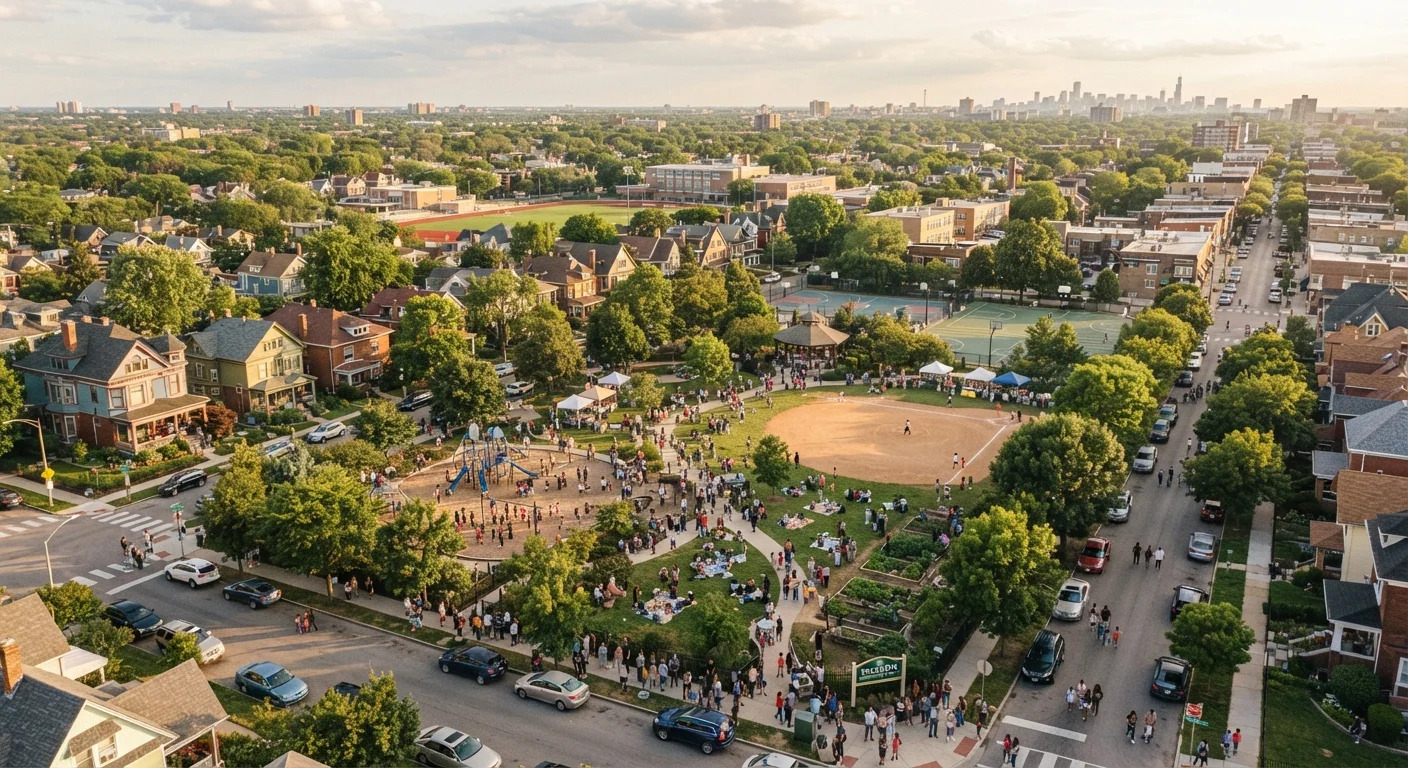
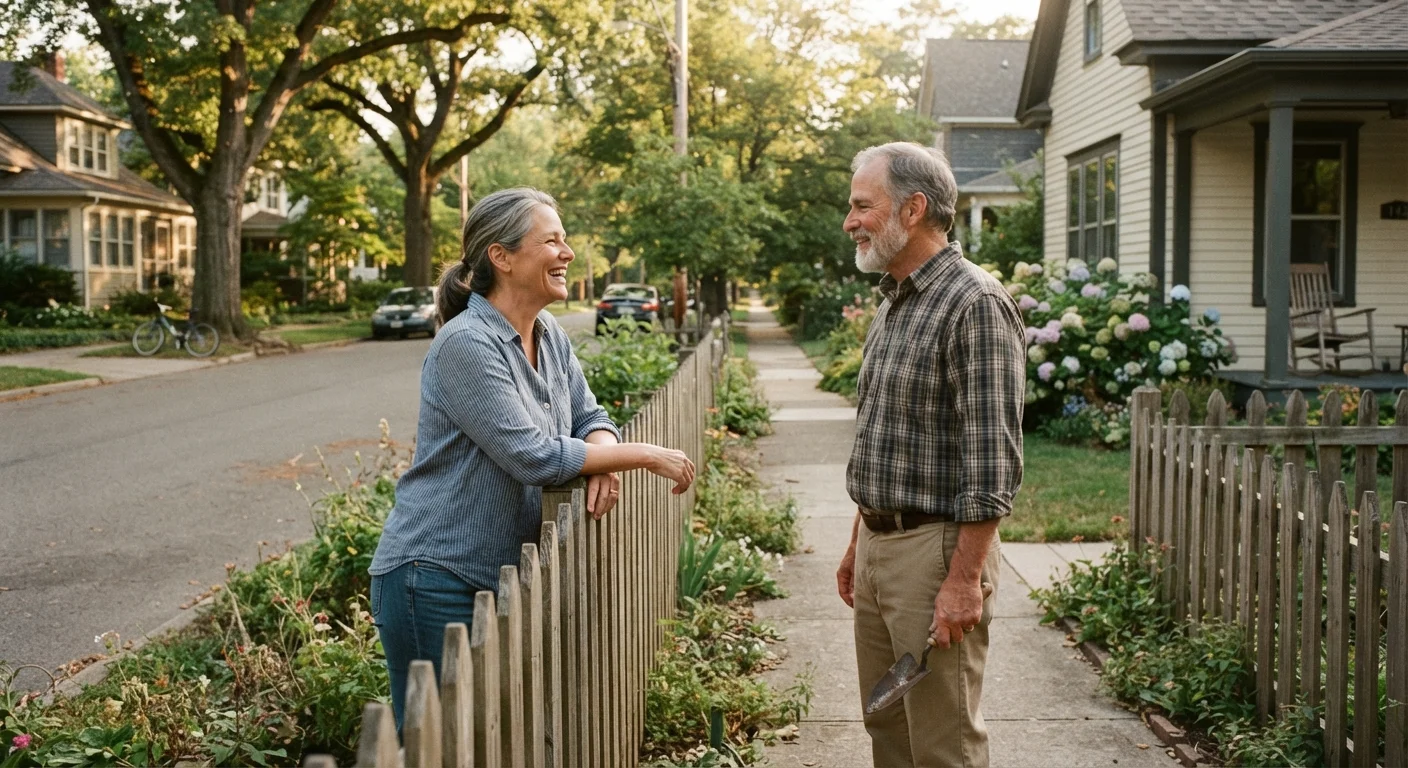
The idea of the "good neighbor" carries decades of cultural weight in America — front-porch conversations, borrowed cups of sugar, block parties. That imagery still resonates, but it no longer captures the full picture. Denser cities, remote work, longer commutes, and the rise of digital social life have all reshaped when, how, and whether neighbors actually interact.
Research on social trust suggests that Americans' relationships with the people who live nearby have grown more transactional and less assumed over time. Yet neighborly connection still matters enormously for wellbeing, safety, and a sense of belonging. The challenge isn't to recreate a nostalgic ideal — it's to understand what genuine, sustainable neighborliness looks like in contemporary American life. See what the research shows about social trust in America for context on how these patterns have shifted across decades.
Core Practices of a Good Neighbor
Being a good neighbor doesn't require being everyone's best friend. What it does require is a baseline of awareness, respect, and willingness to show up in small but meaningful ways.
Learn your neighbors' names and basic circumstances
Knowing who lives nearby — including whether someone lives alone, has young children, or has limited mobility — makes it far easier to notice when something seems off and to offer relevant help. It's the foundation of any real relationship, not just a social nicety.
Respect noise, hours, and shared spaces consistently
Chronic noise and cluttered shared areas are among the most common sources of neighbor conflict. Respecting these boundaries communicates that you see your neighbors as people with legitimate needs — not just obstacles to your own convenience.
Give a heads-up before anything that affects others
Proactive communication — letting neighbors know about a renovation, a large gathering, or a package being delivered — prevents surprises and demonstrates consideration. It also opens a natural channel for dialogue if concerns arise.
Offer and accept small acts of mutual aid
Reciprocal helpfulness — watching a package, watering plants during a trip, or sharing a snow-blower — builds the kind of low-stakes trust that pays off in larger moments. Accepting help graciously matters as much as offering it.
Match your level of engagement to your neighbor's cues
Not everyone wants the same degree of involvement from their neighbors. Reading social signals — whether someone stops to chat or politely moves on — helps you maintain a respectful relationship without overstepping.
Quick Ways to Start Today
You don't need a neighborhood event or a formal introduction to begin. Some of the most durable neighborly habits are also the easiest to start.
Start Small and Stay Consistent
You don't need to host a block party or join a neighborhood committee to be a good neighbor. Consistent, low-key gestures — a nod, a held door, a brief check-in — accumulate into real trust over months and years. Reliability matters more than enthusiasm.
Context Shapes What Good Looks Like
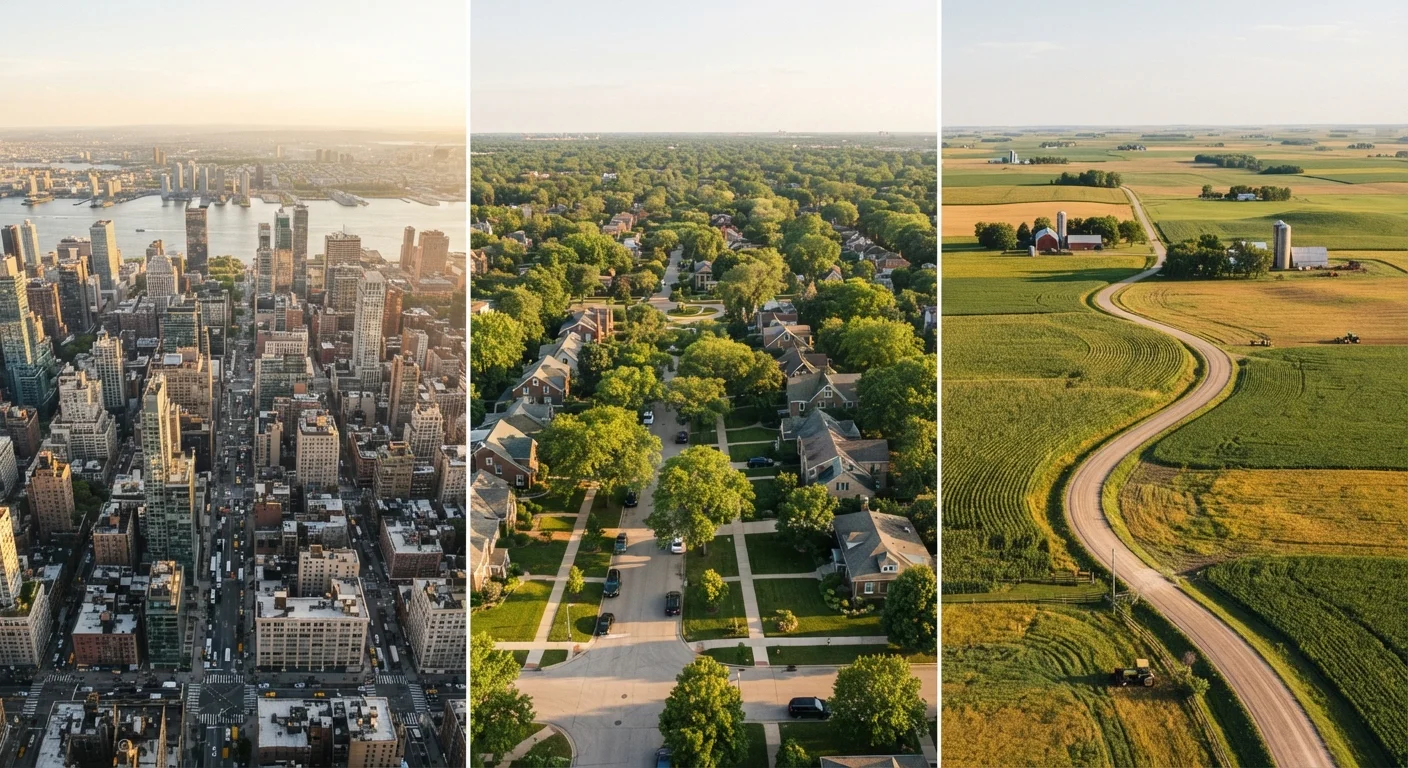
Neighborliness doesn't look identical across all American settings. In a dense urban apartment building, being a good neighbor might mean keeping hallway noise down, holding the elevator, or not monopolizing shared laundry rooms. In a suburban cul-de-sac, it might mean coordinating trash bins or offering to watch the house during a vacation. In rural areas, practical mutual aid — helping with a stuck vehicle or covering for a neighbor during a family emergency — often defines community in the most direct way.
How community functions differently across American settings is worth understanding before assuming your approach will translate universally. What reads as friendly in one context may feel intrusive in another — especially across generational or cultural differences. American social warmth can be easily misread, and the same applies between neighbors with different backgrounds or expectations.
Generational and Cultural Differences Are Real
What counts as appropriate neighborly behavior varies across age groups, cultural backgrounds, and personal comfort levels. Younger generations, for instance, may prefer digital communication over door-knocking. Generational views on community responsibility differ meaningfully, and approaching neighbors with curiosity rather than assumptions tends to go further than any single "rule" of neighborliness.
The Bigger Picture: Why It Still Matters
Individual neighbor relationships are the building blocks of something larger. Neighborhoods where residents know and look out for each other tend to respond better in emergencies, experience less conflict, and feel safer — not because of formal infrastructure, but because of accumulated small interactions that establish trust.
Digital tools like neighborhood apps and community groups have expanded the ways people stay connected, but they work best when they supplement rather than replace face-to-face familiarity. Online communities and neighborhood associations each serve different social needs — and understanding the difference helps you use both more intentionally. If you want to look beyond your immediate block, signs of genuine civic engagement can help you recognize — and contribute to — a truly connected community.
“The strength of a community is not measured by how spectacular its institutions are, but by how well its everyday members treat one another in ordinary moments.”
— Robert Putnam, Political scientist and author of 'Bowling Alone,' on social capital in American communities