
Why Mirrors Alone Leave You Exposed
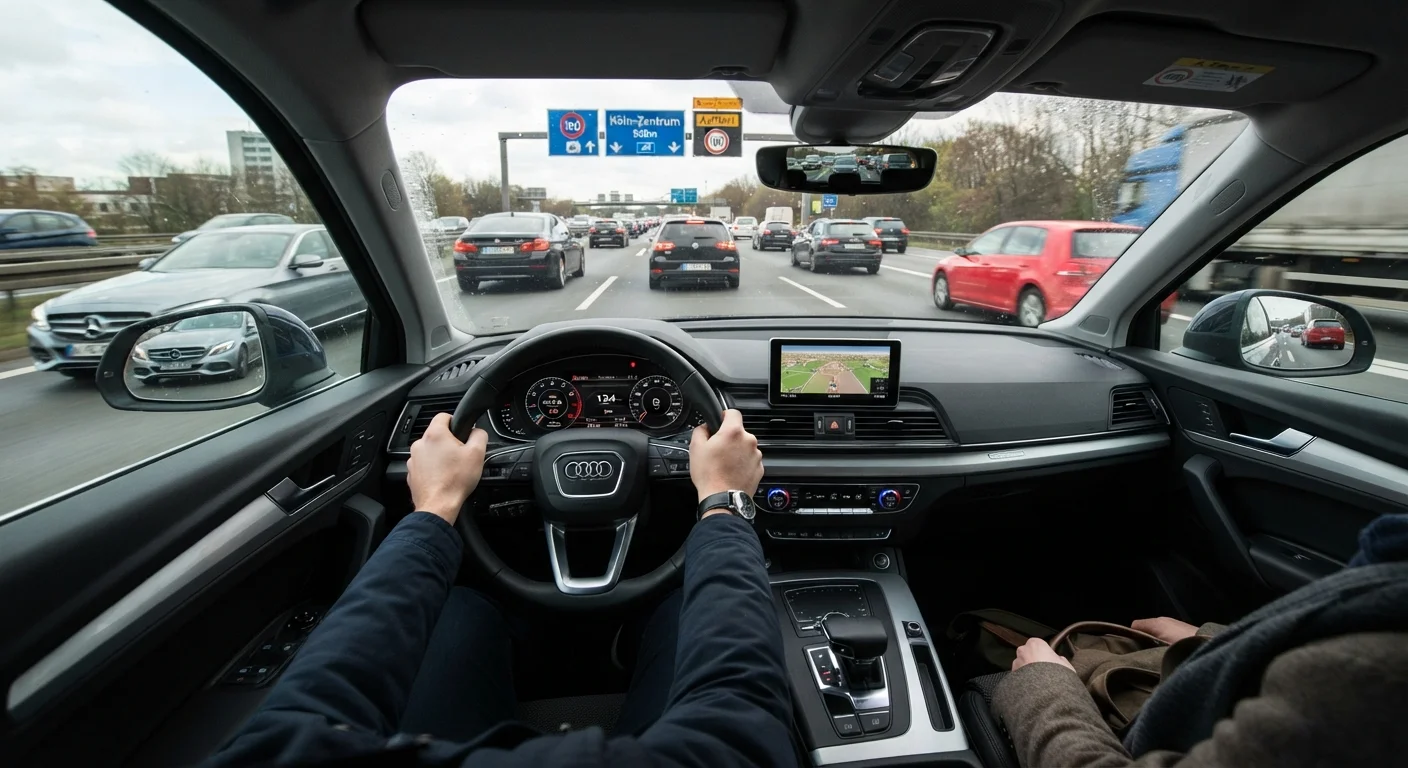
Mirrors are precision tools with angular limits. Each mirror covers a fixed field of view, and the geometry of a vehicle's body creates gaps that no combination of stock mirrors can fully bridge. The zone typically between 20 and 60 degrees behind and to the side of your vehicle — on either flank — falls outside mirror coverage and beyond easy peripheral vision. That's the classic blind spot, and it's large enough to conceal an entire passenger car.
Vehicle design has an outsized effect on blind zone size. Thick A-pillars (the structural columns framing the windshield) block sightlines at intersections and during turns. Tall headrests, small rear windows, and long rear overhangs all reduce what the driver can naturally see. Understanding that your vehicle's design creates predictable gaps — not random ones — is foundational to managing them.
Adjust Mirrors Before Every Drive
Mirror position shifts subtly whenever a different person drives the vehicle or when you adjust your seat. Take ten seconds before each trip to verify your side and rearview mirrors are correctly positioned for your current seating height and distance. This small habit yields a meaningful reduction in your effective blind zones.
For a broader look at how situational awareness connects to overall driving safety, the Safe Driving complete overview covers the full landscape of hazard recognition and response.
The Five Habits That Close the Gap
What you will need
Side mirrors (driver and passenger)
Primary tools for monitoring traffic in adjacent lanes and to the rear sides of the vehicle.
Rearview mirror
Provides a central rear view of traffic directly behind the vehicle.
Blind spot monitoring system (if equipped)
Electronic aid that alerts the driver to vehicles detected in side blind zones.
Convex (wide-angle) mirror attachment
Aftermarket wide-angle mirror that clips onto existing mirrors to broaden the field of view.
Learn where your vehicle's blind zones actually are
Before you can manage blind spots, you need to know their locations. For a standard sedan, the primary blind zones sit on the left and right rear quarters — roughly between where the side mirror's coverage ends and where your peripheral vision begins. A second zone exists directly behind the vehicle, below the rear window line, which is why backup cameras were mandated on all new U.S. passenger vehicles from 2018 onward.
Larger vehicles compound the problem. Full-size trucks and SUVs have significantly taller hoods that create a front blind zone extending several feet forward. Vans and box trucks generate substantial rear blind zones when no backup camera or mirror covers the area immediately behind the tailgate. Understanding your specific vehicle's profile is the starting point for every other habit in this guide.
Set your mirrors for maximum coverage — correctly
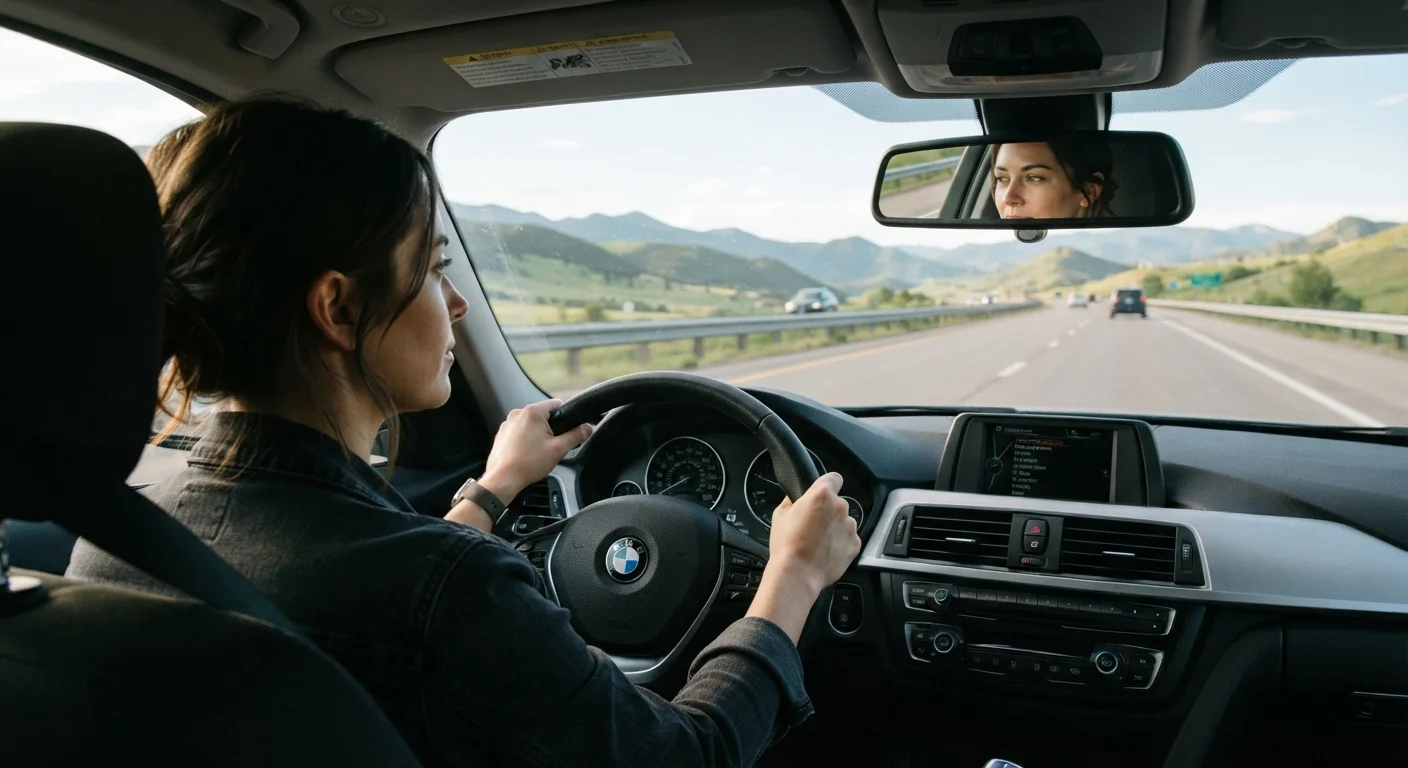
Most drivers position side mirrors so they can see the side of their own car. This feels intuitive but wastes significant mirror real estate on your own bodywork. A widely recommended adjustment method involves leaning your head toward the driver's window until it nearly touches the glass, then angling the driver's side mirror outward until the rear corner of your vehicle just disappears from view. Repeat a similar outward adjustment for the passenger mirror while leaning toward the center console.
With this wider setting, a vehicle moving up alongside you will transition from the rearview mirror to the side mirror and then into your peripheral vision with minimal gap. It won't eliminate the blind zone entirely, but it compresses it substantially.
Build the shoulder-check habit for every lateral move
No mirror configuration replaces a physical head turn. Before any lane change or merge, scan your mirrors first to establish the traffic picture, then turn your head briefly to look over the appropriate shoulder into the blind zone. The check should be quick — roughly one second — to avoid tracking away from the road ahead for too long.
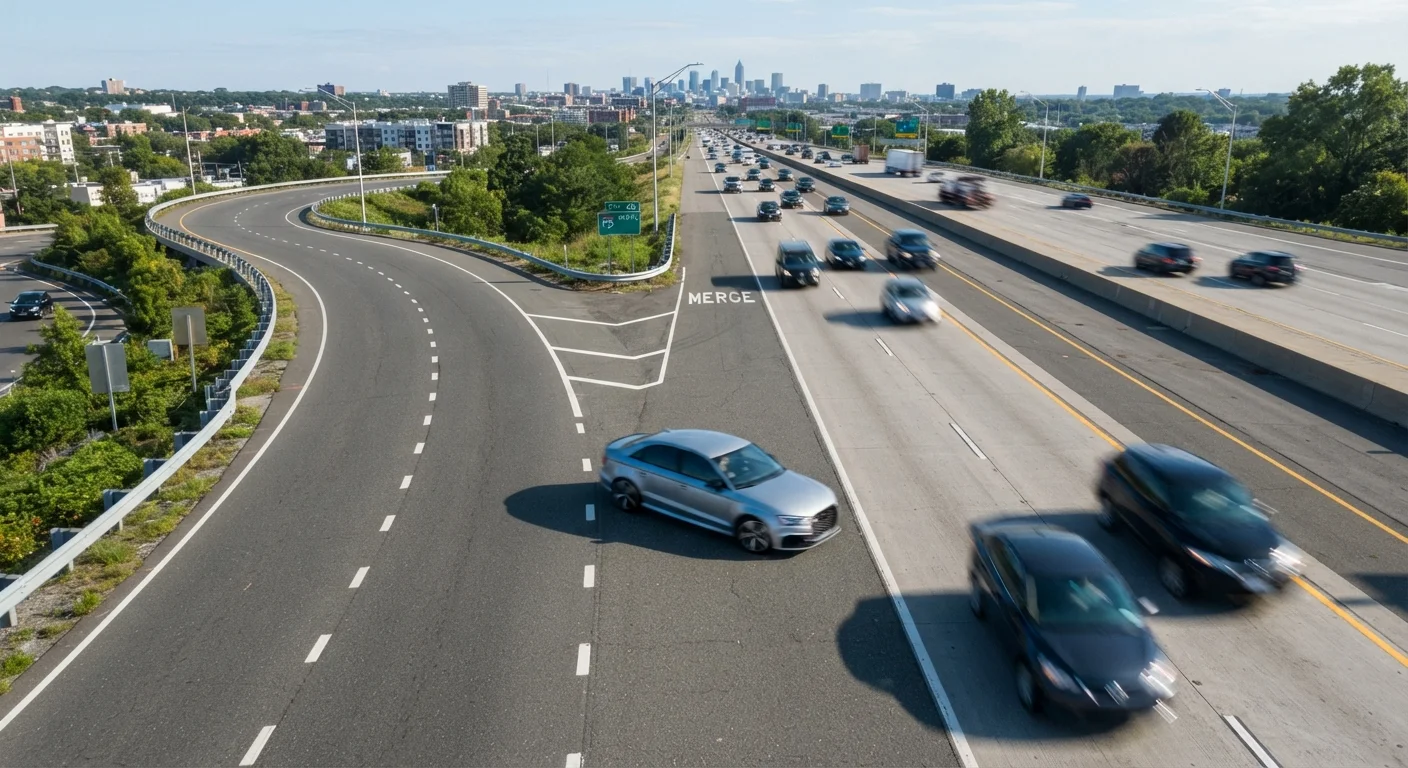
This habit is especially critical on highways, where closing speeds between vehicles are high and a motorcycle or bicycle in your blind zone can go undetected by mirrors entirely. For more on merging safely at speed, see our highway merging guide.
Use signals early to communicate your intent
Activating your turn signal before checking your mirrors is a sequencing error many drivers make. The correct order is: check mirrors, perform shoulder check, signal, then move. Signaling early — ideally three to five seconds before the maneuver — gives other drivers time to react and move out of your intended path, reducing the consequence of any blind spot gap that remains.
Early signaling is particularly valuable in dense traffic where drivers in adjacent lanes may accelerate to close gaps. It is one of the low-effort habits that experienced drivers consistently demonstrate.
Stay out of other drivers' blind spots
Blind spot awareness is not only about your own vehicle — it's about understanding that every driver around you has the same zones. Avoid lingering alongside a truck or large SUV in the lane position that corresponds to its rear quarter. If you can't see the truck driver's mirrors, they almost certainly cannot see you.
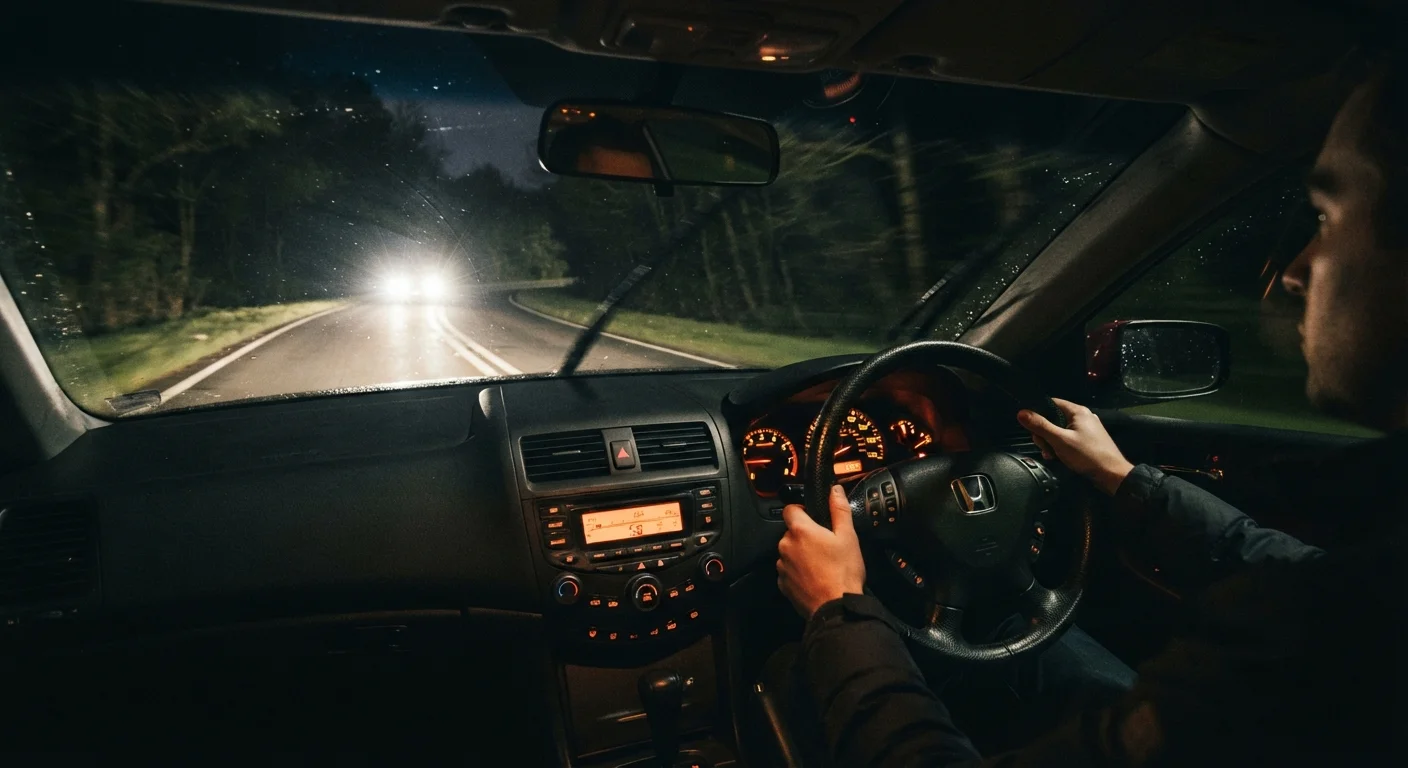
Pass decisively rather than cruising at matching speed beside another vehicle. When following a large commercial truck, maintain enough distance to keep its rear mirrors visible to you — if you can see the driver's reflection, there's a reasonable chance they can see yours. This principle applies equally to conditions that reduce overall visibility, as covered in our guide to night driving.
Mirrors Do Not Cover Everything
Even perfectly adjusted mirrors leave angular gaps on both sides of your vehicle that no reflection can capture. Relying solely on mirrors before changing lanes or merging is one of the most common contributing factors in side-swipe collisions. A deliberate shoulder check must accompany every mirror glance before any lateral movement.
Blind Spot Monitors Are Not Infallible
Electronic blind spot monitoring systems (typically indicated by a dashboard or mirror warning light) can fail to detect motorcycles, bicycles, or fast-approaching vehicles in certain conditions. Always supplement these systems with manual checks — they are driver aids, not replacements for active observation.
These habits do not require expensive equipment or advanced training. They require deliberate repetition until each check becomes automatic. Drivers who consistently apply them — correct mirror positioning, physical shoulder checks, early signaling, decisive passing, and awareness of their own position in others' blind spots — operate with a meaningfully lower risk profile than those who rely on mirrors alone.
If you're building out your safe driving knowledge more broadly, what experienced drivers do differently outlines the full set of behaviors worth ingraining at any stage of your driving life.