
Why Teen Drivers Face Elevated Risk
Motor vehicle crashes remain a leading cause of death among teenagers in the United States. The core problem is not recklessness alone — it's inexperience. New drivers of any age lack the automated perception and judgment that come from thousands of hours behind the wheel. For teens, this inexperience is compounded by still-developing decision-making skills and a heightened sensitivity to peer influence.
The graduated licensing system was designed directly in response to this reality. Rather than granting full driving privileges the moment a teen passes a road test, GDL programs require new drivers to earn broader privileges incrementally — first under supervision, then with restrictions, and finally with full independence. Understanding the full landscape of safe driving helps both teens and parents frame this process not as a bureaucratic hurdle, but as a structured path toward genuine competence.
#1
Leading cause of teen death in the U.S.
Motor vehicle crashes are consistently cited by the CDC as the leading cause of death among teenagers aged 13–19 in the United States.
~50%
Reduction in fatal crashes in strong GDL states
IIHS research has found that comprehensive GDL programs with nighttime and passenger restrictions are associated with reductions of roughly 40–50% in fatal crash rates among 16-year-old drivers.
3x
Crash risk increase with teen passengers present
According to IIHS data, the presence of two or more teenage passengers roughly triples the fatal crash risk for a teen driver compared to driving alone.
The Three Stages of Graduated Licensing
While specific rules vary by state, virtually every GDL system follows the same three-stage framework:
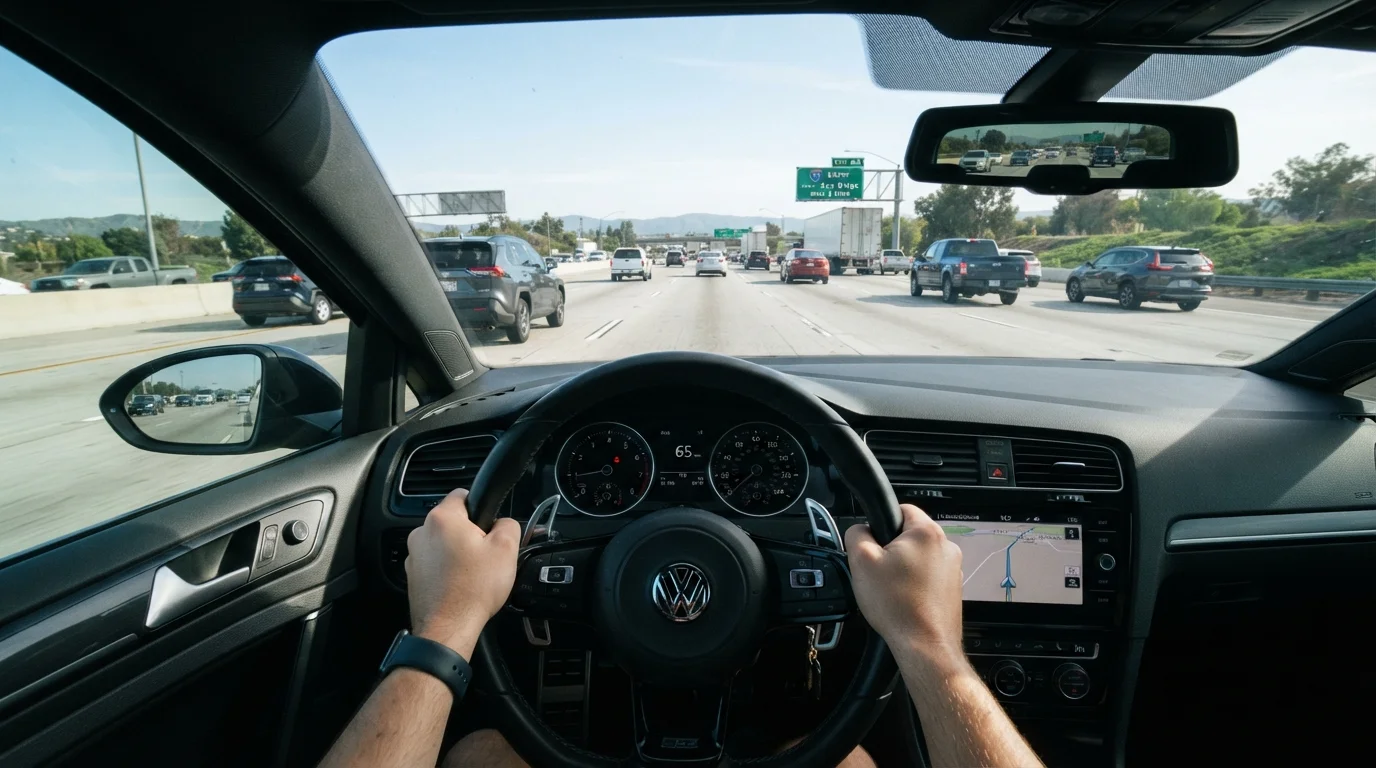
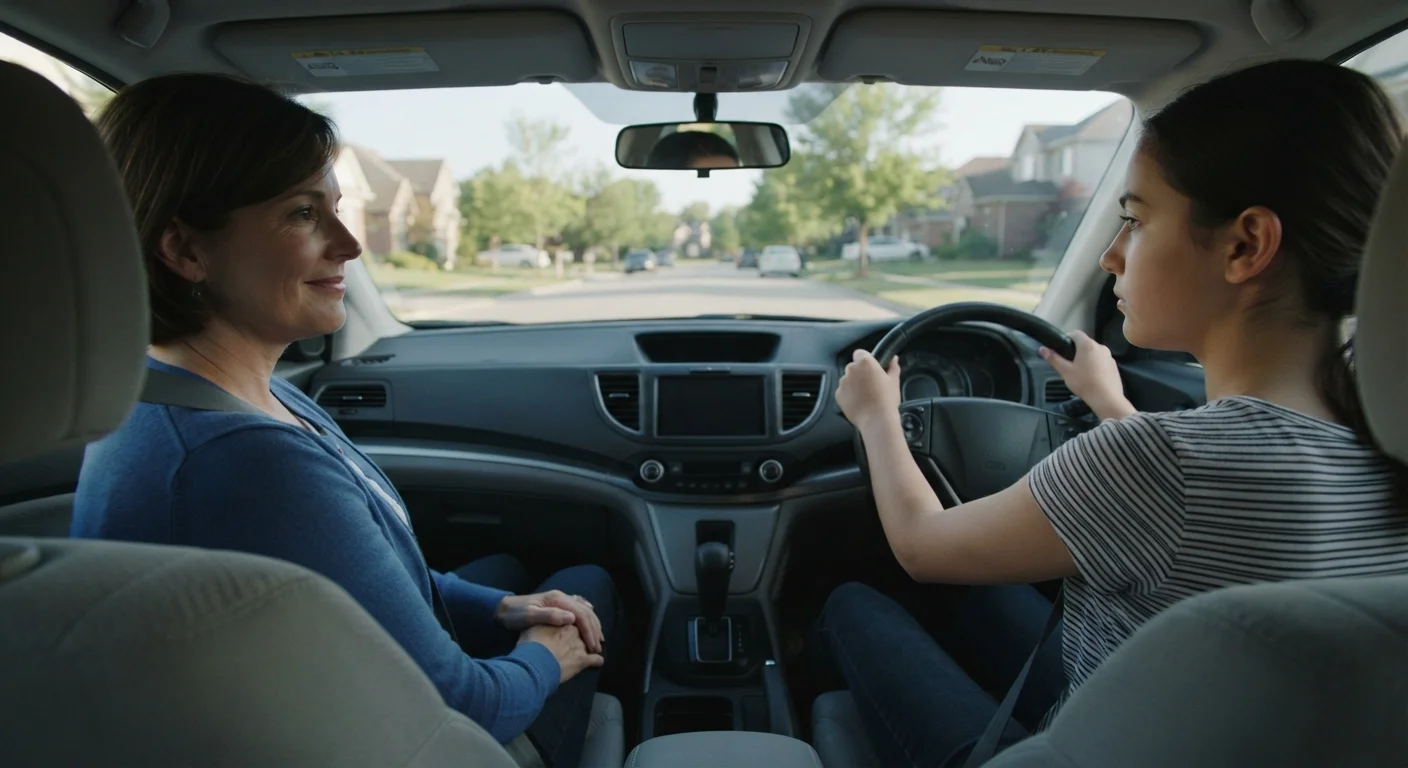
- Learner's Permit: The teen may only drive with a licensed adult supervisor in the vehicle — typically age 21 or older. This stage focuses on supervised practice in a range of conditions: highways, night driving, wet roads, and heavy traffic. Most states require a minimum number of logged hours before the teen can advance.
- Intermediate (Restricted) License: The teen may drive unsupervised, but subject to specific restrictions. Nighttime curfews and limits on carrying teenage passengers are the most common. These two restrictions target the conditions most strongly associated with teen crashes.
- Full License: Most restrictions are lifted once the driver reaches a minimum age (typically 17 or 18) and has maintained a clean driving record during the intermediate phase.
Parents should look up their state's specific age thresholds, practice hour requirements, and restrictions — these details matter and differ meaningfully from state to state.
Go Beyond Your State's Minimum Hours
Most states require between 20 and 50 supervised practice hours. However, traffic safety researchers generally suggest that 50 to 100 hours of varied, supervised practice is a better target for building real competence. Use a driving log to track not just hours, but the types of conditions covered — don't let all the hours happen on the same familiar roads.
What the Research Says About Effective Restrictions
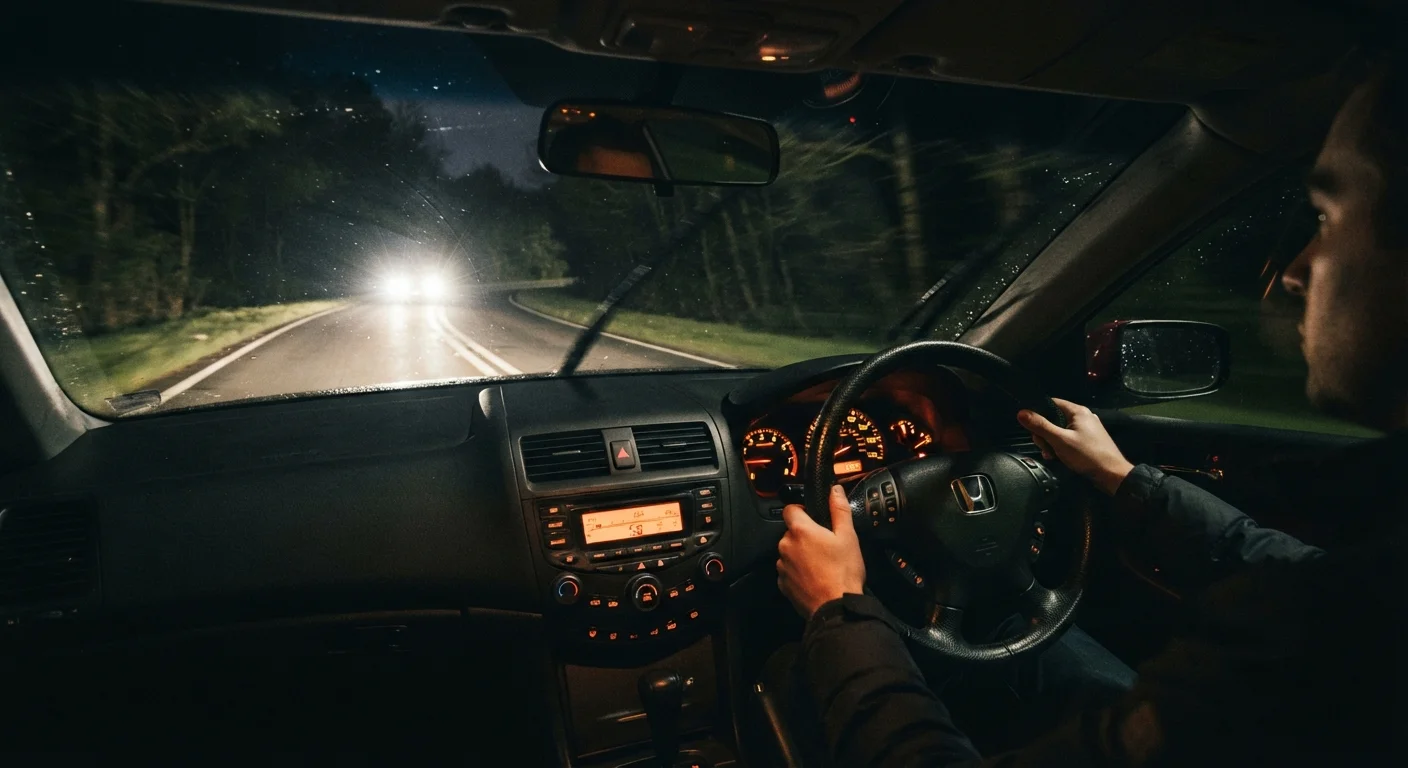
Not all GDL provisions carry equal weight. IIHS research identifies nighttime driving restrictions and passenger limits as the two most effective components. Teen crash risk increases sharply after 9 p.m. and rises with every additional teenage passenger in the vehicle — peer presence is a documented distraction that affects risk-taking behavior.
Night driving demands more from any driver, and for a teen with limited experience, the combination of reduced visibility, fatigue, and potential peer distraction creates compounding hazards. States that enforce robust nighttime and passenger restrictions have seen statistically significant reductions in teen driver fatalities.
“The evidence is clear that graduated licensing saves lives. The key provisions — nighttime restrictions and passenger limits — directly address the conditions that disproportionately claim young drivers.”
— Anne McCartt, Former Senior Vice President for Research, Insurance Institute for Highway Safety (IIHS)
Parents who apply these restrictions consistently — even beyond what the law requires — give their teens more time to build the perceptual and decision-making skills that genuine driving safety demands.
How Parents Can Reinforce the System
The GDL framework only works as well as the adults who enforce and supplement it. Here's where parental involvement makes a measurable difference:
- Maximize supervised practice hours. Aim for well above your state's minimum. Seek out varied conditions — rain, highway merging, night driving with you present — rather than repeating the same familiar routes.
- Use a driving agreement. A written parent-teen contract that specifies household rules (phone-free driving, passenger limits, check-in expectations) helps set clear expectations and creates accountability.
- Model good habits. Teens observe their parents' driving behavior for years before they ever sit in the driver's seat. Consistent, calm, distraction-free driving from parents sets a baseline that carries forward.
- Discuss real scenarios. Talk through what to do when a passenger is acting distracting, when a route is unfamiliar, or when conditions deteriorate unexpectedly. Defensive driving principles are worth introducing explicitly at this stage.
Once your teen earns a full license, the conversation doesn't stop. The habits that experienced drivers rely on take years to develop, and continuing to discuss them keeps safety front of mind.