
The Core Difference: How You Order and Get Served
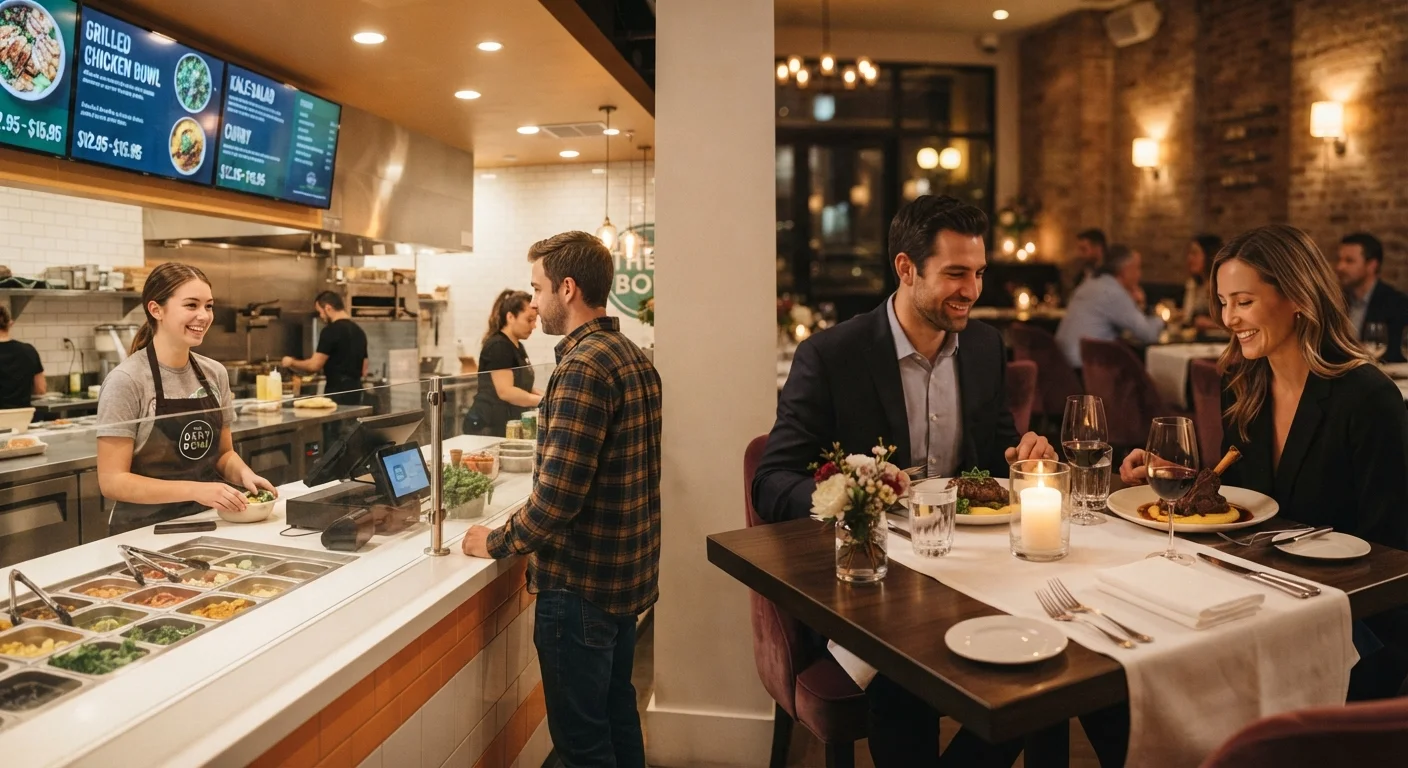
The most fundamental distinction between fast casual and full-service dining comes down to one thing: who comes to you. In a fast casual restaurant, you walk up to a counter, place your order, pay, and either carry your food to a table yourself or wait for your name to be called. There's no server assigned to your table, and no one checking in on your drink refills.
In a full-service restaurant — sometimes called a sit-down or table-service restaurant — a host seats you, a server takes your order tableside, food is brought out in courses, and staff generally manage your experience from arrival to check. That table-side relationship shapes everything from pacing to how you navigate the menu.
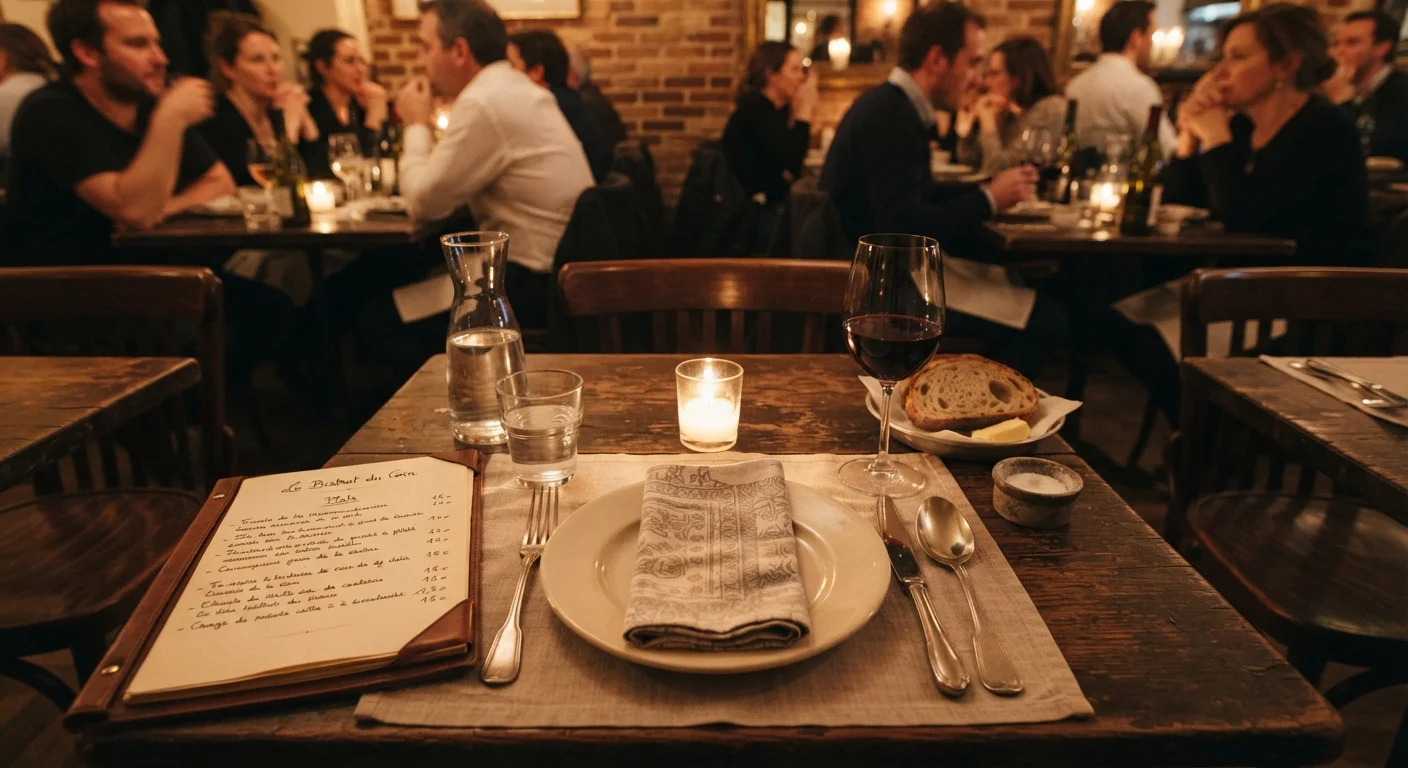
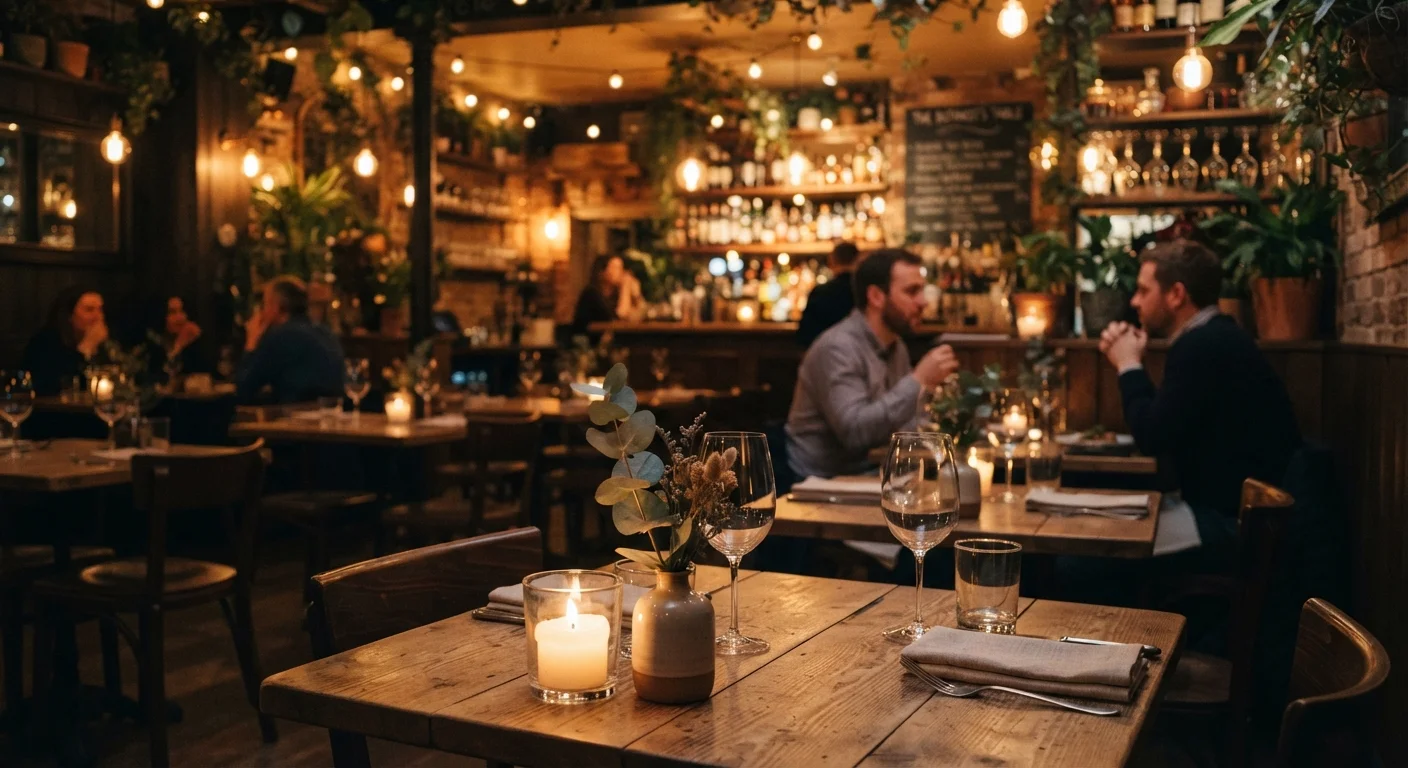
Neither model is inherently superior. They simply serve different purposes. Fast casual excels at efficiency and consistency; full-service excels at hospitality and occasion-building. Understanding the role atmosphere plays in a dining experience helps clarify why the full-service model invests so much more in its physical environment.
| Criterion | Fast Casual | Full-Service |
|---|---|---|
| How you order | At a counter | Tableside with a server |
| Average meal duration | 15–30 minutes | 45–120 minutes |
| Tipping expectation | Optional / situational | Expected (18–20%) |
| Menu complexity | Focused, build-your-own | Multi-course, broader range |
| Reservations | Rarely needed | Often recommended or required |
| Atmosphere investment | Functional, casual | Deliberate, occasion-appropriate |
| Best for | Everyday meals, quick occasions | Special occasions, leisurely dining |
Price, Tipping, and What You're Actually Paying For
Fast casual meals typically run lower per-person than full-service meals, though the gap has narrowed as ingredient costs have risen. What you're paying for in each case is different: at a fast casual spot, you're covering food and kitchen labor. At a full-service restaurant, you're also covering front-of-house staff — servers, food runners, hosts, and bussers — plus the overhead of a more elaborate dining room.
Tipping norms add another layer. At full-service restaurants, tipping your server 18–20% is standard practice in the US. At fast casual counters, digital payment terminals often prompt for a tip, but it's less obligatory — tipping there is a personal call, not a cultural expectation in the same way.
~$13
Typical fast casual per-person spend
Industry research from the National Restaurant Association has consistently placed fast casual average checks in the low-to-mid teens per person.
~$36+
Typical full-service per-person spend
Full-service restaurant averages vary widely by market, but mid-tier sit-down restaurants routinely run $30–50 per person before tip, according to NRA data.
Over 50%
Share of US restaurant visits that are fast casual or QSR
Limited-service formats (fast casual and quick service combined) account for the majority of US restaurant traffic by visit count, per National Restaurant Association annual reports.
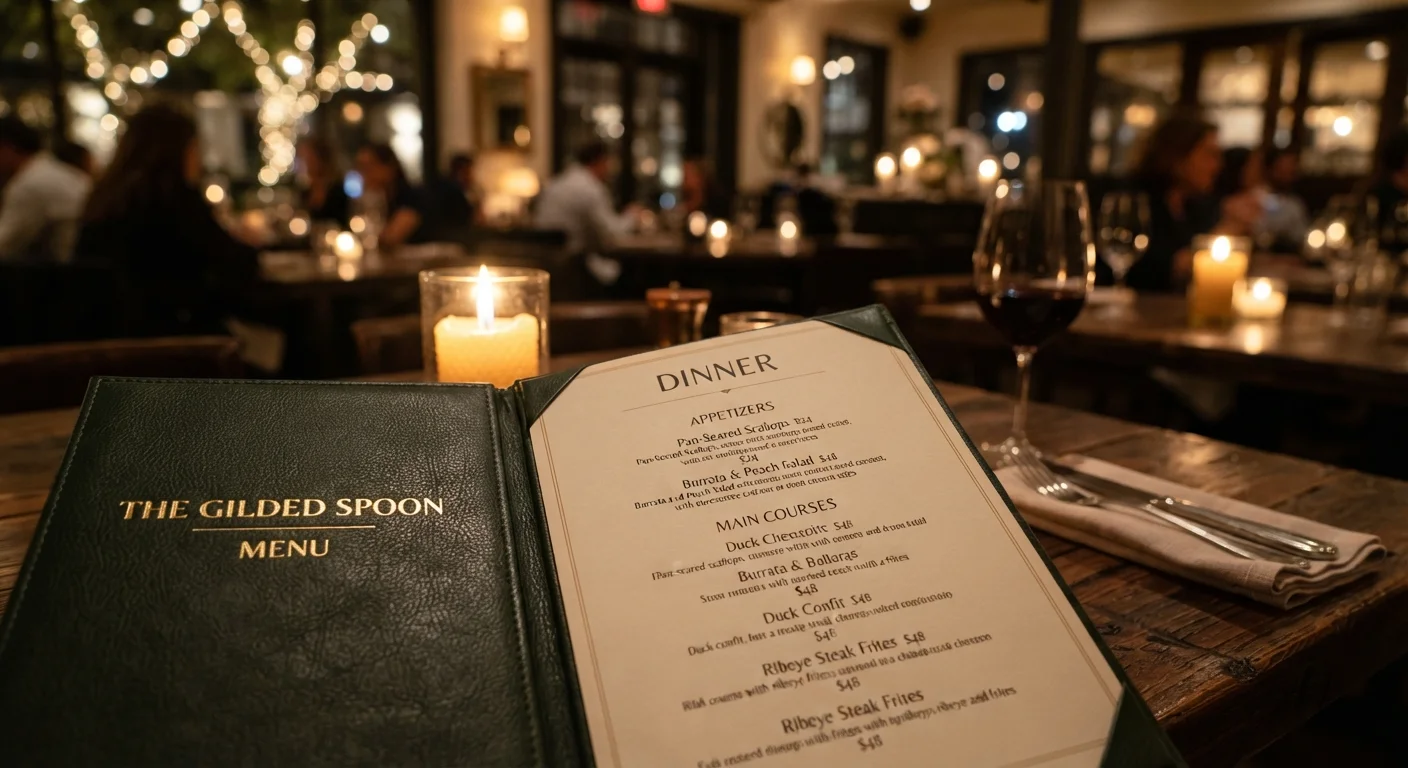
Menu structure also differs. Full-service menus are usually organized into distinct sections — appetizers, salads, mains, sides, desserts — and your server can guide you through them. If you want to understand the language these menus use, our guide to restaurant menu terminology is a useful starting point. Fast casual menus are generally simpler and built around a core item — a bowl, a sandwich, a pizza — with a set of customizations layered on top.
When to Choose Each Format
Think about your goal for the meal before you choose. Fast casual makes sense when time is limited, the occasion is casual, or you want predictable pricing without having to calculate a tip. It also tends to be more accommodating to dietary customization — the counter model lets you build your order piece by piece in a way most table-service kitchens don't replicate.
Full-service dining earns its place when the meal itself is part of what you're celebrating — or when you simply want to slow down. A birthday, a date, a long overdue catch-up with a friend: these are occasions where being attended to matters, where ordering a second round of drinks doesn't feel rushed, and where dessert is a genuine option rather than an afterthought. If you plan to book a table, check out our practical tips for making a restaurant reservation work to avoid common snags.
Full-service restaurants also tend to offer more structured menu formats — prix fixe menus, tasting menus, and seasonal specials — that simply don't exist in the fast casual world. Understanding those structures can help you get more from the experience; our breakdown of prix fixe vs. à la carte menus explains exactly how they work.
A Note on the Middle Ground
Some restaurants blend elements of both formats — counter ordering with table delivery, or cafeteria-style service in a refined space. These hybrid models don't fit neatly into either category. When in doubt, a quick look at a restaurant's website or reservation setup usually makes the service format clear before you arrive.