
How Each Appliance Actually Works
Understanding what's happening inside these appliances makes choosing between them much easier — and helps you use whichever one you own more effectively.
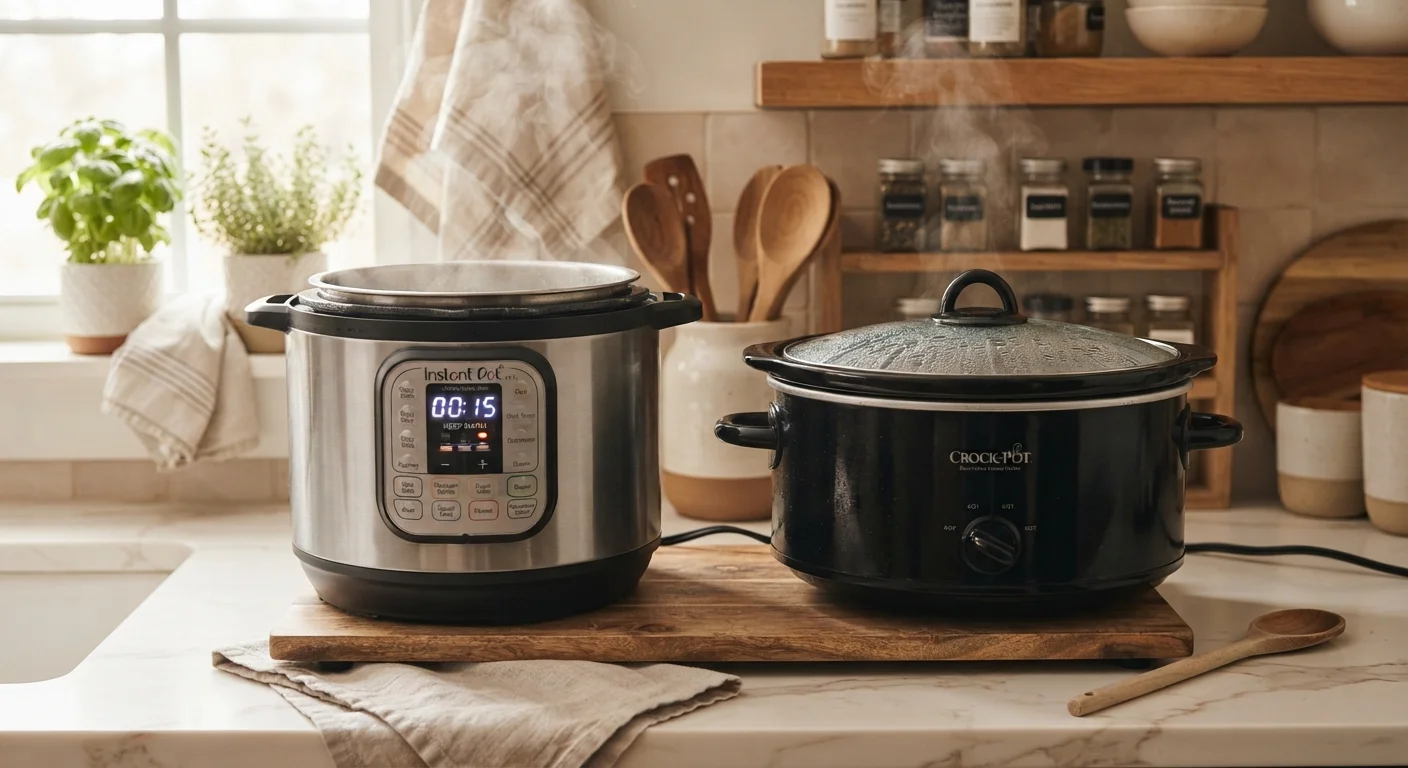
A slow cooker (sometimes called a Crock-Pot, which is a brand name) works exactly as its name suggests: it applies low, steady heat — typically between 170°F and 280°F — over a long period, usually four to ten hours. The sealed ceramic or stoneware insert traps moisture, which means tough cuts of meat and fibrous vegetables slowly break down into tender, flavorful results. There's no pressure involved, no special sealing mechanism, and nothing that requires close attention once the lid is on.
An Instant Pot is a multi-cooker — pressure cooking is its most defining feature, but it can also slow cook, sauté, steam, and in some models, air fry. When set to pressure cook, it traps steam inside the sealed pot, raising the internal pressure and effectively increasing the boiling point of water. Food cooks at higher temperatures than normal, which is why a pot of dried chickpeas that might take eight hours in a slow cooker can be done in under 45 minutes under pressure.
If you're just getting started building your kitchen toolkit, our guide to your first week of cooking at home walks through the essentials — including which appliances are actually worth prioritizing early on.
| Criterion | Slow Cooker | Instant Pot |
|---|---|---|
| Primary cooking method | Low, steady heat over hours | High-pressure steam cooking |
| Typical cook time | 4–10 hours | 20–60 minutes (plus pressurize time) |
| Hands-on attention needed | Minimal — set and leave | Moderate — setup and valve management |
| Sauté/browning function | No (requires separate pan) | Yes, built-in |
| Learning curve | Very low | Moderate |
| Best for | All-day, unattended cooking | Fast, flexible weeknight meals |
| Price range (general) | Generally lower | Generally higher |
What Each One Does Better
Both appliances shine in specific situations, and knowing those strengths is the real key to using them well.
Where the Slow Cooker Wins
The slow cooker's greatest strength is convenience without attention. Load your ingredients in the morning, set the temperature, and walk away. By dinnertime, a pork shoulder has collapsed into tender pulled pork, or a pot of chili has developed deep, layered flavor. It's also genuinely hard to over-cook something in the first four to six hours, making it forgiving for newer cooks.
Slow cookers are particularly well-suited to braised meats, soups, stews, dried beans (soaked overnight first), and dishes where long, mellow cooking is the whole point — think pot roast, chicken cacciatore, or lentil soup. Collagen-rich cuts like chuck roast, pork shoulder, and chicken thighs especially benefit from low, slow heat, which gradually converts tough connective tissue into silky texture.
~6–8 hrs
Typical slow cooker time for a pot roast
Collagen-rich cuts like chuck roast need extended low heat to fully tenderize — a defining strength of the slow cooker format.
~60 min
Instant Pot time for the same pot roast
Under pressure, the same cut achieves comparable tenderness in a fraction of the time, making it a practical option for weeknight cooking.
2-in-1
Appliances the Instant Pot can replace
The Instant Pot's multi-cooker design can consolidate a slow cooker, rice cooker, and steamer into one countertop unit.
Where the Instant Pot Wins
Speed is the Instant Pot's defining advantage. Pressure cooking dramatically compresses timelines: beef stew in 35 minutes, dried beans without soaking in under an hour, a whole chicken in 25 minutes. For the cook who plans dinner at 5 p.m., that's genuinely transformative.
The sauté function also means you can brown aromatics — onions, garlic, spices — right in the same pot before pressure cooking, building flavor without dirtying an extra pan. That's something a standard slow cooker can't do. If you regularly make homemade broth or stock, the Instant Pot can produce a rich, deeply flavored batch in about two hours rather than an entire day on the stovetop.
Tradeoffs Worth Knowing Before You Choose
Neither appliance is perfect, and a few honest limitations are worth considering.
Slow cookers require upfront planning — they're not useful when you need dinner in an hour. They also don't brown or sear, so recipes that benefit from that caramelized crust require an extra stovetop step. Some dishes, particularly those with dairy, delicate greens, or fresh herbs, don't hold up well over long cook times and should be added near the end.
Instant Pots have a learning curve. Managing the pressure valve, understanding sealing, and knowing which liquids are needed for proper pressurization takes some trial and error. The pot also needs to come to pressure before the cook time begins, which adds 10 to 15 minutes to the total — something recipes don't always make obvious upfront. And despite being labeled a slow cooker, most cooks report that the Instant Pot's slow cooker function doesn't replicate a dedicated slow cooker's results as reliably.
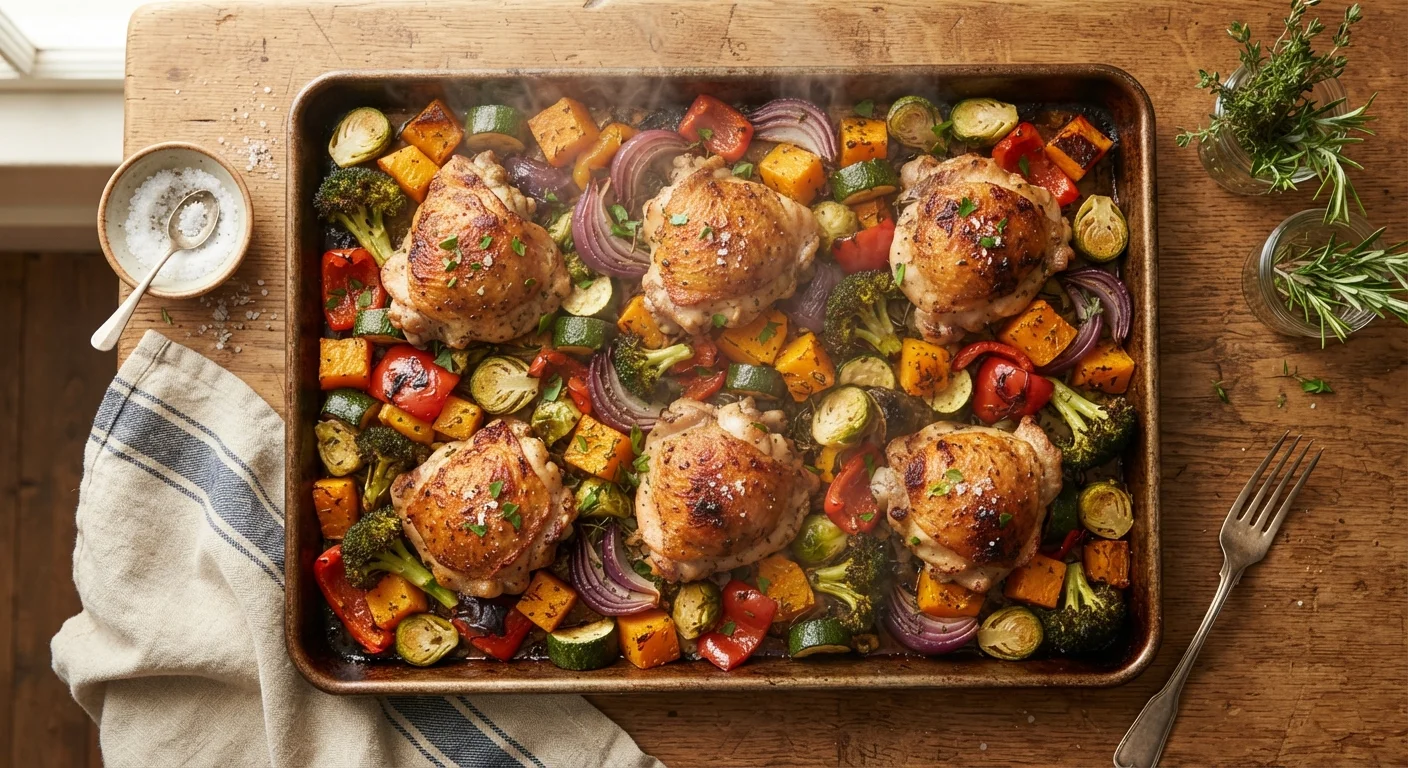
For cooks who want flexibility in a different direction — no appliance at all — sheet pan dinners are another approach worth exploring for weeknight simplicity. And if you're building broader kitchen confidence, cooking without a recipe pairs well with either appliance as you get more comfortable improvising.
For meal planning purposes, both appliances fit naturally into a weekly meal prep routine — the slow cooker for Sunday batch cooking, the Instant Pot for quick mid-week protein or grain cooking.
A Note on Food Safety
Both appliances are designed to reach and maintain safe internal temperatures during normal operation. However, slow cookers should always be started on a safe temperature setting — avoid putting frozen meat directly into a slow cooker, as it may spend too long in the temperature range where bacteria multiply. When in doubt, thaw proteins in the refrigerator first. The USDA's food safety guidelines are a reliable reference for safe internal temperatures and thawing practices.