
How the Two-Second Rule Works
The two-second rule gives drivers a practical, on-the-fly method for maintaining a safe gap without measuring feet or doing math. Choose any stationary reference point on the roadside. The moment the vehicle in front of you passes it, begin counting. If your front bumper clears the same point before you reach two seconds, you're following too closely.
The logic is sound: two seconds of travel time provides a buffer that accounts for the time it takes a driver to perceive a hazard, decide to brake, and begin applying the pedal. At 30 mph, two seconds equals about 88 feet. At 60 mph, it equals roughly 176 feet. The rule scales with speed automatically — which is its primary strength as a teaching tool.
Understanding why the rule works also means understanding how stopping distance actually breaks down. Reaction time and braking distance are separate phases, and both are longer than most drivers intuitively expect.
~1.5 sec
Average driver reaction time before braking begins
This estimate is widely cited in traffic safety research and driver education curricula; it represents alert drivers under normal conditions.
29%
Share of all reported crashes that are rear-end collisions
According to the National Highway Traffic Safety Administration (NHTSA), rear-end crashes consistently represent a large portion of police-reported accidents annually.
5–10×
Increase in stopping distance on ice vs. dry pavement
Estimates from traffic safety and engineering sources reflect the dramatic reduction in tire-road friction on ice-covered roads.
When Two Seconds Isn't Enough
The two-second rule was designed for ideal conditions: dry pavement, alert driver, good visibility, normal vehicle load. Real driving rarely checks all those boxes simultaneously.
Wet and Icy Roads
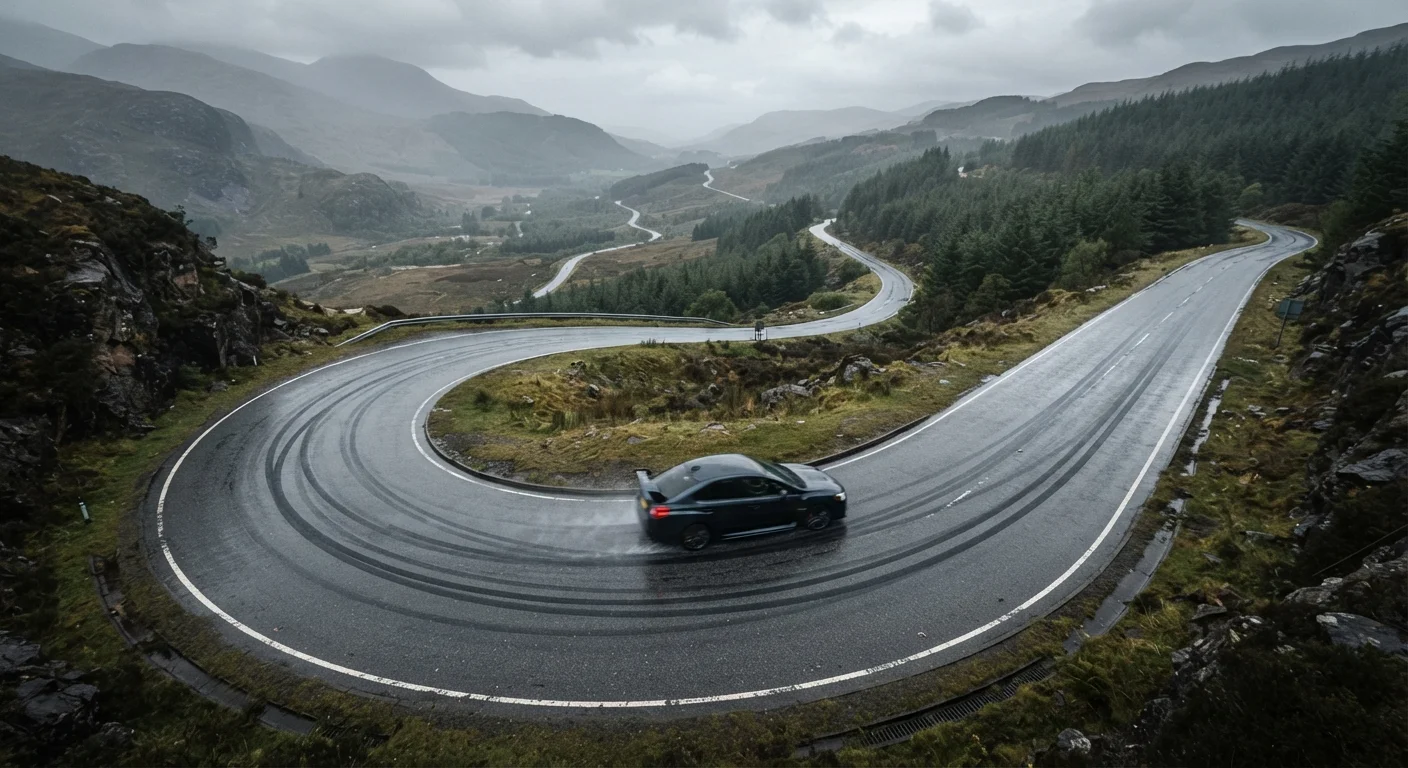
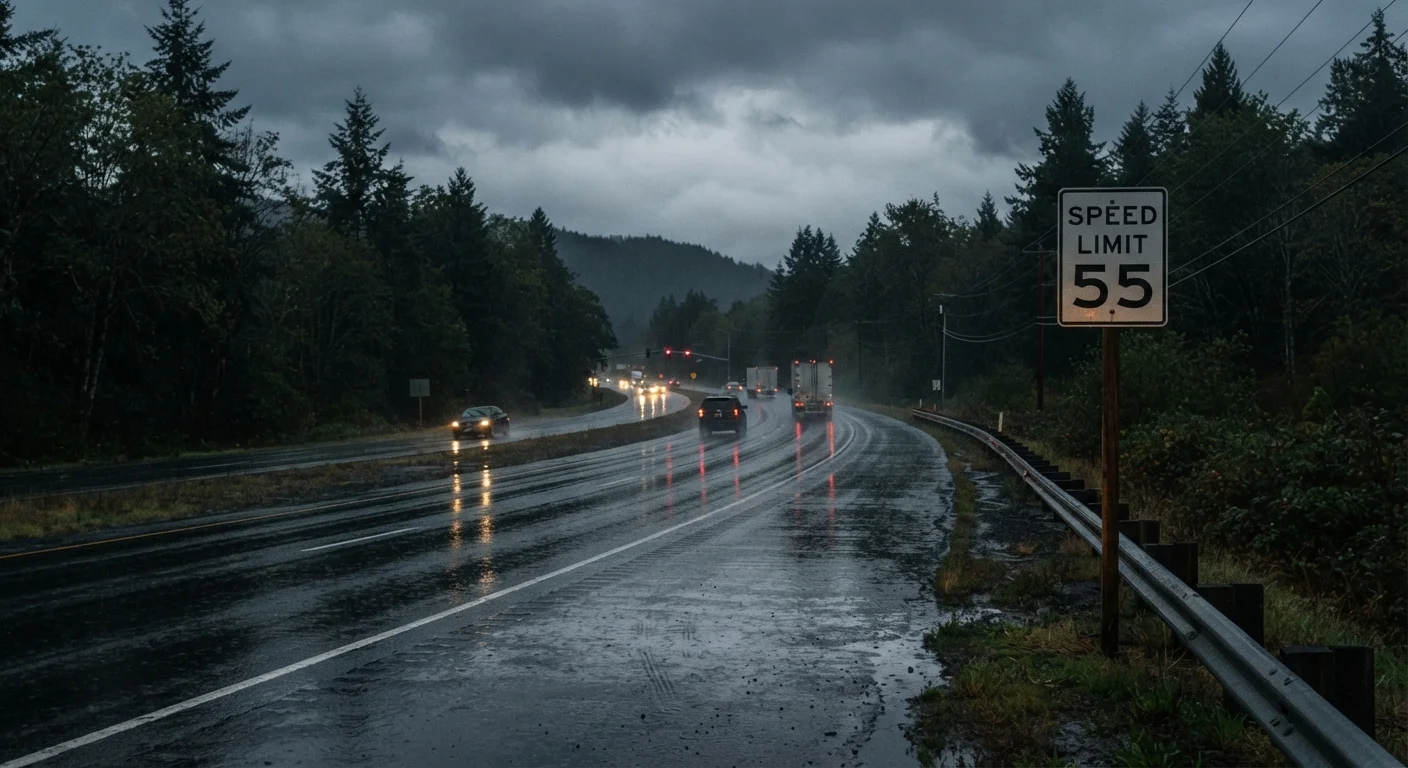
Water reduces tire friction significantly, and ice can increase stopping distances by five to ten times compared to dry asphalt. In rain, doubling your gap to four seconds is a reasonable starting point. In snow or ice, six seconds or more is appropriate — and slowing down is equally important, since following distance alone cannot compensate for dramatically reduced traction.
High Speeds
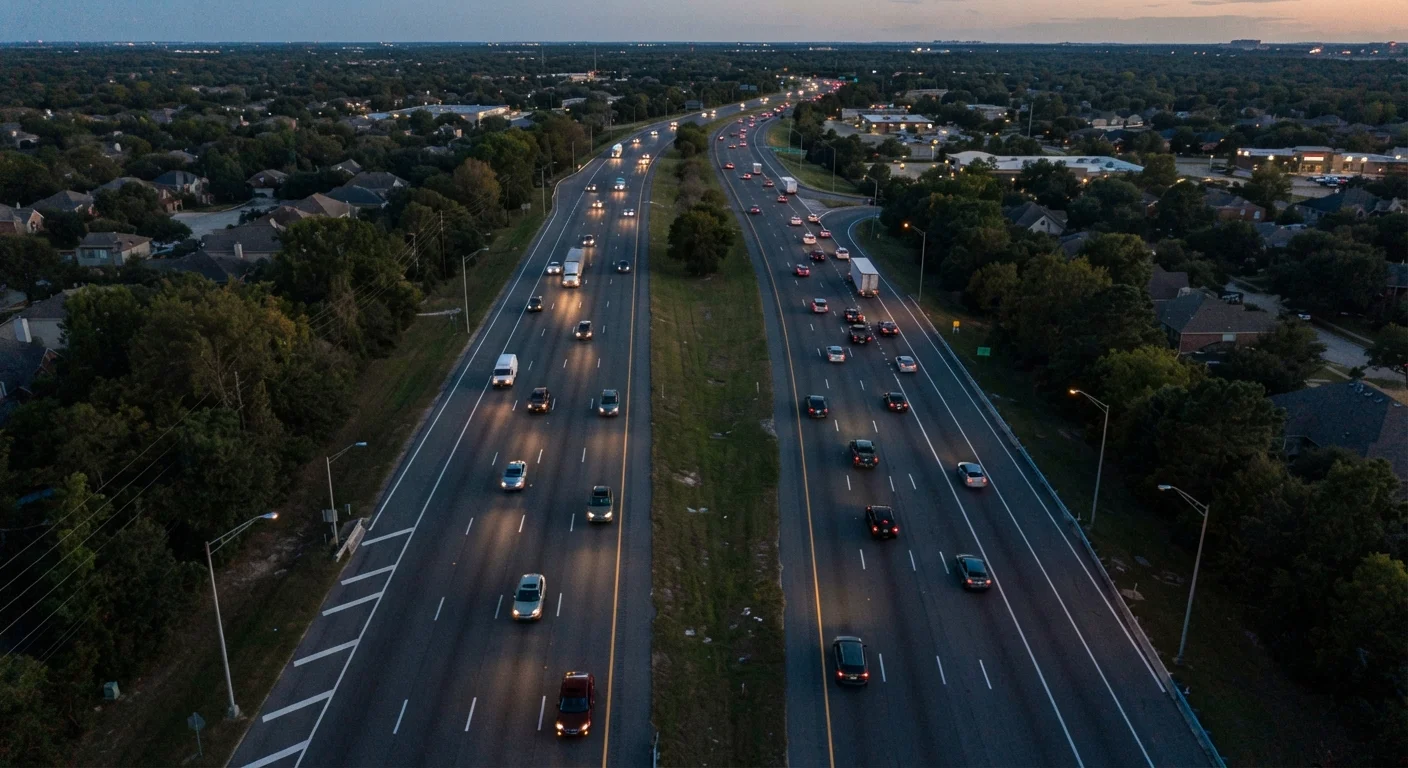
At highway speeds, two seconds gives you less physical margin than it seems. Reaction time averages roughly 1.5 seconds for most drivers under normal conditions, which means braking may not even begin until you've nearly consumed your entire buffer. A three- to four-second gap at 65 mph is far more realistic. As posted speed limits don't account for every condition, neither does a fixed two-second standard.
Fatigue and Distraction
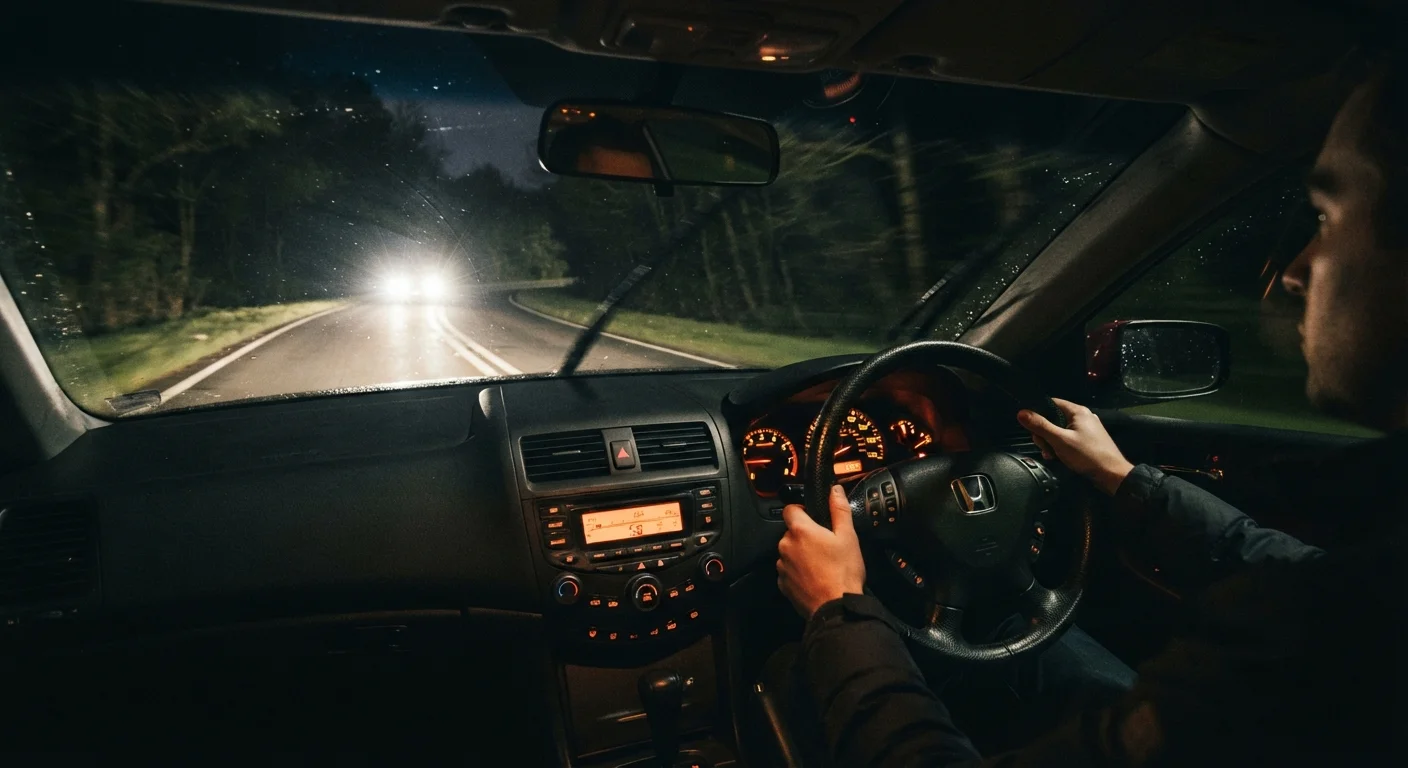
Tired or distracted drivers have reaction times that can rival or exceed those of impaired drivers. If you're fatigued, your mental processing and decision-to-brake time stretch well beyond 1.5 seconds, consuming your buffer before your foot reaches the pedal. Night driving amplifies these risks — reduced visibility means hazards appear later, leaving even less time to respond.
Towing and Heavy Loads
Added weight increases momentum and extends braking distance substantially. Drivers towing trailers or hauling heavy cargo should treat the two-second rule as an absolute minimum and extend it based on load.
Adjust Your Gap Before You Need It
Don't wait until you see brake lights ahead to increase your following distance. When you notice heavy traffic, wet roads, or reduced visibility developing, proactively extend your gap. Creating space early is far safer than trying to react once a hazard appears.
Building the Habit That Sticks
Following distance is one of those driving habits that slips under conditions it matters most — heavy traffic, rushing, highway monotony. Tailgating often happens without conscious awareness.
One practical approach: treat your following distance as a continuous adjustment rather than a one-time setting. Every time a vehicle merges in front of you, consciously re-establish your gap before returning your attention to other tasks. This deliberate reset builds the habit of active gap management.
Part of what separates careful drivers from reactive ones is anticipation. Watching two or three vehicles ahead — not just the one immediately in front — gives you earlier warning of slowdowns. This is a core element of what experienced drivers do differently.
Finally, a proper following distance works best when your vehicle is in good mechanical condition. Worn brake pads, underinflated tires, or faulty lights reduce the effectiveness of whatever space you've created. A quick pre-trip vehicle check is a simple complement to good spacing habits.
Following Distance and Automatic Emergency Braking
Many newer vehicles include Automatic Emergency Braking (AEB) systems that can apply the brakes faster than a human can react. While this technology adds a meaningful safety layer, it is not a substitute for adequate following distance. AEB systems have operational limits and may not activate in all crash scenarios — maintaining proper spacing remains the driver's responsibility.