
Why an Accent Wall Works
An accent wall — a single wall treated differently from the rest of the room — is one of the most accessible ways to shift a space's mood without a full renovation. Done well, it creates a focal point, adds visual weight, and can make a room feel more intentional. (If terms like visual weight or focal point are new to you, our interior design terminology guide is a helpful reference.)
The most common accent wall materials are paint, peel-and-stick wallpaper, wood panels, and tile. Each brings a distinct look and a different set of trade-offs around cost, installation complexity, durability, and reversibility. Here's how they actually compare in everyday home use.
Paint: Low Cost, High Flexibility
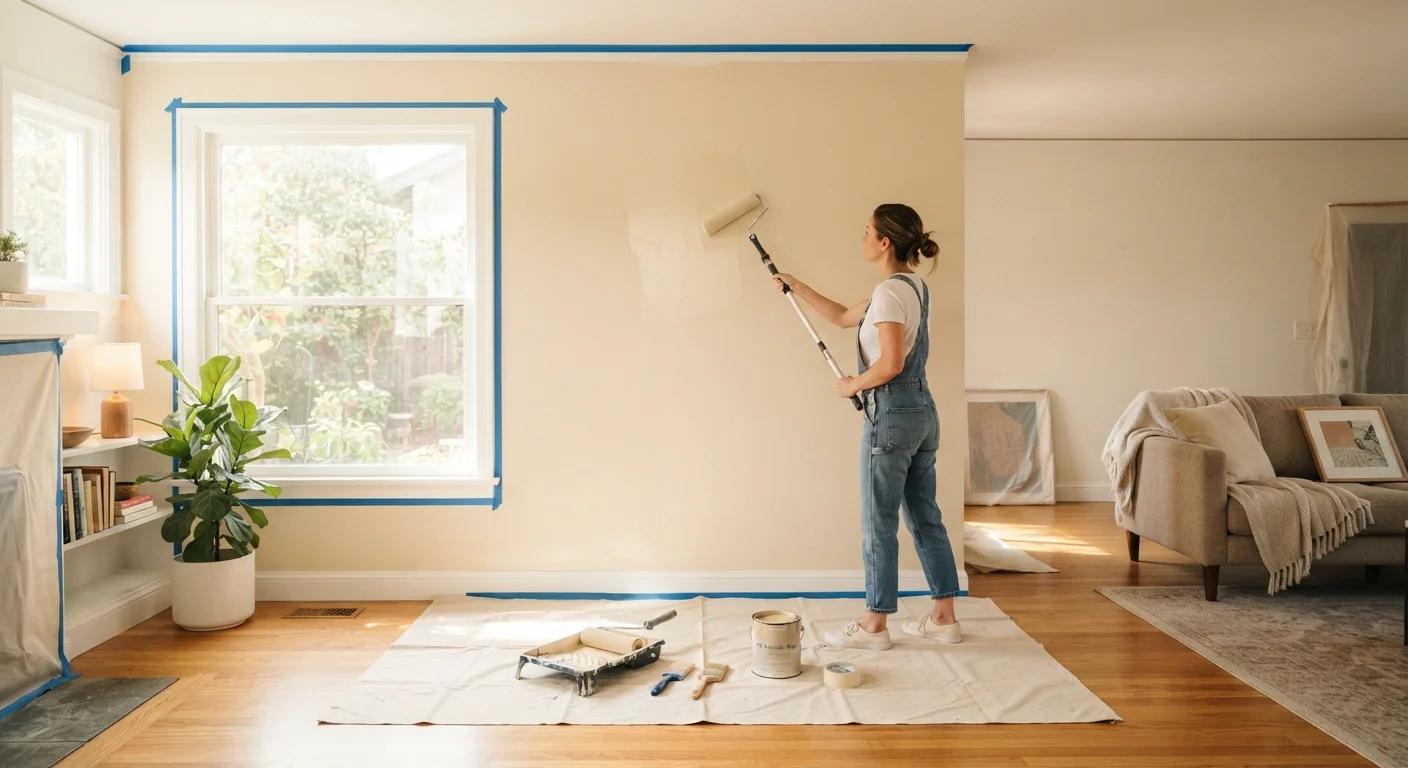
Paint remains the most popular accent wall choice for good reason. It's affordable, widely available, and fully reversible — you can repaint over a bold color in an afternoon. A single accent wall typically requires one quart to one gallon of paint, depending on wall size, making it easy to experiment with deeper, richer colors you might hesitate to commit to on all four walls.
The main limitation of paint is that it's flat. It adds color but not texture or dimension. For rooms that already feel plain, paint alone may not create the dramatic shift you're after. Finishes matter here: a high-gloss or satin finish on one wall will reflect light differently than the matte walls beside it, adding subtle contrast without pattern. For a practical walkthrough on technique, see our guide on painting a room without the usual mess.
Test Before You Commit to a Color
Paint a 12-by-12-inch swatch directly on the wall and observe it at different times of day before purchasing full quantities. Natural morning light and artificial evening light can make the same color read very differently. Many paint suppliers offer small sample sizes specifically for this purpose.
Peel-and-Stick Wallpaper: Pattern Without Permanence
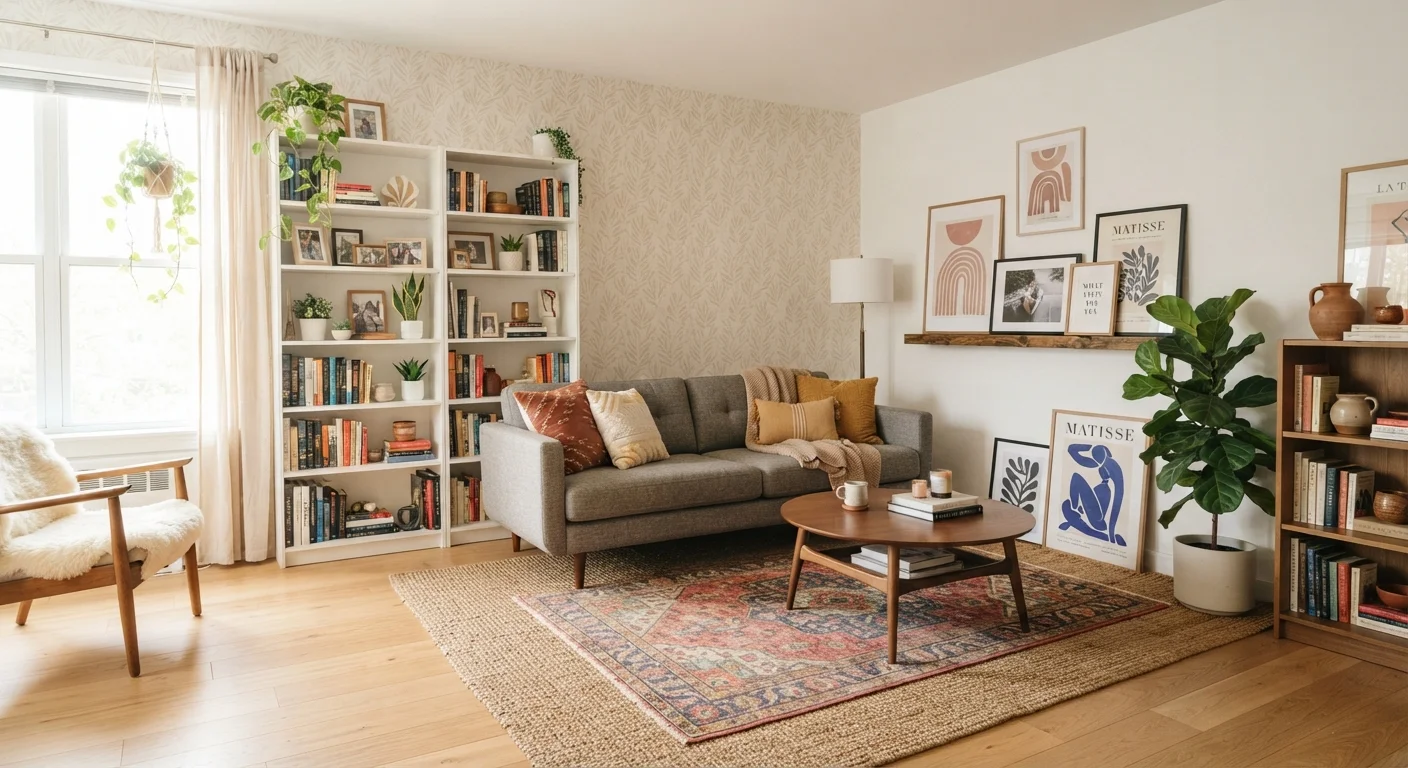
Modern peel-and-stick wallpaper has improved considerably. It now comes in textures, geometric prints, botanical patterns, and even faux-material finishes like grasscloth or marble. For renters especially, it's an appealing option — and our guide on decorating a rental without losing your deposit covers it as part of a broader damage-free decorating strategy.
The honest caveat: peel-and-stick wallpaper is not as durable as traditional paste wallpaper. Edges can lift in high-humidity rooms or on textured walls, and the adhesive may struggle on freshly painted surfaces. It also takes patience to hang straight. That said, for a bedroom or dining room accent wall, it can look genuinely polished and is far more forgiving than permanent wallpaper if you make a mistake mid-installation.
| Paint | Peel-and-Stick Wallpaper | Wood Panels | Tile | |
|---|---|---|---|---|
| Typical material cost | Low ($20–$60) | Moderate ($50–$150) | Moderate–High ($80–$300+) | High ($100–$400+) |
| DIY difficulty | Easy | Moderate | Moderate | Difficult |
| Reversibility | Very easy — repaint anytime | Easy — peel off carefully | Difficult — nails or adhesive | Very difficult — requires removal |
| Moisture resistance | Low (use mildew paint) | Low to moderate | Low (avoid damp areas) | High |
| Texture / dimension | Flat | Moderate (faux finishes) | High | High |
| Best rooms | Any room | Bedrooms, dining rooms | Living rooms, offices | Bathrooms, kitchens |
| Time to complete | Half a day | Half to full day | Full day to weekend | Weekend or longer |
Wood Panels: Warmth and Lasting Texture
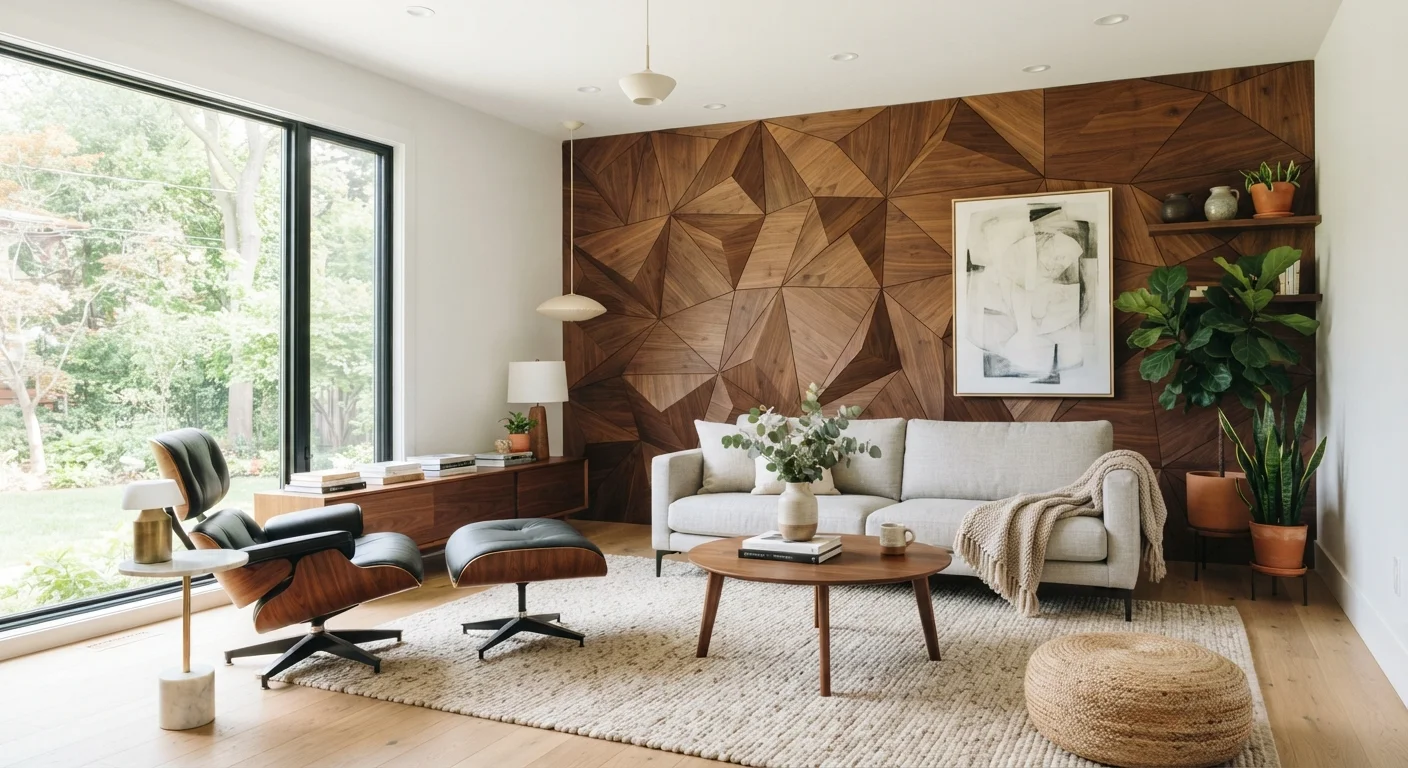
Shiplap, board-and-batten, and slat wood panels have moved well beyond farmhouse style. Today they show up in contemporary bedrooms, home offices, and living rooms as a way to add dimension and warmth that paint simply can't replicate. Wood panels are generally nailed or glued directly to the drywall, making them a more committed choice — but they're still far less invasive than a full renovation.
Cost varies widely depending on whether you use real wood, MDF (medium-density fiberboard), or engineered panels. Real wood is the most expensive and most authentic; MDF panels are more affordable and easier to cut, though they shouldn't be used in damp areas. If you want layered texture in a room without tackling a feature wall, our article on adding texture without repainting or renovating covers complementary approaches.
Tile: Durable Drama for Wet Spaces
A tile accent wall is most at home behind a bathroom vanity, above a kitchen range, or as a tub surround — anywhere moisture resistance genuinely matters. Large-format tiles, zellige-style handmade tiles, and patterned encaustic tiles can all serve as striking feature walls with a crafted, permanent quality that other materials can't match.
Tile is the most labor-intensive and expensive of the four options, and unlike paint or peel-and-stick wallpaper, it's difficult to reverse without professional help. Grout also requires periodic maintenance. If you're tackling a tiled accent wall as a DIY project, keep it to areas that don't require waterproofing membranes — those behind showers and bathtubs typically do, and that work is best left to a licensed tile setter.
Wet-Area Tile Work Often Requires a Pro
Tiling inside a shower enclosure or behind a freestanding tub typically requires a waterproof membrane beneath the tile — a step that's easy to skip and costly to fix later. Improper waterproofing can lead to water damage inside the wall. For any tile work in a continuously wet area, consult a licensed tile installer and check whether local building codes require a permit.
For a decorative boost that doesn't require structural work, a tile-look peel-and-stick panel is an option worth considering in low-moisture areas, though the effect is noticeably different up close than genuine ceramic or stone.
How to Choose the Right Option for Your Space
Start with your room's function. Bathrooms and kitchens point toward tile or moisture-resistant options. Bedrooms and living rooms are where wood panels and wallpaper shine. Consider your timeline: paint and peel-and-stick wallpaper can typically be completed in a day; wood panels and tile may take a weekend or longer.
Also weigh whether you own or rent, and how attached you are to the current result. If you're someone who refreshes decor every few years, leaning toward reversible materials makes long-term sense. If you're setting a room up for the long term, investing in wood panels or tile pays off in durability and resale appeal. And if you want the accent wall to do double decorative duty, consider hanging a gallery wall against a painted or paneled backdrop to layer visual interest.
~35%
Homeowners who've painted an accent wall
Surveys by home improvement organizations consistently find accent walls among the most common weekend DIY projects in American homes.
2–4x
Cost difference: tile vs. paint per sq ft
General contractor estimates place basic tile installation at roughly two to four times the per-square-foot cost of a painted accent wall, excluding labor.